Shop on Lazada
5.11 tactical products
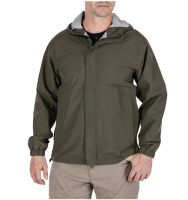
5.11 TACTICAL - DUTY RAIN SHELL JACKET
₱10,000.00
Buy on Lazada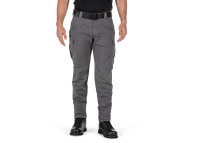
5.11 - Icon pant
₱7,500.00
Buy on Lazada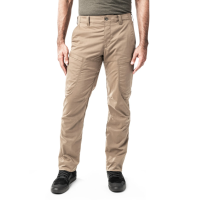
5.11 - RIDGE PANT
₱7,500.00
Buy on Lazada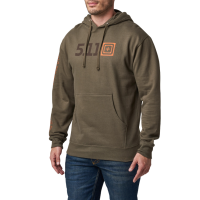
5.11® Scope Hoodie
₱6,500.00
Buy on Lazada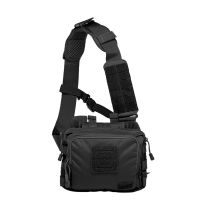
5.11 2-Banger bag 3L
₱6,000.00
Buy on Lazada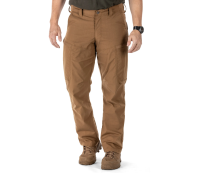
5.11 Men’s Regular Fit Stretch APEX® Cargo Pant
₱8,000.00
Buy on Lazada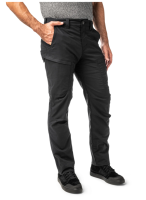
5.11 - RIDGE PANT
₱8,000.00
Buy on Lazada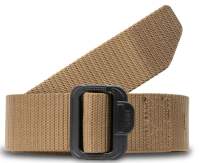
511 - TDU BELT 1.75
₱2,500.00
Buy on LazadaAbout 5.11 tactical
5.11 Tactical is an American brand specialising in purpose-built tactical apparel, footwear, bags, packs, accessories, and equipment. The company is particularly associated with law enforcement, military personnel, firefighters, emergency medical services (EMS), first responders, outdoor enthusiasts, and everyday-carry users.1 Its central design philosophy focuses on creating products that are durable, functional, adaptable, and suitable for demanding environments.1
Quick facts
| Field | Information |
|---|---|
| Brand | 5.11 Tactical |
| Industry | Tactical apparel, outdoor gear, footwear, bags & accessories |
| Founded as 5.11 Tactical | 2003 |
| Founder | Dan Costa |
| Origins | Royal Robbins climbing/outdoor apparel |
| Headquarters | Irvine, California, United States |
| Primary markets | Law enforcement, military, fire/EMS, first responders, outdoor & civilian markets |
| Notable products | Tactical pants, uniforms, RUSH backpacks, tactical boots, bags, belts, pouches, EDC gear |
| Brand philosophy | “Always Be Ready” |
| Parent ownership | Compass Diversified |
| Official website | 511tactical.com |
The history of the brand is more complex than its 2003 establishment date suggests; the 5.11 product concept originated decades earlier through rock climber Royal Robbins, while the modern 5.11 Tactical company was established under Dan Costa in 2003.1
History
Origins: Royal Robbins and climbing
The story of 5.11 begins with American rock climber Royal Robbins. In 1979, while climbing the Salathé Wall on El Capitan in Yosemite National Park, Robbins realised that conventional climbing trousers were insufficiently practical for the demands of the sport. He and his wife, Liz Robbins, developed a more functional pair of trousers featuring cargo-style storage and a rear strap for attaching climbing equipment.
This innovation became part of the broader Royal Robbins outdoor clothing business. The name 5.11 itself derives from rock climbing rather than military terminology. In the Yosemite Decimal System, 5.11 represented a particularly difficult climbing grade. This designation subsequently became the identity of the product line and eventually the entire company.
Meaning of “5.11”
The name refers to a specific climbing difficulty rating. The Yosemite Decimal System originally used grades such as 5.0 through 5.10 for progressively more difficult climbs. The 5.11 rating represented climbing considered extremely difficult—described humorously in tradition as a move that appears impossible but which someone occasionally manages to complete.
This origin is significant because it explains why the identity of 5.11 Tactical has historically combined outdoor adventure, physical performance, durability, and problem-solving, rather than being exclusively military-oriented.
The FBI connection
A major turning point occurred when the trousers became associated with the FBI National Academy. According to company history, the FBI National Academy adopted the Royal Robbins/5.11 trousers as their primary training trouser in 1992, with new cadets receiving a pair during training.1 This helped introduce the product to law enforcement professionals throughout the United States.
Although the product had originally been designed for rock climbing, its practical features—durability, storage, mobility, and functionality—also made it attractive to those working in law enforcement. This progression from climbing gear to functional outdoor clothing, then to FBI training and finally to the tactical industry, forms the foundation of the modern 5.11 brand.
Formation of modern 5.11 Tactical
In 2003, Dan Costa acquired rights to part of the Robbins clothing line and established 5.11 Tactical as a dedicated brand. The company expanded beyond its original trousers into a much broader range of tactical products, focusing heavily on the professional market including law enforcement, military personnel, firefighters, EMS professionals, first responders, security professionals, and outdoor users.1
The product range grew to include shirts, trousers, footwear, backpacks, bags, accessories, and other tactical equipment.1 This era marked the emergence of 5.11 as the recognisable tactical brand known today.
Growth of the brand
During the 2000s and 2010s, 5.11 expanded considerably beyond its original tactical trousers. A notable development was the introduction of the RUSH backpack line in 2007. The RUSH series became one of the company’s most recognisable product families and helped establish 5.11 as a broader tactical equipment brand rather than solely a clothing manufacturer.
In 2012, the company introduced the Stryke Pant with Flex-Tac, another significant development in its tactical apparel lineup.1 Concurrently, 5.11 expanded its offerings for women, outdoor users, fitness customers, and civilians. The company describes its current market as extending from professional public safety users to outdoor and everyday consumers.1
Ownership
A major corporate milestone occurred in 2016 when Compass Diversified acquired 5.11 Tactical. Compass announced in August 2016 that it had agreed to acquire the company for approximately $400 million, excluding certain adjustments.2
Compass subsequently described 5.11 as one of its branded consumer businesses, characterising it as a provider of purpose-built tactical apparel and gear for law enforcement, firefighters, EMS, military special operations, and outdoor enthusiasts. While 5.11 operates as its own consumer brand, it remains part of the broader Compass Diversified portfolio.
Products
The product portfolio of 5.11 Tactical is considerably broader than the term “tactical” might suggest.
Tactical pants
Trousers remain one of the most important parts of the company’s identity. Typical characteristics include multiple utility pockets, reinforced construction, mobility-focused cuts, durable fabrics, tool and equipment storage, compatibility with belts and other equipment, and designs intended for both professional and outdoor use. The company’s history is fundamentally built around this functional garment.
Uniforms and professional apparel
5.11 produces professional uniforms and clothing systems for public safety organisations. Current professional offerings include lines such as STRYKE, V.XI XTU, and Fast-Tac. These products are aimed particularly at law enforcement, fire, and emergency service users.
Shirts and jackets
The company manufactures everything from basic T-shirts and polos to specialised professional shirts, outerwear, and jackets. The underlying philosophy generally involves ordinary-looking clothing with additional functionality where appropriate. This approach has allowed 5.11 to occupy a distinct position between conventional outdoor clothing and overtly tactical equipment.
Footwear
5.11 has developed a substantial footwear business including tactical boots, duty footwear, hiking and outdoor footwear, training shoes, and everyday footwear. Its A/T and ATAC families are among the better-known footwear lines.
Backpacks and bags
Bags are another major component of the brand. The RUSH series is particularly recognisable and includes tactical backpacks designed around modular organisation and MOLLE-compatible equipment. 5.11 also sells duffel bags, range bags, sling bags, everyday backpacks, travel bags, tactical packs, and specialised equipment bags. The current lineup also includes the Skyweight collection.
MOLLE and modular equipment
A significant part of the tactical aesthetic surrounding 5.11 is the use of MOLLE-compatible systems. MOLLE (Modular Lightweight Load-carrying Equipment) allows pouches and accessories to be attached to compatible webbing. 5.11 incorporates this concept into various backpacks, pouches, belts, and other equipment, allowing users to customise how they carry gear. This modular approach is particularly useful for professional users whose equipment requirements may change depending on their job or mission.
Everyday Carry (EDC)
One of the most important developments in the evolution of 5.11 has been its expansion beyond traditional professional tactical customers. The company has developed a large EDC (Everyday Carry) category that includes wallets, belts, flashlights, gloves, pouches, bags, utility accessories, and organisation equipment.
5.11 explicitly markets these products towards people who wish to remain prepared in everyday life, not just professionals working in tactical environments. This shift has helped transform 5.11 into a lifestyle and performance brand as well as a professional tactical supplier.
Target customers
Historically, the core customer of 5.11 has been the professional requiring reliable equipment. Major customer groups include:
- Law enforcement: Police officers and other law enforcement professionals have historically been one of the most important markets, with the FBI connection being particularly significant to the company’s history.
- Military: The company produces clothing and equipment intended for military and military-adjacent applications, including tactical apparel, bags, and footwear.
- Fire and EMS: 5.11 serves firefighters, paramedics, emergency medical personnel, and other first responders.
- Security professionals: Security personnel represent a natural market due to the need for durable uniforms, equipment storage, and professional appearance.
- Outdoor enthusiasts: The brand’s climbing and outdoor origins remain visible in its emphasis on durability, mobility, and performance.
- Civilian/EDC users: The modern customer base also includes individuals who prefer durable clothing, backpacks, and everyday-carry equipment.
Brand philosophy
One of the most recognisable concepts associated with 5.11 is “Always Be Ready.” This idea extends beyond simply carrying tactical equipment. 5.11 presents readiness as a combination of gear, training, mindset, and self-reliance.1 The company’s philosophy posits that while people cannot predict every situation, they can prepare themselves for unexpected circumstances.1 This philosophy has allowed 5.11 to market the same fundamental concept to both professionals and ordinary consumers.
Brand identity
The visual and functional identity of 5.11 is generally built around durability, utility, readiness, performance, adaptability, self-reliance, professional credibility, and outdoor heritage. Unlike a traditional military contractor, 5.11 is primarily a consumer and professional equipment brand. It does not primarily manufacture weapons or major military systems; its core business is clothing and personal equipment.
Factors in popularity
Several factors explain the success of the company:
- Functional design: Products are designed around specific use cases rather than fashion alone. For example, tactical trousers may be designed specifically for carrying equipment, kneeling, climbing into vehicles, running, or working long shifts.
- Durability: The brand has built its reputation on products intended to survive demanding use.
- Professional credibility: The FBI and law enforcement connection provided the brand with an unusually strong professional origin story.
- Modular equipment: Backpacks, pouches, belts, and accessories can be combined into personalised equipment systems.
- Crossover appeal: Features useful to police officers also appeal to hikers, travellers, photographers, contractors, campers, EDC enthusiasts, and those who prefer rugged clothing. This crossover market has become increasingly important to the brand.
Comparison with traditional military brands
5.11 is sometimes grouped with military equipment companies, but its positioning differs.
| Type | Primary focus |
|---|---|
| 5.11 Tactical | Tactical apparel, footwear, bags, EDC and personal equipment |
| Military contractors | Weapons, vehicles, communications, armour and military systems |
| Outdoor brands | Hiking, climbing, camping and outdoor recreation |
| Workwear brands | Industrial and construction clothing |
| Police-uniform suppliers | Dedicated professional uniforms |
5.11 sits at the intersection of several of these categories. Its heritage comes from climbing, its professional credibility stems heavily from law enforcement, and its current consumer identity encompasses tactical, outdoor, fitness, and everyday-use products.
Major product families
Names strongly associated with 5.11 include:
- RUSH® — backpacks and packs
- Stryke® — tactical apparel and pants
- A.T.® — footwear
- ATAC® — tactical footwear
- Fast-Tac® — professional uniforms/apparel
- V.XI™ XTU — professional uniform system
- Flex-Tac® — fabric technology used in certain apparel
- Skyweight™ — lightweight pack and carry products
While the exact lineup changes over time, these families illustrate the breadth of the company’s product strategy.1
Corporate and global presence
5.11 has developed from a relatively specialised American clothing line into an international brand. Compass Diversified reported that 5.11 operates sales offices and distribution centres globally, with products distributed through its own retail operations, uniform stores, military exchanges, outdoor retailers, and its online store.
The brand utilises two overlapping distribution models:
- Professional channel: Uniform dealers, public safety customers, and institutional users.
- Consumer channel: 5.11 stores, online retail, and outdoor/consumer retailers.
Evolution of the brand
The development of the company can be summarised in four stages:
- Climbing: Royal Robbins developed climbing trousers to solve a practical problem, leading to the 5.11 climbing grade association.
- Law enforcement: The 1992 FBI adoption helped transform a climbing-derived product into professional apparel.1
- Tactical equipment: Following the 2003 establishment of 5.11 Tactical, the company expanded into a full ecosystem of pants, shirts, boots, packs, bags, and accessories.
- Lifestyle and EDC: The brand has broadened from professional tactical users to encompass outdoor, fitness, and everyday carry markets.1
Reputation and positioning
5.11 has established a particularly strong reputation in the tactical apparel and gear market. Its competitive advantages arguably lie in the combination of professional heritage, a recognisable brand, a broad product ecosystem, and consumer accessibility. Customers can purchase matching tactical trousers, belts, RUSH backpacks, footwear, and EDC accessories from a single brand. This ecosystem is one of the defining characteristics of modern 5.11.
Simultaneously, the brand’s tactical styling means some products have a distinctly utilitarian appearance. This attracts customers who prioritise functionality but may be less appealing to consumers preferring conventional fashion or minimalist outdoor clothing.
Timeline
- 1979 — Royal Robbins develops more functional climbing pants after experience on Yosemite’s El Capitan.
- 1992 — FBI National Academy adopts the pants as a training pant, helping establish the product within law enforcement.1
- 2003 — Dan Costa establishes the modern 5.11 Tactical brand and expands its product range.
- 2007 — RUSH backpacks are introduced.
- 2012 — Stryke Pant with Flex-Tac launches; the women’s product category is also substantially developed.1
- 2016 — Compass Diversified acquires 5.11 Tactical for approximately $400 million.2
- Today — 5.11 operates across tactical apparel, uniforms, footwear, bags, EDC, outdoor, and fitness markets, serving both professional and civilian customers.1