Shop on Lazada
Abbott products
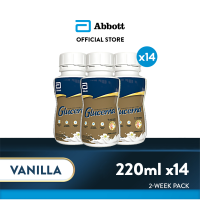
Glucerna Vanilla 220ml RPB for Diabetic Nutrition (Bundle of 14)
₱2,431.80₱2,702.00
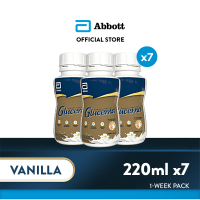
Glucerna Vanilla 220ml RPB for Diabetic Nutrition (Bundle of 7)
₱1,256.43₱1,351.00
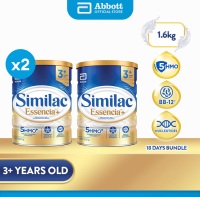
Similac Essencia Three 800g Bundle of 2 for Kids Above 3 Years Old Powdered Milk Drink (1.6kg)
₱2,861.95₱3,145.00
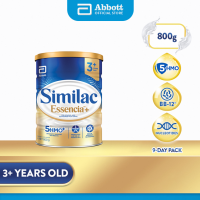
Similac Essencia Three 800g for Kids Above 3 Years Old Powdered Milk Drink
₱1,477.68₱1,572.00
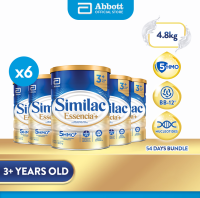
Similac Essencia Three 800g Bundle of 6 for Kids Above 3 Years Old Powdered Milk Drink (4.8kg)
₱8,397.15₱9,435.00
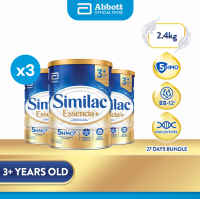
Similac Essencia Three 800g Bundle of 3 for Kids Above 3 Years Old Powdered Milk Drink (2.4kg)
₱4,245.30₱4,717.00
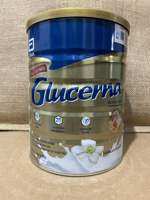
Glucerna Vanilla 900g Diabetic support (NOVEMBER 2027)
₱2,150.00
Buy on Lazada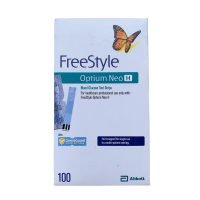
Abbott Freestyle Optium Blood Glucose Test Strips 50 / 100 sheets (Exp:Latest)
₱1,319.00₱1,457.00
About Abbott
Overview
Abbott Laboratories, commonly referred to as Abbott, is an American multinational healthcare corporation headquartered in Abbott Park, Illinois. Established in 1888 by Wallace Calvin Abbott, the organization has grown from a small pharmaceutical enterprise into one of the world’s largest diversified healthcare companies.1
Today, Abbott develops and manufactures a wide array of products across medical devices, diagnostics, nutrition, and pharmaceuticals. The company maintains operations in more than 160 countries and employs approximately 122,000 people. According to corporate data, Abbott’s products and technologies serve over 2 billion people worldwide.1
Company Profile
| Item | Information |
|---|---|
| Full name | Abbott Laboratories |
| Common name / brand | Abbott |
| Founded | 1888 |
| Founder | Wallace Calvin Abbott |
| Headquarters | Abbott Park, Illinois, U.S. |
| Industry | Healthcare / Medical technology / Pharmaceuticals |
| CEO & Chairman | Robert B. Ford |
| Employees | ~122,000 |
| Countries | 160+ |
| 2025 revenue | $44.3 billion |
| 2025 R&D investment | $2.9 billion |
| Stock | NYSE: ABT |
| Major businesses | Medical Devices, Diagnostics, Nutrition, Established Pharmaceuticals |
| Website | Abbott.com |
For the fiscal year 2025, Abbott reported total revenue of $44.3 billion. Its 2025 sustainability report indicates that the company invested approximately $2.9 billion in research and development during the same period.1
Business Scope
Abbott is fundamentally a healthcare technology company rather than a traditional pharmaceutical manufacturer. Its portfolio encompasses products designed to prevent, diagnose, monitor, and treat diseases, alongside nutritional solutions for everyday health. Key product categories include:
- Continuous glucose monitors for diabetes management
- Cardiac and vascular devices
- Heart-failure monitoring technologies
- Laboratory diagnostic systems
- Rapid diagnostic tests
- Molecular diagnostic products
- Infant and pediatric nutrition
- Adult nutritional products
- Branded generic medicines
- Cancer diagnostic technologies
Historically, the company’s four principal reportable segments have been Established Pharmaceutical Products, Diagnostic Products, Nutritional Products, and Medical Devices.2
History
Foundation and Early Years
Abbott’s origins date to 1888, when physician and pharmacist Wallace Calvin Abbott founded the Abbott Alkaloidal Company in Chicago. Unlike many contemporaries focused on large-scale drug discovery, the early business specialized in producing medicines using alkaloids, which are active chemical compounds derived from plants. Over time, the company expanded its pharmaceutical manufacturing and scientific capabilities. With a corporate history spanning more than 135 years, Abbott remains one of the oldest continuously operating healthcare companies in the United States.1
Incorporation and Diversification
The company was formally incorporated as Abbott Laboratories in 1900.2 Throughout the 20th century, Abbott evolved beyond its original pharmaceutical focus. Its trajectory can be characterized as a progression from pharmacy to pharmaceuticals, diagnostics, nutrition, medical devices, and eventually connected digital healthcare. This diversification distinguishes Abbott from companies primarily associated with prescription drug research, such as Pfizer or Merck, by establishing a broader healthcare portfolio that includes laboratory diagnostics, hospital products, cardiovascular technologies, and diabetes care.
Major Business Areas
As of the mid-2020s, Abbott’s operations are organized into four primary segments.
Medical Devices
Medical Devices represents one of Abbott’s most significant growth engines. The segment covers technologies for cardiovascular care, diabetes management, neuromodulation, and other specialties. Specific areas include:
- Electrophysiology: Technologies for diagnosing and treating abnormal heart rhythms.
- Structural Heart: Devices addressing heart valve conditions and structural defects.
- Heart Failure: Monitoring and management solutions for heart failure patients.
- Vascular: Products for interventional cardiovascular procedures.
- Rhythm Management: Pacemakers and related technologies.
In 2025, sales in the Medical Devices segment increased by 12.6%, driven by strong performance in Diabetes Care, Electrophysiology, Heart Failure, Structural Heart, and Rhythm Management.2
Diabetes Care
Diabetes Care is among Abbott’s most prominent modern businesses, anchored by the FreeStyle Libre family of continuous glucose monitoring (CGM) systems. These systems allow users to track glucose levels via a small sensor, reducing reliance on traditional finger-stick testing. In 2025, CGM sales reached approximately $7.6 billion, reflecting a 17.4% increase on a constant-currency basis compared to 2024.2 This performance positions Abbott as a leading global competitor in the CGM market alongside firms like Dexcom.
Diagnostics
Abbott is a major provider of diagnostic technologies used by hospitals, laboratories, blood banks, clinics, and patients. The portfolio includes:
- Core laboratory diagnostics: Large automated systems for blood and other tests.
- Rapid diagnostics: Tests providing quick results outside conventional lab settings.
- Molecular diagnostics: Detection of genetic material associated with infections or diseases.
- Point-of-care diagnostics: Technologies designed for use near the patient.
These businesses are collectively reported under the Diagnostic Products segment.2
Cancer Diagnostics Expansion
A significant strategic development occurred when Abbott announced an agreement to acquire Exact Sciences, the maker of cancer-screening products including Cologuard. Completed on March 23, 2026, this acquisition integrated Exact Sciences into Abbott’s Diagnostic Products business as Cancer Diagnostics.1 This move expands Abbott’s capabilities beyond infectious disease and laboratory testing into cancer screening, early detection, personalized treatment, and disease monitoring, securing a leadership position in the field.1
Nutrition
The Nutrition segment serves both pediatric and adult markets. Key brands include:
- Pediasure: Pediatric nutritional supplement.
- Ensure: Adult nutritional beverage and supplement.
- Similac: Infant formula.
- Glucerna: Nutrition for blood glucose management.
- Ensure Diabetes Care: Specialized nutrition for diabetes management in select markets.
In 2025, the Nutritionals business generated approximately $8.45 billion in sales, comprising roughly $3.97 billion from pediatric nutrition and $4.48 billion from adult nutrition.2
Established Pharmaceuticals
Abbott’s pharmaceutical strategy differs from many U.S. peers by focusing on branded generic pharmaceuticals sold internationally, particularly in emerging markets.2 The portfolio spans gastroenterology, women’s health, cardiovascular and metabolic health, respiratory disease, primary care, and pain management. Notable brands include Creon and Duphalac.2 This international established-pharmaceutical business distinguishes Abbott from companies focused primarily on patent-protected innovative medicines.
Key Brands and Technologies
| Brand / Technology | Area |
|---|---|
| FreeStyle Libre | Diabetes / CGM |
| Ensure | Adult nutrition |
| Pediasure | Pediatric nutrition |
| Similac | Infant nutrition |
| Glucerna | Diabetes nutrition |
| Ensure Diabetes Care | Diabetes nutrition |
| Alinity | Laboratory diagnostics |
| i-STAT | Point-of-care diagnostics |
| BinaxNOW | Rapid diagnostics |
| ID NOW | Molecular/rapid diagnostics |
| Creon | Gastroenterology |
| CardioMEMS | Heart failure |
| MitraClip | Structural heart |
| FreeStyle | Diabetes monitoring |
This diverse portfolio underscores Abbott’s identity as a healthcare technology conglomerate rather than solely a pharmaceutical brand.
Global Scale and Financial Performance
Abbott operates on a vast international scale, with products serving over 2 billion people across more than 160 countries. Emerging markets accounted for approximately 37% of total sales in 2025.12
Financial Highlights (2025)
- Revenue: $44.3 billion
- R&D Investment: $2.9 billion
- Operating Margin: 18.2%
- CGM Sales: $7.6 billion
| Segment | 2025 Sales |
|---|---|
| Established Pharmaceuticals | $5.54B |
| Nutritionals | $8.45B |
| Diagnostics | ~$9B+ |
| Medical Devices | ~$20B+ |
| Total Abbott | $44.3B |
Medical Devices stands as the largest business segment by revenue.12
Research, Innovation, and Digital Health
Research and development are central to Abbott’s strategy, requiring expertise in clinical research, regulatory affairs, engineering, biotechnology, materials science, and software development. In 2025, the company invested approximately $2.9 billion in R&D.1
Abbott increasingly integrates physical medical products with digital technologies. The FreeStyle Libre ecosystem, for example, combines sensors, smartphones, and software to provide glucose insights, reflecting a shift toward continuous monitoring and data-driven medicine. This biowearables portfolio sits at the intersection of medical devices, biosensors, artificial intelligence, and preventive healthcare.
Leadership and Corporate Strategy
As of 2026, Robert B. Ford serves as Chairman and Chief Executive Officer. Under his leadership, Abbott has pursued a strategy defined by diversification, innovation, and recurring healthcare demand. Rather than relying on single blockbuster drugs, the company has built substantial businesses across diabetes care, cardiology, diagnostics, nutrition, and established pharmaceuticals. This approach provides exposure to multiple facets of the healthcare system and aligns with major trends such as aging populations, the rising prevalence of diabetes, preventive medicine, home healthcare, and personalized medicine.
Market Position and Competition
Abbott competes against various specialists depending on the segment:
- Medical Devices: Medtronic, Boston Scientific, Johnson & Johnson, Edwards Lifesciences, Stryker
- Diabetes / CGM: Dexcom, Medtronic
- Diagnostics: Roche Diagnostics, Danaher, Siemens Healthineers, Thermo Fisher Scientific
- Nutrition: Nestlé Health Science, Danone, Reckitt/Mead Johnson
- Pharmaceuticals: Sanofi, Pfizer, Novartis, Viatris
No single company competes with Abbott across its entire portfolio. Unlike traditional big pharma, Abbott combines medical devices, diagnostics, nutrition, and established pharmaceuticals, making its business model distinct within the global healthcare landscape.
Stock Market Identity
Abbott Laboratories is publicly traded on the New York Stock Exchange under the ticker symbol ABT. Investors value the company for its global healthcare exposure, growth in medical devices and diagnostics, and dividend history. The 2025 sustainability report noted 54 consecutive years of rising dividends, highlighting its status as both a growth and income-oriented stock.1
Recent Developments
The acquisition of Exact Sciences in 2026 significantly strengthened Abbott’s position in cancer diagnostics. Results from Exact Sciences are now included in the Diagnostic Products segment.1 Additionally, second-quarter 2026 results showed continued momentum, with quarterly sales reaching $12.6 billion and adjusted diluted EPS guidance raised to $5.45–$5.60 for the full year.1
Challenges and Controversies
Like other multinational healthcare firms, Abbott navigates challenges related to product recalls, regulatory compliance, reimbursement, intellectual property disputes, and supply chain disruptions. A notable instance involved the 2022 Sturgis, Michigan formula manufacturing shutdown and recall, which significantly impacted the U.S. infant-formula supply chain. Given Abbott’s scale, regulatory and quality-control issues can have widespread consequences beyond the company itself.
Industry Classification
Abbott occupies a unique space in the global healthcare industry, simultaneously functioning as a pharmaceutical manufacturer, medical technology provider, nutrition company, and diagnostics firm. This diversified structure is arguably its defining characteristic. From its founding as a Chicago pharmacy in 1888, Abbott has evolved into a $44+ billion global healthcare technology enterprise with 122,000 employees and operations in over 160 countries.12