Shop on Lazada
Arduino products
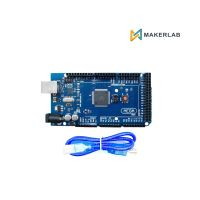
Mega 2560 R3 Board based on Arduino®
₱1,319.00
Buy on Lazada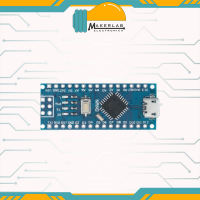
Arduino Nano ATmega328P CH340G CH340 Soldered Unsoldered
₱465.00
Buy on Lazada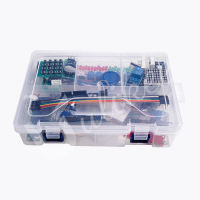
For Arduino UNO R3 RFID Starter Kit Upgraded Version Learning Suite LCD 1602With Retail Box
₱1,089.00₱2,999.00
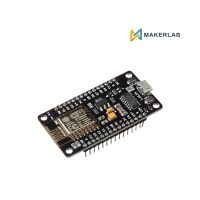
NodeMCU V3 ESP8266 ESP-12E Arduino CH340 WiFi Board
₱149.00
Buy on Lazada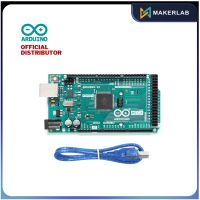
Arduino Mega 2560 R3 Italy | A000067
₱5,114.00
Buy on Lazada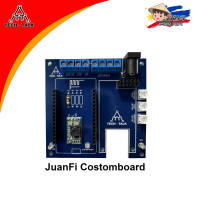
JUANFI CUSTOM BOARD
₱510.00
Buy on Lazada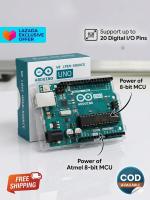
Arduino UNO R3 Genuine Original Development Board
₱1,799.00₱2,999.00
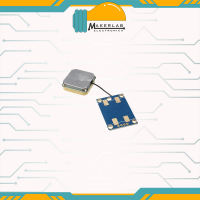
GY-NEO6MV2 NEO-6M Ublox | NEO-M8N Flight Controller GPS Module
₱299.00
Buy on LazadaAbout Arduino
Overview
Arduino is an open-source electronics platform that combines easy-to-use hardware and software, enabling anyone—from beginners and students to engineers and professional developers—to build interactive electronic projects. It is one of the world’s most influential platforms for embedded systems, robotics, Internet of Things (IoT), automation, and STEM education. Arduino’s mission is to make advanced technology accessible by lowering the barriers to electronics and programming. [1]
Today, Arduino is used in millions of educational institutions, research laboratories, maker communities, startups, and industrial environments around the world.
History
Arduino was created in 2005 at the Interaction Design Institute Ivrea (IDII) in Ivrea, Italy. The project began as an affordable and easy-to-use prototyping platform for design students who had little or no experience with electronics.
The original creators included:
-
Massimo Banzi
-
David Cuartielles
-
David Mellis
-
Tom Igoe
-
Gianluca Martino
The project was inspired by the earlier Wiring platform developed by Hernando Barragán, which demonstrated how accessible microcontroller programming could become for artists and designers. Arduino expanded on those ideas and rapidly grew into a worldwide open-source ecosystem. [2]
Mission
Arduino’s mission is:
To enable anyone to enhance their lives through accessible electronics and digital technologies.
The company focuses on democratizing electronics by providing affordable hardware, free software, and open-source resources that anyone can learn from and modify. [1]
Core Philosophy
Arduino is built around several key principles:
-
Open-source hardware
-
Open-source software
-
Easy learning curve
-
Community collaboration
-
Low-cost development
-
Cross-platform compatibility
-
Rapid prototyping
Because of these principles, Arduino has become one of the most popular educational electronics platforms in the world.
Products
Arduino develops a broad ecosystem of hardware and software.
Development Boards
Some of the most popular boards include:
-
Arduino Uno
-
Arduino Nano
-
Arduino Mega 2560
-
Arduino Leonardo
-
Arduino Due
-
Arduino Micro
-
Arduino Zero
-
Arduino Nano Every
-
Arduino Nano ESP32
-
Arduino GIGA R1 WiFi
-
Arduino Portenta Series
-
Arduino Nicla Series
-
Arduino MKR Series
Each board targets different applications ranging from education and hobby projects to industrial automation and AI.
Arduino IDE
The Arduino Integrated Development Environment (IDE) is free software used to write, compile, and upload programs to Arduino boards.
Features include:
-
Simple code editor
-
One-click upload
-
Built-in serial monitor
-
Library manager
-
Board manager
-
Cross-platform support (Windows, macOS, Linux)
Programming is primarily done in C/C++, using simplified libraries.
Arduino Cloud
Arduino Cloud allows users to:
-
Program boards online
-
Store projects
-
Monitor IoT devices
-
Build dashboards
-
Access devices remotely
-
Connect sensors through the internet
It supports many Wi-Fi-enabled Arduino boards.
Arduino Libraries
Thousands of free libraries simplify working with:
-
LCD displays
-
OLED screens
-
Sensors
-
Motors
-
Bluetooth
-
Wi-Fi
-
GPS
-
RFID
-
Servo motors
-
Cameras
These libraries reduce the amount of code users need to write.
Programming Language
Arduino programs are called Sketches.
They are written using:
-
C
-
C++
-
Arduino libraries
The typical program structure includes:
“` void setup() { }
void loop() { } “`
-
`setup()` runs once.
-
`loop()` repeats continuously while the board is powered.
Typical Applications
Arduino is widely used in:
-
Robotics
-
Smart homes
-
Home automation
-
Internet of Things (IoT)
-
Wearable electronics
-
Environmental monitoring
-
Weather stations
-
Agriculture
-
Industrial automation
-
Data logging
-
Medical prototypes
-
Educational laboratories
-
Art installations
-
Interactive exhibits
-
Drone development
-
3D printers
Hardware Features
Most Arduino boards include:
-
Microcontroller
-
Digital I/O pins
-
Analog input pins
-
PWM outputs
-
USB interface
-
Power regulator
-
Reset button
-
Serial communication
-
I²C support
-
SPI support
-
EEPROM (on some models)
-
Timers and interrupts
Why Arduino Became Popular
Several factors contributed to Arduino’s global success:
-
Beginner-friendly
-
Affordable hardware
-
Massive online community
-
Thousands of tutorials
-
Open-source ecosystem
-
Extensive documentation
-
Large library collection
-
Easy integration with sensors and modules
-
Platform independence
These qualities make it especially attractive for education and rapid prototyping. [1]
Education
Arduino is a leading platform in STEM education.
It is used to teach:
-
Programming
-
Electronics
-
Physics
-
Robotics
-
Engineering
-
Computer science
-
Internet of Things
-
Embedded systems
Many universities and schools incorporate Arduino into laboratory exercises and project-based learning because of its low cost and ease of use. [3]
Community
One of Arduino’s greatest strengths is its global community.
The ecosystem includes:
-
Millions of users
-
Open-source contributors
-
Community forums
-
Project Hub
-
GitHub repositories
-
Local maker groups
-
Hackathons
-
Maker Faires
Users regularly share open-source code, tutorials, and hardware designs.
Industries Using Arduino
Arduino technology is found in:
-
Education
-
Manufacturing
-
Research laboratories
-
Agriculture
-
Healthcare
-
Aerospace research
-
Smart cities
-
Automotive prototyping
-
Consumer electronics
-
Robotics startups
Although often associated with hobbyists, Arduino also offers professional-grade hardware and software for commercial and industrial applications. [1]
Advantages
-
Easy to learn
-
Low cost
-
Open source
-
Huge community
-
Cross-platform
-
Extensive documentation
-
Thousands of libraries
-
Excellent educational platform
-
Fast prototyping
-
Large hardware ecosystem
Limitations
-
Limited processing power on entry-level boards
-
Limited memory on classic models
-
Not ideal for high-performance computing
-
Some advanced applications require more powerful platforms
-
Real-time performance depends on hardware selection
Global Impact
Arduino has played a major role in expanding the global maker movement and has influenced how electronics and programming are taught. Its open-source model has enabled countless innovations, from student science projects to commercial products and scientific instruments. [1]
Brand Summary
| Category | Information |
|---|---|
| Brand Name | Arduino |
| Founded | 2005 |
| Origin | Ivrea, Italy |
| Industry | Open-source electronics, embedded systems, IoT, education |
| Headquarters | Italy |
| Products | Microcontroller boards, IDE, Cloud services, educational kits, industrial solutions |
| Programming Language | C/C++ (Arduino framework) |
| Target Users | Students, hobbyists, makers, educators, engineers, researchers, professionals |
| Mission | Make electronics and digital technology accessible to everyone |
| Core Values | Open source, accessibility, education, innovation, community |
Arduino remains one of the most recognizable and widely adopted brands in embedded electronics, valued for its accessible design, open ecosystem, and strong educational focus.