Shop on Lazada
Avent products
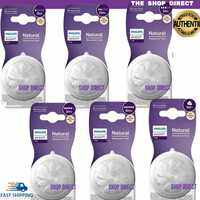
PHILIP AVENT NATURAL RESPONSE NIPPLES TEATS 0M 0M+ 1M+ . 3M+ 6M+ 9M+ / NEW BORN TO FAST LEVEL FLOW 1 TO 6 - PACK OF 2 PCS NIPPLE - AUTHENTIC
₱558.00₱688.00
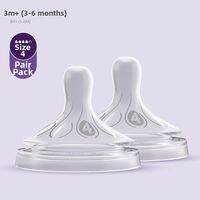
Avent | Anti-Colic Soft Silicone Teat for Bottle Feeding
₱1,129.00₱1,578.00
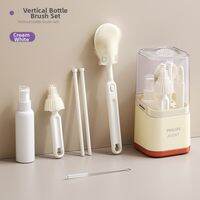
Avent | Newborn Infant Nipple No-Dead-Corner Portable Baby Bottle Brush
₱891.00₱2,271.00
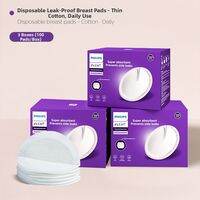
Avent | Breathable Leak-Proof Ultra-Thin Nursing Pads
₱2,609.00₱3,220.00
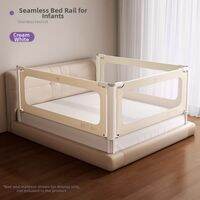
Avent | Baby Safety Guardrail For Fall Prevention
₱6,586.00₱18,501.00
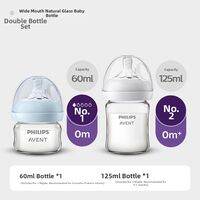
Avent | Anti-colic Wide-necked Baby Glass Bottle
₱2,958.00₱5,136.00
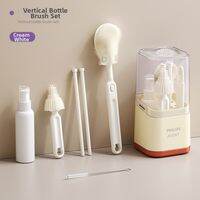
Avent | Newborn Infant Nipple No-Dead-Corner Portable Baby Bottle Brush
₱874.00₱2,229.00
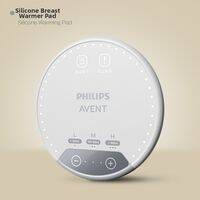
Avent | Portable Thermostat Baby Bottle Warmer
₱1,367.00₱1,676.00
About Avent
Philips Avent (often stylized as Philips AVENT) is a British-origin baby-care and mother-and-child-care brand owned by Philips. The brand is best known for products related to infant feeding, breastfeeding, baby soothing, sterilization, and early-childhood care. Established in the United Kingdom in 1984, it has evolved from a specialist baby-bottle manufacturer into a broad global mother-and-child-care brand.1
Overview
| Category | Information |
|---|---|
| Brand | Philips Avent |
| Former name | AVENT / Cannon Avent |
| Founded | 1984 |
| Origin | United Kingdom |
| Founder associated with the brand | Edward Atkin |
| Parent company | Philips |
| Industry | Baby care / Mother & Child Care |
| Main products | Baby bottles, teats, breast pumps, soothers, sterilizers, bottle warmers, toddler cups and related accessories |
| Primary market | Global |
| Brand positioning | Baby feeding, breastfeeding support, comfort and everyday childcare |
| Current owner | Philips |
Philips itself is a Netherlands-founded health-technology company whose modern corporate focus is healthcare, health technology, and personal well-being.1
History
Origins in 1984
The history of Avent began with Edward and Celia Atkin, who became parents in 1984. Finding conventional baby bottles inconvenient due to narrow openings and teats that were too long, hard, and thin, Edward Atkin set out to redesign the bottle based on the practical needs of babies and parents.3
A significant innovation was the introduction of a wide-neck bottle, which facilitated easier filling, cleaning, and handling. Drawing on experience in his family’s rubber-manufacturing business, Atkin also developed what Philips describes as the first teat made entirely from odourless and tasteless silicone.1 These innovations formed the foundation of the AVENT brand.
The design philosophy behind the original AVENT bottle focused on making the product easier for parents to use, creating a softer and more natural-feeling teat, improving feeding comfort, reducing issues associated with conventional designs, and addressing details affecting both baby and caregiver. This philosophy remains central to the brand’s positioning today.3
From AVENT to Philips Avent
AVENT initially operated as an independent British baby-care brand before becoming known as Cannon Avent. In 2006, Philips acquired Avent, integrating the baby-care business into the Philips portfolio and establishing the international brand name Philips Avent.2
This acquisition combined Avent’s specialist knowledge of infant feeding and childcare with Philips’ global distribution, engineering, research, and product-development capabilities. Today, Philips places Avent within its Mother & Child Care portfolio.1
Product Portfolio
Philips Avent has expanded significantly beyond its original baby bottles to include several major categories.1
Baby Bottles and Teats
Bottles and teats remain one of the brand’s most recognizable categories. Products include various designs and teat systems intended to support different stages of infant feeding, ranging from breastfeeding-to-bottle transitions to anti-colic systems, ease of cleaning, and ergonomic handling.
Breast Pumps and Breastfeeding Products
Philips Avent produces electric and manual breast pumps, pumping accessories, spare parts, and milk-storage solutions. The brand has historically positioned these products to make breastfeeding and expressing milk more convenient for mothers and caregivers.1
Soothers and Pacifiers
The brand manufactures baby soothers designed for infant comfort, marketed as part of a broader approach to helping babies settle and sleep.3
Sterilizers
Philips Avent produces electric steam sterilizers and other sterilization solutions for baby-feeding equipment. The electric steam sterilizer is cited as one of the brand’s historical product innovations.3
Bottle Warmers
Bottle warmers are designed to facilitate the convenient preparation of milk feeds.
Toddler Cups
For children transitioning beyond bottles, Philips Avent offers sippy cups and other drinking products intended for toddlers.3
Baby Food and Tableware
The portfolio extends to food preparation tools and tableware for babies and young children.
Baby Monitors and Thermometers
In select markets, Philips Avent offers baby monitors and thermometers, extending the brand’s scope from feeding to broader infant care.3
Product Philosophy and Technology
Inspired by Nature
A central concept behind Philips Avent is being “inspired by nature.” The company states that it develops products by studying babies’ feeding behavior and consulting mothers and healthcare professionals.3 This approach is evident in bottle and teat designs that aim to be broader and more breast-like, with flexibility intended to support natural-feeling feeding. Development of the Natural bottle, for instance, was influenced by research into infant suckling.4
The underlying design philosophy combines natural feeding, ergonomic design, scientific research, and parental convenience.
Anti-Colic Technology
A key area of development has been venting and anti-colic bottle technology. The concept involves allowing air to enter the bottle through a valve rather than encouraging the baby to swallow excessive air during feeding. Philips states that the original Avent bottle introduced an anti-colic venting system in 1984, with subsequent designs continuing to evolve this technology.1 Later models, such as the Natural bottle, incorporated twin-valve systems designed to vent air into the bottle during feeding.4
Products marketed as “anti-colic” are engineered to help reduce air ingestion and feeding-related discomfort but are not presented as a treatment for all causes of infant colic.
Major Historical Innovations
Philips identifies several milestones in Avent’s history, including:
- The original wide-neck AVENT bottle
- Silicone bottle teats
- Anti-colic bottle technology
- Electric steam sterilization
- Manual breast pumps
- The Niplette, a non-surgical product designed for inverted nipples3
The AVENT Classic bottle is described as the first feeding bottle with clinically studied colic-reducing properties, while the manual breast pump is cited as an early example of a pump designed to offer performance comparable to electric models.3
Brand Identity and Positioning
Core Identity
The brand’s identity centers on trust, science, practicality, and natural feeding. Rather than positioning itself solely as a children’s-products company, Philips Avent presents itself as a partner for parents throughout early child development.
Current messaging emphasizes “Share the Care,” promoting the idea that childcare need not be the sole responsibility of one caregiver. Bottles, breast pumps, and other products are presented as tools enabling partners and family members to participate in care.1 This represents a broader positioning than the original Avent brand, which was primarily associated with feeding bottles.
Target Customers
Philips Avent targets several distinct groups:
- Expectant parents: Individuals preparing for childbirth and researching essentials like bottles and breast pumps.
- Breastfeeding mothers: Mothers who express breast milk, targeted with pumps, storage products, and compatible bottles.
- Parents using formula: Families utilizing bottles, teats, sterilizers, and warmers for formula feeding.
- Combination-feeding families: Parents requiring products that function across both breastfeeding and bottle feeding.
- Parents of toddlers: Caregivers transitioning children to sippy cups and tableware.
- Other caregivers: Fathers, partners, grandparents, and others included in the Share the Care positioning.3
Market Positioning
| Dimension | Philips Avent Positioning |
|---|---|
| Price | Mid-range to premium, depending on product |
| Core promise | Easier, more comfortable baby care |
| Main strength | Feeding and breastfeeding |
| Brand personality | Caring, trustworthy, scientific, practical |
| Heritage | British |
| Corporate backing | Philips |
| Key differentiator | Long history in infant feeding |
| Primary users | Babies, mothers and caregivers |
| Major competitors | Tommee Tippee, Dr. Brown’s, MAM, NUK, Medela and others |
Competitive landscapes vary significantly by country and product category.
Global Presence and Manufacturing
Although Avent originated in Britain, it is now an international brand distributed across numerous markets. Philips describes Avent as a global mother-and-child-care brand, with product portfolios offered through Philips websites in markets including the UK, United States, India, and Malaysia.1
Despite its global reach, the brand retains its British heritage. Philips states that Avent was established in the UK in 1984. Historically, bottles, soothers, teats, and manual breast pumps were manufactured in the UK, with electronic breast pumps assembled there.3 Older materials also highlighted manufacturing at the facility in Glemsford, Suffolk. While Avent is British in origin, Philips Avent operates today as a global brand within the Philips ecosystem.3
Relationship with Philips
Philips Avent is no longer an independent company; it operates as a brand under Philips. Founded in Eindhoven, Netherlands, in 1891, Philips historically operated across many consumer-electronics categories but has transformed into a focused health-technology company.1 Avent aligns with Philips’ broader interest in health and well-being, specifically regarding mothers, infants, and caregivers.
Reputation and Recognition
Philips Avent has built its reputation through its long history in infant feeding and its association with Philips. The company states that Avent has sold more than 100 million feeding bottles since 1984 and describes the brand as highly recognized internationally. These figures represent company claims rather than independent market-share measurements.3
The brand also highlights product awards and recommendations from parenting publications and mothers. When evaluating such claims, it is important to distinguish between independently conducted clinical evidence, consumer surveys, editorial awards, and marketing claims, as they constitute different forms of validation.
Sustainability, Safety, and Lifecycle
Sustainability
As part of Philips, Avent is connected to the parent company’s sustainability strategy. Philips aims to reduce environmental impact by encouraging the replacement of individual parts rather than entire products where applicable. Avent materials promote spare parts and accessories, which is relevant for components like bottle teats, valves, breast-pump parts, seals, and bottle accessories that may wear out before the main product.3
Safety
Safety is central to Avent’s positioning given its infant user base. Philips states that products are developed around safety requirements and provides model-specific instructions, manuals, and replacement-part information.3 Parents are advised to follow instructions for their specific model, as designs for bottles, teats, sterilizers, and breast pumps can differ substantially between generations. Claims such as “BPA-free” or “anti-colic” refer to particular specifications and should not be assumed to apply universally to every historical product.
Evolution of the Brand
Avent’s development spans several distinct stages:
- 1984 — Foundation: Launch of the redesigned baby bottle and silicone teat in Britain.3
- 1980s–1990s — Feeding specialist: Establishment of reputation around bottles, teats, and infant feeding.
- 1990s–2000s — Expansion: Growth into sterilization, breast pumps, and other mother-and-baby products.
- 2006 — Philips acquisition: Creation of the Philips Avent brand following acquisition.2
- 2010s — Product-system development: Integration of breast pumps, bottles, teats, and accessories into connected systems.
- 2020s — Broader caregiver positioning: Shift toward a mother-and-child-care brand identity supporting both mothers and other caregivers.1
- Today: Portfolio spanning breastfeeding, bottles, soothers, sterilization, bottle warming, toddler drinking products, food/tableware, and selected monitoring products.3
Distinctive Characteristics
Five key characteristics define the brand:
- Long history: Developing infant-feeding products since 1984, providing over four decades of experience.3
- Strong bottle heritage: Identity rooted in solving specific problems with baby bottle design.
- Feeding-system approach: Products designed to work together across different feeding situations.
- Philips technology and research: Access to engineering, research, and design capabilities of the parent company.
- Parent-centered design: Emphasis on details such as shape, softness, ergonomics, cleaning, and convenience that impact everyday childcare.3
Overall Assessment
Philips Avent is one of the long-established names in the global baby-feeding market. Its origins were uniquely focused on making baby bottles and teats more practical and baby-friendly in 1984. Over four decades, this concept expanded into a comprehensive ecosystem covering breastfeeding, bottle feeding, sterilization, soothing, and toddler care.1
The brand’s primary asset is its heritage combined with a broad product ecosystem. While it is now a global mother-and-child-care brand, its strongest association remains feeding—particularly bottles, teats, and breast pumps.