Shop on Lazada
Babysoy products
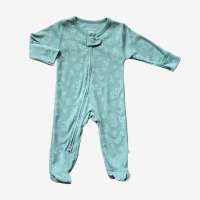
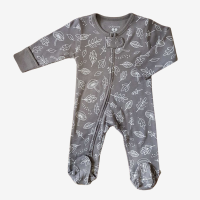
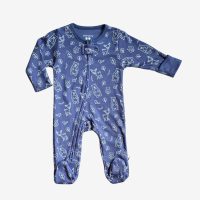
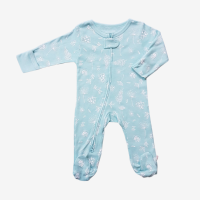
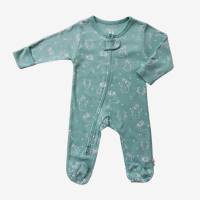
About Babysoy
Overview
| Brand | Babysoy |
| Industry | Baby & children’s apparel |
| Main products | Baby layettes, bodysuits, footies, rompers, pyjamas, dresses, accessories, blankets |
| Known for | Soy-based Azlon fibre, exceptionally soft fabrics, eco-conscious babywear |
| Founders | David Lin and Amy Liang |
| Origin | United States |
| Core market | Babies, toddlers and young children |
| Brand positioning | Sustainable, comfortable, modern and accessible baby clothing |
| Website | babysoyusa.com |
Babysoy is an American baby and children’s clothing brand best known for combining soft, modern babywear with sustainable textile materials, particularly Azlon, a fibre derived from soybean protein. The brand positions itself around three core ideas: sustainability, comfort and family-oriented design.1
While Babysoy’s own storytelling emphasises a two-founder origin without always naming them, industry sources identify the founders as David Lin and designer Amy Liang.23
History
Babysoy traces its origins to a meeting between two longtime friends who were each navigating different personal challenges. One had discovered Azlon soy protein fibre and sought to build a business around the material, while the other, a graphic designer and new mother, was searching for simple, modern baby clothing made with environmentally conscious materials.
According to the brand, their concepts aligned after they met to see the designer’s newborn daughter, and Babysoy was established approximately six months later.2 This early concept was distinctive within the baby-clothing market; rather than treating sustainability as an add-on feature, Babysoy integrated eco-conscious fabric technology into its core identity.
Industry publications identify the founders as David Lin and Amy Liang, noting that Liang contributed her experience as both a designer and a mother to shape the product aesthetic.3
Azlon and material composition
Babysoy is closely associated with Azlon, a textile fibre manufactured using soybean by-products such as leftover pulp from tofu and soya milk production. The brand presents this process as a means of utilising renewable or recycled material instead of discarding soybean residue.1
The company describes its soy-based textile as possessing several key characteristics:
- A very soft, smooth hand feel
- Lightweight construction
- Breathability
- Durability
- Shape retention
- Comfort against sensitive skin
Babysoy frequently blends Azlon with other fibres, most notably organic cotton. Certain products, such as kimono bodysuits, utilise a 50/50 blend of lightweight organic cotton and Azlon from soy.2
It is important to note that “soy fabric” in this context does not refer to yarn spun directly from whole soybeans. Azlon is a manufactured protein-based fibre derived from soybean material, specifically pulp and by-products. Consequently, Babysoy’s sustainability proposition is best understood as the incorporation of a soy-derived textile fibre alongside recycled and organic materials, rather than garments composed entirely of soy.1
Product philosophy and range
Babysoy aims to simplify what it terms the “art of dressing kids” by prioritising everyday essentials over elaborate fashion. The brand focuses on versatile pieces designed for repeated use.
Collections typically encompass:
- Baby layettes
- Bodysuits and onesies
- Kimono-style clothing
- Rompers
- Footies
- Pyjamas and lounge sets
- Dresses
- Trousers
- Sleep sacks and bundlers
- Socks and beanies
- Bibs and accessories
- Security blankets
- Plush toys
- Gift sets
In the Philippine market, the assortment is often categorised into Footies, Baby Layettes, Onesies, Modern Bodysuits, Shoulder Dresses, Accessories, Sleep Sacks, Rompers and pyjama sets.2
Design aesthetic
A defining characteristic of Babysoy is its minimal, contemporary aesthetic. Rather than relying exclusively on traditional pastel palettes, the brand employs clean silhouettes, gender-neutral designs, simple patterns and nature-inspired illustrations. Colourways tend towards soft, muted or modern tones, complemented by functional closures and uncomplicated shapes.
This approach creates a style that bridges traditional babywear and contemporary lifestyle clothing, operating on the philosophy that infant apparel can be practical, attractive and environmentally conscious simultaneously.
Comfort and functionality
Practicality for parents is central to the brand’s design ethos. Products commonly feature tagless labels, easy-access openings, kimono constructions, snaps and zippers. Hardware is nickel-free YKK and meets Oeko-Tex Standard 100 requirements.1
Select newborn items incorporate reversible mitten cuffs to prevent accidental scratching.2 Furthermore, garments are designed for standard machine washing and low-temperature tumble drying, reflecting their intended use as frequent-wear essentials.1
Sustainability and manufacturing
Sustainability forms the cornerstone of Babysoy’s identity. Beyond the use of Azlon fibre, the company incorporates organic cotton, recycled paper hang tags, soy-based printing ink and reused packaging materials. Shipping cartons are also repurposed where possible as part of a broader effort to reduce carbon footprint. The stated philosophy adheres to principles of “reduce, reuse, recycle.”1
Garments are not treated with fire-retardant chemicals, and dyes are produced without AZO compounds or heavy metals.1
Manufacturing standards
Since 2005, Babysoy has partnered with a family-run factory in rural Shanghai, China. The company states that it regularly visits the facility to ensure fair treatment of artisans. This connection between environmental responsibility and ethical manufacturing distinguishes the brand from those treating sustainability solely as a material concern.1
Awards and recognition
Babysoy products have received multiple parenting and children’s product awards, including:
- Parent Tested Parent Approved Award
- iParent Media Award
- Mom’s Choice Award
- Baby Planner Seal of Approval
The brand has also been worn by children of celebrities such as Brooke Shields, Jennifer Garner, Halle Berry, Ming-Na Wen and Jenna Elfman, reinforcing its positioning as a premium yet accessible alternative to conventional basics.2
Collaboration with the Jane Goodall Institute
Babysoy collaborated with the Jane Goodall Institute on the “Babysoy x Janey Baby” collection, which focused on environmental conservation and endangered animals. The partnership combined Babysoy’s sustainable manufacturing and Azlon fibre with the Institute’s conservation mission, featuring artwork by cartoonist and animal advocate Patrick McDonnell.1
This collaboration exemplifies the brand’s narrative that baby products, environmental responsibility and education are interconnected themes.
Presence in the Philippines
Babysoy maintains a significant presence in the Philippine market through Babysoy Philippines and retailers such as Rustan’s.4 Local offerings include zipper footies, kimono onesies, rompers, dresses, beanies, blankets, layette sets and loungewear.
Philippine retail listings position Babysoy as an eco-friendly, ultra-soft babywear brand centred on Azlon soy fabric and modern design.4
Brand positioning and target customer
Babysoy occupies the intersection of baby essentials, sustainable fashion, premium comfort and modern design. Its competitive proposition is defined as soft, functional essentials made with environmentally conscious materials.
This distinguishes the brand from traditional babywear through its sustainability focus; from mass-market options via specialty fabrics; from luxury brands through accessible pricing; and from pure eco-fashion labels through its emphasis on daily practicality.
The ideal customer is an eco-conscious parent seeking soft, gender-neutral, durable clothing that does not compromise on aesthetics. The product philosophy supports building a capsule wardrobe of comfortable essentials rather than statement fashion, aiming to provide must-have pieces for a child’s first wardrobe.2