Shop on Lazada
Bamberry Baby products
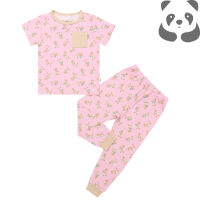
Bamberry Baby Short Sleeves Pajama Set Woodland Friends Collection- Bamboo Fabric
₱1,299.00
Buy on Lazada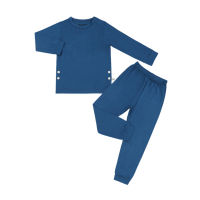
Bamberry Baby Long Sleeves Pajama Set Solid Collection- Bamboo Fabric
₱1,299.00
Buy on Lazada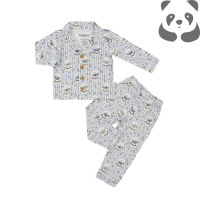
Bamberry Baby Long Sleeves Button Down Pajama Set Year of the Horse Collections- Bamboo Fabric
₱1,399.00
Buy on Lazada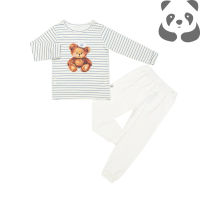
Bamberry Baby Long Sleeves Pajama Set White Bear - Bamboo Fabric
₱1,299.00
Buy on Lazada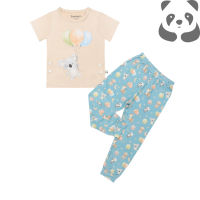
Bamberry Baby Short Sleeves Pajama Set Up Up And Away Collection - Bamboo Fabric
₱1,299.00
Buy on Lazada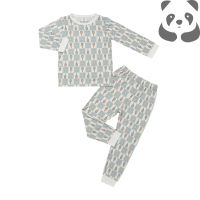
Bamberry Baby Long Sleeves Pajama Set Move 2.0 Collection- Bamboo Fabric
₱1,299.00
Buy on LazadaBamberry Baby Long Sleeves Button Down Pajama Set Blue Horse - Bamboo Fabric
₱1,399.00
Buy on Lazada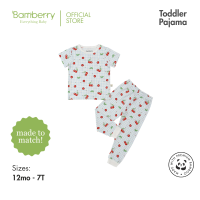
Bamberry Baby Short Sleeves Pajama Set - Cherries - Bamboo Fabric
₱1,299.00
Buy on LazadaAbout Bamberry Baby
Bamberry Baby is a Philippine-founded boutique brand specializing in clothing and lifestyle essentials for babies, toddlers, children, and mothers. Established in 2018, the brand positions itself around a combination of comfort, sustainability, functionality, and contemporary design, with organic bamboo fabric as a defining material across much of its product range.1
Its product philosophy centers on creating baby clothing that is soft and practical enough for everyday use while remaining visually appealing for photographs, milestones, gifting, and family life. The company describes itself as a “one-stop boutique” for Mommy and Baby products.1
Overview
| Category | Details |
|---|---|
| Brand | Bamberry Baby |
| Founded | 2018 |
| Origin/market | Philippines |
| Industry | Baby, children’s & family apparel |
| Core material | Organic bamboo fabric |
| Main products | Rompers, pajamas, sleepwear, swaddles, blankets, sleep sacks, dresses, accessories |
| Customer segments | Babies, toddlers, children, mothers/parents |
| Brand positioning | Premium, comfortable, sustainable baby & family essentials |
| Official website | bamberrybaby.com |
| Retail presence | Direct-to-consumer website plus Philippine retail/e-commerce partners |
The brand’s Philippine trademark filing identifies Bamberry Company [PH] as the applicant and lists baby clothes, baby layettes, and baby bunting under Class 25. The filing was made in February 2022.2
History
Bamberry Baby was established in 2018 with the goal of creating baby clothing that was simultaneously cute, comfortable, sustainable, and premium in quality. According to the company, the brand was conceived as a boutique for mothers and babies rather than simply a children’s clothing label.1
The name “Bamberry” is connected to the brand’s use of bamboo. The Nest, one of its retail partners, describes the name as being inspired by “Bamboo,” with the brand’s design philosophy emphasizing simplicity, flexibility, and beauty.3
Over time, Bamberry expanded beyond basic infant clothing into a broader lifestyle assortment encompassing sleepwear, children’s apparel, mommy pieces, swaddles, blankets, sleep sacks, crib sheets, accessories, and coordinated family products. Its current catalog also includes adult pajamas, allowing parents and children to participate in coordinated collections.1
Brand philosophy
Bamberry’s philosophy can broadly be summarized as “softness + functionality + style + sustainability.” The company states its objective is to create pieces suitable for baby milestones, everyday wear, and picture-perfect moments, while avoiding a trade-off between aesthetics and practicality.1
Three core concepts define the brand:
Comfort
Softness is central to Bamberry’s identity. Its products frequently use a 95% bamboo / 5% spandex composition, giving the garments a combination of softness, breathability, and stretch. For example, the brand’s infant rompers are listed with this specific material blend.4
Growth and flexibility
Many Bamberry garments are designed with growing children in mind. Stretchy fabrics and flexible designs are intended to allow garments to remain useful as babies grow, reinforced by the company’s “Grow with Bamberry” concept.1 This approach addresses a common concern in baby clothing where conventional newborn garments often have a short useful lifespan.
Sustainability
Bamboo serves as the brand’s principal sustainability narrative. Bamberry describes its bamboo fabric as organic and sustainable, emphasizing its softness and suitability for babies.1 However, it is noted that “bamboo fabric” does not automatically imply environmental superiority in every aspect of production; impact depends on sourcing, processing methods, dyes, manufacturing, and supply chain. While public materials highlight the advantages of the chosen material, they do not provide a comprehensive lifecycle assessment.
Materials and construction
A significant portion of Bamberry Baby’s apparel uses a 95% bamboo and 5% spandex blend. This combination provides a soft hand feel while adding stretch and recovery.4 The brand promotes bamboo for its softness, breathability, stretch, comfort for babies, suitability for sensitive skin, and lightweight nature for everyday wear.
Certain designs incorporate practical features specific to infant care. For instance, the Zippered Romper includes built-in fold-over sleeves, and the zipper construction facilitates diaper changes.4
Product categories
Bamberry has developed a broad product ecosystem rather than concentrating exclusively on newborn onesies.
Baby clothing
The baby collection includes zippered rompers, footed rompers, button-down rompers, kimono pajama sets, long-sleeve pajamas, short-sleeve pajamas, dresses, and seasonal clothing. Current examples include the Halo Halo, Tennis 2.0, Pawikan, Matcha, Cherries, Pink Bunny, and Blue Bunny collections.1
Toddler and children’s sleepwear
As children grow, Bamberry extends its product range into toddler and children’s pajamas. Products are offered in sizes extending well beyond infancy, with some pajama sets available through approximately the early school years.5 This supports the brand’s positioning as a partner throughout a child’s growth rather than solely a provider of newborn clothes.
Sleep products
The brand sells products designed specifically around sleep, including sleep sacks, swaddles, blankets, crib sheets, pajamas, and footed sleepwear. The current catalog lists 0.5 TOG sleep sacks in several colors alongside bamboo swaddles and crib sheets.1
Mommy products
Bamberry extends its aesthetic to mothers with adult pajama sets and robes. This allows the brand to market coordinated parent-and-child experiences rather than treating baby clothing as an isolated category.4
Accessories and gifting
The catalog includes accessories and gift-oriented bundles, aligning with the brand’s positioning as a baby-and-mom boutique relevant for baby showers, newborn gifts, and milestone occasions.1
Design language
Bamberry’s visual identity is strongly associated with soft colors, playful prints, and lifestyle-oriented patterns. Rather than relying solely on generic pastel baby clothing, the brand frequently develops themed collections such as Halo Halo, Tennis 2.0, Pawikan, Cherry, Matcha, Safari, Ballet, Golf, Pickleball, Horse, and Bunny.1
This creates a recognizable “lifestyle babywear” character where products are designed to be functional while also photographing well and communicating a particular family aesthetic.
Signature product: the bamboo romper
One of Bamberry’s most recognizable products is its bamboo romper. The design combines characteristics useful for newborns, including soft stretchy fabric, full-body coverage, easy diaper access, fold-over cuffs on select designs, footed options, and multiple prints and colors.
Rustan’s, a retail partner, lists the Zippered Romper at ₱1,199 and specifies a 95% bamboo / 5% spandex material composition.4 The product has received attention from Philippine parenting media; Smart Parenting Philippines reported that celebrity content creator Kryz Uy used Bamberry’s footed romper for her newborn, highlighting its breathable and stretchable fabric.
Pricing and market positioning
Bamberry occupies a mid-to-premium segment of the Philippine babywear market rather than competing primarily on low prices. Current pricing examples on the brand’s website and retail partners include:
- Baby rompers: around ₱1,199
- Pajama sets: around ₱1,299
- Sleep sacks: around ₱1,399
- Adult pajama sets: around ₱2,199–₱2,499
- Mommy robes: around ₱1,9504
Prices may vary by collection, promotion, and retailer. The positioning aligns closer to premium everyday baby essentials and giftable babywear than mass-market children’s clothing.
Retail and distribution
Bamberry operates through its own online store and a network of Philippine retail and e-commerce partners. Listed retail partners include The Nest: Attachment Parenting Hub, Baby Hub Philippines, Edamama, Lazada, and Shopee.1 It is also sold through Rustan’s, a major Philippine department-store and retail group that carries a dedicated Bamberry Baby assortment.4
The brand utilizes a combination of direct-to-consumer e-commerce, specialty baby retailers, marketplaces, and department-store distribution.
International presence
Bamberry has developed a Singapore-facing online presence through Bamberry Baby SG. The Singapore site carries the same general concept of bamboo-based baby, toddler, and family sleepwear, featuring collections such as Bao Bao, Move, Cozy Bear, and Safari.6 This indicates ambitions extending beyond the Philippine market, although its Philippine identity remains prominent.
Brand identity
Bamberry’s positioning sits at the intersection of babywear, sleepwear, sustainable materials, and lifestyle branding. While traditional brands may emphasize practicality, fashion brands focus on appearance, and sustainable brands highlight environmental values, Bamberry attempts to combine all three. Comfort and bamboo fabric serve as the functional foundation, while prints and collections provide the lifestyle component.
Marketing targets modern parents seeking products that are comfortable for daily use, attractive for photographs, practical for sleep and diaper changes, made from gentler materials, suitable for gifting, and available in coordinated parent-and-child styles.
Customer experience and brand community
The brand’s website features customer testimonials emphasizing softness, comfort, cute designs, and suitability for babies with sensitive skin. These testimonials represent customer opinions rather than independent medical evidence but illustrate the attributes associated with the brand.1
The recurring phrase #GROWWITHBAMBERRY reflects an effort to position the brand as part of a longer-term parenting journey rather than a one-time newborn purchase.1
Shipping
Bamberry’s Philippine website currently lists domestic shipping at ₱130 for Metro Manila and ₱160 for provincial destinations, with free Philippine shipping for orders of ₱3,500 or more. International DHL shipping is also listed.1 Policies are subject to change, and the brand’s official shipping page should be consulted for current rates.
Differentiation in the Philippine market
Several characteristics distinguish Bamberry Baby within the local market:
- Bamboo-centered identity: Bamboo is central to the brand’s identity and marketing, not merely one fabric option among many.
- Combination of baby and mommy products: The range extends beyond infant clothing to include products for mothers and coordinated family wear.
- Growth-oriented design: Stretch and adaptable designs address the rapid growth of babies.
- Fashion-forward prints: Collections such as Tennis, Golf, Pickleball, Halo Halo, and Pawikan provide a distinctive visual identity compared to generic basics.
- Premium-gifting orientation: Presentation, prints, and bundles make products suitable for baby showers and gifts.
- Philippine retail ecosystem: Distribution is established through recognizable local retailers and marketplaces.1
Strengths and limitations
From a brand-analysis perspective, Bamberry Baby’s primary assets are its clear material story, recognizable aesthetic, and focused target market. The bamboo proposition offers a distinct reason for consideration, while designs prevent products from feeling purely utilitarian. Expansion into toddler, children’s, and adult sleepwear creates opportunities for repeat purchases and family matching. Visibility has been achieved through Philippine parenting and retail channels, including Rustan’s and Edamama.4
Consumers should consider several points critically. First, bamboo clothing is not synonymous with environmental perfection; sustainability depends heavily on fiber processing and manufacturing. Second, claims such as “hypoallergenic” or suitability for sensitive skin are positioning claims, not medical guarantees, as individual reactions to fabrics and dyes vary. Third, premium bamboo babywear is considerably more expensive than ordinary cotton alternatives, reflecting material, design, and brand positioning rather than affordability.
References
- About us – Bamberry Baby
- Intellectual Property Center, 28 Upper McKinley Rd.
- Bamberry Baby – The Nest:Attachment Parenting Hub
- Bamberry Baby Zippered Romper | Rustan’s
- Bamberry Baby Long Sleeves Pajama Set (Bear) | edamama
- Bamberry Baby – Kids, Toddler & Adult Sleepwear Pajamas PJs – Bamberry Baby SG