Shop on Lazada
Bausch + Lomb products
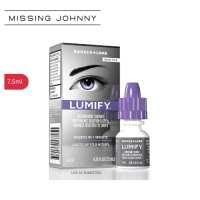
ON-HAND! LUMIFY Redness Reliever Eye Drops 7.5ml
₱1,795.00
Buy on Lazada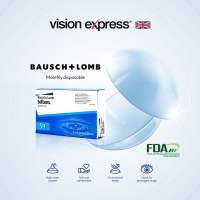
Vision Express Bausch & Lomb Soflens59 Clear Graded Contact Lenses (-0.00 to -9.00)
₱2,195.00
Buy on Lazada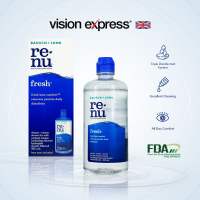
Bausch & Lomb Renu Contact Lens Solution 355ml
₱399.00
Buy on Lazada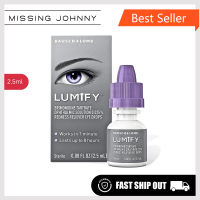
ON-HAND! LUMIFY Redness Reliever Eye Drops 2.5ml
₱1,195.00
Buy on Lazada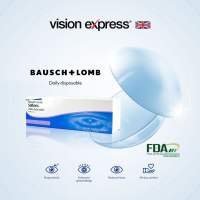
Vision Express Bausch & Lomb Soflens Daily Disposable Clear Graded Contact Lenses
₱1,895.00
Buy on Lazada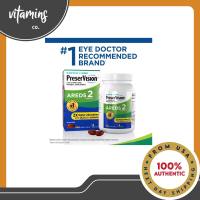
Preservision AREDS 2 Formula Eye Vitamins 120 Softgels (Minigels)
₱3,120.00
Buy on Lazada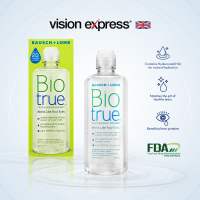
Vision Express Bausch & Lomb Biotrue Contact Lens Solution 300ml
₱429.00
Buy on Lazada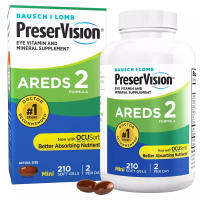
CYC PreserVision® AREDS 2 Eye Vitamin & Mineral Supplement 210 Soft Gels for Healthy Eye Sight
₱3,599.00₱3,999.00
About Bausch + Lomb
Bausch + Lomb is a leading global eye-health company with origins dating back to 1853 in Rochester, New York. It is widely recognised for its extensive portfolio spanning contact lenses, contact-lens care solutions, ophthalmic pharmaceuticals, over-the-counter eye-care products, intraocular lenses and ophthalmic surgical equipment. The company’s stated mission is “helping you see better to live better.”1
As of 2026, the entity operates as Bausch + Lomb Corporation, a publicly listed eye-health firm majority-owned by Bausch Health Companies Inc. As of 11 February 2026, Bausch Health held approximately 88% of Bausch + Lomb’s common shares.2
Quick facts
| Category | Information |
|---|---|
| Name | Bausch + Lomb |
| Founded | 1853 |
| Founders | John Jacob Bausch and Henry Lomb |
| Original location | Rochester, New York, United States |
| Industry | Eye health / healthcare / medical devices / pharmaceuticals |
| Main focus | Vision care and ophthalmology |
| Major businesses | Vision Care, Pharmaceuticals, Surgical |
| Products | Contact lenses, lens-care products, eye drops, eye medicines, vitamins, intraocular lenses, surgical equipment |
| Global reach | Approximately 100 countries |
| Employees | Approximately 13,000 |
| Parent/controlling shareholder | Bausch Health Companies Inc. |
| Heritage | Nearly two centuries of optical and eye-health innovation |
| Mission | Helping people see better to live better |
Recent corporate filings indicate that Bausch + Lomb employs approximately 13,000 people, maintains operations in roughly 100 countries and offers a portfolio comprising about 400 products.3
Origins and early history
The company’s history began in 1853 when German immigrant John Jacob Bausch established a small optical goods shop in Rochester, New York. Seeking capital to expand the enterprise, Bausch borrowed approximately $60 from his friend Henry Lomb, promising him a partnership if the business succeeded. The venture prospered, and this partnership ultimately formed the foundation of Bausch + Lomb.4
Initially focused on optical goods, the firm gained recognition for manufacturing precision optical equipment. A significant early innovation was the development of vulcanite eyeglass frames during the 1860s, which facilitated subsequent expansion into microscopes, binoculars, camera optics and other optical technologies.5
Evolution into a global eye-health company
The development of Bausch + Lomb can be categorised into distinct historical phases.
Optical manufacturing (1850s–1900s)
Moving beyond simple eyeglass frames, the company began producing increasingly sophisticated instruments. By the late 19th century, its manufacturing output included eyeglass frames, microscopes, binoculars, telescopes, camera-related optical components and various precision instruments. Microscope production commenced in 1875.6
Scientific and military optics (early 20th century)
Throughout the 20th century, Bausch + Lomb became deeply involved in advanced optical technology, including military optical products, photographic lenses and cinema-related optics. Its lenses contributed to significant developments in photography and space imaging; notably, historical records indicate that Super Baltar lenses were utilised in cameras that captured early images of the Moon’s surface.78
Association with Ray-Ban
A prominent chapter in the company’s history involves Ray-Ban. In the 1930s, Bausch + Lomb manufactured the original Ray-Ban aviator goggles for military pilots, which later evolved into a major consumer eyewear brand.9 However, Ray-Ban is no longer owned by Bausch + Lomb. Consequently, the association represents a historical aspect of the company’s heritage rather than a current component of its product portfolio.
Contact lens innovation
A pivotal contribution to modern eye care was the company’s entry into the contact lens market. In 1971, Bausch + Lomb introduced SofLens, described as the first mass-produced soft contact lens in the United States. This innovation helped transition soft contact lenses from a specialised niche to a mainstream vision correction solution.10
The company subsequently developed products catering to diverse wearer needs, including daily disposable lenses, monthly replacement lenses, silicone-hydrogel lenses, toric lenses for astigmatism, multifocal lenses for presbyopia and specialty contact lenses. Today, contact lenses remain one of the most recognisable segments of the Bausch + Lomb business.
Lens care solutions
Bausch + Lomb also established a significant presence in contact-lens care. In 1987, it launched ReNu, a prominent multipurpose solution brand.11 The portfolio later expanded to include the Biotrue brand, which encompasses both lens-care products and contact lenses, as well as the Boston brand, which is particularly associated with rigid gas-permeable contact lens care.
This comprehensive range allows the company to address the entire contact lens ecosystem, covering cleaning, disinfection, storage, replacement and ocular comfort.
Pharmaceutical expansion
Beyond optical products, Bausch + Lomb gradually expanded into ophthalmic pharmaceuticals. Through acquisitions beginning in the 1980s and subsequent internal development, the company built a portfolio addressing various ocular conditions.12 Current pharmaceutical focus areas include dry eye, glaucoma, ocular inflammation, retinal diseases, eye infections, post-operative care and other ophthalmic conditions. The portfolio comprises both prescription medicines and over-the-counter products,13 with notable brands including LOTEMAX, Alrex, Ocuvite and PreserVision.14
Surgical ophthalmology
Eye surgery constitutes another major pillar of the modern Bausch + Lomb business. Established in the 1990s through acquisitions such as Chiron Vision and Storz Ophthalmics, this segment expanded the company’s capabilities in cataract, refractive and vitreoretinal surgery.15
Intraocular lenses
These implants are primarily used during cataract surgery. Brands within this category have included enVista, Crystalens, SofPort, Akreos and TRULIGN.
Surgical equipment
The company manufactures equipment and systems for ophthalmic surgeons, including phacoemulsification systems, vitreoretinal surgical equipment, surgical instruments, delivery systems and other related technologies. Surgical is currently designated as one of the company’s three principal business segments.16
Business segments
Contemporary Bausch + Lomb operations are organised into three primary segments.
Vision Care
This consumer-facing segment includes contact lenses, contact-lens solutions, eye drops, over-the-counter eye-care products, and eye vitamins and supplements. Key brands include Bausch + Lomb ULTRA, INFUSE, Biotrue ONEday, PureVision and SofLens, alongside lens-care brands such as Biotrue, ReNu and Boston.
Pharmaceuticals
This segment focuses on proprietary and generic medicines for conditions including dry eye, glaucoma, ocular hypertension, inflammation, retinal diseases, eye infections and post-surgical treatment.17
Surgical
Serving ophthalmologists, hospitals and surgical centres, this segment provides technologies and products for procedures involving the cornea, vitreous, retina and cataracts. The portfolio encompasses intraocular lenses, surgical equipment, instruments and other medical devices.18
Major brands
The Bausch + Lomb portfolio is extensive and subject to change as products are launched, acquired or divested. Prominent brands include:19
- Contact lenses: Bausch + Lomb ULTRA, Bausch + Lomb INFUSE, Biotrue ONEday, PureVision, SofLens
- Lens care: Biotrue, ReNu, Boston
- Consumer eye care: Ocuvite, PreserVision, various OTC eye drops
- Pharmaceuticals: LOTEMAX, Alrex, other prescription ophthalmic medicines
- Surgical: enVista, Crystalens, Akreos, SofPort, Stellaris, Millennium, Storz, VICTUS
Ownership history
Bausch + Lomb has undergone several significant ownership transitions:
- Public company: For much of its modern history, the company operated as a publicly traded entity.
- 2007 privatisation: In October 2007, an investor group led by Warburg Pincus acquired Bausch + Lomb, taking it private.
- 2013 Valeant acquisition: Valeant Pharmaceuticals International agreed to acquire the company for approximately US$8.7 billion in cash. Bausch + Lomb retained its name and became a division of Valeant, a move intended to create a larger global eye-health business.20
- Renaming to Bausch Health: Valeant subsequently changed its corporate name to Bausch Health Companies Inc., with Bausch + Lomb remaining within its structure.
- 2022 IPO: Bausch + Lomb was separated from Bausch Health and resumed public trading in 2022 under the ticker symbol BLCO. Despite this listing, Bausch Health retained a controlling stake, owning approximately 88% of the company as of February 2026.2
Contemporary profile
Modern Bausch + Lomb differs significantly from its 1853 origins, operating now as a specialised global eye-health company. Its activities span the continuum of vision needs: vision correction via contact lenses; maintenance through lens-care solutions; everyday care via OTC drops and supplements; medical treatment through prescription pharmaceuticals; cataract treatment via intraocular lenses; and complex surgery supported by ophthalmic equipment. This breadth is a defining characteristic, with recent filings citing approximately 400 products across its three principal segments.3
Global presence
Bausch + Lomb maintains a substantial international footprint. According to its latest annual filing, the company employs approximately 13,000 people and markets products in roughly 100 countries, including regions across North America, Latin America, Europe, the Middle East, Africa and Asia-Pacific. It also conducts research, development, manufacturing and commercial operations internationally.3
Industry significance
Bausch + Lomb is distinguished by its operation across multiple layers of ophthalmology rather than functioning solely as an eyewear brand. For consumers, engagement may involve contact lenses, lens-care solutions, eye drops and vitamins. For eye-care professionals, the portfolio extends to prescription medicines, intraocular lenses and surgical equipment for cataract and retinal procedures. This breadth makes it unusual among eye-care companies.
Innovation milestones
Innovation has been a consistent theme throughout the company’s history. Notable milestones documented by Bausch + Lomb include:20
| Year | Milestone |
|---|---|
| 1853 | Bausch opens optical shop in Rochester |
| 1861 | Vulcanite eyeglass frames become a major success |
| 1875 | Microscope production begins |
| 1887 | Optical technology patents related to photography |
| 1930s | Development of military aviator goggles associated with Ray-Ban |
| 1950s | CinemaScope-related optical technology |
| 1960s | Super Baltar lenses used for lunar photography |
| 1971 | SofLens soft contact lens introduced |
| 1983 | Boston contact-lens business joins portfolio |
| 1987 | ReNu launched |
| 1997 | Surgical business established |
| 1999 | PureVision silicone-hydrogel contact lens introduced |
| 2012 | enVista IOL and Biotrue ONEday milestones |
| 2013 | Valeant agrees to acquire Bausch + Lomb |
| 2022 | Bausch + Lomb becomes a separately publicly traded company |
| 2026 | Approximately 13,000 employees and ~400-product portfolio |
Brand positioning and philosophy
Bausch + Lomb positions itself as providing “eye health from everyday vision to advanced ophthalmology,” combining three distinct identities: a consumer brand for lenses and supplements; a healthcare/pharmaceutical company for prescription and OTC medicines; and a medical-technology company for surgical devices. This combination enables service to both general consumers and clinical professionals.
Unlike typical eyewear brands focused on fashion and frames, Bausch + Lomb is medically oriented, competing in environments that include medical-device and pharmaceutical manufacturers alongside eyewear companies.
The company states it is dedicated to protecting and enhancing sight throughout life, guided by values emphasising patient focus, innovation, accountability, teamwork, integrity and improved outcomes. It characterises its nearly two-century history as a continuous evolution from optical manufacturing to modern comprehensive eye health.
References
- About Bausch and Lomb : Bausch + Lomb
- Bausch + Lomb: Who We Are
- blco-20251231
- Bausch + Lomb History + Heritage
- The Bausch + Lomb Story : Bausch + Lomb
- Valeant Pharmaceuticals International, Inc. To Acquire Bausch + Lomb For $8.7 Billion – Bausch Health Companies Inc.
- bhc-20251231
- EDGAR Filing Documents for 0001860742-26-000007
- EDGAR Filing Documents for 0001140361-25-013246
- EDGAR Filing Documents for 0001860742-25-000004
- bhc-20241231
- About Bausch and Lomb : Bausch + Lomb
- About Our Company: Bausch + Lomb
- Bausch + Lomb Commercial and Manufacturing Locations
- Contact Us: Bausch + Lomb
- The Bausch + Lomb Story – Bausch
- About Us | Bausch GP
- History + Heritage
- Our Company : Bausch + Lomb
- Our Company : Bausch + Lomb