Shop on Lazada
Beats products
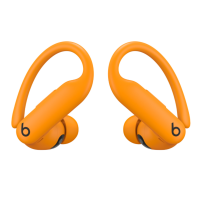
Beats Powerbeats Pro 2 True Wireless
₱14,990.00
Buy on Lazada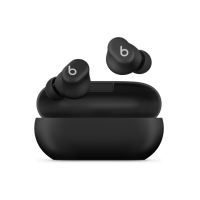
Beats Solo Buds True Wireless Earbuds
₱4,490.00
Buy on Lazada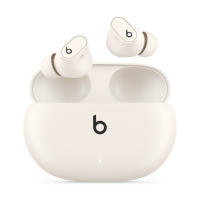
Beats Studio Buds + True Wireless Earbuds
₱9,490.00
Buy on Lazada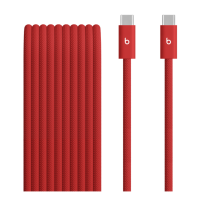
Beats USB-C to USB-C Braided Cable 3M
₱1,890.00
Buy on Lazada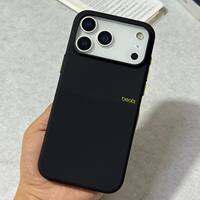
Original Beats iPhone 18 Pro Max / iPhone 17 Pro Max / iPhone 17 Air / iPhone 17 Pro / iPhone 17 Rugged Case with MagSafe & Camera Control Scratch & Drop Tested Matte Texture with Microfiber Lining
₱780.00₱1,369.00
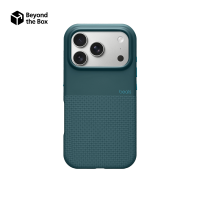
Beats Rugged Case with MagSafe and Camera Control for iPhone 17 Series
₱4,990.00
Buy on Lazada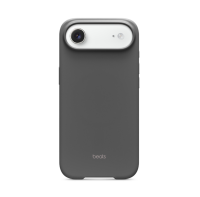
Beats Case with MagSafe and Camera Control for iPhone Air & iPhone 17 Series
₱2,990.00
Buy on Lazada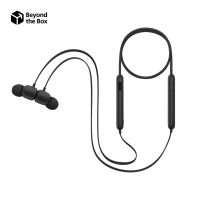
Beats Flex All-Day Wireless Earphones
₱3,990.00
Buy on LazadaAbout Beats
Overview
Beats, widely recognised as Beats by Dr. Dre or simply Beats, is an American consumer audio brand best known for its headphones, earbuds, and portable speakers. Founded in 2006 by music producer and rapper Dr. Dre alongside record executive Jimmy Iovine, the company gained prominence by merging consumer electronics with music, celebrity culture, fashion, sports, and entertainment.1
Today, Beats operates as a subsidiary of Apple Inc. following Apple’s acquisition of Beats Electronics in 2014. Despite this ownership, the brand continues to develop and market its own distinct product lines rather than functioning merely as an Apple-branded audio division.2
| Category | Information |
|---|---|
| Brand name | Beats |
| Former/common name | Beats by Dr. Dre |
| Industry | Consumer electronics / Audio |
| Founded | 2006 |
| Founders | Dr. Dre and Jimmy Iovine |
| Headquarters | Culver City, California, United States |
| Parent company | Apple Inc. |
| Acquired by Apple | July 2014 |
| Products | Headphones, earbuds, speakers, audio accessories |
| Notable brands/lines | Beats Studio, Beats Solo, Powerbeats, Beats Fit Pro, Beats Pill |
| Logo | Stylized lowercase “b” |
| Website | beatsbydre.com |
History
Founding
Beats originated from a collaboration between Dr. Dre, one of hip-hop’s most influential producers and artists, and Jimmy Iovine, a prominent music producer and record executive. The concept was partly born from a perceived issue in modern music consumption: listeners were increasingly consuming compressed digital files through low-quality earbuds, which the founders believed failed to deliver the emotional impact intended by artists and producers.
The brand summarises its philosophy with the phrase “People Aren’t Hearing All The Music,” aiming to bring the energy of studio playback to everyday consumer listening.3 Although founded in 2006, Apple describes Beats Electronics as being formally established in 2008.4
Early products
The first major product, the Beats by Dr. Dre Studio headphone, launched in the late 2000s and defined many characteristics still associated with the brand today. These included large over-ear designs, prominent “b” branding, bass-oriented sound tuning, premium positioning, fashion-conscious industrial design, and strong associations with musicians and celebrities. Rather than marketing headphones purely as technical equipment, Beats positioned them as lifestyle products, a distinction that proved critical to its commercial success.
Business model
While traditional headphone manufacturers often emphasised specifications such as frequency response, impedance, and driver technology, Beats adopted a different market approach centred on Audio + Culture + Identity. A pair of Beats headphones functioned simultaneously as an audio device, a fashion accessory, a status symbol, and a connection to music and celebrity culture.
In 2014, Apple noted that the Beats “b” logo had rapidly become prominent in music and sports culture, establishing the brand as a leader in the premium headphone market.5 This strategy helped transform headphones from relatively anonymous electronic gadgets into recognisable consumer fashion items.
Branding and design
A significant contribution Beats made to the consumer audio sector was its approach to brand visibility. The distinctive lowercase “b” logo, placed prominently on earcups, became one of the company’s most recognisable visual assets. Product design typically emphasises minimalist shapes, large logos, bold colour options, clean surfaces, and a simple visual language.
This design philosophy has facilitated natural collaborations with artists, athletes, designers, and fashion brands. Apple’s 2014 acquisition announcement specifically highlighted these partnerships across music, fashion, street art, and sports.6
Celebrity and cultural marketing
Beats is renowned for its use of celebrity and cultural marketing. Instead of relying solely on traditional technology advertising, the brand aligned itself with culturally influential figures, including musicians, producers, professional athletes, actors, fashion designers, and influencers. This strategy fostered the perception that Beats represented music culture itself rather than just a tool for listening.
Athletes have been particularly important to the brand’s identity. At the time of Apple’s acquisition, prominent athletes such as LeBron James, Serena Williams, and Neymar were closely associated with Beats.7
Major product families
Over the years, Beats has developed several distinct product families catering to different user needs.
Beats Studio
The Studio family represents the premium over-ear headphone category. Historically significant for establishing the brand, the modern Beats Studio Pro continues this legacy with active noise cancellation and advanced features.8
Beats Solo
The Solo family focuses on smaller, on-ear headphones designed for portability and everyday use. The current Beats Solo 4, for example, is marketed as an ultralight on-ear headphone offering up to 50 hours of battery life.9 Compared to Studio models, Solo products generally prioritise lighter weight and compact design.
Powerbeats
Powerbeats is the sport-oriented product line, engineered for secure fit during physical activity. The current lineup includes Powerbeats Fit and Powerbeats Pro 2, the latter featuring secure-fit ear hooks and heart-rate monitoring for workouts.10
Beats Studio Buds
The Beats Studio Buds family targets the compact true-wireless earbud market. Models like the Beats Studio Buds+ offer active noise cancellation and transparency mode, allowing Beats to compete directly in the expanding wireless earbud segment.11
Beats Solo Buds
Positioned as a more affordable true-wireless option, Beats Solo Buds are described as delivering signature Beats sound in the brand’s smallest charging case.12
Beats Pill
The Beats Pill is the company’s portable Bluetooth speaker. Unlike the headphone-focused Studio and Solo lines, the Pill is designed for shared listening and is marketed as delivering room-filling sound in a portable form factor.13
Acquisition by Apple
On May 28, 2014, Apple announced an agreement to acquire Beats Music and Beats Electronics for approximately $3 billion. The transaction comprised roughly $2.6 billion in purchase price and $400 million vesting over time.14 The deal was finalised in July 2014, bringing founders Jimmy Iovine and Dr. Dre into Apple.15
Strategic reasons for the acquisition included:
- Headphones: Securing a leading premium headphone brand.
- Music industry expertise: Leveraging Jimmy Iovine’s extensive recording industry experience and prior work with iTunes.
- Music streaming: Acquiring Beats Music, a subscription streaming service.
- Cultural influence: Integrating a brand deeply embedded in contemporary music and pop culture.
Beats Music
Prior to the acquisition, Beats operated Beats Music, a subscription streaming service distinguished by human curation and personalisation rather than exclusive reliance on algorithms. Apple described it as combining digital technology with musical expertise. Although Beats Music did not remain a standalone service, its technology and team contributed significantly to the development of Apple Music, which launched in 2015.
Status as an Apple-owned brand
Contrary to misconceptions that Apple absorbed and discontinued the brand, Beats remains a distinct consumer brand within Apple’s ecosystem. Products retain Beats branding, design language, and naming conventions. Apple support documentation identifies trademarks such as Beats, Beats Pill, Beats Solo, Beats Solo Buds, Beats Studio, and Powerbeats Pro as belonging to Beats Electronics, LLC.16
This structure provides Apple with two complementary audio identities:
- Apple: AirPods, AirPods Pro, AirPods Max
- Beats: Studio, Solo, Powerbeats, Beats Buds, Beats Pill
Technology and ecosystem integration
Post-acquisition, Beats products have increasingly incorporated technologies compatible with Apple devices, including Find My functionality, Spatial Audio, automatic pairing, USB-C connectivity, active noise cancellation, Transparency mode, and hands-free capabilities.
Crucially, Beats is not exclusive to Apple users. Modern products are also designed for Android compatibility, broadening their potential audience beyond the AirPods ecosystem. Marketing materials continue to address the wider consumer electronics market alongside Apple-specific features.17
Current product strategy
As of 2026, the Beats portfolio centres on three primary categories:
Headphones
- Beats Studio Pro
- Beats Solo 4
Earbuds
- Powerbeats Fit
- Powerbeats Pro 2
- Beats Studio Buds+
- Beats Solo Buds
- Beats Flex
Speakers
- Beats Pill
The official catalogue also includes accessories such as charging cables and iPhone cases.18 This range spans from affordable wireless earbuds to premium over-ear headphones and specialised sport audio gear.
Market position
Beats occupies a unique position in the audio market by functioning simultaneously as:
- A technology brand: Utilising sophisticated audio, wireless, and computing tech.
- A fashion/lifestyle brand: Relying on design, colourways, and celebrity association.
- A music brand: Maintaining direct ties to artists, producers, and recording culture.
- An Apple brand: Operating within Apple’s broader technological ecosystem since 2014.
This multifaceted identity is considered the brand’s primary competitive advantage.
Criticism and controversy
Beats has faced criticism, particularly from audio enthusiasts, regarding two main areas:
- Sound signature: Early models were frequently cited for a bass-heavy sound. While popular for pop, hip-hop, and electronic music, audiophile critics sometimes argued this tuning lacked neutrality compared to competitors focused on critical listening.
- Price: Critics have historically argued that Beats products command a premium based on branding and marketing rather than technical performance alone.
Despite these critiques, the brand’s commercial success indicates that consumers often value the holistic product experience over laboratory measurements.
Cultural significance
Beats fundamentally altered consumer perceptions of personal audio. Prior to its rise, headphones were largely viewed as functional electronics; Beats transformed them into visible personal accessories. Large headphones worn by celebrities and athletes became recognisable cultural objects. By 2014, Apple described Beats as having become part of U.S. pop culture within just a few years of launch.19 Ultimately, the brand succeeded in making the headphone itself a component of consumer identity.
Brand philosophy
The central Beats philosophy asserts that music should feel emotionally powerful, not merely technically reproduced.20 This emphasis on recreating studio energy explains the brand’s historical focus on artists, sports, fashion, celebrity culture, and lifestyle marketing over technical specifications. Headphones are presented not as laboratory equipment, but as a medium for experiencing and expressing music.
Key milestones
| Year | Event |
|---|---|
| 2006 | Beats founded by Dr. Dre and Jimmy Iovine |
| 2008 | Beats Electronics formally established |
| Late 2000s | Beats Studio headphones help establish the brand |
| 2010s | Expansion through Solo, Pill, and other product families |
| 2012–2014 | Increasing prominence in music, sports, and popular culture |
| 2014 | Apple announces acquisition of Beats Electronics and Beats Music |
| July 2014 | Beats becomes part of Apple |
| 2015 | Apple launches Apple Music following the Beats Music era |
| Late 2010s–2020s | Expansion into true-wireless earbuds and modern wireless products |
| 2020s | Continued evolution of Studio, Solo, Powerbeats, and Beats Buds families |
| 2026 | Beats remains an independent consumer-facing brand within Apple |
Comparison with Apple AirPods
| Feature | Beats | AirPods |
|---|---|---|
| Parent | Apple | Apple |
| Brand personality | Music, fashion, sport, lifestyle | Apple ecosystem, simplicity, technology |
| Major products | Headphones, earbuds, speakers | Earbuds, headphones |
| Design | Bold, recognizable, colorful | Minimalist Apple aesthetic |
| Sport focus | Strong, especially Powerbeats | More general-purpose |
| Android appeal | Strong | More limited |
| Cultural identity | Connection to artists and sports | Connection to Apple |
| Logo | “b” | Apple |
This distinction illustrates Apple’s dual-brand strategy: Beats provides a culture- and lifestyle-oriented audio identity, while AirPods represent Apple’s native product language.
Founders
Dr. Dre
An influential American rapper, producer, and entrepreneur, Dr. Dre’s credibility within hip-hop and recording culture was foundational to the original Beats identity.
Jimmy Iovine
A major American record executive and producer, Iovine brought extensive experience working with artists and the broader recording industry. Their partnership uniquely combined artist/producer credibility with business and industry expertise.
Distinctive characteristics
The essence of Beats lies in selling not just headphones, but the idea of what listening to music represents. The brand successfully synthesised Dr. Dre’s music credibility, Jimmy Iovine’s industry expertise, consumer electronics, celebrity marketing, fashion design, sports culture, and Apple’s technology ecosystem. This combination established Beats as one of the most recognisable names in consumer audio.
Summary
Beats, originally known as Beats by Dr. Dre, is an American consumer-audio brand founded in 2006 by Dr. Dre and Jimmy Iovine. The company became famous for its distinctive headphones, strong bass-oriented sound, highly recognizable “b” logo, celebrity-driven marketing, and close association with music and popular culture. Its approach helped transform headphones from ordinary electronic accessories into fashionable lifestyle products. Apple announced its acquisition of Beats Electronics and Beats Music for approximately $3 billion in 2014, and the acquisition was completed that July.21 Today, Beats remains an Apple-owned but distinct brand, producing headphones, true-wireless earbuds, sport-focused Powerbeats products, and the Beats Pill portable speaker.22
References
- About Us – Beats
- Apple to Acquire Beats Music & Beats Electronics – Apple
- Wireless Headphones, Earbuds, Speakers, Accessories – Beats
- Compare Beats Headphones, Earbuds & Speakers – Beats by Dre
- Hak cipta dan merek dagang – Apple Support (ID)
- Apple acquiert Beats Music & Beats Electronics – Apple (BE)
- Apple、Beats MusicとBeats Electronicsを買収 – Apple (日本)
- Apple overtager Beats Music og Beats Electronics – Apple (DK)
- Apple adquirirá Beats Music y Beats Electronics – Apple (LA)
- Apple verwerft Beats Music & Beats Electronics – Apple (NL)
- Apple Beats Music ve Beats Electronics’i Satın Alıyor – Apple (TR)
- Apple to Acquire Beats Music & Beats Electronics – Apple (CA)
- Anggota terbaru keluarga kami – Apple (ID)
- Welcome to the family – Apple (SG)
- Welcome to the family – Apple
- Copyright and trademarks – Apple Support (IE)
- Wireless Headphones, Earbuds, Speakers, Accessories – Beats
- Wireless Headphones, Earbuds, Speakers, Accessories – Beats
- Beats by Dre – Wireless Headphones, Earbuds, Speakers, and more
- About us – Beats
- Wireless Headphones, Earbuds, Speakers, Accessories – Beats
- Wireless Headphones, Earbuds, Speakers, and Phone Cases – Beats (IN)