Shop on Lazada
Bluetooth headset products
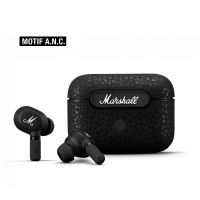
【6 Month Warranty】AuthenticMarshall Motif II ANC True Wireless Earphone In-Ear With Mic Bluetooth Earphones Type-C Rechargeable For IOS/ANdroid Smartphone headphone Noise CancelingMarshall Earphones
₱629.00₱1,999.00
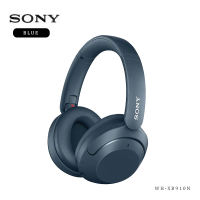
【6 Month Warranty】Marshala MAJOR IV Headphones Bluetooth Portable Folding Bluetooth Headphones with Mic Wireless Headphone Type-C Noise Cancelling Headphones for IOS/Android/PC Gaming Headset USB Original Marshala Headphones MAJOR 4
₱559.00₱1,299.00
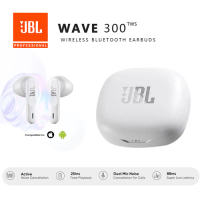
Original JBL Wave 300 TWS Wireless Bluetooth Earphones Bass Waterproof in-ear Type-C Earphone For IOS/Android Gaming Gaming Earphones With Mic High Quality Wireless Earphones
₱419.00₱999.00
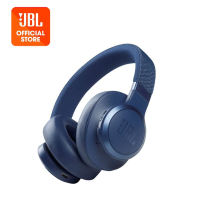
【1 Year Warranty】Original Marshala Major IV Headset With Noise Cancellation Bluetooth Headphone Wired Headset With Mic Headset For Computer Usb Type Headset Bass DJ Headphone Foldable Wireless Marshala Headphone
₱589.00₱1,099.00
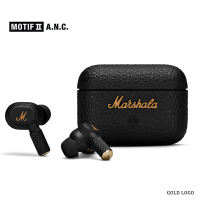
【6 Months Warranty】Authentic Marshal Minor III /Motif II ANC True Wireless Bluetooth Earphone for IOS/Android Smartphone Earphones with Mic Earbuds Bluetooth Earphones 25 Hours of Battery Life Gaming Earbuds Marshala Earphone-Minor 3
₱659.00₱1,799.00
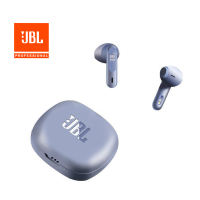
【1 Year Warranty】Original JBL Wave 300 True Wireless Earphone In-Ear Bluetooth Earphone Bass Noise Canceling Type-C Waterproof Sport Earphone Game With Mic JBL Earphone-Black
₱459.00₱1,099.00
【6 Months Warranty】Live Beam 3 TWS True Wireless Bluetooth Headset In-Ear Stereo Headset Sports Headset Noise Cancelling Earphone Waterproof And Sweat-Proof Bluetooth Earphones 48 Hour Battery Life
₱899.00₱1,999.00
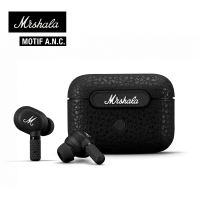
【6 Month Warranty】Authentic Mrshala Minor III True In-Ear Wireless Earphones With Mic Gaming Earphones Bluetooth Type-C Stereo Bass Smartphone Earphones Waterproof Noise Canceling Headphones For IOS/ANdroid Rechargeable Earphones
₱629.00₱1,599.00
About Bluetooth headset
A Bluetooth headset is a wireless audio device that uses Bluetooth technology to connect to compatible electronic devices such as smartphones, tablets, computers, smart TVs, and gaming consoles. It enables users to make voice calls, listen to music, participate in video conferences, and interact with voice assistants without the need for physical cables. Bluetooth headsets are widely used in personal, professional, fitness, and gaming environments because they offer convenience, mobility, and hands-free communication. 1
Overview
A Bluetooth headset combines one or two speakers (earpieces) with one or more microphones in a compact wireless device. Unlike traditional wired headsets, it communicates with host devices using the Bluetooth wireless communication standard, typically within a range of approximately 10 meters (33 feet), although newer Bluetooth versions can support greater distances under favorable conditions. 2
Bluetooth headsets are available in several form factors, including:
- Mono headsets – Single-ear devices mainly designed for voice calls.
- Stereo headsets – Two-ear devices suitable for music and multimedia.
- True Wireless Stereo (TWS) earbuds – Completely cable-free earbuds stored and charged in a portable charging case.
- Over-ear headphones – Larger headsets designed for extended comfort and immersive audio.
History
The development of Bluetooth headsets closely followed the introduction of Bluetooth technology in the late 1990s. Early Bluetooth headsets primarily focused on hands-free calling for mobile phones and offered limited battery life and basic audio quality.
Throughout the 2000s and 2010s, manufacturers introduced major improvements, including:
- Stereo audio streaming
- Digital signal processing (DSP)
- Active Noise Cancellation (ANC)
- Voice assistant integration
- Multipoint connectivity
- Longer battery life
- Bluetooth Low Energy (BLE)
- High-quality audio codecs
Modern Bluetooth headsets now serve as multifunctional audio devices suitable for entertainment, remote work, gaming, fitness, and professional communication. 3
Technology
Bluetooth headsets communicate using short-range radio waves in the 2.4 GHz ISM frequency band. After pairing with a compatible device, audio is transmitted digitally using Bluetooth audio profiles and codecs.
Common Bluetooth profiles include:
- HFP (Hands-Free Profile) – Phone calls
- HSP (Headset Profile) – Basic headset communication
- A2DP (Advanced Audio Distribution Profile) – High-quality stereo music
- AVRCP (Audio/Video Remote Control Profile) – Media playback controls
Modern devices may also support advanced audio codecs such as AAC, aptX, aptX Adaptive, LDAC, and LC3, depending on hardware compatibility. 2
Features
Most modern Bluetooth headsets include features such as:
- Wireless connectivity
- Built-in microphone
- Rechargeable lithium-ion battery
- Touch or physical controls
- Noise reduction microphones
- Active Noise Cancellation (ANC)
- Transparency or Ambient Mode
- Voice assistant support
- Multipoint pairing
- Fast charging
- Water and sweat resistance
- Automatic wear detection
Premium models may also include adaptive sound optimization, spatial audio, AI-powered noise suppression, and customizable equalizer settings. 4
Applications
Bluetooth headsets are commonly used for:
- Voice calls
- Video conferencing
- Music playback
- Gaming
- Online education
- Fitness activities
- Navigation prompts
- Voice assistant interaction
- Remote work
Advantages
- Eliminates cable clutter
- Hands-free communication
- High portability
- Compatible with multiple device types
- Improved mobility during use
- Increasingly long battery life
- Advanced audio and microphone technologies
Limitations
Despite their popularity, Bluetooth headsets have some limitations:
- Require periodic battery charging
- Wireless audio latency may affect gaming or video editing
- Audio quality depends on Bluetooth codec support
- Limited operating range
- Possible wireless interference in crowded radio environments
Battery Life
Battery performance varies depending on the device type.
Typical battery life includes:
- Mono headset: 6–12 hours
- Wireless earbuds: 5–10 hours per charge
- Charging case total: 20–40+ hours
- Over-ear headphones: 20–80+ hours
Fast charging technology is now common, allowing several hours of playback after only a few minutes of charging. 4
Major Manufacturers
Many consumer electronics companies manufacture Bluetooth headsets, including:
- Apple
- Samsung
- Sony
- Bose
- Jabra
- Sennheiser
- JBL
- Beats
- Logitech
- Anker (Soundcore)
- Nothing
- Huawei
- Xiaomi
- Shokz
- Poly (formerly Plantronics)
Market
The Bluetooth headset market has grown significantly due to the widespread adoption of smartphones, remote work, online meetings, and wireless entertainment. True wireless earbuds have become one of the fastest-growing categories in consumer audio, while business-oriented Bluetooth headsets remain widely used in customer service, offices, and enterprise communications. 4
Summary
A Bluetooth headset is a wireless audio accessory designed to provide cable-free communication and entertainment using Bluetooth technology. Since its introduction in the late 1990s, it has evolved from a simple hands-free calling device into a sophisticated audio platform supporting high-quality music playback, intelligent noise cancellation, voice assistants, and multi-device connectivity, making it an essential accessory for modern digital lifestyles.
See Also
- Bluetooth
- Wireless headphones
- Earbuds
- Active Noise Cancellation
- Hands-free communication
- Voice over IP (VoIP)
- Audio codec