Shop on Lazada
Body Sculpture products
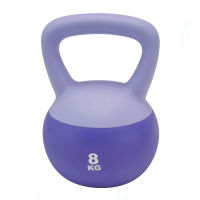
BODY SCULPTURE - SOFT KETTLEBELL
₱1,020.00₱1,200.00
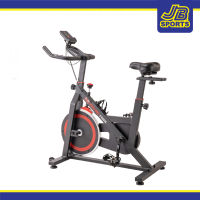
BODY SCULPTURE - BC-46014EB-H-8KG PRO RACING SPIN EXERCISER BIKE
₱10,710.00₱12,600.00
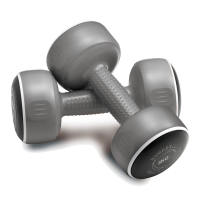
Body Sculpture – Smart Dumbbell(5kg x 2pcs)(BW-108-10KG-B)(Dumbbells)(Crossfits)
₱935.00₱1,100.00
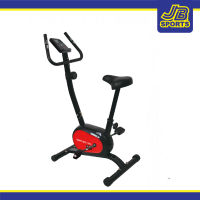
BODY SCULPTURE - BC-1552BR-H Magnetic Exerciser Bike
₱6,320.00₱7,900.00
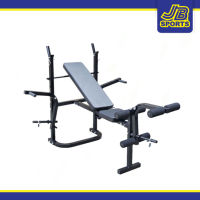
Body Sculpture - BW-2811BR Multi-Functional Bench Exerciser(Foldable Bench)(Exercise Bench)
₱5,400.00₱7,200.00
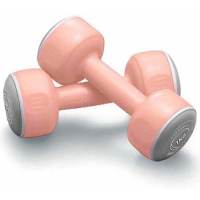
Body Sculpture BW-108-2KG-B Dumbbell Pair
₱255.00₱300.00
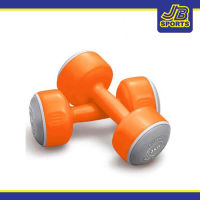
Body Sculpture – Smart Dumbbell(3kg x 2pcs)(BW-108-6KG-B)(Dumbbells)(Crossfits)
₱680.00₱800.00
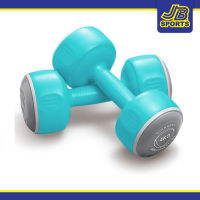
Body Sculpture – Smart Dumbbell(4kg x 2pcs)(BW-108-8KG-B)(Dumbbells)(Crossfits)
₱765.00₱900.00
About Body Sculpture
Body Sculpture is an international fitness and wellness brand recognised for its home exercise equipment, fitness accessories, and health-related products. Established in 1965 in Leeds, Yorkshire, United Kingdom, by Bellow Equipment Co., the company has evolved from a British manufacturer of basic fitness accessories into a globally distributed home-fitness brand.1
In the Philippines, Body Sculpture products are available through local retailers such as JB Sports, offering items ranging from abdominal trainers and exercise mats to yoga sets, resistance kits, gym balls, and weighted hula hoops.7 This local availability aligns with the brand’s broader international distribution strategy and its focus on accessible home fitness.
Today, the Body Sculpture portfolio includes treadmills, exercise bikes, cross trainers/ellipticals, rowing machines, multi-gyms, benches, steppers, and strength-training equipment. These are complemented by smaller accessories including dumbbells, resistance products, yoga and Pilates equipment, and exercise mats.1
Brand overview
| Field | Information |
|---|---|
| Brand | Body Sculpture |
| Founded | 1965 |
| Place of origin | Leeds, Yorkshire, United Kingdom |
| Original company | Bellow Equipment Co. |
| Major ownership change | 1990 |
| Acquirer | Solex Industries, Taiwan |
| Key figure in international expansion | Lane C. Yang |
| Industry | Fitness equipment, sporting goods & wellness |
| Main market | Home fitness |
| Product categories | Cardio, strength, accessories, wellness |
| International presence | Multiple continents and dozens of countries |
| Brand positioning | Quality/value-oriented fitness products |
Corporate history describes Body Sculpture as having evolved into an international brand under the leadership of Lane C. Yang following its 1990 acquisition by Solex Industries.1
History
1965–1980s: British beginnings
Body Sculpture was founded in 1965 by Bellow Equipment Co. in Leeds, Yorkshire. During its early years, the brand focused primarily on straightforward fitness products, including weight-training sets, “Keep Fit” equipment, and exercise accessories.6
By the 1970s, Body Sculpture had established itself in the UK market, developing a reputation for attention to materials and quality control. The product range subsequently expanded beyond basic accessories to include weights, exercise bikes, rowing machines, and weight-training benches.1
In 1987, Body Sculpture was acquired by Beavero PLC, a company listed on the British stock market.1
1990: A major turning point
A defining moment in the brand’s history occurred in 1990. Following financial difficulties at Beavero PLC, Body Sculpture was acquired by Solex Industries, a Taiwan-based company founded in 1978 that specialises in indoor and outdoor fitness equipment. Corporate records identify this acquisition as the primary catalyst for the brand’s subsequent international development.1
Lane C. Yang subsequently became a central figure in the development of Body Sculpture. Under the new ownership and management structure, the brand shifted towards a broader international business model rather than remaining primarily a British fitness-equipment name.1
1991–1999: International expansion
In 1991, Body Sculpture International Ltd. was established in Taiwan, allowing the company to develop a more comprehensive portfolio of fitness equipment and accessories.1
During the early 1990s, the brand expanded rapidly. Notably, the Mini Stepper became a top-selling product in UK retailers such as Index and Littlewoods in 1992.1
In 1994, Body Sculpture International Europe Ltd. was established in the UK, with headquarters later moving to Bradford as the business grew. A China operation was subsequently established at Xiaoshan in 1999.1
The development of these international distribution networks allowed Body Sculpture to reach markets well beyond Britain.
Design and product development
Product development has been a core component of Body Sculpture’s strategy. In 1999, the company’s research-and-development activities evolved into an independent design studio called HiMark International Design Co., which continued to collaborate closely with Body Sculpture on product design, R&D, and marketing.1
Around 2000, Body Sculpture introduced exercise bikes featuring colourful translucent plastic components. Corporate history describes this as an innovative design that received a positive market response.1
This emphasis on design was later reinforced through efforts to reposition the brand. A 2018 Design Effectiveness Awards case study details Body Sculpture’s transition from a purely value-oriented brand to a more sophisticated international fitness label. The redesign implemented a distinctive black-and-red visual identity across more than 200 packages. According to the case study, this redesign resulted in increased retail shelf space alongside significant growth in sales and profit.2
Expansion into China
China has become increasingly important to Body Sculpture’s manufacturing and distribution infrastructure. In 2002, Liven Sports MFG was established in Xiamen, China. Corporate history states this operation was intended to leverage lower operating costs while improving quality control and manufacturing capabilities.1
Later company materials describe a global operations and distribution complex in Xiamen covering approximately 75,000 square metres. By 2023, Body Sculpture products were reported to be sold in more than 60 countries across six continents.3
Published figures regarding market presence vary by year; older materials and regional sources have cited ranges from roughly 60 to nearly 100 countries, depending on the period and definition of market presence.31
Product range
Body Sculpture’s core identity remains closely associated with home fitness.
Cardio equipment
The cardio portfolio includes:
- Treadmills
- Exercise bikes
- Cross trainers/ellipticals
- Rowing machines
- Steppers
- Other home cardio trainers
These products are designed primarily for consumers exercising at home rather than relying exclusively on commercial gyms.1
Strength training
The brand offers equipment and accessories for resistance and strength training, including:
- Dumbbells
- Weight sets
- Benches
- Multi-gyms
- Resistance-training products
- Abdominal-training equipment
- Weighted vests
- Push-up equipment4
Fitness accessories
Body Sculpture maintains an extensive accessory range, including:
- Exercise mats
- Yoga products
- Pilates equipment
- Resistance bands
- Gym balls
- Training ropes
- Hula hoops
- Hand and grip-training products
- Core-training equipment
The breadth of this category reflects a strategy of providing products for various forms of home exercise rather than focusing solely on large machines.1
Wellness and nutrition
Body Sculpture has expanded beyond conventional exercise equipment into wellness and sports nutrition. Its UK business describes offerings spanning sports nutrition and supplements alongside fitness equipment and accessories.4
A related Body Sculpture Paris business has also promoted wellness and beauty products, including its Beauty Fuel line. The French operation focuses on fitness, health, and wellbeing, with a cosmetics and nutrition component introduced in 2019.5
Brand philosophy
Corporate materials emphasise three recurring themes: quality, value, and innovation. The company aims to develop reliable products while maintaining competitive pricing through attention to design, manufacturing detail, continued R&D, and durable materials.1
This positioning differs from premium commercial-gym equipment manufacturers. Body Sculpture has historically focused on accessible home fitness, combining a broad product range with affordability. The brand describes its products as serving virtually any age group within the global home-fitness market.1
International corporate model
Although Body Sculpture has British origins, its modern corporate and manufacturing history is strongly connected with Taiwan and China. The brand’s evolution can be summarised as:
United Kingdom → Taiwan ownership/management → European distribution → Chinese manufacturing and distribution → global brand
Retaining a European presence while developing Asian manufacturing and R&D capabilities has allowed Body Sculpture to compete internationally on price while expanding its product range. Industry profiles describe the strategy as maintaining European infrastructure while utilising Asian manufacturing and retail relationships to rebuild and expand the brand globally.
Relationship with HiMark
HiMark International Design has played a significant role in Body Sculpture’s design development. According to historical materials, the R&D department became an independent design studio in 1999 and continued working with the brand.1
This relationship illustrates Body Sculpture’s approach of investing in product design, packaging, and visual branding to differentiate itself in a competitive fitness market, rather than simply selling generic equipment.
Growth in the 2000s
During the early 2000s, Body Sculpture substantially expanded its product range. Items introduced or developed during this period included treadmills, magnetic-resistance equipment, elliptical/cross-strider machines, steppers, torso trainers, and numerous accessories.1
Historical company materials report sales and distribution reaching approximately US$93 million in 2001.1 By this stage, Body Sculpture had transitioned from a British supplier of basic accessories to a multinational home-fitness brand.
2010s: Repositioning the brand
As competition in the fitness equipment sector increased, Body Sculpture sought to modernise its image. A 2018 Design Effectiveness Awards case study notes that the brand was previously positioned largely around value but faced increasing price-based competition. The subsequent redesign aimed to introduce a more sophisticated appearance and strengthen retail and online presence.2
The case study reports the following outcomes after the redesign:
- Sainsbury’s increased Body Sculpture’s shelf space from 1.2 m to 1.8 m.
- Sales grew by 20% year-on-year.
- Turnover increased by 21%.
- Profit increased by 34% over an 18-month period.
- The brand gained additional territory in Spain and France.
These figures are derived from the design project’s published case study rather than independently audited financial statements.2
2018 onward
In 2018, company materials announced a sports-nutrition line covering three areas:
- Muscle & Strength
- Diet & Definition
- Health & Wellbeing
This represented a shift from selling equipment alone towards a broader fitness-and-lifestyle ecosystem.6
Recent corporate materials continue to describe Body Sculpture as a provider of fitness equipment, accessories, and holistic wellness products.1
Current status
As of 2026, Body Sculpture continues to operate as an international fitness and wellness brand. Its official corporate website presents the brand around fitness equipment, accessories, and holistic wellness, with continued emphasis on product development, innovation, and international distribution.1
The product philosophy centres on bringing exercise equipment into the home, covering everything from inexpensive accessories to larger cardio and strength machines. Body Sculpture occupies the market segment between basic home-workout accessories and full-size home-gym equipment, making it relevant to consumers creating home exercise setups without purchasing commercial-grade gear.
Presence in the Philippines
Body Sculpture products are sold in the Philippine market. Retailer JB Sports currently lists Body Sculpture products including ab trainers, power workers, exercise mats, yoga sets, resistance-training kits, gym balls, and weighted hula hoops.7
This availability is consistent with the brand’s international distribution strategy and focus on accessible home fitness.
Corporate identity and positioning
Body Sculpture is characterised as a British-origin fitness brand with Taiwanese ownership and management history, supported by Asian manufacturing infrastructure, and focused on affordable-to-mid-market home fitness and wellness products.
Its competitive identity is built around:
- Long history: Established in 1965.
- Home-fitness specialisation: A primary focus since early development.
- Broad product portfolio: Ranging from dumbbells and mats to treadmills and multi-gyms.
- International distribution: Products marketed across numerous countries and continents.
- Design and R&D: Dedicated design and engineering capabilities.
- Value positioning: Combining reasonable pricing with quality and functionality.
- Wellness expansion: Movement beyond equipment into nutrition and broader wellbeing products.
Name and brand significance
The name “Body Sculpture” reflects the brand’s association with physical fitness and body conditioning. Rather than representing a single exercise type, the name applies to products intended to help consumers strengthen, condition, shape, and maintain their bodies.
Over its six-decade history, the brand’s meaning has expanded from traditional weight-training and “keep fit” equipment to encompass cardio fitness, strength training, flexibility, home workouts, and wellness.
Timeline
- 1965 — Body Sculpture established by Bellow Equipment Co. in Leeds, UK.1
- 1970s — Brand becomes established in the UK with weight-training and keep-fit products.1
- 1987 — Acquired by Beavero PLC.1
- 1990 — Acquired by Taiwan’s Solex Industries, marking a major turning point.1
- 1991 — Body Sculpture International Ltd. established in Taiwan.1
- 1992 — Mini Stepper becomes a major UK retail seller.1
- 1994 — European company established in the UK; headquarters later moves to Bradford.1
- 1999 — China operation established at Xiaoshan; R&D/design activities develop into HiMark International Design.1
- 2000 — Body Sculpture introduces innovative translucent/colorful exercise-bike designs.1
- 2001 — Historical company materials report sales/distribution of approximately US$93 million.1
- 2002 — Liven Sports MFG established in Xiamen, China.1
- 2000s — Product portfolio expands significantly into treadmills, ellipticals, steppers, magnetic-resistance equipment, and other home-fitness products.1
- 2015 — Body Sculpture celebrates its 50th anniversary.8
- 2018 — Brand repositioning receives a Silver Design Effectiveness Award; sports-nutrition products are also introduced.26
- 2019 — Body Sculpture Paris/Beauty Fuel expands into wellness and beauty-related products.5
- 2023 — Company materials state that Body Sculpture products are sold in more than 60 countries across six continents.3
- 2026 — Body Sculpture continues to market fitness equipment, accessories, and wellness products internationally.1
References
- 柏迪司克國際有限公司-公司簡介
- Winners 2018/Health Care Equipment & Services | DBA: Design Effectiveness Awards
- BODY SCULPTURE EQUIPMENT 2023 – Flipbook by HI MARK GROUP | FlipHTML5
- Body Sculpture | LinkedIn
- Body Sculpture Paris
- [CONTENT
- Fitness Accessories – Body Sculpture – JB Sports
- 50-lecie marki Body Sculpture