Shop on Lazada
Burt’s Bees products
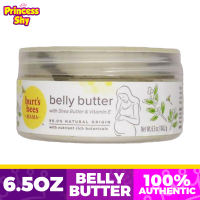
Burts Bees Mama Bee Belly Butter 6.5oz 185g
₱995.00₱2,000.00
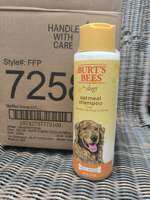
Burts Bee dog shampoo lotion and waterless shampoo16oz
₱920.00
Buy on Lazada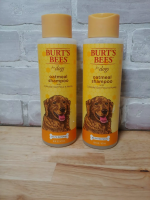
Burts Bees Natural Oatmeal Shampoo with Colloidal Oat Flour & Honey for Dogs w/ Sensitive Skin
₱999.00
Buy on Lazada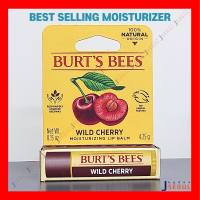
BURTS BEES | Natural Lip Care Lip Balm *LATEST PRODUCTIONS! BURTS BEE
₱219.00₱448.00
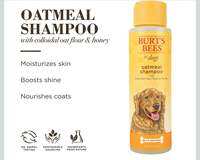
Burts Bees oatmeal shampoo and conditioner
₱880.00
Buy on Lazada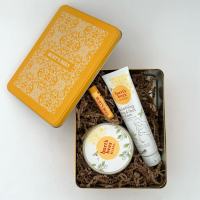
ONHAND Burts Bees Pregnancy Essentials Gifts Set 3 - Imported from USA
₱2,450.00
Buy on Lazada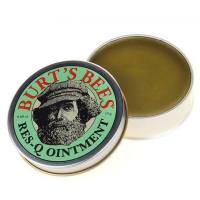
Burts Bees Res-Q Ointment 15g (2pcs)
₱916.90₱1,545.48
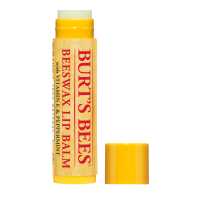
Burts Bees Lip Balm Hydrating Lip Care for Soft Smooth and Healthy Lips Vitamin E w/ Essential Oils for Moisture
₱295.00₱440.00
About Burt’s Bees
Burt’s Bees is an American personal-care and beauty brand widely recognized for its Beeswax Lip Balm, natural-ingredient skincare, and commitment to environmental sustainability. Founded in 1984 in Maine, United States, by beekeeper Burt Shavitz and artist-entrepreneur Roxanne Quimby, the company has grown from a small rural operation into a globally distributed label. Today, Burt’s Bees operates as a brand within The Clorox Company, which acquired the business in 2007.1
Overview
| Category | Information |
|---|---|
| Brand name | Burt’s Bees |
| Founded | 1984 |
| Founders | Burt Shavitz and Roxanne Quimby |
| Origin | Maine, United States |
| Industry | Personal care, skincare, beauty |
| Parent company | The Clorox Company |
| Headquarters | Durham, North Carolina, United States |
| Best known for | Beeswax Lip Balm |
| Brand positioning | Nature-based, environmentally conscious personal care |
| Major product categories | Lip care, skincare, body care, hair care, baby care |
| Ownership | The Clorox Company since 2007 |
Burt’s Bees confirms that its global headquarters remain in Durham, North Carolina, and that it continues to operate under The Clorox Company.6
History
Origins in Maine
The origins of Burt’s Bees trace back to the early 1980s when Burt Shavitz, a beekeeper in rural Maine, met Roxanne Quimby, an artist embracing a back-to-the-land lifestyle. Shavitz had been selling honey and had accumulated significant surplus beeswax from his apiary.2
Quimby began experimenting with this excess wax, using traditional recipes to create products such as candles. These items were initially sold at local craft fairs. The name “Burt’s Bees” was derived from labels Shavitz had originally placed on his beehives for identification purposes.3
1984: Establishment of the brand
Burt’s Bees officially considers 1984 as its founding year. Early commercial activities focused on beeswax candles and simple goods crafted from natural materials.4 Unlike conventional cosmetics companies of the era that relied on large laboratories and corporate infrastructure, Burt’s Bees emerged from a modest rural enterprise. Its early identity was deeply rooted in beekeeping, handmade production, simplicity, and nature.
Rise of the lip balm
The product that ultimately transformed Burt’s Bees into a major consumer brand was its Beeswax Lip Balm, introduced in 1991. Originally packaged in small terracotta pots, this product helped establish the distinctive natural and artisanal image associated with the label.5 The lip balm eventually became the brand’s signature offering and remains one of its most recognizable products globally.
Founders
Burt Shavitz
Burt Shavitz (1935–2015) was a beekeeper, photographer, and businessman whose persona became inseparable from the Burt’s Bees brand. Before taking up beekeeping, Shavitz worked as a photographer in New York before relocating to Maine, where he became locally known as the “Bee Man.” His apiary supplied the beeswax that formed the foundation of the business.6 His bearded visage and outdoorsman aesthetic later became integral to the brand’s packaging and visual identity.
Roxanne Quimby
Roxanne Quimby is an artist, entrepreneur, and conservationist who played a pivotal role in transforming Shavitz’s small-scale beekeeping operation into a recognizable consumer brand. She was instrumental in developing products, packaging, sales strategies, and the company’s broader philosophy. Quimby was particularly influential in linking the brand’s commercial success with environmental conservation.7 Corporate histories describe her as a primary force behind both the development of Burt’s Bees and its conservation-oriented ethos.8
Growth and Expansion
During the late 1980s and 1990s, Burt’s Bees expanded beyond candles and lip products into a comprehensive range of personal-care items. The company eventually relocated its operations from Maine to North Carolina, evolving into a larger personal-care business. Its current headquarters are situated in Durham, North Carolina, in a repurposed tobacco warehouse.
The brand’s expansion was driven by growing consumer interest in:
- Natural ingredients
- Simple formulations
- Environmental responsibility
- Plant- and bee-derived ingredients
- Cruelty-free and nature-oriented beauty
- Alternatives to conventional cosmetics
This strategic positioning established Burt’s Bees as one of the most prominent American brands associated with natural personal care.
Acquisition by The Clorox Company
A significant milestone occurred in 2007 when The Clorox Company acquired Burt’s Bees. Clorox announced the acquisition as part of a strategy to enter the expanding natural personal-care market. At the time, Burt’s Bees was already regarded as a leading brand in the U.S. natural personal-care category.9
The transaction was notable because Clorox was a large mainstream consumer-products corporation, while Burt’s Bees had built its reputation on a smaller-scale, environmentally conscious identity. Despite becoming part of a major corporation, Burt’s Bees maintains that its founding principles and environmental values remain central to its operations.10
Products
While best known for lip balm, Burt’s Bees has developed a diverse portfolio across multiple personal-care categories.
Lip care
Lip care remains the category most closely associated with the brand. Offerings include:
- Beeswax Lip Balm
- Tinted Lip Balm
- Moisturizing lip balms
- Overnight lip treatments
- Specialty and flavored lip balms
The classic Beeswax Lip Balm continues to serve as a defining product for the brand.
Skincare
Burt’s Bees produces a wide array of skincare products, including:
- Facial cleansers
- Moisturizers
- Facial oils
- Scrubs
- Treatments
- Toners
- Eye-care products
The company emphasizes ingredients derived from nature and formulations designed to support the skin barrier.11
Body care
The body-care range features products such as hand creams, body lotions, body washes, hand salves, and foot-care treatments.
Baby care
Burt’s Bees offers a dedicated Baby product line comprising personal-care and skincare items formulated specifically for infants and children.
Hair care
The brand has also expanded into hair care, offering shampoos, conditioners, and other hair-care formulations.
Brand Philosophy
A defining characteristic of Burt’s Bees is its effort to connect personal care with nature. The brand articulates its philosophy through concepts such as “Born Different,” “Seriously Good Stuff,” and “For Nature. For All.”12
Its core philosophy can be summarized as using ingredients from nature while respecting the natural world from which they originate. This perspective stems directly from the founders’ worldview, particularly Quimby’s belief that humans should respect and preserve the environment.13
Ingredients
Burt’s Bees emphasizes ingredients sourced from nature and frequently utilizes materials associated with its heritage, including:
- Beeswax
- Honey
- Botanical extracts
- Plant oils
- Fruit extracts
- Herbs
- Shea butter
- Aloe
- Peppermint and other essential oils
The company states that its products are formulated without parabens, phthalates, petrolatum, or SLS, though individual formulations vary and consumers are advised to check specific ingredient lists.14
It is important to note that “natural” does not necessarily mean every ingredient in every Burt’s Bees product is literally natural or organic. Formulations differ across the portfolio, making the ingredient list the most accurate source of information for any specific item.
Packaging and Visual Identity
Burt’s Bees possesses one of the most recognizable visual identities in the personal-care industry. Its packaging typically emphasizes:
- Earth tones
- Yellow and gold hues
- Botanical imagery
- Bee and honeycomb motifs
- Kraft-paper-inspired textures
- Simple typography
- Images of Burt Shavitz
The portrait of Burt Shavitz’s bearded face became especially significant. Rather than employing the glamorous models typical of beauty advertising, the company used the image of its beekeeping founder to communicate authenticity and an unconventional approach to beauty.15 This strategy fostered an identity grounded in ruggedness, authenticity, simplicity, and nature.
Environmental Sustainability
Environmental responsibility is intrinsic to the Burt’s Bees brand identity rather than merely a product feature. The company states that it uses recycled materials where possible, designs packaging with recyclability in mind, and operates owned facilities using renewable electricity.7
According to its Philippines FAQ, the manufacturing facility and office have sent zero waste to landfill since 2010, reflecting a strong emphasis on waste reduction, composting, and water reclamation.7 This environmental positioning is closely linked to Roxanne Quimby’s longstanding conservation work.
Conservation and Roxanne Quimby
A unique aspect of the corporate history of Burt’s Bees is the connection between the brand and large-scale land conservation. Quimby utilized wealth generated from the business to purchase and protect land in Maine. In 2016, she donated approximately 87,000 acres of Maine woodland to the U.S. government, which became part of the Katahdin Woods and Waters National Monument.
This contribution makes the brand’s environmental legacy more substantial than sustainable packaging or botanical ingredients alone; one of its founders became a major private land conservationist.
Marketing and Brand Positioning
Burt’s Bees occupies a distinct position in the beauty market, bridging traditional mass-market personal care and premium, eco-conscious beauty. Its products are generally more accessible than luxury skincare while maintaining a strong natural and environmentally responsible identity.
Marketing efforts tend to emphasize:
- Authenticity
- Nature
- Wellness
- Simplicity
- Responsible sourcing
- Environmentalism
- Everyday self-care
Consequently, the brand is recognizable not only for its products but also for the values it represents.
Factors Behind Brand Success
Several factors explain the enduring success of Burt’s Bees:
Distinctive origin story
The narrative of a beekeeper and artist creating products from surplus beeswax in rural Maine is highly memorable and authentic.
Hero product
The Beeswax Lip Balm provided an inexpensive, recognizable entry point that introduced countless consumers to the brand.
Strong differentiation
At a time when much beauty marketing emphasized glamour and artificial perfection, Burt’s Bees presented itself as natural, rustic, and authentic.
Environmental values
The brand successfully connected its products to broader concepts of conservation and sustainability.
Visual identity
Yellow packaging, beeswax imagery, and the portrait of Burt Shavitz made products immediately identifiable on shelves.
Consistent core identity
Despite expanding into numerous personal-care categories, beeswax, botanicals, nature, and environmental responsibility remain central to the brand’s identity.
Burt’s Bees Today
As of 2026, Burt’s Bees remains part of The Clorox Company and operates as a major personal-care brand with headquarters in Durham, North Carolina. The brand has evolved significantly from its beginnings as a small Maine beeswax business, now offering a broad portfolio spanning skincare, lip care, body care, hair care, and baby care.
Nevertheless, its fundamental narrative endures: nature-inspired personal care with an emphasis on responsible business and environmental stewardship.
Brand Identity at a Glance
| Element | Burt’s Bees identity |
|---|---|
| Core idea | Nature-inspired personal care |
| Heritage | Maine beekeeping and beeswax |
| Hero product | Beeswax Lip Balm |
| Founders | Burt Shavitz & Roxanne Quimby |
| Personality | Natural, authentic, earthy, approachable |
| Visual symbol | Bee / Burt Shavitz |
| Key ingredient association | Beeswax |
| Major value | Respect for nature |
| Target image | Natural-conscious everyday consumer |
| Corporate owner | The Clorox Company |
| Major differentiator | Combination of natural beauty + environmental identity |
Summary
Burt’s Bees is an American natural personal-care brand founded in Maine in 1984 by beekeeper Burt Shavitz and artist Roxanne Quimby. Beginning with beeswax candles and later becoming famous for its Beeswax Lip Balm, the company grew from a small rural operation into a major personal-care brand offering lip, skincare, body, hair, and baby products. Its identity is built around nature-derived ingredients, simple and recognizable packaging, environmental responsibility, and the unconventional story of its founders. The company was acquired by The Clorox Company in 2007 but continues to present itself as a nature-focused brand. Today, Burt’s Bees is particularly recognized for its iconic beeswax lip balm and for combining mainstream accessibility with natural and sustainability-oriented branding.
References
- Burt’s Bees
- SEC
- Burt’s Bees
- Roxanne’s Bees: Our Co-Founder’s Story | Burt’s Bees
- Burt Shavitz
- Burt’s Bees
- Frequently Asked Questions | Burt’s Bees
- Celebrating 40 years of Burt’s Bees with a look back to 1984 | The Clorox Company
- Burt Shavitz dies at 80; founder of Burt’s Bees natural cosmetics firm – Los Angeles Times
- Our Story | Burt’s Bees
- Burt’s Bees
- Roxanne’s Bees: Our Co-Founder’s Story | Burt’s Bees
- About Us | Burt’s Bees Australia
- Burt’s Bees
- About Us | Burt’s Bees