Shop on Lazada
Care Bears products
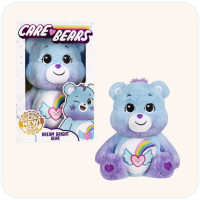
🇺🇸 Care Bears 14” Dream Bright Bear (WITH BOX)
₱1,499.00
Buy on Lazada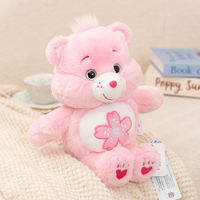
33cm Care Bears Cute Rainbow Bear Plush Toys Lovely Cartoon Bear Soft Stuffed Dolls Homdecor Sleeping Plush Pillows
₱743.36₱1,115.04
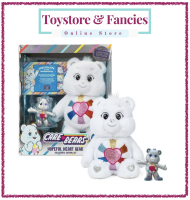
🇺🇸 Care Bears Special Collection Limited Edition 14” Hopeful Heart Bear & 5″ Collectible Hopeful Heart Bear
₱2,950.00₱3,850.00
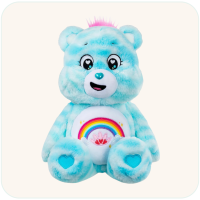
🇺🇸 Care Bears - 14″ Sweet Serenity Bear (IN POLYBAG)
₱1,650.00
Buy on Lazada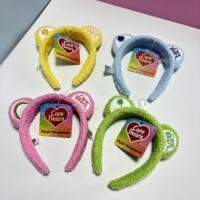
Cute Care Bears Plush Headbands – Adorable Bear Ear Hair Accessories for Daily Wear & Gifts
₱930.89₱1,396.34
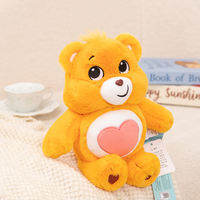
Care Bears | 33cm Care Bears Cute Rainbow Bear Plush Toys Lovely Cartoon Bear Soft Stuffed Dolls Homdecor Sleeping Plush Pillows
₱715.83₱1,073.74
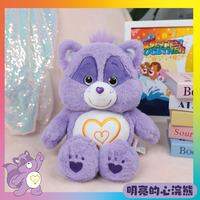
Rainbow Bear Plush Toys Lovely Cartoon Care Bears Plush Toy Teddy Bear Stuffed Dolls Homdecor Sleeping Plush Pillows Gift
₱850.44₱1,275.66
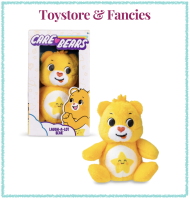
🇺🇸 Care Bears Micro Plush 3” — Grumpy Bear Harmony Bear Cheer Bear Laugh-a-lot Bear
₱550.00₱715.00
About Care Bears
Care Bears is a character and entertainment franchise centred on a group of colourful, anthropomorphic bears whose mission is to spread caring, kindness, friendship, happiness, and emotional well-being. The franchise originated as a line of greeting-card characters created for American Greetings in 1981 and subsequently expanded into plush toys, books, television specials, animated series, feature films, games, apparel, and a large licensing programme. 1 Today, Care Bears remains an active global entertainment and consumer brand managed by Cloudco Entertainment, formerly American Greetings Entertainment. Cloudco describes Care Bears as one of its major multi-platform properties, spanning entertainment and merchandising.
Basic information
| Category | Information |
|---|---|
| Brand | Care Bears™ |
| Origin | United States |
| First introduced | 1981 |
| Original company | American Greetings |
| Character development | Those Characters from Cleveland |
| Original medium | Greeting cards |
| Core characters | Care Bears |
| Setting | Care-a-Lot / Kingdom of Caring |
| Main themes | Caring, kindness, friendship, emotions, community |
| Major merchandise | Plush toys, toys, clothing, stationery, accessories, collectibles |
| Major media | TV specials, animated series, films, books, games |
| Current brand company | Cloudco Entertainment |
| Official site | carebears.com |
The franchise’s roots are particularly distinctive because Care Bears did not begin as a cartoon or toy brand. They began as illustrated characters for greeting cards before becoming a major children’s entertainment franchise.
Origins
Creation in 1981
The Care Bears were developed in 1981 by the character-development division of American Greetings, then known as Those Characters From Cleveland (TCFC). Artist Elena Kucharik became particularly important to the visual identity of the characters, producing hundreds of illustrations for books, cards, clothing, stationery, and other licensed products.
The concept was developed around the idea of creating friendly characters that could communicate different positive emotions and sentiments. This was a natural extension of American Greetings’ business: rather than simply selling cards featuring generic artwork, the company could create recognisable characters that could exist across multiple forms of merchandise and entertainment. American Greetings had already achieved major success with character properties such as Strawberry Shortcake, and Care Bears became another major property developed through its character-licensing operation. 2
From greeting cards to toys
The characters were developed into a commercial franchise during the early 1980s. American Greetings partnered with Kenner, then a major American toy company, to produce Care Bears toys. The characters were publicly introduced as a broader franchise in 1983, with plush teddy bears becoming one of the most recognisable products associated with the brand. 3
The original concept was particularly well suited to plush toys:
- Each bear had a different colour.
- Each bear had an individual personality.
- Each bear had a distinctive symbol on its stomach.
- The bears were cute and physically cuddly.
- Their personalities could be easily communicated to children.
- The characters could be collected as a group.
This combination helped Care Bears move beyond greeting cards and become a full-fledged children’s merchandising property.
The Care Bears’ appearance
One of the defining characteristics of the franchise is the belly badge. Every Care Bear has a symbol displayed on its stomach. The symbol represents that particular bear’s personality, role, or special ability.
Examples include:
- Cheer Bear — rainbow
- Funshine Bear — smiling sun
- Grumpy Bear — rain cloud
- Share Bear — two crossed lollipops/hearts in different iterations
- Good Luck Bear — four-leaf clover
- Bedtime Bear — crescent moon and star
- Wish Bear — shooting star
- Love-a-Lot Bear — two hearts
- Tenderheart Bear — heart
The official Care Bears character guide continues to use the combination of colour, personality, motto, and belly badge as a fundamental part of each character’s identity. 4
The original Care Bears
The original group consisted of ten major Care Bears:
- Tenderheart Bear
- Cheer Bear
- Funshine Bear
- Grumpy Bear
- Good Luck Bear
- Friend Bear
- Love-a-Lot Bear
- Wish Bear
- Birthday Bear
- Bedtime Bear
Tenderheart Bear became one of the franchise’s most important central characters and was frequently portrayed as a leader among the Bears. The original group established the basic formula that Care Bears would continue to use for decades: a distinct colour, personality, belly badge, and caring-related function. 5
The character lineup has expanded considerably over the years, and the official franchise currently highlights characters including Cheer Bear, Funshine Bear, Share Bear, Grumpy Bear, and Good Luck Bear.
The world of Care Bears
Care-a-Lot
The primary home of the Care Bears is Care-a-Lot, a magical kingdom in the clouds. Care-a-Lot is generally depicted as a colourful, whimsical environment containing clouds, castles, rainbows, gardens, pathways, magical structures, and the homes of the Care Bears. The broader fictional universe is commonly referred to as the Kingdom of Caring. The Bears travel from Care-a-Lot to help people who are experiencing problems, particularly emotional or interpersonal difficulties. 6
Care Bear Cousins
The franchise eventually expanded beyond bears with the introduction of the Care Bear Cousins. The Cousins are animal characters associated with the Forest of Feelings, another part of the Kingdom of Caring. Examples include characters based on animals such as lions, elephants, rabbits, monkeys, raccoons, and pigs. The Cousins share the Bears’ general philosophy of caring and helping others. They became especially prominent during the franchise’s original 1980s television and film era.
The first animated appearances
Care Bears entered animation surprisingly early. The first animated television special was The Care Bears in the Land Without Feelings, which premiered in 1983. It featured the original ten Bears and introduced the idea of the Bears confronting threats that interfere with people’s ability to experience positive emotions. 7
This was followed by:
The Care Bears Battle the Freeze Machine — 1984
The second animated special introduced additional characters, including Grams Bear, Hugs, and Tugs, while also featuring the villain Professor Coldheart. 8 These specials helped establish an important storytelling formula: someone has an emotional or social problem, a villain attempts to make things worse, the Care Bears intervene, and caring and emotional understanding defeat the problem.
The 1985–1988 television era
The franchise reached another major milestone with the animated television series Care Bears, beginning in 1985. The original television era included productions by DIC Entertainment and later Nelvana. The related series The Care Bears Family aired during the mid-to-late 1980s. 9 The television stories expanded the fictional universe substantially, introducing recurring characters, villains, magical locations, and additional Care Bears. One of the best-known villains from this era was No Heart, a powerful villain associated with attempts to eliminate caring and positive emotions.
The Care Bears Movie
The franchise also moved into theatrical cinema.
The Care Bears Movie — 1985
Released during the height of the original Care Bears phenomenon, The Care Bears Movie became an important part of the franchise’s 1980s identity. It was followed by:
- Care Bears Movie II: A New Generation — 1986
- The Care Bears Adventure in Wonderland — 1987
The franchise therefore had a remarkably broad media presence during the decade, simultaneously existing as toys, greeting cards, books, television, films, and licensed merchandise.
What makes Care Bears different?
The central concept of Care Bears is emotional storytelling. Unlike many children’s franchises whose central premise revolves around fighting, competition, or physical adventure, Care Bears traditionally resolve problems through empathy, friendship, cooperation, communication, kindness, courage, emotional expression, and caring for other people.
Their signature collective power is often referred to as the Care Bear Stare. The Bears join together and project beams of energy from their belly badges, generally using the power of caring to defeat a threat or help someone in need. This gives the franchise a distinctive philosophy: caring is presented not as weakness, but as a source of strength.
Care Bears as a brand
From a branding perspective, Care Bears is an example of a character-driven intellectual property (IP). The individual characters function almost like separate sub-brands. For example:
- Cheer Bear → happiness / positivity
- Funshine Bear → fun / optimism
- Grumpy Bear → frustration / individuality
- Good Luck Bear → luck / encouragement
- Share Bear → generosity / sharing
- Bedtime Bear → sleep / comfort
This makes the brand highly adaptable to merchandise. A consumer does not necessarily need to buy “a Care Bears product”; they can identify with their favourite Care Bear. That character-based structure has helped the franchise remain recognisable across different generations and redesigns.
Merchandise
Merchandising has always been fundamental to Care Bears. Products have included plush bears, dolls and figures, toys, clothing, pyjamas, backpacks, stationery, books, bedding, home décor, accessories, collectibles, games, and digital products. The official Care Bears website continues to promote plush toys, collectibles, character merchandise, games, activities, and other products. 10 This is important because Care Bears was effectively designed from the beginning as a multi-category character property, rather than being limited to one entertainment medium.
Franchise revivals
After its enormous popularity in the 1980s, Care Bears went through periods of reduced mainstream visibility. Like many major 1980s children’s properties, however, the brand experienced renewed interest as nostalgia for 1980s and 1990s culture grew. The franchise was subsequently relaunched and redesigned several times.
Major later iterations included:
- Care Bears: Journey to Joke-a-lot — 2004
- The Care Bears’ Big Wish Movie — 2005
- Care Bears: Oopsy Does It! — 2007
- Care Bears: Adventures in Care-a-Lot — 2007–2008
- Care Bears: Welcome to Care-a-Lot — 2012
- Care Bears & Cousins — 2015–2016
- Care Bears: Unlock the Magic — 2019 onward/2020s
The franchise has therefore repeatedly adapted its visual style and storytelling to new generations while retaining the core characters and philosophy. 11
Care Bears: Unlock the Magic
One of the most significant modern iterations is Care Bears: Unlock the Magic. The series introduced a new setting called the Silver Lining, described by Cloudco as a realm of natural wonders and comical creatures beyond the borders of Care-a-Lot. The Bears embark on adventures involving fun, magic, mystery, happiness, and harmony. This represents an evolution in the franchise’s storytelling. The classic Care Bears concept was primarily “help people by caring”. The modern approach adds more conventional adventure and fantasy elements: “go on adventures while using caring, friendship, and teamwork to solve problems”. That allows Care Bears to compete in a contemporary children’s-animation environment while preserving its original message.
Modern Care Bears
The modern brand continues to position Care Bears around positivity, self-expression, friendship, and caring. The official website describes the characters through their personalities, favourite things, mottos, colours, and traits. For example, Cheer Bear is characterised by positivity, happiness, and kindness, while Funshine Bear is associated with a fun-loving and reliable personality. The franchise has also expanded into modern digital entertainment, including games and apps, alongside television and physical merchandise. 12
Ownership and corporate history
Care Bears originated under American Greetings, the major American greeting-card company. American Greetings established Those Characters From Cleveland as a character-development and licensing operation. That organisation was responsible for several major character properties, including Care Bears and Strawberry Shortcake. The entertainment operation subsequently went through several corporate names, including Those Characters From Cleveland, AG Properties, American Greetings Entertainment, and Cloudco Entertainment. Cloudco Entertainment is the current company behind the Care Bears brand and describes itself as an entertainment studio developing franchises across media and consumer products.
Brand philosophy
At its heart, Care Bears is built around a relatively simple proposition: caring can make the world better. The franchise repeatedly explores ideas such as:
- It is okay to have different emotions.
- Friendship matters.
- People should help one another.
- Kindness is powerful.
- Sharing creates connection.
- Happiness can be spread.
- Problems can be solved through cooperation.
- Being different is not necessarily a bad thing.
This gives Care Bears a somewhat unusual position in children’s entertainment: the emotional lesson is not merely an element of the story; it is the foundation of the entire fictional universe.
Visual identity
Care Bears have an extremely recognisable visual language.
Key visual elements
- Bright colours: Each Bear traditionally has a distinctive colour.
- Round, cuddly bodies: Their teddy-bear design emphasises comfort and friendliness.
- Belly badges: The central symbol communicates each character’s identity.
- Clouds and rainbows: These establish the magical atmosphere of Care-a-Lot.
- Hearts: Heart imagery reinforces the caring theme.
- Soft and cute aesthetics: The characters are designed to feel approachable rather than intimidating.
This visual system makes the brand particularly suitable for plush toys, fashion collaborations, accessories, stationery, and collectibles.
Why Care Bears became culturally significant
Care Bears became one of the defining children’s character franchises of the 1980s. Its importance comes from several things happening simultaneously:
- A strong character concept
- Memorable individual personalities
- Distinctive visual design
- Highly recognisable symbols
- Plush toys
- Television exposure
- Feature films
- Books and publishing
- Large-scale licensing
- A simple emotional message
The franchise was also part of a larger transformation in children’s entertainment during the 1980s, when characters increasingly moved fluidly between toys, television, movies, books, and consumer products. Care Bears is therefore not simply a cartoon. It is an example of an early transmedia children’s IP ecosystem.
Care Bears’ target audience
Historically, the primary audience was children, particularly young children and families. However, the modern brand has developed a significant nostalgia and adult-collector audience as well. This creates two overlapping markets:
Children and families
The brand offers animated stories, toys, games, activities, and simple emotional lessons.
Millennials, Gen X, and collectors
The brand offers 1980s nostalgia, retro-style merchandise, collectible plush, fashion, collaborations, and redesigned versions of classic characters. This multi-generational appeal is one reason the franchise has been able to remain commercially relevant decades after its debut.
The evolution of the brand
A simplified timeline looks like this:
- 1981: Care Bears created as greeting-card characters. 13
- 1982–1983: Franchise publicly developed and expanded into toys and merchandise.
- 1983: First animated special, The Care Bears in the Land Without Feelings. 13
- 1984: The Care Bears Battle the Freeze Machine. 13
- 1985: Care Bears television series and The Care Bears Movie. 13
- 1986–1987: The Care Bears Family, Care Bears Movie II, and The Care Bears Adventure in Wonderland. 13
- 1990s: Brand presence declines compared with its 1980s peak.
- 2000s: Major revival through new films, television productions, toys, and licensing.
- 2010s: Further television reinventions, including Care Bears & Cousins.
- 2019–2020s: Care Bears: Unlock the Magic and renewed global merchandising. 14
- 2020s: Continued development of toys, collectibles, digital games, activities, entertainment, and character-focused products. 14
Care Bears in one sentence
If the entire brand had to be summarised in one sentence: Care Bears is a colourful, character-driven children’s franchise about magical bears who use caring, friendship, empathy, and their unique personalities to help others and spread happiness.
Overall significance
The enduring strength of Care Bears comes from its simplicity and flexibility. The original idea—give every character a different emotion or positive quality and represent it visually—is easy for a child to understand, but it also provides enormous possibilities for storytelling and merchandising. The franchise has survived multiple generations because its fundamental idea does not really become outdated: people need to care about one another. Its transformation from 1981 greeting cards to 1980s toy phenomenon, television and film franchise, nostalgic 1990s/2000s property, and modern global entertainment brand makes Care Bears an especially interesting example of how a character IP can continually reinvent itself without abandoning its original identity.
References
- Care Bears
- Don Markstein’s Toonopedia: Care Bears
- Meet the Care Bears™ | Official Care Bears Characters
- The Care Bears in the Land Without Feelings
- The Care Bears Battle the Freeze Machine
- Care Bears – Care Bears
- Privacy Policy – Care Bears
- Care-A-Lot Awards 2025 || Carebears.com
- SATURDAY MORNINGS FOREVER: CARE BEARS (1985)
- Nelvana Appointed Exclusive Licensing Agent For Iconic Care Bears™ Brand In Canada By Cloudco Entertainment – Corus Entertainment
- Kids – Care Bears
- Press Releases – CloudCo
- Care Bears Forever: History
- Care Bears — Complete Encyclopedia & Guide | Shapes