Shop on Lazada
Catrice products
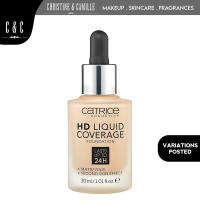
Catrice HD Liquid Coverage Foundation 30ml | 24hr Full Coverage Mattifying Foundation
₱990.00
Buy on Lazada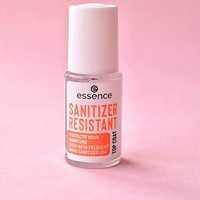
Catrice and Essence Nail Polish
₱49.00₱299.00
CATRICE Magic Shine Eraser Gel To Powder 10g | Mattifying Soft Focus Oil Control
₱549.00₱799.00
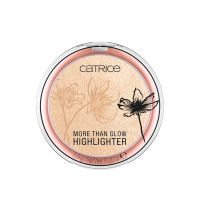
Catrice More than Glow Metallic Highlighter Powder Vegan Cruelty-Free Intense Shimmer Makeup
₱399.00₱599.00

catrice superbia vol 1 eyeshadow palette
₱170.00
Buy on Lazada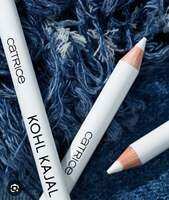
catrice kohl Kajal eyeliner
₱130.00
Buy on Lazada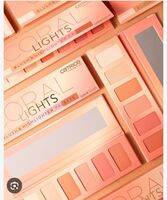
Catrice Coral Lights Blush & Highlighter Palette Tester - 0-5 key attributes: Coral shades Highlighter Blush Palette Tester - 0-2 scene: Makeup display Beauty product showcase.
₱300.00₱899.00
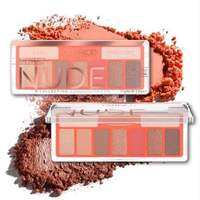
catrice rose eyeshadow palette
₱150.00
Buy on LazadaAbout Catrice
Catrice (stylised as CATRICE) is a German cosmetics and beauty brand established in 2004 2. Owned by cosnova Beauty GmbH, the company also produces the essence line of cosmetics 1. Catrice operates within the premium-to-mass market segment, aiming to provide sophisticated, trend-led beauty products with high-performance formulations at accessible price points 5. The brand is currently available in over 70 countries worldwide and states that its entire product range is formulated with vegan ingredients 4.
Basic Information
| Category | Information |
|---|---|
| Brand name | Catrice / CATRICE |
| Founded | 2004 2 |
| Country of origin | Germany 2 |
| Parent company | cosnova Beauty GmbH 1 |
| Industry | Cosmetics & beauty |
| Main category | Makeup and beauty |
| Positioning | Premium-to-mass / affordable premium |
| Core proposition | Premium-looking, high-performance beauty at accessible prices |
| Key markets | Europe and international markets |
| Global presence | 70+ countries |
| Cruelty-free | Yes, compliant with EU law 4 |
| Vegan | 100% vegan ingredients 4 |
| Brand philosophy | Self-expression, trends, quality, accessibility 3 |
History
Launch and Concept
Catrice was launched in Germany in 2004, two years after its parent company introduced the essence brand 2. While essence focused on playful and experimental beauty for younger consumers, Catrice was developed to offer a more sophisticated interpretation of makeup that remained affordable 2. The founding concept centred on making luxury-inspired, high-quality cosmetics accessible to a wider audience rather than limiting premium aesthetics to expensive prestige brands.
International Expansion
Following its domestic success, Catrice expanded into international markets across Europe and beyond 2. The brand entered the United States market in 2015. Today, cosnova reports that Catrice is sold in more than 70 countries. The brand maintains dedicated regional websites and retail networks in various territories to support its global distribution.
Ownership and Corporate Structure
Catrice is owned by cosnova Beauty GmbH, a German cosmetics company headquartered in Sulzbach/Taunus, Germany 1. Founded in 2001 by Christina Oster-Daum and Javier González, cosnova was built on a business philosophy combining high quality, affordable pricing, and consumer-driven innovation 1. Rather than pursuing traditional luxury positioning, the company developed a portfolio of accessible cosmetic brands. Catrice serves as its second major label alongside essence. The company’s stated mission is “Beauty for everyone.”
Brand Identity and Philosophy
The name Catrice functions solely as a brand identifier and does not refer to a specific ingredient or technique. The brand communicates primarily through the stylised CATRICE mark and a philosophy centred on individuality and self-expression. Its current motto, “Own your magic – because every facet matters,” positions makeup as a tool for expressing different aspects of personality rather than conforming to a single standard of beauty 3.
Visually, Catrice distinguishes itself from traditional budget cosmetics through a modern, fashion-conscious identity. Packaging typically features clean typography, neutral or metallic colour schemes, and contemporary forms designed to convey a premium aesthetic despite the accessible price point.
Market Positioning
Catrice occupies a distinct space between mass-market drugstore cosmetics and prestige beauty. It is categorised as an “affordable premium” or “premium-to-mass” brand 5. Unlike competitors that compete primarily on low price, Catrice combines refined textures, sophisticated packaging, and trend-responsive concepts with mass-market pricing. This strategy allows consumers to access a premium-looking beauty experience without the associated luxury cost.
Target Audience
Historically, Catrice appealed to consumers who had developed a personal style but continued to experiment with makeup. Today, the target demographic is broader, with messaging emphasising individuality over specific age groups or beauty types. Key consumer characteristics include:
- Interest in experimenting with makeup and following beauty trends
- Desire for high-performance products without luxury pricing
- Appreciation for sophisticated packaging and diverse shade ranges
- Preference for skincare-infused cosmetics
- Commitment to vegan and cruelty-free products
Product Portfolio
While primarily a colour cosmetics brand, Catrice has increasingly integrated skincare concepts into its offerings through a “skinification” strategy that incorporates caring ingredients into makeup formulas.
Face
- Foundation
- Concealer
- Powder
- Blush
- Bronzer
- Highlighter
- Contour products
- Primers
- Setting products
Eyes
- Mascara
- Eyeliner
- Eyeshadow and palettes
- Brow products
- Eye primers
Lips
- Lipsticks
- Lip gloss
- Lip liners
- Lip oils
- Lip balms
- Liquid lip products
Nails
- Nail polish
- Nail treatments
- Nail accessories
Innovation and Product Development
Innovation is central to the brand’s strategy. Approximately 40% of the Catrice assortment is renewed annually, ensuring the product range remains responsive to emerging trends. This rapid cycle involves identifying beauty trends, developing new shades and formulas, discontinuing underperforming items, and refreshing the overall assortment. Consequently, Catrice appeals particularly to trend-driven consumers seeking current aesthetics.
Notable product lines include the Glam & Doll mascara family, which exemplifies the brand’s focus on intense pigments and innovative technologies. Other popular categories include concealers, complexion products, blushes, highlighters, and lip products, many of which have gained recognition through social media and beauty communities for delivering prestige-level performance at accessible prices.
Vegan and Cruelty-Free Status
Vegan formulation is a core component of the brand’s identity. Catrice states that 100% of its products are made with vegan ingredients, meaning formulations avoid animal-derived components 4. Consumers are advised to check individual product information during assortment transitions. The brand clarifies that vegan cosmetics may contain synthetic ingredients provided they are not animal-derived.
Regarding animal testing, Catrice has been cruelty-free since its founding in accordance with EU legislation 4. The company does not conduct or commission animal testing and extends this requirement throughout its production chain. It is important to distinguish between these claims: “cruelty-free” refers to testing practices, while “vegan” refers to ingredient sourcing.
Sustainability Initiatives
Catrice operates a responsibility platform known as #CatriceForTomorrow, which encompasses four key areas:
- Animal welfare and vegan products
- Clean beauty standards
- Environmental and climate action
- Corporate and social commitment
Initiatives include sustainable packaging development, responsible raw material sourcing, and certified palm oil usage. The term “clean beauty” in this context refers to the company’s internal formulation standards rather than an external regulatory certification.
Comparison with Essence
Both Catrice and essence are owned by cosnova but serve distinct market segments:
| Feature | Catrice | essence |
|---|---|---|
| Positioning | Premium-to-mass | Mass/accessible |
| Brand personality | Sophisticated, trend-driven | Playful, youthful |
| Price point | Affordable | Very affordable |
| Design aesthetic | Refined, premium-look | Fun, colourful |
| Primary audience | Broad, style-conscious consumers | Youth, Gen Z |
| Core concept | Premium beauty for everyone | Fun beauty for everyone |
| Parent company | cosnova | cosnova |
While often sold in the same retailers, the brands are deliberately differentiated. Essence targets younger consumers with playful, experimental products, whereas Catrice caters to those seeking sophisticated, trend-focused cosmetics.
Distribution
Catrice operates primarily through retail partnerships rather than direct-to-consumer sales. Distribution channels vary by market and include drugstores, beauty retailers, supermarkets, specialty cosmetics stores, and e-commerce platforms. The official website supports this model through store finder and online-shop locator tools rather than functioning as a standalone global shop. This retail-centric approach helps maintain the brand’s accessible positioning.
Marketing Strategy
Marketing efforts are heavily influenced by digital culture and beauty trends. Rather than relying on traditional celebrity endorsements, Catrice focuses on:
- Frequent new-product launches
- Social media engagement
- Collaborations with beauty creators
- Tutorial and trend-based content
- Product demonstrations and consumer feedback
This creates a feedback loop where social media interest informs product development, which in turn generates further consumer engagement.
Strengths and Considerations
Strengths
- Accessible Premium Positioning: Allows experimentation without luxury financial commitment.
- Rapid Innovation: High annual renewal rate keeps assortment current.
- Trend Responsiveness: Quick adaptation to changing beauty aesthetics.
- Comprehensive Portfolio: Enables complete routine building within one brand.
- Ethical Standards: 100% vegan and cruelty-free since inception 4.
- Global Availability: Sold in over 70 countries.
Considerations
- Product Discontinuation: Frequent assortment changes mean favourite items may be phased out.
- Market Variability: Product availability differs between countries; items sold in Europe or the US may not be available in all Asian markets.
- Trend Dependence: Rapid response cycles can result in shorter product lifecycles.
- Performance Consistency: Large assortments naturally exhibit variation in product performance.
- Terminology: Terms like “clean beauty” lack universal standardisation; consumers should review ingredient lists directly.
Role in the Beauty Market
Catrice exemplifies the democratisation of premium beauty. Historically, consumers chose between affordable but basic drugstore makeup and sophisticated but expensive prestige brands. Catrice helped blur this distinction by offering premium packaging, skincare-inspired formulas, high pigmentation, and vegan options at mass-market prices. The brand’s competitive advantage lies in combining affordability with premiumisation and rapid trend response, serving consumers who wish to engage with current beauty trends without luxury expenditure.
Timeline
- 2001: cosnova Beauty GmbH founded.
- 2002: essence brand launches.
- 2004: Catrice launches in Germany 2.
- 2000s–2010s: International expansion across Europe and beyond 2.
- 2015: Entry into the United States market.
- 2020s: Increased focus on vegan formulations, responsible beauty, and skincare-infused makeup.
- 2026: Positioned as a global premium-to-mass brand in 70+ countries with ~40% annual assortment renewal.