Shop on Lazada
DBODHI products

【BUY 1 TAKE 1】Outdoor Waterproof Socket Waterproof Outlet Outdoor Rainproof Power Socket Panel Switch Outdoor Charging Box
₱1,379.00₱3,099.00

Iron bed frame Metal bed frame Stainless steel double bed frame Heavy iron bed Queen size bed frame Bedroom iron bed
₱3,299.00₱9,999.00

DBODHI Wall Switch and Outlet Household Universal Wall Light Switch Black USB Wall Power Socket Suitable for Orange Utility Box
₱199.00₱639.00
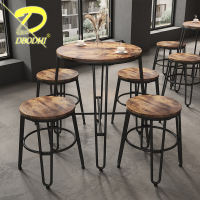
DBODHI Cafe Table Industrial Wind Chair Practical Bar Table and Chairs
₱3,038.00₱18,865.00

【Free Box】 Wall Switch Light with Utility Box Advanced PC Brushed Panel Household Wall Switch Socket Black USB/Type-C Wall Socket Electrical Switch and Outlet 1/2/3/4 Gang 1/2 Way Switch
₱297.00₱599.00

DBODHI Three-Layer Flower Shelf Modern Nordic Indoor Decoration Shelf Wrought Iron Flower Pot Multi-Layer Shelf
₱875.00₱4,288.00

DBODHI Utility Box Junction Box Bottom Box General Switch Socket Box Embedded Box PVC Flame-retardant Box Split Box Assembly Box
₱87.00₱158.00

DBODHI European-Style Indoor Clothes Bedroom Simple Household Rack Light Luxury Modern Pole-Style Classic Coat Rack
₱1,035.00₱4,988.00
About DBODHI
Overview
DBODHI is a furniture and lifestyle brand recognised for integrating reclaimed natural materials, Indonesian craftsmanship, and contemporary design with a strong connection to nature. The company identifies as a group of “crafters of origin,” producing furniture and interior pieces that preserve the inherent character and narrative of their materials rather than enforcing uniform perfection.1
| Category | Information |
|---|---|
| Brand name | DBODHI |
| Industry | Furniture & home interiors |
| Founded | 2007 |
| Founder | Raymond Davids |
| Founder nationality | Dutch |
| Production base | Indonesia, particularly Java |
| Headquarters listed publicly | Beverwijk, North Holland, Netherlands |
| Core philosophy | Harmony between nature, culture and craftsmanship |
| Signature material | Reclaimed teak |
| Other materials | Rattan, abaca, coconut leaf, sisal, iron and other organic/recycled materials |
| Brand positioning | Sustainable, handcrafted, natural, contemporary furniture |
| Tagline/identity | “Crafters of Origin” |
According to its LinkedIn profile, DBODHI is a privately held furniture company headquartered in Beverwijk, North Holland, with a workforce of 51–200 employees.2
History
DBODHI was established in 2007 by Dutch entrepreneur Raymond Davids. The brand was founded as a response to the prevalence of sleek, newly manufactured wood furniture, with Davids seeking to create distinctive pieces that carried a tangible history.1
The early business model centred on repurposing old wood salvaged from century-old houses in remote villages across East Java, Indonesia. Rather than discarding this aged timber as waste, Davids collaborated with local craftsmen to transform it into tables, cabinets, and other furnishings.1
Since its inception, DBODHI has evolved from a reclaimed-wood concept into a comprehensive lifestyle brand. Its current offerings span dining and living room furniture, bedroom pieces, storage solutions, seating, lighting, and decorative objects.1
Philosophy
The core philosophy of DBODHI is rooted in the relationship between nature and craftsmanship. The company views nature as both the primary source of its materials and the inspiration for its designs. Its approach prioritises allowing the natural characteristics of sustainable materials to remain visible in the finished product, rather than concealing them through manufacturing processes.1
Three key concepts define the brand’s identity:
Nature
Natural materials are fundamental to DBODHI. The brand intentionally incorporates elements such as reclaimed teak, rattan, abaca, and coconut leaf into its furniture and lighting collections.1
Craftsmanship
Production frequently employs manual or traditional techniques. DBODHI highlights the expertise of Indonesian artisans and utilises knowledge associated with Javanese craft traditions.1
Stories and heritage
Instead of eliminating imperfections, DBODHI treats age, texture, variation, and signs of previous use as integral to a material’s identity. This approach gives individual pieces a distinctive appearance and reinforces the concept that furniture can embody history.1
Materials
Reclaimed teak
Reclaimed teak is the defining material of DBODHI. The company sources this timber from century-old houses in remote East Javanese villages. Originally harvested from mature trees, the wood is sorted and processed after buildings are dismantled, giving it a second life as furniture.1
This sourcing method imparts characteristics difficult to replicate with new timber, including:
- Natural variations in grain
- Weathered surfaces
- Knots and irregularities
- Marks associated with the wood’s previous life
- Individual colour and texture variations
- A visibly aged appearance
Consequently, DBODHI furniture presents as objects made from materials with an existing history rather than standardised mass-produced goods.
Other natural materials
While teak is central, DBODHI utilises a broader material vocabulary:
- Abaca: Used for woven furniture and accessories. The Knut collection, for example, combines hand-braided abaca with reclaimed teak and structural materials.1
- Coconut leaf: The strong midribs of coconut palm leaves are dried, cleaned, selected, and manually woven using traditional techniques to create textured materials.1
- Rattan: Featured extensively in furniture and lighting, contributing to the brand’s organic, tropical aesthetic.1
- Iron: Frequently combined with natural materials in lighting and furniture structures to provide a contemporary counterpoint to rustic elements.1
Design style
DBODHI’s aesthetic occupies a space between contemporary interior design and organic furniture. Rather than literally reproducing traditional Indonesian forms, the brand translates traditional materials and craft techniques into modern silhouettes.
Typical design characteristics include:
- Warm, earthy colours
- Visible wood grain
- Organic textures
- Rounded or sculptural silhouettes
- Woven surfaces
- Minimalist structural forms
- Combinations of wood, fibre, and metal
- Deliberately visible material imperfections
- A blend of rustic character and contemporary styling
This aesthetic aligns with interiors favouring Japandi, contemporary natural, organic modern, rustic-modern, and tropical-modern styles.
Product categories
DBODHI has expanded beyond reclaimed-wood tables to become a comprehensive home-furnishing brand. Its catalogue includes:
- Dining tables
- Coffee tables
- Side tables
- Cabinets
- Dressers
- Desks
- Beds
- Mirrors
- Chairs
- Benches
- Stools
- Shelving
- Baskets
- Occasional furniture
- Pendant and floor lamps
- Decorative objects
- Interior accessories
Current collections include Ace, Artisan, Bright, Caterpillar, Classy, Coco, Collectables, Grace, Heritage, Hopper, Inline, Knut, Kupu-Kupu, Linea, Luna, Motion, Opral, Pebbles, Shelfmate, and Tess.1
Notable collections
Ace
The Ace range comprises coffee tables, cabinets, and dressers, representing a contemporary interpretation of natural materials.
Artisan
This collection features dining tables, chairs, benches, and desks. It exemplifies the combination of traditional-looking materials with clean, contemporary forms.1
Coco
Coco incorporates coconut-derived woven materials and natural wood to create tactile, organic pieces.
Caterpillar
Encompassing seating, baskets, and other items, Caterpillar is one of the brand’s most recognisable lifestyle-oriented collections.
Knut
Knut demonstrates a modern approach to traditional craft, featuring tables with hand-braided abaca fibres and reclaimed teak. Some designs draw inspiration from Indonesian landscapes, including paddy field shapes.1
Bright
Bright is DBODHI’s lighting-focused collection. It combines woven natural materials like rattan with iron or reclaimed teak to produce decorative lighting designed to create warm atmospheres.1
Manufacturing
Despite its Dutch origins, DBODHI maintains a strong operational connection to Indonesia. The company states that its furniture is manufactured in Indonesia, either at its own studio on Java or through partner workshops.1
This production model combines Dutch and European design direction with Indonesian materials and craftsmanship. Indonesia serves as more than a manufacturing location; the materials, artisans, cultural references, and traditional techniques tied to Java are central to the brand’s identity.
Sustainability
Sustainability is a primary pillar for DBODHI, approached through material and craft choices rather than technology-driven “green” positioning. Key strategies include:
- Reusing reclaimed teak
- Utilising organic materials
- Repurposing wood with a previous life
- Employing traditional craft techniques
- Using renewable plant-based fibres such as abaca and coconut
- Designing furniture for longevity
- Preserving the visual characteristics of reclaimed materials
The company seeks to minimise environmental impact and considers harmonising with nature fundamental to its operations.1 However, “sustainable” in this context refers primarily to the use of reclaimed and organic materials and an emphasis on durability, rather than universal environmental certification for every component.
Brand identity
DBODHI’s identity is summarised as Nature + Heritage + Craftsmanship + Contemporary Design. The phrase “Crafters of Origin” encapsulates this positioning.1
The brand markets the origin and character of materials as intrinsic product value. For example, a DBODHI table is presented not merely as a functional surface but as an object containing the history and texture of reclaimed teak.
Target market
DBODHI targets consumers who appreciate:
- Premium or upper-mid-market furniture
- Natural and sustainable/reclaimed materials
- Handmade or artisan products
- Contemporary interior design
- Unique furniture with visible character
- Warm, organic interiors
- Long-lasting rather than disposable furniture
Pricing reflects this positioning, ranging from smaller accessories and lighting to higher-priced dining tables and cabinetry.1
International presence
Although rooted in Indonesia and founded by a Dutch entrepreneur, DBODHI operates within the international furniture market. Products are distributed through retailers and design partners in Europe, Asia, Australia, New Zealand, and other regions.
Design retailer Journey East describes DBODHI as a brand centred on reclaimed and organic materials, Indonesian production, and Javanese craftsmanship.3 The brand has also participated in Indonesia’s international furniture exhibition ecosystem, including IFEX, where its use of reclaimed teak and natural materials has been highlighted.4
Industry positioning
DBODHI occupies a hybrid position between several categories:
- Traditional Indonesian craftsmanship
- Sustainable/reclaimed furniture
- Contemporary European design
- Premium lifestyle interiors
This distinct identity differentiates it from purely traditional Indonesian furniture brands due to its contemporary forms, and from Scandinavian-style companies due to its strong Javanese material and craft identity. Furthermore, its portfolio extends beyond reclaimed wood to include lighting, woven products, seating, and storage.
Key differentiators include:
- Reclaimed teak as a signature material, specifically timber recovered from old structures in East Java.1
- Indonesian craftsmanship deeply integrated into the brand narrative.1
- Dutch origins, having been founded by Raymond Davids in 2007.1
- Material authenticity, treating imperfections as desirable characteristics.
- Nature-driven design with organic materials and forms central to visual identity.
- Contemporary interpretation of traditional materials for modern interiors.
- Storytelling regarding material history and origin.
- Broad lifestyle portfolio extending beyond original tables and cabinets into complete interior collections.1