Shop on Lazada
Deonatulle products
Deonatulle Soft Stone Double Deodorant Series (20g)
₱814.00₱1,184.62
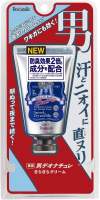
Deonatulle Sara Sara Cream Extra Deodorant - Original / For Men (45g)
₱751.00₱1,172.00
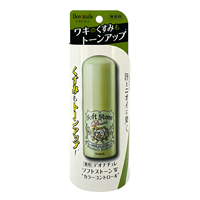
Deonatulle Soft Stone Stick Deodorant (White)/Soft Stone Double Color Control (Green) - 20g
₱670.91₱1,058.00
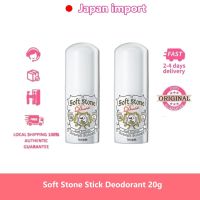
Deonatulle Soft Stone W Deodorant Stick 20g for Underarms Direct from Japan
₱388.00₱598.00
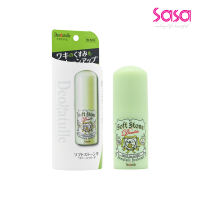
DEONATULLE Soft Stone Double Color Control (20g)
₱748.00₱1,645.00
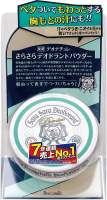
Deonatulle Sara Sara Deodorant Powder - Compact / Refill (15g)
₱889.00₱1,456.00
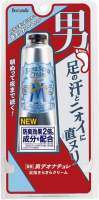
Deonatulle Sara Sara Cream Feet Deodorant - Original / For Men (30g)
₱669.00₱1,044.83
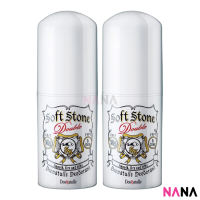
Deonatulle Soft Stone Stick Deodorant 20g x 2pcs
₱1,320.00₱1,690.00
About Deonatulle
Deonatulle (Japanese: デオナチュレ, Deonachure) is a Japanese personal-care brand that specialises in antiperspirants and deodorants designed for direct application to areas prone to sweating and odour. The brand is distinguished by its use of alum-derived ingredients, particularly baked alum (yakimyōban), and its signature “direct-apply” (jikanuri) method 1.
Launched in 1999 by C’BIC Co., Ltd. (株式会社シービック), Deonatulle was conceived as an alternative to the fragranced spray deodorants then dominant in Japan. Rather than masking unpleasant scents, the brand focuses on addressing the underlying mechanisms of sweat and body odour 1.
Overview
| Category | Information |
|---|---|
| Brand name | Deonatulle / デオナチュレ |
| Country of origin | Japan |
| Established | 1999 |
| Company | C’BIC Co., Ltd. / 株式会社シービック |
| Industry | Personal care / cosmetics / deodorants |
| Main category | Antiperspirants & deodorants |
| Signature concept | Direct application to the skin |
| Key ingredient concept | Alum / baked alum (焼ミョウバン) |
| Main concerns addressed | Sweat, underarm odour, foot odour, body odour |
| Major formats | Sticks, creams, stones, powders, cleansing products |
| Target consumers | Women and men |
History
Origins (1999)
Deonatulle was established in 1999 at a time when the Japanese antiperspirant market was largely saturated with spray products that relied on fragrance to mask odours. The brand’s inception followed the parent company president’s encounter with a fragrance-free natural alum stone deodorant in Europe. This inspired the development of a product line focused on neutralising odour at its source rather than covering it with scent 1.
The inaugural product was Crystal Stone C (クリスタルストーン C), an alum-based stone deodorant that required users to wet the stone with water before applying it directly to the skin 1.
Development of the Soft Stone (2003)
In 2003, Deonatulle introduced Soft Stone (ソフトストーン). While customers were satisfied with the efficacy of the original Crystal Stone, feedback indicated that wetting the stone was inconvenient during busy morning routines. In response, the brand developed a stick format that could be applied directly without water, establishing “direct application” as a central characteristic of the Deonatulle identity 1.
Expansion into creams and stronger formulations (2005–2007)
The product portfolio expanded in 2005 with the launch of Sarasara Cream (さらさらクリーム), moving beyond stone and stick formats. In 2007, the brand released Soft Stone W, which contained approximately twice the amount of alum found in earlier formulations; the “W” designation signified this increased concentration. This period also marked the brand’s expansion into foot odour care, broadening its scope beyond underarm treatment. Soft Stone W subsequently achieved a first-place ranking in the body-care category on the Japanese beauty review platform @cosme 1.
Men’s products (2008 onward)
Deonatulle entered the male grooming segment in 2008 with the Men’s Deonatulle line, developed to address differences in male sweat and sebum production. Men Soft Stone W followed in 2009. Over time, the men’s range grew to include products targeting underarm odour, foot odour, excessive sweating, and odour concerns associated with ageing 1.
Expansion of product formats
The brand has continued to diversify its offerings:
- 2010: Soft Stone for toes.
- 2014: Men’s body powder products.
- 2017: Soft Stone W “Color Control” and deodorant powder.
- 2020: Major formulation and packaging renewal.
- 2021: Introduction of cleansing products, expanding beyond conventional antiperspirants.
- 2023–2025: Transition from plastic to paper packaging as part of environmental initiatives.
- 2026: Further expansion of cleansing and odour-care products 1.
Brand philosophy
The core philosophy of Deonatulle is to address sweat and odour at their source rather than simply masking them with fragrance. This distinguishes the brand from traditional deodorants by emphasising odour prevention, sweat control, and antibacterial effects derived from alum-based formulations 1.
Deonatulle positions itself as a “problem-solver” brand, designing products around specific daily issues such as underarm odour, foot odour, stickiness, and perspiration. This functional approach extends to packaging design; the company has historically favoured discreet aesthetics that do not immediately identify the contents as odour-control products, catering to consumers who prefer privacy in their personal care routines 1.
Key technology and ingredients
Alum and baked alum
Alum, specifically baked alum (yakimyōban), is the primary ingredient concept associated with Deonatulle. The brand attributes three key properties to baked alum: sweat suppression, antibacterial effects, and odour prevention. Most Deonatulle deodorant products utilise baked alum as the active ingredient, although exceptions exist; for instance, Crystal Stone C uses standard alum (“ミョウバン”) rather than the baked variant 1.
During a major reformulation in 2020, micronised baked alum was introduced to applicable products to enhance spreadability and skin adhesion. Zinc oxide-based ingredients were also incorporated to improve the dry, non-sticky sensory experience 1.
Direct application
A defining feature of Deonatulle is jikanuri (直ヌリ), or “direct application.” Unlike spray deodorants that disperse product over a wide area, Deonatulle products are engineered to be applied precisely to the affected zone, such as the underarms or toes. This concentrated approach ensures the product remains on the skin where it is needed rather than dissipating into the air. Products like Soft Stone W exemplify this philosophy, being designed for direct application to clean, dry skin 1.
Product portfolio
Deonatulle has evolved from a single deodorant product into a comprehensive odour-care system comprising multiple categories.
Underarm products
The underarm category remains the brand’s most recognised segment and includes:
- Soft Stone W
- Soft Stone W Color Control
- Crystal Stone C
- Sarasara Cream
- Men’s Soft Stone W
- Men’s Soft Stone W Non-Menthol
- Men’s Soft Stone W Middle Age
- Men’s Crystal Stone
- Men’s Sarasara Cream
These products vary in format, target demographic, and intended sensory experience 1.
Foot-care products
The foot-care segment addresses sweat, moisture, and odour specific to the feet:
- Soft Stone Toes
- Foot-Toe Sarasara Cream
- Men’s Foot-Toe Sarasara Cream 1
Powders
Body powders are formulated to manage stickiness and perspiration:
- Sarasara Deodorant Powder
- Men’s Refreshing Powder 1
Cleansing products
Expanding beyond leave-on treatments, Deonatulle offers cleansing products such as an underarm cleansing gel. This product is designed to wash away sweat and sebum—the precursors to odour—complementing the brand’s antiperspirant and deodorant range 1.
Deonatulle for women and men
Deonatulle maintains parallel product lines for women and men. While the women’s range established the brand’s reputation, the men’s line was subsequently developed to address male-specific concerns regarding sweat, sebum, and body odour. Notably, the men’s collection includes products positioned for “middle-age” odour concerns, reflecting a shift from generic deodorisation towards solutions tailored to specific life stages 1.
Packaging and design
Compared to many conventional deodorant brands, Deonatulle employs a restrained visual identity. Historically, packaging has been deliberately stylish and discreet to accommodate consumers who may feel self-conscious about using odour-control products. The introduction of emblem-style packaging in 2005 is cited in the brand’s history as a significant design milestone 1.
More recently, Deonatulle has transitioned select packaging from plastic to paper, aligning with environmental considerations and C’BIC’s corporate commitment to creating social value 1.
Position in the Japanese market
Deonatulle is a prominent fixture in Japan’s drugstore and personal-care sector. Soft Stone products are among its best-known offerings, though the brand now spans multiple formats and body areas. It also maintains a strong presence on Japanese beauty review platforms; @cosme lists dozens of Deonatulle products alongside thousands of consumer reviews. C’BIC describes Deonatulle as a pioneer of the direct-application antiperspirant category in Japan and has reported strong cumulative sales for the series 1.
Parent company: C’BIC
Deonatulle is a consumer brand operated by C’BIC Co., Ltd. (株式会社シービック), a Japanese manufacturer and marketer of personal-care products. Established in October 1991 and headquartered in Minato, Tokyo, C’BIC owns and manages the Deonatulle brand rather than operating it as an independent entity 1.
Distinctive characteristics
Several factors define the Deonatulle brand:
- Alum-centred formulation: Identity is built on alum and its functional relationship to sweat and odour control rather than fragrance.
- Direct application: The jikanuri concept of applying product directly to the problem area is the brand’s most recognisable philosophy.
- Fragrance-free positioning: Many flagship products are unscented, reinforcing the “control rather than mask” approach.
- Multiple body areas: Beyond underarms, the brand addresses feet, body stickiness, and other odour-related concerns.
- Gender segmentation: Dedicated ranges for women and men are tailored to differing physiological needs.
- Functional branding: The brand is positioned around solving specific problems rather than selling fragrance as a primary benefit 1.
Brand evolution
- 1999: Crystal Stone C launches, establishing the natural alum concept.
- 2003: Soft Stone introduces convenient, water-free stick application.
- 2005–2007: Portfolio expands with creams, Soft Stone W, and foot-care products.
- 2008–2010: Men’s Deonatulle and toe-specific products broaden the brand’s reach.
- 2017: Color-control and powder products address specialised needs.
- 2020: First major full reformulation and packaging renewal modernises the brand.
- 2021 onward: Cleansing and specialised odour-care products complement core antiperspirants.
- 2023–2026: Sustainability initiatives and further specialisation drive continued expansion 1.