Shop on Lazada
DRIED FISH PHILIPPINES products
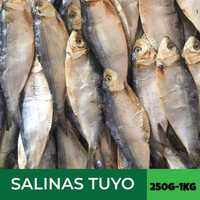
DFP Salinas Lapad 50g | 100g | 250g | 500g | 1kilo (Vacuum Sealed | Resealable Pouch)
₱620.00₱820.00
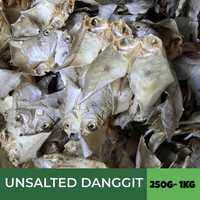
DFP Dried & Unsalted Danggit 50g | 100g | 250g | 500g & 1Kg (Resealable Pouch | Vacuum Sealed)
₱1,800.00₱1,900.00
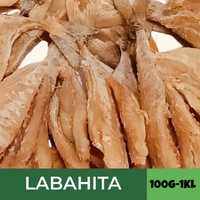
DFP Dried and Salted Labahita 100g | 250g | 500g | 1kilo VACUUM SEALED
₱480.00₱600.00
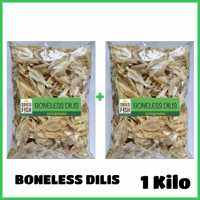
DFP Dried Seafood Boneless Dilis 100g | 250g | 500g | 1Kg (Resealable Pouch | Vacuum Sealed)
₱1,620.00₱1,800.00
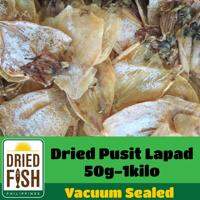
Dried Skinless Squid Pusit Lapad 50g-1kilo Vacuum Sealed Freshly Sun-Dried Street Food Business
₱1,580.00₱1,800.00
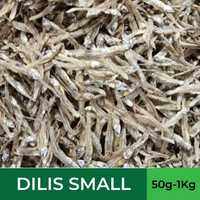
DFP Dried Fish Dilis Small 50g-1Kg Vacuum Sealed
₱640.00₱800.00
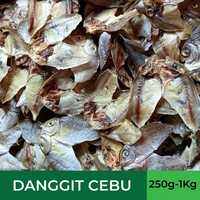
DFP Dried Fish Danggit Cebu 50g | 100g | 250g | 500g | 1Kg ( Resealable Pouch | Vacuum Sealed)
₱1,980.00₱2,010.00
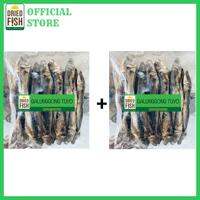
DFP Dried Seafood Galunggong Tuyo 100g | 250g | 500g | 1Kilo (Vacuum Sealed | Resealable Pouch)
₱500.00₱600.00
About DRIED FISH PHILIPPINES
DRIED FISH PHILIPPINES, commonly abbreviated as DFP, is a Philippine online brand specializing in traditional dried fish and other dried seafood products. Operating primarily through e-commerce marketplaces such as Shopee Philippines, the brand offers a wide selection of dried seafood in various varieties, sizes, and packaging formats. 1
DFP positions itself around the accessibility of traditional Filipino dried seafood, combining familiar products like tuyo, danggit, dilis, and pusit with modern retail formats such as resealable pouches and vacuum-sealed packaging. Its stated vision is to make quality and affordable dried fish available to Filipino households while supporting local communities.
Overview
| Category | Information |
|---|---|
| Brand name | DRIED FISH PHILIPPINES |
| Common abbreviation | DFP |
| Industry | Food / Dried Seafood |
| Country | Philippines |
| Primary market | Philippine consumers |
| Business model | Online retail / E-commerce |
| Main product category | Dried fish and dried seafood |
| Online presence | Shopee Philippines and other marketplace listings |
| Shopee store | DRIED FISH PHILIPPINES |
| Shopee catalog | Approximately 97 products in current listings |
| Shopee rating | Approximately 4.9/5 at the time of research |
| Followers | Approximately 26,000+ on its Shopee storefront |
Marketplace figures are dynamic and subject to change. Public Shopee listings identify the shop as DRIED FISH PHILIPPINES / driedfishphils, displaying approximately 26,200 followers, 97 products, and a 4.9 rating.
History and background
Publicly available information regarding the founding date, founders, corporate ownership, or original physical establishment of DRIED FISH PHILIPPINES is limited. Unlike major publicly traded food companies, DFP does not have a widely documented corporate history in mainstream reference sources.
Based on its marketplace presence, DFP has developed an e-commerce-oriented dried-seafood business that makes traditional Philippine dried seafood available in packaged and standardized formats. Its marketplace description explicitly identifies the business as a small enterprise aiming to provide affordable, quality dried fish while supporting local communities.
Product listings also identify several Philippine locations as sources for its seafood. One listing states that products come from Palawan, Roxas, Masbate, and Zamboanga, describing the company as a supporter of local fishermen.
Products
DRIED FISH PHILIPPINES offers a broad assortment of traditional Filipino dried seafood. Products publicly listed under the DFP brand include:
- Tuyo – including Salinas tuyo and other varieties
- Danggit – including unsalted and boneless danggit
- Dilis – dried anchovies
- Pusit – dried squid
- Espada
- Ayungin
- Hibe
- Dulong
- Dalagang Bukid
- Biya
- Other dried seafood varieties
The catalog includes both individual seafood varieties and assorted dried-fish products. For example, one listing offers a selection containing danggit, pusit, dilis, tuyo lapad, espada, ayungin, and hibe. Another listing features dried dalagang bukid in 250 g, 500 g, and 1 kg options.
Tuyo
Tuyo is one of the most recognizable products in Filipino dried seafood culture. DFP sells several forms of dried tuyo, including Salinas tuyo, in package sizes ranging from 250 g to 1 kg.
Danggit
Danggit is another major category in the DFP catalog. The brand offers both salted and unsalted varieties, including boneless versions. Listings describe the product as sun-dried and offer multiple package sizes ranging from small consumer packs to 1 kg quantities.
Dilis
Dilis, or dried anchovies, is prominently represented in the brand’s offerings. DFP lists small dried dilis in several package sizes, including 250 g, 500 g, and 1 kg.
Pusit
The brand also sells dried squid (pusit), including products described as dried and unsalted. Marketplace listings indicate that dried pusit is available in consumer-oriented packages.
Packaging and presentation
A distinguishing characteristic of DFP’s retail approach is the use of modern packaged-food formats for products traditionally sold loose in wet markets. Products are offered in formats including:
- Resealable pouches
- Vacuum-sealed packages
- Multiple weight options
- Smaller consumer packages
- Larger 1 kg packages
The use of vacuum sealing and resealable packaging allows the brand to present dried seafood as a standardized retail product rather than exclusively as loose market goods. Several current listings specifically advertise these packaging features.
Sourcing
Public product information indicates that DRIED FISH PHILIPPINES sources seafood from various areas within the Philippines. A Lazada product listing associated with the brand states that products come from Palawan, Roxas, Masbate, and Zamboanga, while also describing the brand as supporting local fishermen.
This sourcing model aligns with the broader nature of the Philippine dried-fish industry, where production and trading are closely connected to coastal fishing communities. However, publicly available information does not confirm that every DFP product originates from these specific locations; they should be regarded as stated sourcing locations rather than a comprehensive list of all suppliers or production sites.
Mission and vision
DRIED FISH PHILIPPINES communicates both a vision and a mission through its online storefront. Its stated vision focuses on bringing quality and affordable dried fish to Filipino households, preserving traditional flavors, nourishing families, and supporting local communities.
Its stated mission emphasizes:
- Quality dried seafood
- Affordability
- Sourcing from local communities
- Quality standards
- Accessibility
- Customer-friendly distribution
- Online commerce
These statements suggest that DFP’s brand identity is built around the intersection of traditional Filipino food culture and modern e-commerce.
E-commerce presence
A significant characteristic of DRIED FISH PHILIPPINES is its reliance on online marketplaces. Its Shopee storefront operates under the name DRIED FISH PHILIPPINES with the username driedfishphils. Current marketplace information lists dozens of products and a high customer rating.
Individual listings show substantial customer purchasing activity, with some products reporting hundreds or thousands of sales. This indicates an established online customer base and demonstrates how a traditionally local Filipino food category has been adapted to the platform-based retail economy, allowing consumers to order regional food products for home delivery.
Relationship with Filipino food culture
DRIED FISH PHILIPPINES operates within a food category with deep roots in Philippine culinary culture. In the Philippines, dried fish is commonly known as daing, with related terminology including tuyo, bilad, and buwad. Traditional daing is generally prepared by cleaning and sometimes splitting fish, salting it, and drying it in the sun and air. 1
Historically, dried fish served an important food-preservation function, allowing fish to be stored for considerably longer periods than fresh fish. Over time, it became an everyday component of Filipino cuisine. Common preparation methods include frying or grilling, typically served with rice and vinegar, or as an accompaniment to dishes such as champorado. 1
DFP’s product range places the brand within this longstanding culinary tradition while presenting products through contemporary retail packaging and online distribution.
Brand positioning
Based on its public product catalog and brand description, DRIED FISH PHILIPPINES functions as a mass-market Filipino dried-seafood retailer rather than a luxury seafood brand. Its positioning emphasizes four major concepts:
- Filipino tradition – Familiar dried seafood products associated with everyday Filipino meals.
- Affordability – Products offered in relatively small packages as well as larger quantities.
- Convenience – Online ordering, resealable packaging, and vacuum sealing.
- Local sourcing – Emphasis on Philippine fishing communities and locally sourced seafood.
Customers
DFP products are primarily suited to consumers seeking traditional Filipino dried seafood for home cooking. Potential customer groups include:
- Filipino households
- Consumers looking for affordable seafood
- People preparing traditional Filipino breakfasts
- Customers purchasing dried seafood in bulk
- Filipinos living away from coastal areas
- Consumers looking for packaged Filipino food products
- Overseas Filipinos sending or purchasing Filipino food for family
The availability of multiple package sizes makes the products suitable for both individual household consumption and larger-volume purchasing.
Market significance
DRIED FISH PHILIPPINES represents a broader shift in Philippine food retail where traditional products are increasingly sold through digital marketplaces. Historically, dried fish has strong associations with public markets, coastal communities, and small food vendors. Online businesses like DFP provide an alternative distribution channel, allowing consumers to discover and purchase products without physically visiting a traditional market.
This model is particularly compatible with dried seafood because the products are relatively durable compared to fresh fish and can be easily packaged for shipping.
Brand identity
The name “DRIED FISH PHILIPPINES” is highly descriptive, immediately communicating both the product category and its Philippine identity rather than using an abstract or invented term. The abbreviation DFP, which appears in many product titles, functions as a shorter brand identifier. The overall identity can be summarized as traditional Philippine dried seafood delivered through modern online retail.
Reputation and customer response
Current marketplace information indicates a strong customer response. The DFP Shopee store is listed with a 4.9 rating, while individual products commonly display ratings between 4.8 and 4.9. For example, the DFP dried danggit listing on Lazada shows a 4.9/5 rating based on more than 1,000 ratings.
These marketplace ratings should be interpreted as platform-specific customer feedback rather than independent professional assessments of the company.
Business model
DFP’s publicly visible business model can be described as: Local seafood sourcing → drying/processing → packaged products → online marketplace distribution → direct-to-consumer sales.
This model allows the company to offer a wide selection without relying exclusively on traditional physical retail stores. Its presence on marketplace platforms also enables individual products to accumulate ratings, reviews, and sales counts, providing social proof to prospective customers.
Online presence
The most clearly documented public storefront for the brand is its Shopee Philippines shop, identified as DRIED FISH PHILIPPINES with the username driedfishphils. The brand also maintains product listings on Lazada Philippines, including DFP-branded dried danggit and other seafood products.
See also
- Daing – Traditional Philippine dried fish 1
- Tuyo – A popular Filipino dried fish
- Danggit – Dried rabbitfish commonly associated with Philippine cuisine
- Dilis – Dried anchovies
- Pusit – Dried squid
- Filipino cuisine
- Philippine fishing industry