Shop on Lazada
e.l.f products
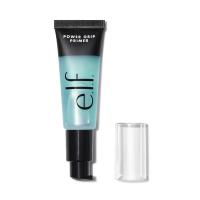
Elf Power Grip Primer + 4% Niacinamide 24ml Gel-Based Hydrating Face Primer
₱658.96₱840.51
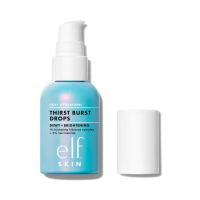
ELF Holy Hydration! Thirst Burst Drops Brightening Hydrating Gel Serum 30ML
₱674.72₱995.00
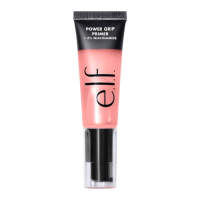
e.l.f. Power Grip Primer Duo Includes Original and +4% Niacinamide Hydrating Face Primers For Smoothing Skin & Gripping Makeup Vegan & Cruelty-Free 24ml
₱469.00₱978.00
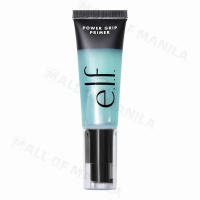
ELF Power Grip Gel Face Primer 24ml - Hydrating Long-Lasting Makeup Grip Primer with Hyaluronic Acid for All Skin Types Daily
₱299.00₱1,175.00
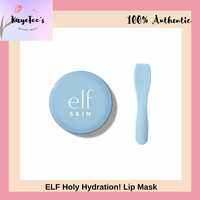
E.L.F Skin Holy Hydration! Lip Mask
₱640.00
Buy on Lazada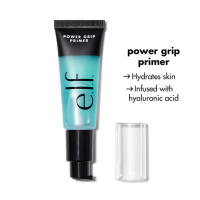
e.l.f. Power Grip Primer Makeup Gel Isolation with 4% Niacinamide Gel-Based Hydrating Face Primer Smoothing Skin Gripping Makeup
₱635.55₱973.00
About e.l.f
e.l.f. is an American beauty brand recognised for producing affordable, trend-led cosmetics and skincare. It serves as the flagship label of e.l.f. Beauty, Inc., a publicly listed multi-brand corporation headquartered in Oakland, California. While the consumer-facing cosmetics line is officially designated e.l.f. Cosmetics, the wider corporate entity operates as e.l.f. Beauty.1
By 2026, e.l.f. had transformed from a budget makeup startup into one of the most influential mass-market beauty companies globally. This growth has been driven by a combination of accessible pricing, social-media-centric marketing, rapid product development cycles, strategic celebrity and pop-culture partnerships, and the acquisition of complementary beauty brands.
Basic information
| Information | |
|---|---|
| Brand | e.l.f. Cosmetics |
| Parent company | e.l.f. Beauty, Inc. |
| Founded | 2004 |
| Headquarters | Oakland, California, U.S. |
| Industry | Cosmetics, skincare, beauty |
| Core markets | Makeup and skincare |
| Positioning | Affordable / accessible beauty |
| Public company | Yes |
| Stock ticker | NYSE: ELF |
| CEO | Tarang Amin |
| Flagship brands | e.l.f. Cosmetics and e.l.f. SKIN |
| Other current portfolio brands | rhode, Naturium, Well People |
| Core proposition | High-quality, trend-driven beauty at accessible prices |
e.l.f. Beauty describes itself as a multi-brand beauty company offering inclusive, accessible, clean, vegan and cruelty-free cosmetics and skincare. Its stated mission is: “We make the best of beauty accessible to every eye, lip and face.”2
Brand name origin
The name e.l.f. is widely understood to stand for “eyes, lips, face”, referencing the three primary categories that defined the brand’s initial product range. This nomenclature functioned less as an abstract moniker and more as a direct description of the original value proposition: providing everything necessary for eyes, lips and face at highly accessible price points.
History
2004: Foundation
e.l.f. Cosmetics was established in 2004 as a digitally native beauty brand aimed at delivering inexpensive cosmetics without compromising on quality. The concept disrupted the traditional industry model by bridging the gap between low-cost drugstore options and expensive prestige lines. By leveraging online distribution, the company offered products inspired by high-end trends at significantly lower prices, positioning itself as an early digital disruptor in the beauty sector.3
2007–2010: Retail expansion
By 2007, e.l.f. had grown into a multi-million-dollar business and began expanding its physical retail footprint beyond its digital origins.4 A pivotal milestone occurred in 2010 when the brand launched in approximately 700 Target stores nationwide in the United States.5 This transition helped establish e.l.f. as a mainstream American beauty brand rather than solely an online challenger.
2014–2016: Leadership and IPO
Tarang Amin was appointed CEO in 2014 and remains Chairman and CEO as of 2026.6 Under his leadership, the company prioritised rapid innovation, digital marketing, international expansion and acquisitions. In 2016, e.l.f. Beauty went public on the New York Stock Exchange under the ticker symbol ELF, marking its evolution into a publicly traded beauty company.7
2018: Putty Primer success
The launch of Poreless Putty Primer in 2018 became a defining moment for the brand. It exemplified e.l.f.’s strategy of identifying desirable beauty concepts and developing affordable alternatives marketed aggressively through digital channels. The product’s success led to the creation of the broader Putty franchise.8
Digital marketing and TikTok strategy
e.l.f. has achieved significant success by aligning its marketing with how Generation Z discovers beauty products. Rather than relying exclusively on traditional advertising, the company invests heavily in platforms such as TikTok, Instagram and YouTube, utilising influencers, memes, music and viral product demonstrations. This approach has positioned e.l.f. as a cultural marketing company as much as a cosmetics manufacturer.
A notable example is the “Eyes. Lips. Face.” campaign, which featured an original song and became one of TikTok’s most recognisable early branded challenges, cementing the brand’s reputation for sophisticated social media engagement.
Brand philosophy
The central tenet of e.l.f. is the democratisation of beauty, operating on the premise that consumers should not need to pay luxury prices to participate in current trends.
Accessibility and inclusivity
Products are intentionally priced below many prestige competitors to encourage experimentation. The brand also emphasises inclusivity, formulating products intended to suit a diverse range of skin tones and consumer needs.
Vegan and cruelty-free standards
e.l.f. states that both e.l.f. Cosmetics and e.l.f. SKIN products are vegan and cruelty-free, holding certifications from PETA and Leaping Bunny.9
e.l.f. clean standard
The company adheres to its own e.l.f. clean standard, which excludes over 2,500 ingredients. This list exceeds the restrictions mandated by both the U.S. FDA and EU cosmetics regulations.10
Community-driven innovation
Product development is heavily influenced by real-time feedback from the brand’s online community, allowing e.l.f. to translate emerging trends into products faster than traditional forecasting methods typically allow.11
Product categories
Makeup
Makeup remains the core of e.l.f. Cosmetics, with major categories including:
- Face: Foundation, concealer, primer, blush, bronzer, contour, highlighter, setting powder and setting spray.
- Eyes: Mascara, eyeliner, eyeshadow, brow products and eye primers.
- Lips: Lip gloss, lip liner, lip stain, lip balm, lip oil and lipstick.
- Tools: Makeup brushes, sponges, eyelash curlers and accessories.
Skincare
Through the e.l.f. SKIN sub-brand, the company offers accessible skincare focused on cleansing, hydration, acne treatment, barrier care, serums, eye care and masks. This line emphasises ingredient-focused efficacy at accessible price points, strategically expanding the company’s reach beyond colour cosmetics.12
Notable products and franchises
Several products have become synonymous with the e.l.f. brand:
- Poreless Putty Primer: A key product in establishing the brand’s modern reputation.
- Power Grip Primer: A gripping primer that gained prominence through social media beauty culture.
- Camo Concealer: A major complexion franchise that has expanded into a broader family of products.
- Halo Glow Liquid Filter: Positioned within the glowing complexion trend and frequently compared to higher-priced prestige alternatives.
- Glow Reviver Lip Oil: An example of the brand’s ability to capitalise on viral lip trends.
These products share a common characteristic of high perceived value, offering aesthetic and functional qualities comparable to significantly more expensive items.
Market positioning and competition
The “dupe” phenomenon
e.l.f. benefits from the “beauty dupe” culture, where consumers seek affordable alternatives to prestige products. However, the brand is increasingly distinguished as prestige-inspired value beauty rather than merely a copycat, with competitive advantages rooted in proprietary product development and branding capabilities.
Differentiation from traditional mass beauty
Unlike traditional drugstore brands such as Maybelline, L’Oréal Paris, CoverGirl or NYX, e.l.f. differentiates itself through a digital-first approach:
| Traditional mass beauty | e.l.f. approach |
|---|---|
| TV/print advertising | TikTok/social-first |
| Long product cycles | Rapid innovation |
| Celebrity-heavy marketing | Creators + internet culture |
| Traditional beauty campaigns | Memes + cultural moments |
| Established beauty norms | Trend disruption |
| Broad demographic targeting | Strong Gen Z appeal |
| Drugstore positioning | “Affordable prestige” positioning |
This strategy creates a robust digital-to-retail ecosystem where online virality drives physical retail demand.
Competitive landscape
e.l.f. competes across multiple segments:
- Mass cosmetics: Maybelline, L’Oréal Paris, NYX Professional Makeup, CoverGirl, Milani, ColourPop.
- Affordable/prestige-adjacent: Rare Beauty, Fenty Beauty, Makeup by Mario, Tarte, Benefit.
- Skincare: CeraVe, The Ordinary, Neutrogena, La Roche-Posay.
Its primary advantage lies in combining price, quality, trend relevance and social reach rather than competing on cost alone.
Corporate structure and portfolio
It is important to distinguish between e.l.f. Cosmetics, the flagship consumer brand, and e.l.f. Beauty, Inc., the corporate parent. As of 2026, the portfolio comprises:
- e.l.f. Cosmetics: Accessible makeup.
- e.l.f. SKIN: Accessible skincare.
- rhode: Skincare and beauty brand founded by Hailey Rhode Bieber.
- Naturium: Effective, ingredient-focused skincare.
- Well People: Clean beauty brand.13
The portfolio is dynamic; for instance, Keys Soulcare was transferred back to Alicia Keys in May 2026 and is no longer part of the group.14
Acquisition of rhode
The acquisition of rhode marked a significant strategic expansion, granting e.l.f. Beauty access to a new consumer segment and a highly influential digital-native brand. In FY2026, rhode generated more than $500 million in global retail sales and achieved the number-one beauty brand ranking at Sephora North America, Sephora UK and Mecca in Australia and New Zealand.15
Financial performance
e.l.f. Beauty has experienced substantial growth. For fiscal 2026, the company reported:
- 25% year-over-year net sales growth
- Approximately $26 million net income
- Approximately $335 million adjusted EBITDA
- Seventh consecutive year of net sales and market-share growth16
The flagship e.l.f. Cosmetics brand alone generated approximately $1.8 billion in global retail sales during FY2026.17
Distribution and manufacturing
Distribution channels
Products are available through a hybrid model:
- Physical retail: Target, Walmart, Ulta Beauty, Sephora and other mass-market and specialty retailers.
- Online: e.l.f. e-commerce sites, Amazon, retailer websites and international platforms.
The company employs a productivity-led retail model, focusing on high-performing SKUs in channels where its target consumers actively shop.18
Manufacturing and supply chain
e.l.f. utilises a network of third-party manufacturers, with the majority of production sourced in China, alongside facilities in Thailand, Taiwan, Europe and the United States.20 This outsourced model supports low pricing and speed to market but exposes the company to tariffs, supply chain disruptions and geopolitical risks, particularly regarding U.S. tariffs on Chinese imports.21
Sustainability and ethics
The company reports that 73% of e.l.f. Beauty product units—over 900 SKUs—are manufactured in Fair Trade Certified facilities.19 While e.l.f. promotes clean, vegan and cruelty-free standards, these claims relate to formulation and animal welfare rather than comprehensive environmental sustainability.
Leadership
Timeline
| Year | Major event |
|---|---|
| 2004 | e.l.f. Cosmetics founded |
| 2007 | Becomes multi-million-dollar business |
| 2010 | Launches in ~700 Target stores |
| 2014 | Tarang Amin becomes CEO |
| 2015 | Opens first international office in Shanghai |
| 2016 | IPO on NYSE under ELF |
| 2018 | Putty Primer launches; Ulta partnership |
| 2021 | Major international expansion |
| 2022 | e.l.f. SKIN launches; Camo franchise grows |
| 2023 | Naturium joins e.l.f. Beauty |
| 2024 | e.l.f. celebrates 20 years; surpasses $1B in net sales |
| 2025 | rhode joins e.l.f. Beauty |
| 2026 | Portfolio consists of e.l.f. Cosmetics, e.l.f. SKIN, rhode, Naturium and Well People |
Significance
e.l.f. has redefined the affordable beauty category by combining low prices with prestige-inspired product quality, rapid innovation, social media fluency and inclusive positioning. Originally characterised simply as budget makeup, the brand has evolved into a digitally native beauty ecosystem. Its parent company, e.l.f. Beauty, now operates as a multi-brand platform spanning various price points and consumer segments, anchored by e.l.f. Cosmetics, e.l.f. SKIN, rhode, Naturium and Well People.
References
- elf-20260331
- e.l.f. Beauty: A Different Kind of Beauty Company
- elf-20250331
- e.l.f. Beauty: A Different Kind of Beauty Company
- elf-20260706
- e.l.f. Beauty: A Different Kind of Beauty Company
- SEC
- EDGAR Filing Documents for 0001600033-26-000030
- e.l.f. Beauty: A Different Kind of Beauty Company
- EDGAR Filing Documents for 0001600033-26-000025
- EDGAR Filing Documents for 0001600033-26-000020
- e.l.f. Beauty Announces Fourth Quarter Fiscal 2026 Results – e.l.f. Beauty
- e.l.f. Beauty: A Different Kind of Beauty Company
- e.l.f. Beauty: A Different Kind of Beauty Company
- elf-20251231
- e.l.f. Beauty Announces Third Quarter Fiscal 2026 Results – e.l.f. Beauty
- elf-20250630
- elf-20250709
- elf-20241231
- e.l.f. Beauty: A Different Kind of Beauty Company
- elf-20230930
- e.l.f. Beauty: A Different Kind of Beauty Company
- e.l.f. Beauty: A Different Kind of Beauty Company
- ABOUT E.L.F. BEAUTY – e.l.f. Beauty