Shop on Lazada
Elba products
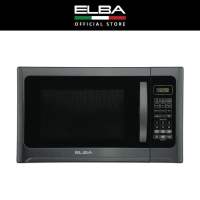
ELBA EMM30AX Countertop Microwave Stainless 30L
₱7,700.00₱9,240.00
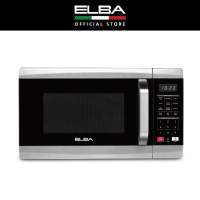
ELBA EMM20BX Countertop Microwave Stainless 20L
₱6,090.00
Buy on Lazada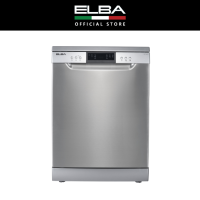
ELBA FDW129-60S Free.Standing Dishwasher
₱36,750.00
Buy on Lazada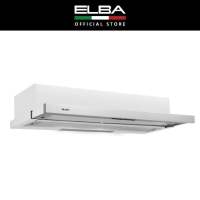
ELBA ITH-902WX Built-In Telescopic Hood
₱14,175.00
Buy on Lazada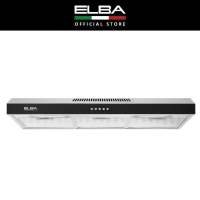
ELBA ABH902BGX 90cm Double Motor Slim Rangehood
₱10,395.00
Buy on Lazada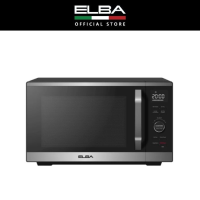
ELBA EMM-30 CGRF (New All in One Micro Convection Air Fry)
₱15,750.00
Buy on Lazada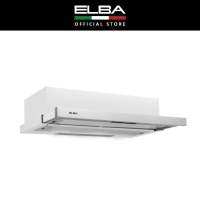
ELBA ITH-602WX Built-In Telescopic Hood
₱8,925.00
Buy on Lazada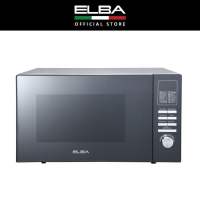
ELBA EMM25BX Countertop Microwave 25L
₱6,600.00₱8,190.00
About Elba
History
ELBA traces its origins to 1950, when Italian entrepreneur Elio Baggio founded a family business in Marostica, Vicenza, Italy. Initially, the company specialized in enamel coating for metal products and produced wood- and coal-burning stoves. [1]
As post-war Italy experienced rapid industrial growth, demand for household appliances increased dramatically. In 1960, Elio Baggio established a new factory in Bassano del Grappa, focusing on freestanding domestic cookers. The factory adopted the name ELBA, derived from the initials of the founder’s name: ELio BAggio. [1]
Major Milestones
-
1950 – Company founded by Elio Baggio in Italy.
-
1960 – ELBA brand officially introduced for domestic cooking appliances.
-
1978 – Expanded into built-in kitchen appliances, including electric ovens and cooktops.
-
1987 – Acquired by the De’Longhi Group, strengthening manufacturing capabilities and international expansion.
-
2006 – Factory acquired by the Fisher & Paykel Group, allowing further growth in global markets.
-
Today, ELBA continues manufacturing cooking appliances while maintaining its Italian design heritage. [1]
Brand Philosophy
ELBA emphasizes three core principles:
-
Italian craftsmanship
-
Elegant, timeless design
-
Reliable cooking performance
Rather than competing solely on price, ELBA positions itself as a brand offering durable appliances with refined aesthetics and practical functionality for everyday cooking. [2]
Product Categories
ELBA manufactures a broad range of household appliances, including:
Cooking Appliances
-
Freestanding gas and electric cookers
-
Built-in ovens
-
Steam ovens
-
Combination microwave ovens
-
Gas hobs
-
Induction hobs
-
Ceramic cooktops
Kitchen Ventilation
-
Chimney cooker hoods
-
Integrated range hoods
-
Downdraft ventilation systems
Refrigeration
-
Built-in refrigerators
-
Bottom-freezer refrigerators
-
Wine coolers
Dishwashing
-
Built-in dishwashers
-
Freestanding dishwashers
Laundry
-
Washing machines
-
Washer-dryer combinations
Small Kitchen Solutions
Depending on the market, ELBA also offers microwaves, warming drawers, and other complementary kitchen appliances. [2]
Design Philosophy
ELBA products typically feature:
-
Minimalist Italian styling
-
Stainless steel finishes
-
Black glass aesthetics
-
User-friendly controls
-
Spacious oven interiors
-
Energy-efficient operation
-
Durable enamel oven cavities
-
Multi-function cooking modes
Many premium models incorporate features such as convection cooking, turbo heating, programmable timers, telescopic oven rails, and soft-close doors. [2]
Manufacturing
ELBA’s principal manufacturing operations for cooking appliances remain in Bassano del Grappa, Italy. The production facility spans approximately 30,000 square meters and has an annual manufacturing capacity of around 500,000 appliances. [2]
Global Presence
ELBA products are available across:
-
Europe
-
Southeast Asia
-
Middle East
-
Africa
-
Australia
-
New Zealand
Distribution is handled through local subsidiaries and authorized distributors, allowing product ranges to vary by region. [1]
ELBA in the Philippines
ELBA has established a strong presence in the Philippine premium appliance market, particularly in built-in kitchen appliances. Its local lineup includes:
-
Built-in ovens
-
Gas ranges
-
Induction cooktops
-
Range hoods
-
Dishwashers
-
Refrigerators
-
Washing machines
The Philippine operation emphasizes ELBA’s Italian heritage and positions the brand as a premium choice for modern kitchens. [2]
Brand Positioning
ELBA generally occupies the mid-range to premium segment of the home appliance market. The brand appeals to homeowners seeking:
-
European styling
-
Quality construction
-
Reliable cooking performance
-
Integrated kitchen solutions
-
Long-term durability
Its primary competitors vary by market but often include established European kitchen appliance brands in the same price category. [2]
Reputation
ELBA has built a reputation over several decades for its cooking appliances, especially gas ranges and built-in ovens. Users often cite its attractive design and cooking performance as strengths, while experiences with after-sales service and availability of parts can differ depending on the local distributor and country. [1]
Summary
Founded in Italy in 1950, ELBA has evolved from a family-owned enameling business into an internationally recognized kitchen appliance brand. With a focus on Italian design, reliable engineering, and a comprehensive range of cooking appliances, ELBA has established itself as a respected name in the global home appliance industry, particularly in the premium kitchen segment. [1]