Shop on Lazada
Fitbit products
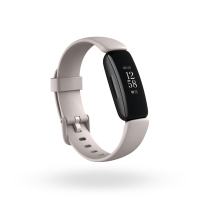
【100% Original】Fitbit Inspire 2 Smart Fitness Heart Rate Activity Tracker Smart Watches
₱4,199.00₱7,999.00
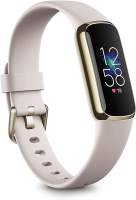
Fitbit Luxe Fitness and Wellness Tracker with Stress Management Sleep Tracking and 24/7 Heart Rate Black/Graphite One Size (S & L Bands Included)
₱7,690.00₱8,490.00
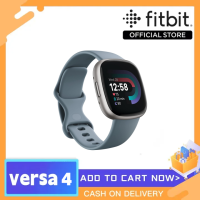
Fitbit Versa 4/Versa 3 / Versa 2 / Versa 2 Special Edition and Fitness Smartwatch Sports Watch with Heart Rate Music Alexa Built-in Sleep & Swim Tracking Watch For Men And Women Couple Watches One Size (S & L Bands Included)
₱15,800.00₱17,999.00
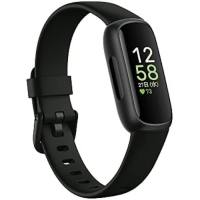
【100% Original】Fitbit Inspire 3 Fitness Tracker Midnight Zen/Black 【Multiple colors to choose from】
₱6,880.00₱8,999.00
【100% Original】Fitbit Inspire HR Fitness Tracker Waterproof GPS Heart Rate Track Smartwatch
₱3,599.00₱6,900.00
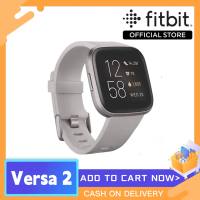
Fitbit Versa 2 Health and Fitness Smartwatch Sports Watch with Heart Rate Music Alexa Built-in Sleep Swim Tracking Watch For Men And Women Couple Watches One Size (S L Bands Included)
₱6,288.06₱11,260.94
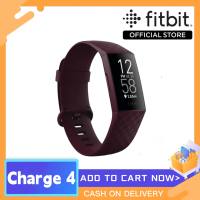
Fitbit Charge 5 /Charge 4 / Charge 3 / Charge 2 Health and Fitness Tracker Watch with Sleep Monitor Pedometer Time Display Heart Rate and Calorie TrackerFor Men And Women Couple Watches
₱7,698.75₱12,999.13
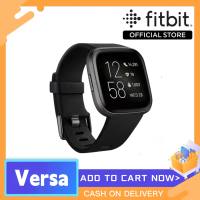
Original Fitbit Versa Health and Fitness Smartwatch Sports Watch with Heart Rate Sleep Swim Tracking Watch For Men And Women Couple Watches One Size (S L Bands Included)
₱4,387.73₱8,970.05
About Fitbit
Fitbit is an American consumer electronics and digital health brand best known for its wearable fitness trackers, smartwatches, and health-monitoring software. Founded in 2007, Fitbit helped popularize the wearable fitness tracker industry by making it easy for users to monitor daily physical activity, sleep, heart rate, and overall wellness. Since 2021, Fitbit has operated as part of Google following Google’s acquisition of the company. [1]
Overview
-
Brand Name: Fitbit
-
Industry: Consumer Electronics, Wearable Technology, Digital Health
-
Founded: 2007
-
Founders: James Park and Eric Friedman
-
Headquarters: San Francisco (original headquarters)
-
Parent Company: Google (since 2021)
-
Website: Fitbit Official Website
History
Fitbit was founded in 2007 with the vision of making health and fitness tracking accessible to everyone. The company’s first products focused on counting steps and estimating calories burned using motion sensors. As wearable technology evolved, Fitbit expanded its portfolio to include advanced fitness trackers and smartwatches capable of monitoring heart rate, sleep quality, blood oxygen levels (SpO₂), stress, and exercise performance. [2]
Throughout the 2010s, Fitbit became one of the world’s leading wearable technology companies. It sold more than 100 million devices globally and built a community of tens of millions of active users through its companion mobile application and cloud-based health platform. [3]
In November 2019, Google announced plans to acquire Fitbit for approximately $2.1 billion. The acquisition was completed in January 2021 after receiving regulatory approval, making Fitbit part of Google’s Devices & Services division. Google stated that Fitbit’s health and wellness data would not be used for Google advertising. [4]
Products
Fitbit offers several categories of wearable devices designed for different users.
Fitness Trackers
These lightweight devices primarily focus on health and activity tracking.
Popular models include:
-
Fitbit Charge series
-
Fitbit Inspire series
-
Fitbit Luxe
-
Fitbit Ace (designed for children)
Smartwatches
Fitbit’s smartwatches combine fitness tracking with smartwatch features such as notifications, apps, music controls, GPS, and voice assistants.
Notable smartwatch families include:
-
Fitbit Versa
-
Fitbit Sense
Software Ecosystem
The Fitbit experience extends beyond wearable devices through the Fitbit mobile application, available for Android and iOS.
The app provides:
-
Daily activity tracking
-
Step counting
-
Distance measurement
-
Calorie estimation
-
Sleep analysis
-
Heart rate monitoring
-
Workout recording
-
Health trends
-
Goal setting
-
Food and water logging
-
Social challenges
-
Personalized insights
Many advanced analytics and coaching features have historically been available through Fitbit Premium. Google has also been integrating Fitbit services more closely with its broader health ecosystem following the acquisition. [5]
Health Features
Modern Fitbit devices include a wide range of health-monitoring capabilities, including:
-
Continuous heart rate monitoring
-
Sleep stage tracking
-
Stress management tools
-
Blood oxygen (SpO₂) monitoring (supported models)
-
Skin temperature trends (supported models)
-
ECG (electrocardiogram) functionality on selected devices
-
Exercise tracking
-
Active Zone Minutes
-
Women’s health tracking
-
Guided breathing sessions
Some features vary depending on the specific device and country due to regulatory approvals.
Technology
Fitbit wearables incorporate multiple sensors, including:
-
Accelerometer
-
Optical heart rate sensor
-
GPS (built-in or connected)
-
Altimeter
-
Gyroscope
-
Ambient light sensor
-
Temperature sensor (selected models)
-
Electrical sensors for ECG (selected models)
The collected data is synchronized with the Fitbit mobile app, allowing users to monitor long-term health trends and fitness progress.
Target Audience
Fitbit products are designed for a broad range of users, including:
-
Beginners starting a fitness journey
-
Casual exercisers
-
Runners and cyclists
-
Weight management users
-
Individuals interested in sleep improvement
-
Wellness-focused consumers
-
Families using child-friendly trackers
-
Corporate wellness program participants
Competitive Landscape
Fitbit competes with several major wearable technology brands, including:
-
Apple (Apple Watch)
-
Samsung (Galaxy Watch)
-
Garmin
-
Huawei
-
Xiaomi
-
Polar
-
COROS
Privacy and Data Security
Fitbit collects health and activity information to provide personalized insights and wellness features. Following Google’s acquisition, Google committed that Fitbit health and wellness data would not be used for Google Ads and that users would retain controls over their personal data through Fitbit and Google privacy settings. [6]
Legacy and Impact
Fitbit is widely regarded as one of the pioneers of the modern wearable fitness industry. Its products helped bring activity tracking into the mainstream by encouraging users to monitor daily movement, improve sleep habits, and maintain healthier lifestyles. The company’s emphasis on user-friendly design, mobile integration, and community-based fitness challenges influenced the development of today’s smartwatch and digital health markets. Even after becoming part of Google, the Fitbit brand remains closely associated with consumer health tracking and wearable wellness technology. [7]