Shop on Lazada
GNC products
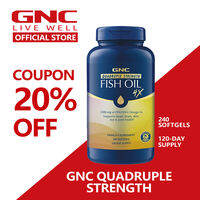
Gnc QUADRUPLE Strength Fish Oil 240 Softgels Omega3 Supplement Omega-3s Supports heart brain skin eye& joint health
₱2,999.00₱9,999.00
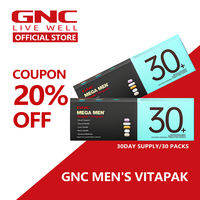
GNC MEGA MEN Vitapak Program Mood support Liver Health Bone Health General Wellness Theanine L-Arginine Milk Thistle Calcium Multivitamin
₱1,266.00₱9,999.00
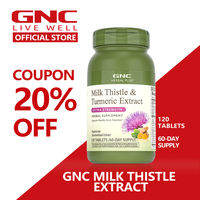
Gnc Milk Thistle& Turmeric Extract 120 Tablets Extra Stength Herbal Supplement Support Healthy Liver Function Vegetarian Standardized Extract Herbal Plus
₱1,122.00₱9,999.00
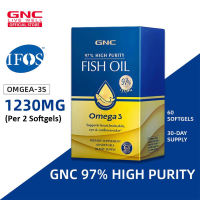
GNC 97% High Purity Fish Oil Omega3 Support heart brain skin eye & cardiovascular 60softgels
₱2,012.96₱3,333.00
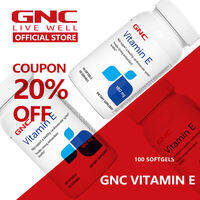
GNC VITAMIN E
₱788.00₱1,688.00
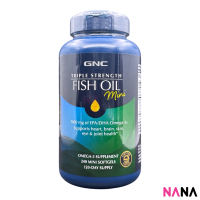
GNC Triple Strength Fish Oil 240mini softgels
₱2,430.00₱2,830.00
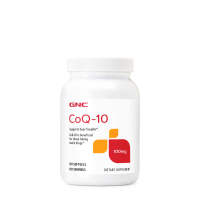
GNC CoQ-10 100mg 120 Softgels supports heart health* and is beneficial for those taking statin drugs COENZYME Q-10 DIETARY SUPPLEMENT
₱1,699.00₱2,600.00
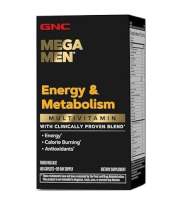
GNC MEGA Men Energy and Metavbolism Multivitamin 180 Caplets
₱3,451.36₱3,911.76
About GNC
GNC (formerly General Nutrition Centers) is an American health and wellness company best known for retailing vitamins, dietary supplements, sports nutrition products, herbal remedies, protein powders, and performance enhancers. Founded in 1935 in Pittsburgh, Pennsylvania, GNC has evolved from a small health food store into a major international specialty retailer with significant operations in the United States and global markets.1
Overview
| Category | Information |
|---|---|
| Brand name | GNC |
| Former name | General Nutrition Centers |
| Founded | 1935 |
| Founder | David Shakarian |
| Founded in | Pittsburgh, Pennsylvania, United States |
| Industry | Health, wellness & nutritional supplements |
| Main products | Vitamins, minerals, supplements, protein, sports nutrition, herbal products, wellness products |
| Business model | Retail, e-commerce, franchising and international operations |
| Headquarters | Pittsburgh, Pennsylvania, USA |
| Current corporate entity | GNC Holdings, LLC |
| Current ownership | Controlled by Harbin Pharmaceutical Group following GNC’s 2020 restructuring |
| Current status | Privately held |
| Website | GNC.com |
GNC describes itself as a global health and wellness company, with products sold in more than 40 countries through an extensive international retail and franchise network.2
History
1935: The beginning
GNC traces its origins to 1935, when David Shakarian opened a small health food store in Pittsburgh named Lackzoom. According to company history, Shakarian recorded only $35 in sales on his first day.3 The business was founded on the premise of providing consumers with products associated with nutrition and healthy living. As public interest in vitamins and natural foods grew over subsequent decades, the business expanded and eventually adopted the name General Nutrition Centers, which became widely recognized by the abbreviation GNC.
1960s–1990s: Expansion
During this period, GNC transitioned from a traditional health food retailer to a specialist vendor of vitamins, minerals, herbal supplements, sports nutrition, protein products, weight management aids, and specialty nutritional items. The company expanded its physical store network across the United States and later internationally, establishing its identity as a dedicated nutritional supplement retailer rather than a general health food shop.
1999: Acquisition by Numico
In 1999, GNC was acquired by Numico, a Dutch nutrition company. Historical SEC filings identify Numico USA as the entity that acquired General Nutrition Companies, Inc. in August 1999.4 This acquisition placed GNC under international corporate ownership and supported its subsequent expansion efforts.
2003: Apollo-era ownership
In 2003, an entity formed by Apollo Management and members of GNC management acquired the company from Numico USA. The new corporate structure was established as GNC Holdings, and the company continued to operate as a major specialty retailer of nutritional products.5
Public listing and operations
GNC eventually became a publicly traded company in the United States. Its corporate parent, GNC Holdings, Inc., was listed on the New York Stock Exchange under the ticker GNC. For many years, it operated as a large public retailer with thousands of stores and an extensive franchise network. Its business model comprised both proprietary GNC-branded products and third-party brands. This distinction is significant; GNC functioned not merely as a manufacturer but as a retail platform for numerous other supplement companies, offering an assortment that included private-label items alongside nationally recognized external brands.6
2020 Bankruptcy and restructuring
A pivotal event in GNC’s modern history occurred on June 23, 2020, when GNC Holdings and certain subsidiaries filed for Chapter 11 bankruptcy protection in the United States.7 The company faced significant financial pressure due to its large store footprint, shifting consumer shopping habits, and the added strain of the COVID-19 pandemic. The restructuring aimed to reduce debt, optimize the store portfolio, improve financial stability, and secure a long-term ownership solution. Consequently, GNC’s NYSE-listed shares were suspended in June 2020 and subsequently delisted.8
Acquisition by Harbin Pharmaceutical Group
During the bankruptcy proceedings, Harbin Pharmaceutical Group Holding Co., Ltd., a Chinese pharmaceutical company, emerged as the successful buyer. GNC and Harbin entered into a stalking-horse agreement in August 2020, and no competing bid ultimately surpassed it.9 On October 7, 2020, the transaction was completed, with Harbin acquiring 100% of the equity interests in New GNC, which held substantially all of GNC’s assets.10
GNC emerged from bankruptcy as a privately held company. It is important to note that the current GNC operates under a different corporate structure than the pre-2020 publicly traded GNC Holdings, Inc., although the consumer-facing brand remained intact.
Product portfolio
GNC offers a broad range of products across several core categories.
Vitamins and minerals
The vitamin selection includes multivitamins, Vitamin D, Vitamin C, B-complex vitamins, magnesium, zinc, calcium, and specialty formulations. GNC has developed dedicated product lines for specific demographics, including GNC Mega Men and GNC Women’s.11
Sports nutrition
Sports nutrition is one of GNC’s most recognizable categories. Products include whey protein, plant-based protein, creatine, amino acids, BCAAs, pre-workout supplements, recovery aids, mass gainers, and sports-specific vitamins. The GNC Pro Performance line is positioned specifically around athletic needs, featuring protein, creatine, and performance supplements.12
Protein
Protein products are a central component of GNC’s assortment. The retailer sells both its own proprietary protein powders and those from major third-party brands such as Optimum Nutrition.13
Herbal and natural products
The inventory includes products based on herbs, botanical extracts, natural ingredients, digestive health aids, and general wellness support.
Weight management
GNC has historically offered products targeting weight management, meal replacement, metabolism support, and sports performance. One of its branded lines in this category is GNC Total Lean.14
Health and beauty
The assortment extends to beauty supplements, skin wellness products, hair and nail care, and general health items.
Major GNC-owned brands
While GNC serves as the primary retail brand, the company operates numerous proprietary sub-brands.
GNC AMP
GNC AMP is a performance-oriented brand focusing on athletic performance, muscle development, recovery, and energy.15 A notable product in this line is AMP Wheybolic, a protein series positioned around high protein content, leucine, and recovery support.16
GNC Pro Performance
GNC Pro Performance focuses heavily on sports nutrition, including whey protein, creatine, mass gainers, amino acids, and other performance supplements. GNC identifies Pro Performance as one of its primary performance brands.17
GNC Mega Men
Mega Men is GNC’s men’s health and multivitamin family, featuring formulations targeted at different age groups and lifestyles, including 50+ and sport-specific variants.18
GNC Women’s
This range includes multivitamins and nutritional products specifically formulated for women’s health needs.19
Beyond Raw
Beyond Raw is another major performance-oriented brand within the GNC portfolio, particularly known for pre-workout and sports performance products.20
Third-party brands
GNC operates as both a brand owner and a retailer. Its stores and website carry numerous external brands, including Optimum Nutrition, GHOST, Cellucor, Dymatize, BSN, Garden of Life, Barebells, Alani Nu, JYM, and Nugenix, depending on market availability.21 This model functions similarly to a specialty supermarket for nutritional products rather than a single-brand outlet.
Business model
Physical retail
Physical stores have historically been central to GNC’s operations, allowing customers to purchase supplements, consult with staff, compare products, and pick up online orders. The company’s international information page describes a network comprising thousands of retail locations and international operations.22
E-commerce
GNC operates a comprehensive online store through GNC.com, selling thousands of proprietary and third-party products.23
Franchising and international operations
Outside the United States, GNC utilizes a combination of franchise stores, joint ventures, licensing agreements, local operating partners, and e-commerce platforms. International markets span Asia, the Middle East, Europe, Latin America, and other regions.24
International presence
GNC has established a significant international footprint. Markets have included Australia, Bangladesh, China/Hong Kong, India, Indonesia, Malaysia, Mexico, Singapore, South Korea, Taiwan, Thailand, United Arab Emirates, Saudi Arabia, South Africa, Sri Lanka, Romania, Costa Rica, Guatemala, and Honduras. The exact retail presence fluctuates as international operations are often managed through local partners and franchise arrangements.25
Presence in Southeast Asia
GNC maintains a presence in various Southeast Asian markets, including Malaysia, Singapore, Thailand, and Indonesia. In these regions, GNC is commonly associated with protein powders, multivitamins, creatine, sports supplements, fish oil, and weight management products. These markets are relevant due to their developed shopping mall ecosystems and growing fitness culture. However, product availability, authorized retailers, formulations, and pricing may differ from the United States market. Consumers are advised to distinguish between products sold through authorized local channels and independent imports.
Science and product quality
GNC emphasizes product quality and scientific evaluation. The company states it maintains internal scientific, regulatory, and nutrition teams staffed by PhD- and master’s-level scientists who evaluate product formulation, ingredient sourcing, safety, regulatory compliance, manufacturing standards, labeling, and marketing claims. GNC reports having invested in more than 100 clinical studies involving ingredients, technologies, and finished products.26 While the company employs extensive testing and quality control checkpoints,27 dietary supplements should be evaluated based on evidence for individual ingredients and intended use.
Brand positioning
GNC positions itself as a specialist health and wellness retailer connecting consumers with vitamins, supplements, sports nutrition, and wellness products. Its target audience includes:
- General wellness consumers: Seeking multivitamins, minerals, general nutrition, and healthy aging products.
- Fitness consumers: Interested in protein, creatine, pre-workout, recovery, muscle building, and sports performance.
- Lifestyle consumers: Focused on weight management, beauty, energy, digestive health, and herbal products.
This broad positioning allows GNC to remain recognizable beyond the niche bodybuilding market.
Competitive advantages
- Long history: Operating since 1935, GNC possesses over 90 years of brand heritage.28
- Strong brand recognition: “GNC” remains one of the most recognizable names in nutritional supplement retail.
- Physical retail network: Unlike many online-first supplement brands, GNC built its identity around physical specialty stores.
- Broad product assortment: The ecosystem ranges from basic vitamins to advanced sports performance products.
- Private-label products: Proprietary brands provide greater control over development, positioning, and margins.
- International reach: The brand has established global presence through franchise and licensing arrangements.29
Challenges
Changing consumer behavior
Consumers increasingly purchase supplements via Amazon, brand websites, online marketplaces, fitness influencers, and direct-to-consumer brands, reducing the traditional advantage of physical specialty retail.
Competition
GNC competes with online supplement retailers, supermarkets, pharmacies, sports nutrition brands, direct-to-consumer companies, and large e-commerce platforms.
Store economics
Maintaining thousands of physical locations entails significant rent, labor, inventory, logistics, and management costs. These factors contributed to the financial pressures leading to the 2020 restructuring.
Post-bankruptcy era
Following its acquisition by Harbin Pharmaceutical Group, GNC continued operating as a restructured private company. The firm has focused on retail optimization, e-commerce, product innovation, sports nutrition, international business, private-label development, and omnichannel shopping. In July 2026, GNC announced the full repayment of a $152 million second-lien credit facility, stating that the move strengthened its financial position. The company reported repaying the $160 million outstanding balance at a discount to par as of June 30, 2026.30 This milestone indicates significant recovery from the financial distress associated with the 2020 bankruptcy.
Current status (2026)
As of 2026, GNC operates as a privately held health and wellness business rather than a publicly traded U.S. company. Its identity centers on health, nutrition, fitness, and wellness. The company continues to sell proprietary products alongside external brands across categories including vitamins, supplements, protein, sports nutrition, herbal products, weight management, and wellness. Corporate messaging emphasizes its historical legacy, scientific approach to quality, and the goal of helping consumers “Live Well.”31
Timeline
| Year | Event |
|---|---|
| 1935 | David Shakarian starts the business in Pittsburgh |
| 1930s–60s | Business develops around health foods and nutrition |
| Later decades | Expands into vitamins and nutritional supplements |
| 1999 | Acquired by Numico |
| 2003 | Apollo Management and management acquire the company |
| 2000s–2010s | GNC expands its U.S. and international retail footprint |
| 2011 | GNC becomes publicly traded on NYSE |
| 2018–2019 | Harbin Pharmaceutical Group makes significant investments in GNC |
| June 2020 | GNC files for Chapter 11 bankruptcy |
| August 2020 | Harbin becomes stalking-horse bidder |
| October 7, 2020 | Harbin completes acquisition of substantially all GNC assets |
| 2020 onward | GNC operates as a private company |
| 2020s | Focus shifts toward omnichannel retail, brand development and international business |
| July 2026 | GNC announces full repayment of its second-lien credit facility |
The 2020 bankruptcy and acquisition are documented in GNC’s SEC filings.32
References
- About Us- The GNC Story | GNC
- International Websites | GNC
- GNC Science and Research Team Information
- SEC
- SEC
- Form 8-K
- gnc-20200630
- Form 8-K
- 8-K
- Shop Health and Fitness Brands | GNC
- Shop Our Best Multivitamins For Men and Women
- GNC Pro Performance® Products | GNC
- Protein Powders and Supplements | GNC
- Shop & Save On GNC AMP Products | GNC
- Discover GNC AMP Wheybolic
- Shop & Save On GNC Brand Vitamins and Supplements | GNC
- Learn about the GNC Difference | GNC
- GNC Fully Repays $152 Million Second Lien Credit Facility, Advancing Financial Flexibility | GNC
- GNC Strengthens Brand Leadership in Singapore Through Strategic Growth and Legal Action to Protect Consumers | GNC
- Floyd Mayweather’s 101 Supplements Debut Nationwide at GNC | GNC
- GNC Secures Debt Deal to Bolster Working Capital Operations | GNC
- Behind the Scenes at GNC: The Gerome Family’s Passion for Health, Fitness, and Community
- Our Safety, Security, & Privacy Policies | GNC
- GNC Relaunches in Singapore via Watsons Partnership
- GNC Secures $45M Arbitration Awards Against ONI/LAC Global
- GNC Breaks New Ground with Laura Dalton’s Exclusive Market Expansion | GNC
- Privacy Statement | GNC
- GNC’s Mona and Ash Bailey Chosen as the International Franchise Association’s 2023 Franchisee of the Year | GNC
- Our Accessibility Statement | GNC
- sec.gov
- sec.gov
- 8-K