Shop on Lazada
Grendha products
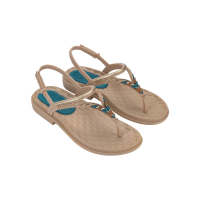
Grendha Envolver Sand Beige Comfortable Sandals for Ladies
₱1,695.00
Buy on Lazada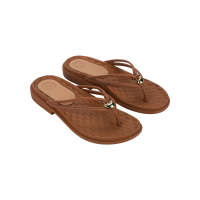
Grendha Envolver Brown Comfortable Slippers for Ladies
₱1,195.00
Buy on Lazada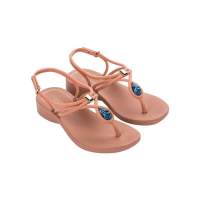
Grendha Esplendida Brown Comfortable Sandals for Ladies
₱1,271.25₱1,695.00
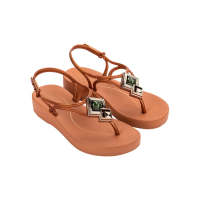
Grendha Joia Plat Sandal Metallic Dark Brown Comfortable Sandals for Ladies
₱1,695.00
Buy on Lazada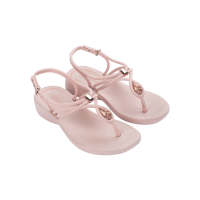
Grendha Esplendida Light Nude Comfortable Sandals for Ladies
₱1,271.25₱1,695.00
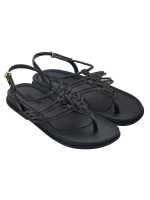
Grendha Detalhes Sand Black Comfortable Sandals for Ladies
₱1,400.00₱1,895.00
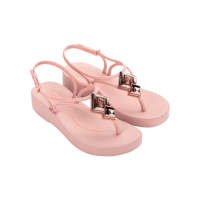
Grendha Joia Plat Sandal Light Nude Comfortable Sandals for Ladies
₱1,695.00
Buy on Lazada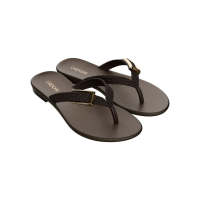
Grendha Luz Rast Black Comfortable Slippers for Ladies
₱995.00
Buy on LazadaAbout Grendha
Grendha is a Brazilian footwear brand specializing primarily in women’s casual footwear, particularly sandals, flats, slides, platforms, and other lightweight styles. Established in 1994 by Grendene S.A., one of Brazil’s largest footwear manufacturers, the brand was created to serve a specific segment of the women’s market with an identity centered on fashion, practicality, versatility, comfort, and everyday femininity.
Today, Grendha operates as part of Grendene’s portfolio alongside brands such as Melissa, Ipanema, Rider, Zaxy, Cartago, and Grendene Kids. In the Philippines, the brand maintains an official local e-commerce presence managed by Istila Companhia Inc., offering a curated assortment of women’s sandals and casual footwear tailored to tropical climates and daily wear.5
Overview
| Category | Information |
|---|---|
| Brand | Grendha |
| Origin | Brazil |
| Founded | 1994 |
| Parent company | Grendene S.A. |
| Industry | Footwear / fashion |
| Primary market | Women’s footwear |
| Main products | Sandals, flats, slides, platforms and casual footwear |
| Brand positioning | Accessible, fashionable everyday footwear |
| Design character | Feminine, casual, trend-driven and versatile |
| Notable celebrity association | Ivete Sangalo |
| International presence | Exported and sold in markets outside Brazil |
History
Origins
Grendha was launched in 1994 by Grendene, a Brazilian footwear company founded in 1971. Having already established itself through brands like Melissa and Rider, Grendene introduced Grendha to target a distinct segment of the women’s footwear market. This launch was part of a broader corporate strategy to develop individual brands with unique target audiences and aesthetics rather than consolidating all products under a single corporate identity.
Consequently, Grendha emerged as a women-focused casual footwear brand, distinguishing itself from Rider, which concentrated on men’s footwear, and Melissa, which developed a stronger fashion and design identity.
Celebrity marketing and Ivete Sangalo
Celebrity marketing has been a significant element of Grendha’s identity since its early years. Historical materials from Grendene identify Brazilian singer Ivete Sangalo as one of the key personalities associated with the brand’s initial launches. By 2002, Sangalo had become Grendha’s commercial “godmother,” a partnership that helped associate the footwear with Brazilian popular culture and recognizable female figures rather than presenting it solely as functional manufacturing. Various actresses and models have also appeared in subsequent campaigns, reinforcing this lifestyle-oriented image.6
Brand identity
Grendha’s current positioning focuses strongly on women and everyday life. The brand describes its purpose as supporting women who create and shape their own stories, offering footwear designed to accompany them through the demands of daily routine.1 Its design philosophy combines current fashion trends with practicality, drawing aesthetic influences from glamorous, ethnic, and traditional elements and adapting them into wearable everyday footwear.2
This approach places Grendha between inexpensive basic footwear and high-fashion labels; products are intended to look stylish while remaining practical enough for frequent use. The official Philippine operation specifically highlights that the footwear combines beauty, safety, flexibility, and softness, utilizing sole technologies intended to enhance walking comfort.1
Product philosophy
The brand’s product assortment available in markets including the Philippines encompasses:
- Flat sandals
- Slides
- Platform sandals
- Strappy sandals
- Casual sandals
- Flats
- Other seasonal women’s footwear
Current collections demonstrate the use of neutral colors such as black, brown, mocha, and off-white, alongside metallics, glitter finishes, and more decorative designs suited to both casual and semi-polished outfits.8
Brazilian footwear heritage
Grendha’s identity is closely connected to the broader Brazilian tradition of lightweight, colorful, and synthetic footwear. This heritage stems from its parent company, Grendene, which began as a plastics manufacturer in 1971 before moving into footwear components. In 1979, the company introduced its first major plastic sandal products, including early Melissa styles. This extensive experience with molded footwear became a foundational part of Grendene’s technological and manufacturing capabilities.3
Grendha subsequently carved out its own niche within this ecosystem, focusing on women’s casual fashion rather than replicating the design-centric identity of its sister brands.
Relationship with Grendene
It is important to distinguish Grendha from Grendene. Grendha is a consumer brand, while Grendene S.A. is the parent footwear company. Founded in 1971, Grendene has grown into a major vertically integrated manufacturer with facilities in Brazil and proprietary mold-making and PVC production capabilities.4
The company reports an installed production capacity of approximately 250 million pairs per year across its industrial operations.4 As a result, Grendha benefits from the manufacturing infrastructure, materials expertise, distribution network, and international reach of a significantly larger footwear group.
International presence
Although Brazilian in origin, Grendha is distributed internationally through Grendene’s global export network. Corporate information confirms that the brand is present in markets worldwide via local distributors, retailers, and regional operations.5
In the Philippines, Grendha operates an official local e-commerce store managed by Istila Companhia Inc. This localized operation ensures that Filipino consumers have access to authentic products, including women’s sandals and casual footwear suited to local preferences and climate conditions.5
Sustainability
Sustainability has increasingly become part of Grendha’s contemporary messaging. The Philippine operation describes the brand as pursuing more accessible and responsible fashion, while Grendene’s corporate sustainability reporting covers environmental, manufacturing, and social initiatives across its entire portfolio.7
Consumers should note the distinction between Grendha’s general sustainability positioning and claims regarding individual products. Specific material compositions, certifications, or environmental characteristics should be verified against individual product specifications rather than assumed to apply universally across all Grendha items.
Target consumer
Grendha’s primary audience comprises women seeking fashionable yet practical everyday footwear. The brand appeals particularly to consumers looking for:
- A feminine appearance without highly formal styling
- Comfortable shoes suitable for daily activities
- Sandals versatile enough for multiple occasions
- Current fashion details at an accessible price point
- Lightweight construction
- Brazilian-inspired casual aesthetics
- A balance between visual appeal and functionality
This emphasis on versatility allows Grendha footwear to bridge the gap between casual daily wear, vacation or beach attire, and more polished everyday ensembles.7
Market positioning
Grendha is broadly positioned as an accessible fashion and casual footwear brand. It does not compete as a luxury house; instead, its value proposition revolves around combining fashion trends, recognizable Brazilian design influences, comfort, and relatively accessible pricing.
This differentiates it from other Grendene brands. While Melissa is associated with art, design collaborations, and high fashion, and Ipanema maintains a strong beach-lifestyle identity, Grendha is specifically linked to women’s everyday casual footwear and versatility.7
Brand evolution
Grendha’s development can be traced through several key stages:
- 1994: Grendene introduces Grendha to target a specific segment of the women’s footwear market.6
- Late 1990s–early 2000s: The brand expands its women’s assortment and utilizes celebrity-led marketing to build recognition.
- 2002: Ivete Sangalo becomes closely associated with the brand’s commercial image.6
- 2000s–2010s: Grendha expands internationally through Grendene’s export and distribution network.
- 2020s: The brand increasingly emphasizes women, everyday life, versatility, comfort, and responsible fashion.7
- 2026: Grendha continues operating within Grendene’s portfolio, offering contemporary women’s collections including sandals, flats, slides, and platform styles.8
Summary
Grendha is a Brazilian women’s casual-footwear brand founded by Grendene in 1994, known for combining contemporary feminine fashion with practical, versatile, and comfortable sandals and other everyday footwear.9