Shop on Lazada
Häfele products
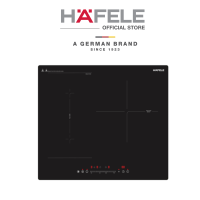
Hafele Built-In Electric Induction Hob 3-Zones with Boost Flexi-Bridge 60Cm
₱25,999.00
Buy on Lazada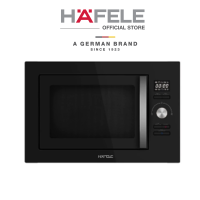
Hafele Built in Microwave Oven 25L
₱16,999.00
Buy on Lazada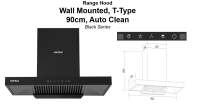
Hafele Wall Mounted Hood with Touch Control 60cm/90cm - Black
₱16,999.00
Buy on Lazada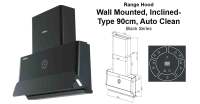
Hafele Frankfurt Wall Mounted Hood with Touch Control 90cm - Black
₱29,999.00
Buy on Lazada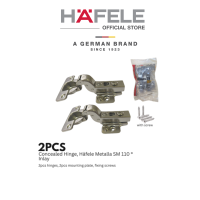
Hafele Soft Close Concealed Hinge Häfele Metalla Sm 110 ° Inlay Midlay Full Overlay for Wooden Doors
₱329.00
Buy on Lazada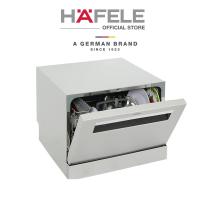
Hafele Table Top Dishwasher Hdw-T50B Easy Installation Portable Countertop Dishwasher
₱27,499.00
Buy on Lazada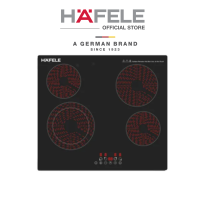
Hafele Built-In Electric Ceramic Hob 4-Zones 60Cm
₱20,999.00
Buy on Lazada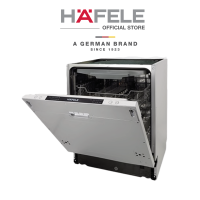
Hafele Mannheim 031 Built-In Fully Integrated Dishwasher
₱41,999.00
Buy on LazadaAbout Häfele
Company overview
Häfele is a German family-owned enterprise specializing in furniture fittings, architectural hardware, electronic access-control systems, lighting, kitchen and home appliances, and integrated building solutions. Established in 1923, the company has grown from a regional hardware supplier in Germany into an international organization serving customers in over 150 countries 2. Rather than functioning solely as a hardware vendor, Häfele operates as a manufacturer, product developer, distributor, engineering partner, and solutions provider for the furniture, kitchen, hospitality, and construction sectors. The company characterizes its scope as delivering solutions across the domains of “construction and living” 1.
| Item | Details |
|---|---|
| Brand | Häfele |
| Founded | 1923 |
| Country of origin | Germany |
| Headquarters | Nagold, Baden-Württemberg, Germany |
| Ownership | Family-owned |
| Industry | Furniture fittings, architectural hardware, building/interior solutions |
| Core markets | Furniture, kitchens, architecture, construction, hospitality, residential and commercial interiors |
| International reach | Customers in 150+ countries |
| Global employees | 8,000+ |
| Business model | Manufacturer + distributor + engineering/solutions provider |
| Major product areas | Furniture fittings, architectural hardware, lighting, electronic access, kitchen/home appliances, sanitary/bathroom products |
| Thailand operation | Häfele (Thailand) Co., Ltd., established 1994 |
Häfele employs more than 8,000 people worldwide and maintains an extensive international network comprising subsidiaries and authorized dealerships 2.
History
Founding and early years
The company was founded in 1923 by Adolf Häfele and Hermann Funk as a supplier of hardware and tools in Germany. It became closely associated with Nagold, a town in the Black Forest region known for its furniture manufacturing tradition 3. Initially, the business was small and primarily served local carpenters, joiners, and furniture makers by providing essential components and hardware. This foundational relationship with professional craftsmen remains central to the corporate identity.
International expansion and catalog development
Häfele began exporting products early in its history, with records indicating that foreign exports commenced in 1933 4. During this period, the company also started developing comprehensive catalogs to assist customers in selecting furniture fittings. This initiative marked a strategic shift from being a local merchant to becoming a specialized information and distribution partner for the broader furniture industry.
Post-war specialization
Following World War II, Häfele expanded its operations to focus on the growing furniture sector. The company developed specialized expertise in furniture connectors, hinges, drawer systems, cabinet hardware, sliding-door mechanisms, and architectural fittings. Over time, this technical proficiency in professional furniture production components became a primary competitive advantage.
Transition to global systems provider
A defining transformation in the company’s history was its evolution from a specialist hardware supplier into a global systems and solutions provider. Instead of offering isolated items such as screws or handles, Häfele began developing complete integrated systems. For example, rather than supplying only a cabinet hinge, the company offers combined solutions encompassing hinges, mounting plates, drawer systems, connectors, handles, lighting, internal fittings, and installation guidance. This approach reduces sourcing complexity for furniture manufacturers, architects, designers, and contractors. Häfele currently identifies as both a manufacturer and a dealer, providing over 150,000 hardware solutions for construction and living environments.
Product portfolio
Furniture fittings
Furniture fittings represent the category most historically associated with Häfele. The range includes cabinet hinges, drawer systems and runners, furniture connectors, shelf supports, wardrobe fittings, folding and lift-up mechanisms, sliding and pocket-door systems, handles, locks, and specialized fittings for tables, beds, and kitchen storage. The company has developed several proprietary systems in this segment, including Free flap fittings, Slido sliding-door systems, Ixconnect connector technology, and Matrix drawer systems 5.
Architectural hardware
Architectural hardware comprises products used on doors and within buildings rather than exclusively inside furniture. Key offerings include door handles, hinges, locks, closers, glass-door hardware, sliding-door hardware, and electronic locking systems. This category enables Häfele to participate in projects ranging from individual residential units to large-scale commercial and hospitality developments.
Electronic access and smart locks
Expanding beyond mechanical hardware, Häfele provides electronic access control solutions. These include electronic and digital door locks, access systems for hotels, residential and commercial properties, RFID-based technologies, and smart building applications. This sector bridges traditional architectural hardware with digital building technology, positioning the company at the intersection of hardware, furniture, electronics, and smart infrastructure.
Lighting
Lighting is a significant product category, particularly for furniture and interior applications. The Loox platform provides LED lighting and associated control components for kitchens, wardrobes, shelves, under-cabinet illumination, and sensor-controlled architectural lighting. Strategically, this allows lighting to be integrated directly into furniture projects alongside fittings and electrical components, enabling the supply of multiple interconnected elements for a single interior.
Kitchen and home appliances
In various markets, Häfele is also recognized as a supplier of kitchen and household appliances. The portfolio includes hobs, induction cooktops, ovens, microwaves, range hoods, dishwashers, refrigerators, wine coolers, coffee machines, small kitchen appliances, sinks, and accessories. In Southeast Asian markets such as Thailand, Home Appliances are presented as a major category alongside architectural hardware and furniture fittings 9. Consequently, consumers in the region may encounter Häfele as a comprehensive kitchen and home equipment brand rather than solely a hardware supplier.
Bathroom and sanitary products
The product range extends to bathroom-related items, including sanitary ware, toilets, wash basins, faucets, showers, bathroom accessories, furniture, and fittings. Specific regional operations list Sanitary products as a principal category alongside other core offerings 9.
Business philosophy and engineering
Häfele’s business model focuses on solving technical problems for professionals rather than simply retailing consumer goods. Its customer base includes furniture manufacturers, cabinet makers, woodworkers, architects, interior designers, contractors, property developers, kitchen companies, retailers, hotels, offices, and homeowners. The company emphasizes close collaboration with these clients to understand specific requirements and develop or source appropriate solutions.
Engineering capabilities
Beyond distribution, Häfele engages in specialized engineering activities:
- Product Engineering: Development of hardware and fitting products.
- System Engineering: Integration of components into cohesive systems.
- Packaging Engineering: Creation of packaging and delivery solutions for industrial clients.
The company manufactures hardware and fittings at six locations globally and supports international furniture industry customers throughout the value chain 7. This engineering capacity distinguishes Häfele from conventional hardware retailers.
Brand proposition and market position
Häfele’s market positioning can be summarized as providing everything required to make furniture, interiors, and buildings function effectively. Its competitive proposition combines German engineering and product quality with an extensive product range, system compatibility, international availability, technical support for professionals, and robust logistics capabilities. This combination is often considered more critical to the brand’s success than any single product line.
B2B focus
Historically, Häfele has operated primarily as a B2B brand. While homeowners may recognize the name through appliances or digital locks, the core customer base consists of professionals who specify components for large-scale projects. Furniture factories, architects, interior designers, and kitchen manufacturers routinely integrate Häfele systems into their work, giving the company significant influence behind the scenes in the built environment.
Hospitality sector
The hospitality industry is a key application area due to the high volume of components required for door hardware, electronic locks, furniture fittings, wardrobes, bathrooms, lighting, and kitchen equipment. Häfele positions itself as a project partner capable of supplying many of these elements through a single supply chain.
Operations in Thailand and Southeast Asia
Häfele maintains a significant operational presence in Thailand, which serves as a key hub for the Southeast Asian region. Häfele (Thailand) Co., Ltd. was established in 1994, marking over three decades of operations by 2026 8. The Thai subsidiary serves furniture manufacturers, architects, designers, developers, contractors, distributors, and homeowners. Its strategic direction is defined as “Complete Building Solutions,” integrating hardware, fittings, appliances, access systems, lighting, and other interior products 9.
Development milestones
Key milestones in the Thai and regional operations include:
- 1994: Establishment of Häfele Thailand.
- 2003–2007: Development of new offices and showrooms, including Häfele Design Studios.
- 2010–2011: Expansion of logistics facilities and additional Design Studios.
- 2016–2017: Further expansion, including operations in Chiang Mai and Myanmar.
- 2019: 25th anniversary of Häfele Thailand.
- 2023: Global 100th anniversary of Häfele.
- 2024: 30th anniversary of Häfele Thailand 9.
Logistics infrastructure
The company’s regional presence is supported by substantial logistics infrastructure. The Bangna Logistic Center, located at Bangna-Trad KM22 in Samut Prakan, features approximately 10,000 m² of warehouse space with high-bay racking capable of holding 16,000 pallets. The site also includes a 4,200 m² workshop for mock-up production, material testing, and assembly. This facility functions as a regional center supporting Southeast Asian operations 6. Efficient logistics are integral to the business model, ensuring that the extensive product catalog can be delivered effectively.
Design Studios
Häfele operates Design Studios in Thailand to provide architects, designers, contractors, and consumers with physical environments to experience products. These facilities function as showrooms and consultation centers where products are demonstrated in real interior applications, including kitchens, wardrobes, bathrooms, doors, lighting, and smart-access systems.
Quality certification
Quality management is a key aspect of local operations. Häfele Thailand first received ISO 9001 certification in 2005 and upgraded its quality management system to ISO 9001:2015 in 2017 7. This combines the company’s German heritage with formalized quality standards in its local operations.
Ownership and management
Unlike many global hardware corporations, Häfele remains family-owned. Management is currently held by the third generation of the Häfele family, with Sibylle Thierer having become chair of the Häfele Group in 2003 10. This ownership structure supports the brand’s identity as a long-term family enterprise operating as a global technology and hardware business.
Global strategy
Häfele serves customers in more than 150 countries through a network of subsidiaries and dealerships 13. Its global strategy combines international product knowledge with local market execution. While the company develops global product platforms, it adapts its assortment, services, and distribution models to meet the specific needs of individual markets.
Proprietary systems and technologies
The Häfele ecosystem includes numerous proprietary product families and technologies. Notable examples include:
- Loox: LED lighting and lighting-control solutions.
- Slido: Sliding-door systems.
- Free: Flap-fitting systems for overhead cabinet doors.
- Ixconnect: Furniture connector technology.
- Matrix: Drawer-system solutions.
These systems demonstrate that Häfele develops proprietary technologies under its own brand rather than solely reselling third-party products 11.
Differentiation and industry role
Häfele distinguishes itself through five primary factors: breadth of component range, technical specialization in furniture and architectural hardware, systems thinking in product design, professional support for industry stakeholders, and global logistics capabilities. Unlike typical hardware brands that may specialize in a single category like door handles, Häfele covers the entire spectrum from door hardware and electronic access to furniture, lighting, kitchens, bathrooms, and installation components. The brand’s true product is arguably the integrated ecosystem rather than individual items.
For interior designers and architects, Häfele provides functional infrastructure designed to remain visually integrated with interiors. In modern construction, visible elements like cabinets and countertops rely on dozens of invisible technical components—hinges, runners, connectors, lift mechanisms, lighting, and organizers. Häfele supplies many of these semi-visible or hidden elements, making it particularly influential in high-quality furniture and interior construction.
Brand image
The brand identity is strongly associated with German engineering, precision, functionality, reliability, innovation, professionalism, system solutions, and long-term durability. Häfele is positioned as a professional and technical premium brand rather than a fashion-oriented interior label. The company describes its brand as a promise of quality to the furniture industry 12.
Strategic evolution
The company’s history reflects a strategic transition from a hardware supplier to a furniture fittings specialist, then to an architectural hardware supplier, followed by an interior systems provider, and finally to a comprehensive building solutions company incorporating smart access, lighting, and appliances. This evolution explains why modern Häfele showrooms differ significantly from traditional hardware stores, as the company increasingly occupies the space between furniture manufacturing, architecture, interior design, home technology, and building systems.
References
- About us I HÄFELE
- About Häfele – Kitchen Fittings, Home Appliances & Lighting
- Häfele Group
- HÄFELEArchitectural Hardware
- Häfele Industry – Häfele
- Häfele Logistic Center Bangna
- Quality and environmental management –Häfele
- Hafele Partner Portal
- Financial report 2025 Häfele asserts itself in a market environment th – HäfeleHome
- Datenschutz | Hafele Partner Portal
- Über Häfele | Hafele Partner Portal
- Häfele Distribution Center Chiang Mai
- All countries – Häfele