Shop on Lazada
Hollister products
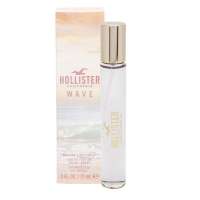
Hollister Wave For Her Eau De Parfum 15ml
₱746.00
Buy on Lazada
Hollister Colostomy Bag Set 70mm Careplus 11204 Item from USA (On Hand in the Philippines)
₱699.00₱799.00

Hollister Colostomy Bags 10 pieces (57mm)
₱3,500.00
Buy on Lazada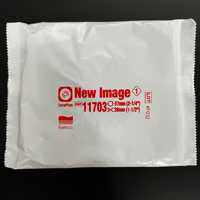
Hollister Cera Plus New Image Colostomy 57mm (1 piece) RED FAMILY
₱500.00
Buy on Lazada
Hollister Ostomy Colostomy Bag 1 Set Brand new unopen 57 MM Careplus 11203 Item from USA (On Hand in the Philippines)
₱729.00₱899.00

Hollister Colostomy 57mm Flange and 1 Pouch/Bag SET
₱679.00
Buy on Lazada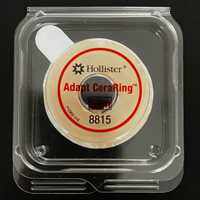
Hollister Barrier Rings Adapt Cera Rings for Ostomy Colostomy Urostomy
₱250.00
Buy on Lazada
Hollister 11403 5 pieces NEW CeraPlus Convex Skin Barrier with Tape. New Sealed No Box
₱2,400.00₱2,899.00
About Hollister
Hollister Co., commonly referred to as Hollister, is an American lifestyle clothing brand owned by Abercrombie & Fitch Co. Launched in 2000, it was originally positioned towards teenagers, specifically high-school-aged consumers, with a brand identity inspired by a relaxed, youthful California and Southern California surf lifestyle. Today, Hollister remains one of Abercrombie & Fitch Co.’s major global brands, featuring a broader Gen Z-oriented positioning that encompasses clothing, denim, intimates, activewear, and lifestyle products.7 It is important to note that Hollister the clothing brand is unrelated to Hollister Incorporated, the employee-owned healthcare company that manufactures ostomy and other medical products.1 The parent company describes Hollister as a brand centred on clothing for “capturing moments, creating memories and being unapologetically you.”4
Quick facts
| Category | Information |
|---|---|
| Official name | Hollister Co. |
| Common name | Hollister |
| Founded / launched | 2000 |
| Parent company | Abercrombie & Fitch Co. |
| Headquarters of parent | New Albany, Ohio, United States |
| Industry | Fashion / apparel / retail |
| Original target market | Teenagers and young consumers |
| Current positioning | Youth-oriented lifestyle / apparel brand, particularly Gen Z |
| Brand inspiration | California, Southern California, surf and relaxed coastal lifestyle |
| Main products | Clothing, denim, tops, bottoms, outerwear, swimwear, underwear, loungewear, activewear, accessories and fragrances |
| Related concepts | Gilly Hicks and Social Tourist |
| Parent-company ticker | NYSE: ANF |
History
Origins
Hollister was created by Abercrombie & Fitch Co. as a new brand in 2000. Unlike the traditional Abercrombie & Fitch brand, which had been repositioned around an East Coast preppy lifestyle, Hollister was designed around a distinctly West Coast concept. Contemporary corporate filings described it as a lifestyle brand aimed at roughly 14–18-year-old high-school consumers, featuring a laid-back California surf aesthetic and a lower price point than Abercrombie & Fitch.2 The concept was deliberately constructed as a lifestyle rather than simply a clothing label; the imagery, stores, music, products, and marketing were all designed to evoke an idealised California beach culture.
The fictional backstory
One unusual aspect of Hollister’s early identity was its supposed connection to John Hollister Sr., a fictional character presented in the brand’s mythology as a California surfer and adventurer. This narrative helped make Hollister feel like an established California lifestyle label even though the brand itself had only been created in 2000. The New Yorker later reported that Abercrombie & Fitch had created fictional histories for several of its brands and that the Hollister name had essentially been selected by the company rather than representing a genuine historical California clothing company.3 Consequently, Hollister the fashion brand was not founded by an actual California surfer named John Hollister.
Relationship with Abercrombie & Fitch
Hollister is a brand of Abercrombie & Fitch Co. rather than an independent fashion company. Abercrombie & Fitch Co.’s portfolio has historically included several distinct brands, each aimed at different consumer groups, with Hollister introduced as the company’s more youth-oriented, California-inspired concept. The basic positioning historically appeared as follows:
- Abercrombie & Fitch — elevated American lifestyle and fashion
- Hollister — youthful, casual, California-inspired lifestyle
- abercrombie kids — children’s apparel
- Gilly Hicks — intimates, underwear, loungewear, and activewear associated with Hollister
- Social Tourist — a trend-focused concept developed with Charli and Dixie D’Amelio
While this portfolio has evolved over time, Hollister has remained one of the company’s central brands.
Brand identity
The core idea behind Hollister has traditionally been “endless summer.” Early corporate descriptions expressed the notion that summer was not simply a season but a state of mind, with Hollister’s clothes intended to let young consumers carry that relaxed summer feeling throughout the year.2 This produced a recognisable aesthetic built around California beaches, surf culture, warm weather, youth, friendship, casual socialising, music, denim, graphic T-shirts, hoodies, sweatshirts, relaxed silhouettes, and casual American style.
In its newer positioning, the brand has placed greater emphasis on confidence, comfort, individuality, and belonging. Hollister’s current purpose statement emphasises helping customers become who they are and feel confident, comfortable, and capable.4
Target demographic
Hollister’s original customer was principally the American high-school teenager, with early corporate filings explicitly describing the brand as being directed toward consumers around 14–18 years old.2 Over time, however, Hollister’s audience has evolved. Rather than being exclusively a teen clothing store, it increasingly presents itself as a Gen Z-oriented lifestyle brand. This shift reflects changes in youth fashion, including less emphasis on rigid gender divisions, greater emphasis on comfort, more inclusive sizing and product offerings, greater influence from social media, increased importance of athleisure and loungewear, more versatile clothing, and greater emphasis on personal identity. The company has therefore moved from a specific “teen California surfer” identity toward a broader young-consumer lifestyle identity.
Products
Hollister sells a broad range of casual apparel.
Women’s clothing
Typical categories include jeans and denim, T-shirts, tops, sweaters, hoodies, sweatshirts, jackets, dresses, skirts, shorts, swimwear, activewear, and loungewear.
Men’s clothing
Major categories include jeans, pants, T-shirts, shirts, hoodies, sweatshirts, jackets, shorts, swimwear, activewear, and accessories.
Denim
Denim has historically been one of Hollister’s most recognisable product categories. The brand became particularly associated with low-rise and bootcut styles during the 2000s, although its denim assortment has changed substantially as fashion trends have shifted toward straight, relaxed, baggy, and other contemporary silhouettes.
Gilly Hicks
Gilly Hicks is a closely associated intimates and active-lifestyle brand. It was originally introduced by Abercrombie & Fitch in 2008 as a standalone concept featuring underwear and women’s intimate apparel. The standalone retail concept was later discontinued, but the brand was subsequently revived and integrated with Hollister.5 Today, Gilly Hicks is associated with categories such as underwear, bras and bralettes, loungewear, activewear, and sleepwear. The strategic intent was to provide Hollister customers with products covering more aspects of their everyday lifestyle rather than limiting the brand to traditional casual apparel.2
Social Tourist
In 2021, Hollister partnered with social media personalities Charli D’Amelio and Dixie D’Amelio to create Social Tourist. Positioned as a trend-driven fashion brand aimed at younger consumers, it particularly reflected the influence of social media on Gen Z fashion and was initially made available through Hollister stores and online.6 Social Tourist represented a significant departure from Hollister’s original marketing model. Instead of relying primarily on California surf culture and traditional mall advertising, the brand could also engage consumers through social media, influencers, digital culture, and rapidly changing trends.
Store experience
Hollister became particularly famous for its mall-store experience during the 2000s. Stores were designed to feel more like immersive lifestyle environments than ordinary clothing shops, with the California concept manifested through darker interiors, beach photography, surf imagery, strong fragrance, loud music, large lifestyle photographs, and casual California-inspired decoration. This was part of Abercrombie & Fitch Co.’s broader strategy of making shopping itself an expression of the brand, resulting in a store environment recognisable even before a customer saw the logo.
The seagull logo
One of Hollister’s most recognisable symbols is its seagull logo, which reinforces the brand’s connection to the ocean, California, surfing, freedom, summer, and coastal youth culture. During Hollister’s early years, the logo was frequently displayed prominently on clothing, particularly polos, T-shirts, and other casual garments. Logo prominence has generally become less dominant as fashion preferences have shifted toward more understated branding.
Marketing
Hollister’s marketing historically focused heavily on aspirational lifestyle imagery rather than simply showcasing individual garments. Consumers were essentially sold an idea of what life could feel like: sun, beach, friends, music, youth, California, and summer. This approach made Hollister particularly successful among teenagers who wanted to participate in a recognisable youth culture. Later, marketing became increasingly digital, with social media becoming particularly important and culminating in collaborations such as Social Tourist with Charli and Dixie D’Amelio.6
The 2000s peak
Hollister became one of the most recognisable American teen brands during the 2000s, aided by the enormous importance of shopping malls to teenage culture at the time. Hollister stores were commonly located alongside other youth-oriented retailers, making the brand part of the broader mall fashion ecosystem. The brand’s visual identity was especially strong during this period, characterised by the seagull logo, distressed denim, polos, graphic T-shirts, hoodies, California imagery, strong fragrance, and loud music. For many consumers, this combination became almost synonymous with American teenage fashion in the mid-to-late 2000s.
Challenges and transformation
The fashion environment changed considerably during the 2010s. Consumers began moving away from characteristics associated with Hollister’s original model, including heavy logo usage, highly exclusive imagery, extremely dark immersive stores, rigid definitions of youth fashion, mall-centric shopping, and strongly gendered merchandising. Simultaneously, competition increased from brands such as American Eagle, Urban Outfitters, Zara, H&M, Forever 21, and newer digital-native brands.
Consequently, Hollister underwent substantial modernisation, increasingly emphasising comfort, denim, inclusivity, digital shopping, social media, contemporary silhouettes, broader age appeal, individuality, and body confidence.
Modern Hollister
Today’s Hollister differs considerably from the brand of approximately 2005. The company describes its modern purpose around clothes made for capturing moments, creating memories, and being unapologetically yourself. The brand also emphasises a broader social purpose involving belonging, empowering voices, and supporting access to mental health services, education, and resources.4 The evolution can be summarised as a shift from the 2000s “California teen surf lifestyle” to a modern focus on “Gen Z lifestyle, confidence, comfort, individuality, and belonging.”
Global presence
Although Hollister originated in the United States, it became an international brand through Abercrombie & Fitch Co.’s global expansion. The parent company began expanding internationally during the late 2000s and 2010s, opening stores in Europe and Asia. The company’s business has increasingly become omnichannel, combining physical stores, e-commerce, mobile and digital experiences, social media, and international distribution. This is significant because the modern Hollister customer is no longer dependent on visiting a shopping mall to interact with the brand.
Corporate ownership
The ownership structure is straightforward: Abercrombie & Fitch Co. owns Hollister Co. Abercrombie & Fitch Co. is a publicly traded American specialty retailer whose stock trades on the New York Stock Exchange under ANF. Hollister is therefore not a separate publicly traded company.
Hollister vs. Abercrombie & Fitch
The two brands share the same parent company but have historically represented different identities.
| Hollister | Abercrombie & Fitch | |
|---|---|---|
| Core identity | California / relaxed youth lifestyle | Elevated American lifestyle |
| Historical audience | Teenagers | Young adults |
| Aesthetic | Casual, coastal, youthful | More polished and elevated |
| Key associations | Summer, surf, denim | American lifestyle, confidence |
| Price positioning | Historically more accessible | Historically more premium |
| Parent | Abercrombie & Fitch Co. | Abercrombie & Fitch Co. |
This distinction has become less rigid in recent years as both brands have modernised.
Cultural significance
Hollister is particularly significant as an example of 2000s American youth culture. It was not merely selling clothes but a carefully constructed lifestyle fantasy. For a teenager in the 2000s, wearing Hollister could communicate youthfulness, popularity, casualness, California influence, interest in surf culture, and participation in mainstream mall fashion. The brand therefore became culturally recognisable beyond its actual products. Its later transformation illustrates how a traditional mall-based youth brand adapted to social media, Gen Z, e-commerce, inclusivity, and changing fashion preferences.
Important misconception: Hollister, California
The name Hollister can easily lead to the assumption that the clothing company originated in Hollister, California. However, the fashion brand was launched by Abercrombie & Fitch in 2000, and its California associations were part of the brand concept. Contemporary reporting has described the Hollister name and backstory as a constructed marketing concept rather than evidence that the company originated in the California city.3 Therefore, Hollister, California is not the birthplace of Hollister Co.
Brand evolution at a glance
- 2000 — Hollister launches under Abercrombie & Fitch Co. as a California-inspired teen brand.
- Early 2000s — Rapid growth and development of the distinctive mall-store experience.
- Mid/late 2000s — Hollister becomes a major American teen-fashion brand.
- 2008 — Gilly Hicks launches as an Abercrombie & Fitch intimates concept.5
- 2010s — Hollister faces changing consumer preferences and competition from newer fashion retailers.
- 2017 onward — Gilly Hicks is revived and increasingly integrated with Hollister.5
- 2021 — Social Tourist launches through a partnership with Charli and Dixie D’Amelio.6
- 2020s — Hollister increasingly positions itself around Gen Z, comfort, individuality, confidence, and belonging rather than exclusively the traditional California-surf image.4
- 2026 — Hollister remains a major brand within Abercrombie & Fitch Co.’s portfolio; the parent company continues to operate the brand as part of its global, digitally led retail business.7
References
- Hollister Incorporated History | Hollister US
- https://www.sec.gov
- The History of Hollister | The New Yorker
- Purpose | Hollister Co.
- Gilly Hicks
- Charli and Dixie D’Amelio and Hollister Co. Launch New Fashion Brand, Social Tourist | Abercrombie & Fitch Co.
- Abercrombie raises full-year forecasts on robust apparel demand, shares jump