Shop on Lazada
iGPSPORT products
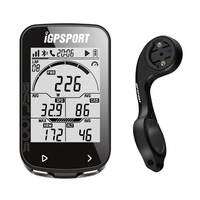
iGPSPORT | GPS Bike Computer IGPSPORT BSC100S Cycle Wireless Speedometer Bicycle Digital Stopwatch Cycling Odometer Cycling Computer
₱2,626.01₱3,413.81
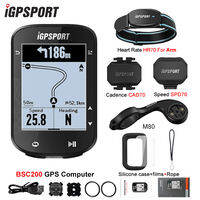
iGPSPORT | IGPSPORT BSC200 GPS Cycle bike Computer Wireless Speedometer Bicycle Digital ANT+ Route Navigation Stopwatch Cycling Odometer
₱9,031.48₱11,740.92
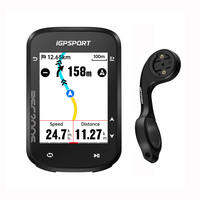
iGPSPORT | iGPSPORT BSC200S GPS Route Navigation Bike Computer Colorful Screen Wireless Bicycle Speedometer Cycling Odometer Bluetooth Ant
₱6,675.13₱8,677.66
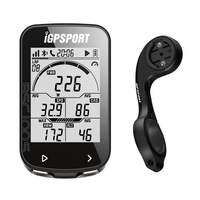
iGPSPORT | GPS Bike Computer IGPSPORT BSC100S Cycle Wireless Speedometer Bicycle Digital Stopwatch Cycling Odometer Cycling Computer
₱2,627.57₱3,415.85
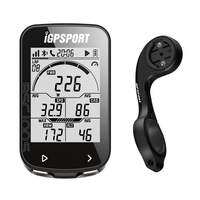
GPS Bike Computer IGPSPORT BSC100S Cycle Wireless Speedometer Bicycle Digital Stopwatch Cycling Odometer Cycling Computer
₱2,435.00₱3,165.50
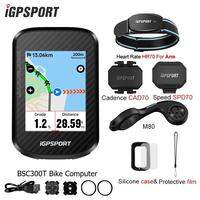
IGPSPORT BSC300T Bicycle Computer 2.4-Inch Colorful Touchscreen Odometer Support Bluetooth Ant Data Mtb IPX7 Road Speedometer
₱15,857.76₱20,615.09
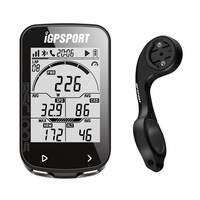
iGPSPORT | GPS Bike Computer IGPSPORT BSC100S Cycle Wireless Speedometer Bicycle Digital Stopwatch Cycling Odometer Cycling Computer
₱2,627.57₱3,415.85
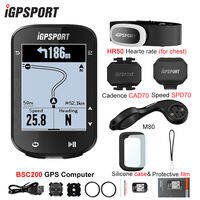
IGPSPORT BSC200 GPS Cycle bike Computer Wireless Speedometer Bicycle Digital ANT+ Route Navigation Stopwatch Cycling Odometer
₱7,472.63₱9,714.42
About iGPSPORT
Overview
iGPSPORT is a Chinese sports-technology brand that specialises in GPS cycling computers, cycling navigation systems, sensors, smart lights, radar tail lights, heart-rate monitors, sports watches, and related cycling accessories. The brand is operated by Wuhan Qiwu Technology Co., Ltd. (武汉齐物科技有限公司) and is headquartered in Wuhan, Hubei, China. Founded in September 2012, iGPSPORT has evolved from a manufacturer of bicycle computers into a broader connected cycling and sports-technology ecosystem 1.
The company’s official positioning centres on integrating sport, health, data, and technology to make athletic participation more accessible while helping users understand and improve their physical performance 1. According to its international store, iGPSPORT serves more than two million users worldwide, with products sold in over 40 countries and regions 3.
Company profile
| Item | Information |
|---|---|
| Brand | iGPSPORT |
| Company | Wuhan Qiwu Technology Co., Ltd. |
| Chinese name | 武汉齐物科技有限公司 |
| Founded | September 2012 |
| Headquarters | Wuhan, Hubei, China |
| Industry | Sporting goods / sports technology |
| Core field | Cycling electronics and connected sports equipment |
| Main products | GPS bike computers, bike navigators, sensors, lights, radar tail lights, wearables and accessories |
| Software ecosystem | iGPSPORT app / iGPSPORT Ride |
| Business model | Hardware + software + connected cycling ecosystem |
| International presence | Products sold internationally; serves >2 million users across 40+ countries and regions |
Wuhan Qiwu Technology Co., Ltd. describes itself as a sporting-goods manufacturer focused on GPS cycling computers and accessories. LinkedIn lists the company as privately held, headquartered in Wuhan, and employing between 201 and 500 staff 2. Third-party business directories identify Xiaoqing Yang as a founder 4. While Wuhan Qiwu Technology is the corporate entity responsible for development and manufacturing, iGPSPORT functions as the consumer-facing brand 5.
History
Foundation and early years
iGPSPORT was established in September 2012 when Wuhan Qiwu Technology was founded in Wuhan, China. The company entered the sports-technology market with a focus on bicycle GPS computers and data-driven exercise, operating under the philosophy that technology could help individuals better understand their bodies and make training more scientific 1. Its stated mission is to provide high-quality products that facilitate easier participation in sports 2.
Between 2013 and 2019, product development centred on dedicated cycling computers. Key releases included the iGS30 (2013), iGS20 (2014), iGS20P (2015), iGS60 (2016), iGS50E (2017), iGS618 (2018), and iGS130 (2019). This period established iGPSPORT primarily as a manufacturer of affordable GPS cycling computers 1.
Expansion and ecosystem development
From 2020 to 2023, the company introduced increasingly sophisticated models such as the iGS620, iGS520, iGS320, iGS630, and BSC300. The transition from the legacy “iGS” naming convention to the BSC series reflected a strategic shift toward modern smart cycling computers and a connected ecosystem 1.
In the 2020s, iGPSPORT expanded significantly beyond GPS computers. The current portfolio encompasses bike navigators, smart GPS computers, bike lights, radar tail lights, smart tail lights, wearables, and cycling accessories 3. Concurrently, the company developed proprietary software to connect hardware with mobile devices and cloud-based activity management platforms.
Products
GPS cycling computers
Cycling computers remain the core of the iGPSPORT product family. These devices utilise GPS and other positioning systems to record speed, distance, time, route, elevation, heart rate, cadence, power, and training data. Depending on the model, they also communicate with external sensors and cycling equipment. Current examples include the BSC500, the BSC300 series, and higher-end units such as the iGS630 series, categorised by the company as “Smart GPS Bike Computer” 3.
Bike navigation
Navigation has been positioned as a distinct product category. The BiNavi family is marketed as a dedicated bike navigator, while the BiNavi Air serves as a lighter, navigation-focused device 3. This reflects a broader industry trend where cycling computers function as comprehensive navigation and training platforms rather than simple recording devices.
Sensors
iGPSPORT produces sensors to capture additional cycling metrics, including heart rate, speed, and cadence. Earlier product portfolios specifically listed dedicated heart-rate monitors, speed sensors, and cadence sensors as key offerings 4.
Bike lights
Lighting has become a significant component of the product portfolio. Current offerings include front and rear bicycle lights such as the VS800S, VS1200S, VS1800S, ET6, and TL50 3. Several of these models are designed as smart connected cycling equipment rather than conventional standalone lights.
Radar tail lights
The ecosystem includes smart radar tail lights, notably the SR mini, which combines rear illumination with radar functionality 3. These devices detect approaching vehicles from behind and relay information to compatible cycling computers, enhancing rider awareness of rear traffic.
Wearables
Expanding into wearable sports technology, iGPSPORT offers products such as the VeRun sports watch and the HR70 armband heart-rate monitor 3. This move extends the brand’s reach beyond bicycle-mounted electronics into the broader sports and fitness technology category.
Software ecosystem
iGPSPORT operates a companion software ecosystem through its mobile applications. The iGPSPORT app enables users to connect compatible devices, synchronise activities, manage equipment, analyse cycling data, and interact with routes and training content 5.
The iGPSPORT Ride application functions as a comprehensive cycling-data platform supporting cycling activities, route discovery and creation, training analysis, device management, GPS-track analysis, statistics, and social sharing. It supports various iGS and BSC-series computers and synchronises data between devices and the iGPSPORT cloud 6. This integrated approach positions iGPSPORT as a connected sports ecosystem rather than solely a hardware vendor.
Technology philosophy
iGPSPORT’s development strategy is guided by several core principles:
- Data-driven exercise: Products are designed to convert physical activity into measurable data for analysis via accompanying software.
- Accessibility: Historically, the brand has emphasised providing feature-rich cycling electronics at accessible price points compared to premium competitors.
- Integration: Computers, sensors, lights, radar devices, watches, and mobile software are increasingly interconnected within a single ecosystem.
- Product development: Research and development and continuous innovation are central to the company’s strategy, evidenced by the rapid succession of cycling-computer generations 1.
Market position
iGPSPORT competes in the global GPS cycling-computer and sports-electronics market alongside brands such as Garmin, Wahoo, Bryton, Hammerhead, COROS, and Magene. Historically, its strongest identity has been as a value-oriented alternative for riders seeking GPS navigation, training data, and sensor connectivity without premium pricing.
Over time, the company has moved upmarket with more sophisticated computers, navigation products, radar systems, lighting, and wearables. A key element of this repositioning is its association with professional cycling. iGPSPORT currently partners with Groupama-FDJ, a French team competing at the highest level of international road cycling, to demonstrate its technology in professional competition and establish credibility as a performance brand 3. The company has also featured four-time Tour de France winner Chris Froome in its marketing materials 3.
Global expansion
Although originating in China, iGPSPORT has pursued an increasingly international strategy. Products are sold in more than 40 countries and regions, with international stores and regional websites serving markets across Europe, Asia, and the Americas 3. Dedicated presences are maintained in specific markets, including Japan, Korea, and the United States 17. This global expansion has been integral to the brand’s transformation from a domestic cycling-computer manufacturer into an international sports-electronics company.
Brand identity
The name iGPSPORT reflects the brand’s original emphasis on GPS-enabled sports technology. Corporate philosophy is closely associated with the concepts of “Sport. Health.” and “Scientific Exercise, healthy life,” aiming to help users better understand their bodies and participate in sports more easily 2. The brand sits at the intersection of cycling, GPS, data, fitness, connectivity, and safety, extending well beyond traditional bicycle accessories.
Product evolution
iGPSPORT’s development can be characterised by the following progression:
- 2012: Company established.
- 2013–2019: Basic and mid-range GPS cycling computers.
- 2020–2023: Advanced GPS computers and introduction of the BSC product line.
- 2020s: Development of a connected cycling ecosystem.
- Later 2020s: Expansion into navigation, radar, lighting, wearables, and professional cycling partnerships.
This trajectory indicates that iGPSPORT is no longer accurately described merely as a GPS bike computer company; its current portfolio spans multiple categories of connected sports equipment 3.
Ecosystem structure
The brand’s current ecosystem integrates three primary pillars supported by wearables and cloud software:
- Cycling Data: GPS computers, heart-rate monitors, speed sensors, and cadence sensors.
- Navigation: BiNavi series and bike navigation units.
- Safety: Radar lights and bike lights.
- Wearables: VeRun and HR70 devices.
- Platform: iGPSPORT Ride application providing cloud storage, data analysis, and training tools.
Strengths and considerations
From a brand and product perspective, iGPSPORT’s strengths include strong specialisation in cycling technology, a broadening product ecosystem, competitive pricing in the cycling-computer segment, rapid product development, growing international distribution, professional cycling partnerships, and a dedicated proprietary software ecosystem 3.
However, for cycling computers, software quality, ecosystem integration, customer support, and long-term firmware development are often as critical as hardware specifications. While the iGPSPORT Ride app continues to receive updates and bug fixes, indicating active development, user experiences may vary by device, application version, and region 6. Consequently, comparisons with competitors should consider the entire ecosystem rather than isolated hardware specifications.