Shop on Lazada
Jimmy Choo products
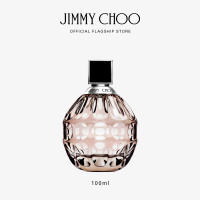
Jimmy Choo Eau de Parfum 100ml - EDP For Her (Female Perfume) | Fragrance for Women
₱9,400.00
Buy on Lazada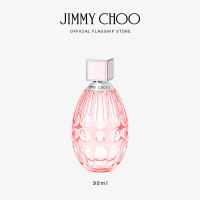
Jimmy Choo LEau Eau de Toilette 90ml - EDT For Her (Female Perfume) | Fragrance for Women
₱8,300.00
Buy on Lazada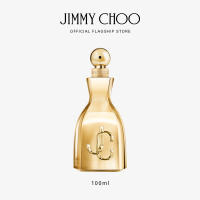
Jimmy Choo I Want Choo Le Parfum 100ml - EDP For Her (Female Perfume) | Fragrance for Women
₱11,100.00
Buy on Lazada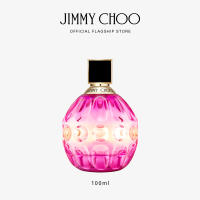
Jimmy Choo Rose Passion Eau de Parfum 100ml - EDP For Her (Female Perfume) | Fragrance for Women
₱7,000.00
Buy on Lazada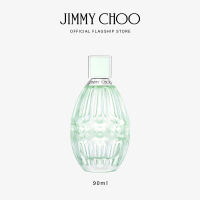
Jimmy Choo Floral Eau de Toilette 90ml - EDT For Her (Female Perfume) | Fragrance for Women
₱8,300.00
Buy on Lazada
Jimmy Choo Man Blue Eau de Toilette 100ml - EDT For Him (Male Perfume) | Fragrance for Men
₱7,200.00
Buy on Lazada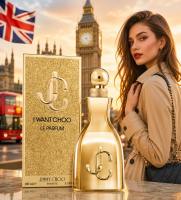
Jimmy Choo I Want Choo Le Parfum For Women 100ml
₱5,400.00₱9,500.00
About Jimmy Choo
Jimmy Choo is a British luxury fashion house best known for its glamorous footwear, handbags, and accessories. Founded in London in 1996, the brand evolved from an East London bespoke shoemaking atelier into a global luxury accessories house. Today, Jimmy Choo is particularly associated with high-fashion shoes, red-carpet dressing, celebrity culture, craftsmanship, and modern glamour.1
As of 2026, Jimmy Choo is part of Capri Holdings Limited, the luxury group behind Jimmy Choo and Michael Kors. The company is led by CEO Hannah Colman, while Sandra Choi serves as Creative Director and has been a central creative force since the brand’s foundation.2
Basic information
| Category | Information |
|---|---|
| Brand name | Jimmy Choo |
| Legal name | J. Choo Limited |
| Industry | Luxury fashion |
| Founded | 1996 |
| Origin | London, United Kingdom |
| Founders | Jimmy Choo and Tamara Mellon |
| Creative Director | Sandra Choi |
| CEO | Hannah Colman |
| Parent company | Capri Holdings Limited |
| Headquarters | London, UK |
| Main categories | Shoes, handbags, accessories, jewellery, eyewear, fragrance |
| Target market | Luxury consumers, women and men |
| Positioning | Luxury / contemporary glamour |
| Global presence | 200+ boutiques worldwide |
The brand describes itself as a luxury accessories house combining artisanal craft with emotional design, with collections designed in London and much of the production carried out in and around Florence, Italy.
Origins
The story of Jimmy Choo begins before the brand was officially founded. In the 1980s, Malaysian-born shoemaker Professor Jimmy Y.K. Choo, OBE established a bespoke shoe atelier in London’s East End. His work focused on handmade shoes for private clients, and his craftsmanship gradually attracted attention from the fashion industry.3
The atelier became known for highly crafted, elegant footwear. One particularly important relationship was with Diana, Princess of Wales, whose patronage helped increase Jimmy Choo’s visibility among the international fashion elite.
At the same time, Tamara Mellon, then an accessories editor at British Vogue, became interested in Choo’s shoes. Mellon saw an opportunity to transform the bespoke shoemaking operation into a broader luxury ready-to-wear business.4 This eventually led to the creation of J. Choo Limited in 1996.
An important distinction is that Jimmy Choo the shoemaker and Jimmy Choo the fashion brand are not exactly the same entity. Choo provided the artisanal foundation and his name, while Tamara Mellon played a major role in building the commercial luxury fashion company. Sandra Choi also became a foundational creative figure.5
Founders
Jimmy Choo
Jimmy Choo Y.K. Choo is a Malaysian-born British shoemaker who established the original East London atelier. His importance to the brand lies primarily in bespoke shoemaking, handmade craftsmanship, luxury footwear, British fashion heritage, and establishing the craftsmanship associated with the Jimmy Choo name. He left the business in 2001.6
The modern Jimmy Choo brand is therefore more accurately understood as a fashion house that evolved from Choo’s original atelier, rather than simply being a company personally designed by Jimmy Choo throughout its entire history.
Tamara Mellon
Tamara Mellon was a Vogue accessories editor who became one of the key architects of the commercial Jimmy Choo brand. Her contribution was especially important because she recognized that Choo’s bespoke craftsmanship could be translated into a luxury ready-to-wear footwear business. Under Mellon, Jimmy Choo developed from a small specialist shoemaking operation into an international luxury brand. She left the company in 2011.7
Sandra Choi and creative direction
One of the most important people in Jimmy Choo’s history is Sandra Choi. Choi joined the business in 1996 and became one of its founding creative voices. She learned bespoke shoemaking at Jimmy Choo’s London atelier and has subsequently overseen the design direction of the house for roughly three decades.
Today, Choi is the brand’s Creative Director. Her role is crucial because the Jimmy Choo aesthetic recognised today is largely the result of the evolution of the brand under her creative direction. Her design philosophy combines craftsmanship, glamour, contemporary culture, and emotional design. In June 2026, Choi was awarded an OBE in the King’s Birthday Honours for services to the British fashion industry.8
Early growth and cultural impact
Jimmy Choo’s initial success came from its footwear. The brand’s early shoes were positioned as luxurious but highly desirable fashion pieces, rather than simply traditional handmade shoes. This represented an important strategic shift from bespoke shoemaker to luxury ready-to-wear footwear and eventually to a global fashion brand. The company’s first boutique opened in London in 1997, followed by expansion into the United States and other international markets. Celebrity and royal exposure helped establish the brand’s glamorous reputation.9
By the late 1990s and early 2000s, Jimmy Choo had become closely associated with the emerging culture of celebrity fashion and red-carpet dressing. A significant moment in the brand’s cultural history came through the television series Sex and the City. The show’s protagonist, Carrie Bradshaw, famously wore Jimmy Choo shoes, helping reinforce the idea of Jimmy Choo as the ultimate luxury shoe for fashionable urban women. This shifted the brand from simply being a luxury footwear label to becoming a pop-culture symbol. Jimmy Choo describes its products as having been repeatedly featured or referenced in influential television, film, and music, helping the house transcend traditional fashion.
Celebrity dressing became one of Jimmy Choo’s strongest marketing assets. The brand developed powerful relationships with Hollywood actors, musicians, models, fashion influencers, royal figures, and red-carpet events. Unlike some traditional luxury houses that emphasize heritage or discreet craftsmanship, Jimmy Choo has historically emphasized the emotional and social power of dressing up, describing its identity through ideas such as glamour, confidence, joy, and contemporary culture.10
Product categories
Although shoes remain Jimmy Choo’s signature category, the company has expanded into a broader luxury accessories business offering products for both women and men.11
Women’s footwear
- High heels
- Pumps
- Sandals
- Boots
- Sneakers
- Flats
- Bridal shoes
Men’s footwear
- Dress shoes
- Loafers
- Boots
- Sneakers
- Sandals
Handbags
- Shoulder bags
- Top-handle bags
- Crossbody bags
- Clutches
- Evening bags
- Totes
Accessories and other categories
- Wallets
- Belts
- Small leather goods
- Fashion accessories
- Jewellery
- Eyewear
- Fragrance
Design identity
Jimmy Choo’s aesthetic is characterised by several distinct elements:12
- Glamorous: Strongly associated with eveningwear, parties, red carpets, and special occasions.
- Sensual: Frequently emphasizes the relationship between footwear, the body, and confidence.
- Daring: Designs often feature crystals, metallics, bold colours, dramatic silhouettes, and decorative details rather than minimalism.
- Playful: Combines luxury craftsmanship with contemporary fashion and pop culture.
- Feminine: Historically connected with glamorous women’s footwear, although the men’s business has become increasingly important.
- Craft-driven: Emphasizes artisanal construction and high-quality materials despite its glamorous image.
The high-heeled shoe is the foundation of the brand’s identity. Jimmy Choo shoes are often intended to be the focal point of a look, featuring elegant pointed toes, high stilettos, sculptural heels, crystal embellishment, metallic finishes, satin, suede, leather, and jewel-like decorations. This makes the brand particularly strong in the occasion-wear and luxury eveningwear market.
A recognizable design direction is the use of crystals and elaborate embellishment, positioning products between traditional luxury footwear and jewellery-like fashion accessories. This approach is particularly effective for weddings, red-carpet appearances, and formal events. Bridal footwear is another important part of the identity, with the brand turning the shoe into a symbolic object associated with important life moments, connecting directly with its positioning around “life’s big and small milestones.”13
Handbags have expanded the brand from a shoe-focused label into a broader luxury accessories house. These generally share the same design language as the footwear: glamour, femininity, recognizable hardware, and evening sophistication. The men’s business has also become increasingly significant, combining traditional tailoring and footwear construction with contemporary fashion. For example, the Spring 2026 men’s campaign emphasized the relationship between craft, creativity, personal style, and contemporary culture.14
Manufacturing and craftsmanship
Jimmy Choo possesses a hybrid geographical identity. The creative process is centered in the brand’s London studio, while a significant proportion of products are produced by artisans in Italy, particularly around Florence.15 This combination of British fashion identity and Italian manufacturing expertise is fundamental to understanding the brand. It remains a British luxury fashion house, but its product craftsmanship is strongly connected with Italy’s established tradition of luxury footwear and leather-goods production.
Celebrity culture and competitive advantage
Celebrity culture is one of Jimmy Choo’s most important competitive advantages. While many luxury houses sell heritage, Jimmy Choo sells heritage combined with aspiration and visibility. Consumers associate the brand with red carpets, awards ceremonies, celebrity weddings, fashion editorials, Hollywood, and major life events. This creates a psychological perception of Jimmy Choo as a brand that can transform an occasion.16
The brand’s strength comes from several elements working together:
- Strong footwear heritage: Originating in bespoke shoemaking.
- Powerful name recognition: “Jimmy Choo” has become synonymous with luxury shoes.
- Celebrity associations: Red-carpet exposure increases cultural visibility.
- Distinctive glamour: A clear aesthetic rather than an attempt to appeal to everyone.
- London + Italian craftsmanship: British fashion identity combined with Italian manufacturing expertise.
- Strong occasion positioning: Emotional value derived from weddings, parties, and awards.
- Diversification: Expansion into handbags, accessories, fragrance, eyewear, and jewellery allows participation in more parts of a customer’s luxury wardrobe.22
Business ownership and management
Jimmy Choo has gone through several stages of ownership. The company eventually became publicly listed on the London Stock Exchange before being acquired by Michael Kors Holdings in 2017. Michael Kors Holdings subsequently became Capri Holdings Limited. Today, Jimmy Choo is part of Capri Holdings alongside Michael Kors.17 Capri Holdings describes Jimmy Choo as a global luxury house characterized by glamour, craftsmanship, and a playfully daring spirit.18
As of 2026, the company is led by CEO Hannah Colman, who has been with Jimmy Choo for many years and assumed the role in 2020.19 Sandra Choi continues as Creative Director, responsible for the creative direction of the collections.20 This structure combines Colman’s business and corporate leadership with Choi’s stewardship of the creative identity and product.
Global presence and market positioning
Jimmy Choo currently operates more than 200 boutiques worldwide and is represented in prestigious department stores and specialty retailers across Europe, North America, Asia, the Middle East, and other major global fashion markets.21 London remains central to the brand’s identity even though its business is global.
In the luxury market, Jimmy Choo occupies a distinct position focused on glamorous contemporary luxury. While brands like Hermès emphasize exclusivity and heritage, and Christian Louboutin focuses on dramatic sensuality, Jimmy Choo is defined by glamour, celebrity association, and occasion dressing.
The traditional customer values luxury, fashion, status, glamour, special occasions, celebrity culture, design, craftsmanship, and personal expression. Historically powerful among women purchasing footwear for events and milestone occasions, the brand’s current strategy is broader, expanding the potential customer base through men’s products, handbags, accessories, fragrance, and lifestyle-oriented offerings.
If personified, the brand’s personality would be described as confident, glamorous, sexy, optimistic, playful, social, ambitious, fashion-conscious, and daring. Unlike brands that communicate restraint, Jimmy Choo aims for luxury to feel exciting.
Jimmy Choo Foundation
The Jimmy Choo Foundation, established in 2011, focuses on empowering women and improving quality of life through areas including education and enterprise. The foundation has supported organizations including Women for Women International and Lend With Care.23 The broader Capri Holdings Foundation also supports educational and professional-development initiatives related to fashion, craftsmanship, and opportunity.
Timeline
- 1980s: Jimmy Choo establishes a bespoke shoemaking atelier in East London.24
- Early 1990s: The shoemaker gains recognition among influential clients, including Diana, Princess of Wales.
- 1996: Jimmy Choo Ltd. is founded, with Jimmy Choo and Tamara Mellon as key founders; Sandra Choi joins as a founding creative voice.25
- 1997: The brand opens its first boutique in London.26
- Late 1990s: Jimmy Choo expands internationally, including into the United States.
- 2001: Jimmy Choo leaves the business.27
- 2000s: The brand expands beyond footwear and becomes increasingly associated with celebrity culture and red-carpet fashion.
- 2011: Tamara Mellon leaves the company; the Jimmy Choo Foundation is established.28
- 2010s: Jimmy Choo develops into a major international luxury accessories house and expands its retail network.
- 2017: Jimmy Choo is acquired by Michael Kors Holdings, which later becomes Capri Holdings.
- 2020: Hannah Colman becomes CEO.29
- 2020s: The company continues expanding footwear, handbags, men’s products, accessories, fragrance, and other categories.
- 2026: Sandra Choi receives an OBE for services to the British fashion industry. Jimmy Choo continues to operate as a global luxury house within Capri Holdings.30
Summary
Jimmy Choo turned the luxury shoe from a functional accessory into an object of glamour, identity, and occasion. Its heritage comes from traditional shoemaking, but its growth came from fashion, celebrity culture, and emotional desirability. In 2026, it is a global luxury accessories house encompassing footwear, handbags, accessories, jewellery, eyewear, and fragrance for women and men. Its creative center remains in London, its craftsmanship is heavily connected with Italy, and its brand identity continues to revolve around glamour, confidence, craftsmanship, contemporary culture, and joy. With Sandra Choi continuing as Creative Director and Hannah Colman as CEO, the brand maintains continuity with its historical identity while expanding its interpretation of modern luxury.
References
- Our Story
- Our history
- Jimmy Choo | About Us | Company Profile
- Jimmy Choo (fashion house)
- Luxury Lineage: A Brief History of Jimmy Choo
- Discover more about us – Jimmy Choo
- Introducing the Spring 2026 Men’s Campaign
- Capri Holdings Limited – Investor Relations
- sec.gov
- Capri Holdings Limited – Investor Relations
- Capri Holdings Limited – Investor Relations
- Jimmy Choo | About Us | Company Profile
- Investor Relations – Jimmy Choo
- Investor Relations – Jimmy Choo
- Investor Relations – Jimmy Choo
- 品牌故事
- Our history
- about-us-template
- Sites-jchus-Site
- Jimmy Choo presents Spring 2026 at Milan Fashion Week
- about-us-template
- Our history
- Discover more about us – Jimmy Choo
- Discover more about us – Jimmy Choo
- Stories | JIMMY CHOO
- Stories | JIMMY CHOO
- Discover more about us – Jimmy Choo
- Stories | JIMMY CHOO
- Introducing the Spring 2026 Campaign: Les Fleurs | Jimmy Choo
- Our history