Shop on Lazada
Karavision products
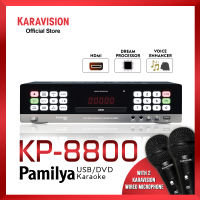
Karavision Pamilya KP-8800 Karaoke DVD Player with free 2 microphone
₱5,300.00
Buy on Lazada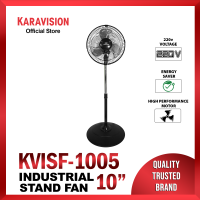
Karavision Industrial Stand Fan 10″
₱920.00
Buy on Lazada
Karavision Industrial Stand Fan 11″
₱970.00
Buy on Lazada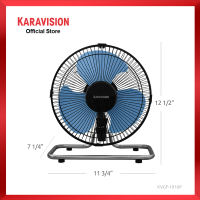
Karavision Ground Fan 10″ Plastic Blade
₱850.00
Buy on Lazada
Karavision KVDCSF-1625 DC Inverter 16″ Stand Fan
₱3,500.00
Buy on Lazada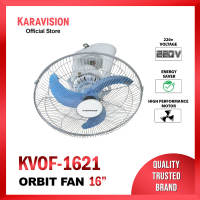
Karavision Orbit / Ceiling Fan 16″ Strong Wind
₱1,485.00
Buy on Lazada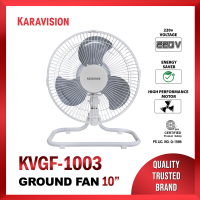
Karavision Industrial Ground Fan 10″ White
₱870.00
Buy on Lazada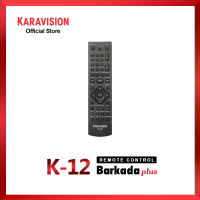
Karavision K-12plus Remote Control
₱400.00
Buy on LazadaAbout Karavision
Karavision is a Filipino karaoke and videoke brand best known for its home and commercial karaoke players. The brand has built its identity around affordable, durable equipment designed specifically for Filipino families, gatherings, and businesses. According to its company profile, Karavision has spent 25 years developing music-entertainment technology and describes itself as a pioneer in the Philippine karaoke industry.1
Overview
| Field | Information |
|---|---|
| Brand | Karavision |
| Industry | Consumer electronics / music entertainment |
| Primary category | Karaoke / videoke systems |
| Market focus | Philippines |
| Company associated with the brand | Maxvision Technology Enterprises Inc. |
| Known for | Karaoke players, videoke systems, song databases and accessories |
| Target users | Filipino households, families, friends, and commercial establishments |
| Brand positioning | Affordable, durable, easy-to-use karaoke technology |
| Official website | karavision.com.ph |
History and development
The history of Karavision is closely linked to the evolution of Filipino home karaoke culture. The company states that it developed alongside karaoke technology, transitioning from cassette-based formats to DVDs and later to USB-based systems. Its stated goal has been to combine updated technology, reliable hardware, and affordable pricing.1
The brand’s corporate connection is documented in Philippine intellectual property records. IPOPHL records identify Maxvision Technology Enterprises Inc. (MTEI) as the applicant associated with the KARAVISION mark. A separate trademark record also identifies MTEI in connection with KARAVISION PRO for karaoke and related electronic products.2
Evidence of Karavision’s established position in the local market appears in Philippine trademark dispute documents submitted to the Intellectual Property Office. These filings described KARAVISION as a well-known mark and stated that its karaoke players had been widely distributed nationwide. However, these statements represent claims made within legal proceedings rather than independent market-share measurements.
Products
The core product of Karavision is the karaoke or videoke player. Its current official catalog lists six karaoke systems:
- Kaibigan K-8
- Barkada K-12 Plus
- Kumpare K-16 Plus
- Kumpare II K-18
- Pamilya KP-8800
- Ninong KP-98001
The product naming convention is deliberately Filipino. Terms such as Kaibigan (friend), Barkada (group of friends), Kumpare (compadre), Pamilya (family), and Ninong (godfather) reinforce the brand’s emphasis on social and family-oriented entertainment.
Technology and features
Depending on the model, Karavision players offer features including:
- USB and DVD karaoke playback
- Two microphone inputs
- Digital or processor-based voice effects
- Echo and key controls
- On-screen song search
- Karaoke scoring
- Multiple background videos
- HDMI output
- Voice-enhancement processing
- Remote control
- Recording functionality (selected models)
- Video-input/background customization (selected models)
For example, the Pamilya KP-8800 uses a DREAM 2634 IC processor and offers reverb, chorus, parametric equalization, and surround-sound processing. It also supports HDMI, USB/DVD karaoke, voice enhancement, and two microphones.1
The higher-end Ninong KP-9800 adds features such as voice recording and video input, allowing users to utilize external video sources as karaoke backgrounds.1
The Barkada K-12 Plus is positioned as a flexible system suitable for both home and commercial use and includes HDMI connectivity.1
Design philosophy
Durability is a recurring theme in the brand’s messaging. Its company profile uses the Filipino expression “Matira matibay!” to emphasize toughness and staying power, noting that some customers have used their machines for more than ten years.1
Karavision also emphasizes straightforward operation. Its design philosophy centers on simple interfaces and remote controls that allow users to focus on singing rather than navigating complicated equipment.1 This distinguishes the brand from premium hi-fi manufacturers; its focus is on practical, accessible entertainment technology for ordinary Filipino households and gatherings rather than audiophile-grade specifications.
The Filipino videoke connection
Karavision’s branding is tied to the Filipino concept of videoke, which combines karaoke singing with an on-screen visual and song-selection experience. The company explicitly positions its machines for family gatherings, reunions, parties, and other social occasions, describing them as entertainment systems integrated into Filipino family life.1
This social positioning extends to product nomenclature. Rather than using technical specifications alone, Karavision uses names associated with Filipino relationships and social groups:
Kaibigan → Barkada → Kumpare → Pamilya → Ninong
This naming strategy aims to make the products feel culturally familiar rather than like generic consumer electronics.
Song database and digital ecosystem
Beyond physical hardware, Karavision has developed a digital ecosystem through the Karavision Songbook application. This Android app allows users to search for songs by title or artist, save favorites, and create playlists. It serves as a digital replacement for traditional printed songbooks and displays the corresponding song codes for compatible Karavision players.3
The app lists compatibility with models including the Kaibigan K-8, Barkada K-12 Plus, Kumpare K-16, Kumpare II K-18, and Pamilya KP-8800.3 Google Play identifies MTEI as the publisher of Karavision-related applications, including Karavision Connect and Karavision Songbook.3
Distribution
Karavision products are sold through Philippine online retail channels. The official website directs customers toward online purchasing platforms, including Shopee, where the brand maintains an official store.1
The online assortment has expanded beyond karaoke players to include related accessories. The official Shopee store lists microphones and accessories alongside karaoke systems, as well as certain electric fan products carrying the Karavision name.
Brand identity
Karavision is characterized by five major pillars:
- Filipino-oriented entertainment: The brand presents karaoke as a family and social activity.
- Durability: The “Matira matibay!” positioning emphasizes long-lasting hardware.
- Affordability: Karavision aims to keep its technology within the budget of average consumers.1
- Ease of use: Straightforward interfaces, remote controls, and song-selection systems are central to the user experience.
- Continuous updating: The company emphasizes updating its technology and song database as karaoke formats evolve.1
Market position
Karavision occupies a recognizable niche in the Philippine consumer electronics market: mass-market karaoke equipment designed around local entertainment habits. Rather than competing primarily as a high-end audio brand, its value proposition revolves around providing a complete karaoke experience for homes or establishments at an accessible price point. Products range from basic systems like the Kaibigan K-8 to feature-rich machines like the Ninong KP-9800.1
Historical legal documents concerning the KARAVISION trademark describe the brand as having substantial commercial presence and nationwide distribution in the Philippines.
In popular Filipino culture
The significance of Karavision is tied to the broader popularity of karaoke in the Philippines. The company frames karaoke as a communal activity best enjoyed with family and friends rather than as a solitary pursuit.1
Consequently, Karavision machines are positioned as social entertainment appliances used during birthdays, reunions, parties, drinking sessions, and family gatherings where participants pass the microphone around.
Summary
Karavision is a Philippine karaoke and videoke brand associated with Maxvision Technology Enterprises Inc. It has maintained a long-running presence in Filipino home entertainment, evolving through successive generations of technology from older physical media to USB-based and digitally supported systems. Its products emphasize durability, affordability, straightforward operation, and features designed for communal singing.
Today, the brand’s identity centers on its lineup of Kaibigan, Barkada, Kumpare, Pamilya, and Ninong karaoke systems, complemented by digital songbook technology and online distribution. Karavision’s niche lies in manufacturing karaoke equipment that fits naturally into Filipino family and social life.1