Shop on Lazada
Kiehl’s products
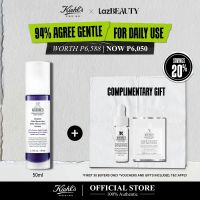
Kiehls Micro-Dose Anti-Aging Retinol Serum with Niacinamide and Ceramides 50ml
₱6,050.00
Buy on Lazada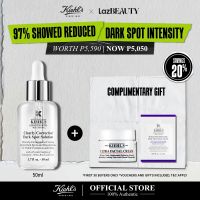
Kiehls Clearly Corrective Dark Spot Solution Dark Spot and Pimple Mark Remover – Brightening Vitamin C Facial Serum 50ml
₱5,050.00
Buy on Lazada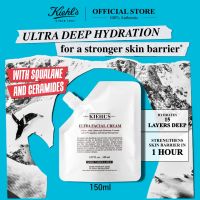
Kiehls Ultra Facial Cream Refill – Face Moisturizer For Dry Skin – Moisturizer for Men and Women 150ml
₱5,450.00
Buy on Lazada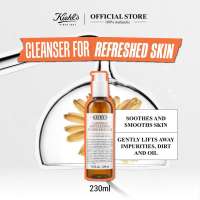
Kiehls Calendula Deep Cleansing Foaming Face Wash – Foaming Cleanser 230ml
₱2,550.00
Buy on Lazada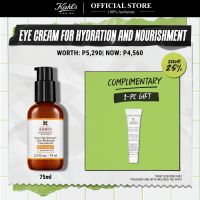
Kiehls Powerful Strength Line Reducing Concentrate - Brightening Vitamin C Serum for Face with Hyaluronic Acid 75ml
₱4,560.00
Buy on Lazada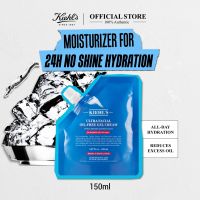
Kiehls Ultra Facial Oil-Free Gel Cream Refill – Gel Moisturizer For Oily Skin – Moisturizer for Face Day and Night 150ml
₱5,450.00
Buy on Lazada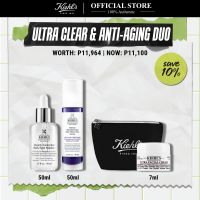
Kiehls Ultra Clear & Anti-Aging Duo Set – Gentle Retinol & Dark Spot Solution for Sensitive Skin
₱11,100.00
Buy on Lazada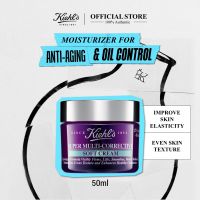
Kiehl’s Super Multi-Corrective Oil-Free Soft Cream – Anti Aging Face Night Cream Moisturizer for Oily Skin– 50ml
₱4,950.00
Buy on LazadaAbout Kiehl’s
Brand Overview
Kiehl’s Since 1851 is an American skincare, haircare, and body-care brand with origins in traditional apothecary retail. Established in 1851 in New York City, the company evolved from a neighbourhood apothecary into an international prestige beauty business. Kiehl’s is currently part of L’Oréal Luxe and defines its identity through a combination of apothecary heritage, cosmetic science, naturally derived ingredients, personalised skincare, and community involvement.1
Basic Information
| Category | Information |
|---|---|
| Brand | Kiehl’s Since 1851 |
| Founded | 1851 |
| Origin | New York City, United States |
| Original business | Apothecary / pharmacy |
| Current parent company | L’Oréal |
| L’Oréal division | L’Oréal Luxe |
| Main categories | Skincare, haircare, body care |
| Brand positioning | Prestige / premium skincare |
| Core identity | Apothecary heritage + science + nature |
| Famous for | Facial moisturizers, toners, cleansers, serums, body products and haircare |
| Current tagline/name | “Kiehl’s Since 1851” |
L’Oréal acquired Kiehl’s in 2000, integrating the brand into its prestige portfolio while preserving its distinctive identity and market positioning.1
History
1851: The Beginning
Kiehl’s traces its history to 1851, when it opened as an apothecary in New York City. Rather than originating as a modern cosmetics company, its foundations lay in traditional pharmacy and apothecary culture, where botanical preparations, medicinal knowledge, and personal customer service were central. This history underpins the brand’s continued use of the phrase “Since 1851” and its description of its offerings as “Finest Apothecary Skincare.”1 Consequently, the original Kiehl’s identity differed significantly from typical beauty brands, functioning more as a neighbourhood specialist combining pharmaceutical, herbal, and cosmetic expertise.
The Morse Family Era
The company later came under the ownership of the Morse family, with Irving Morse and his son Aaron Morse serving as pivotal figures. Aaron Morse was instrumental in transforming Kiehl’s from a traditional apothecary into a distinctive skincare brand. His approach emphasised ingredient knowledge, botanical components, scientific formulation, personal customer service, free product samples, word-of-mouth marketing, and community involvement. Instead of relying on conventional advertising, Kiehl’s historically encouraged customers to experience products directly through samples and personal recommendations,1 establishing a business model that remains a recognisable element of the brand today.
The Iconic New York Store
Kiehl’s became closely associated with its historic store in New York’s East Village. This location helped establish the brand’s distinctive personality, resembling an old-fashioned apothecary rather than a conventional cosmetics counter. This heritage influenced the visual identity of Kiehl’s, characterised by simple packaging, pharmaceutical-inspired typography, ingredient-focused communication, white laboratory-style aesthetics, vintage illustrations, and product labels containing extensive information. The resulting aesthetic appeared clinical and traditional rather than glamorous or fashion-driven, a distinction that remains central to the brand’s positioning.
Ingredient Transparency
Ingredient communication has been integral to the identity of Kiehl’s for decades. The company states that it began placing ingredient information on the front of its packaging in 1924, predating U.S. regulations requiring cosmetic ingredient labelling in the 1960s.2 This practice reflects the brand’s philosophy of informing customers about product contents and explaining the intended function of those ingredients. Today, Kiehl’s describes its formulations as powered by a combination of nature and science, featuring ingredients such as Squalane, Calendula extract, Hyaluronic acid, Caffeine, Lavender oil, Activated vitamin C, and Beech tree extract.2
Kiehl’s and L’Oréal
A significant turning point occurred in 2000 when L’Oréal acquired Kiehl’s. At the time, Kiehl’s was an established prestige skincare business with relatively selective distribution. The acquisition provided the resources and international infrastructure necessary for global expansion. L’Oréal described Kiehl’s as a company known for quality, personal service, and technical expertise, positioning the acquisition as an expansion of its presence in the prestige beauty market.1 Today, Kiehl’s belongs to L’Oréal Luxe alongside other premium beauty brands,1 retaining its own brand identity rather than becoming a conventional mass-market cosmetics label.
Brand Philosophy
The philosophy of Kiehl’s can be understood through four core concepts:
Apothecary Heritage
The brand seeks to associate itself with the expertise of a traditional pharmacist or apothecary.
Nature and Science
Kiehl’s combines botanical ingredients with modern cosmetic research and formulation technology.2
Personalized Service
Historically, Kiehl’s has emphasised knowledgeable staff capable of explaining products and recommending routines tailored to individual needs.
Community Responsibility
The brand has long associated itself with philanthropy, local communities, and social causes.2
Product Categories
While primarily a skincare brand, the portfolio of Kiehl’s extends beyond facial care.
Facial Skincare
This category forms the core of the business and includes cleansers, toners, moisturizers, facial oils, serums, masks, exfoliators, eye care, anti-aging products, and sun protection.
Body Care
Offerings include body lotions, body cleansers, body scrubs, hand creams, and body treatments.
Haircare
The haircare range comprises shampoos, conditioners, scalp treatments, hair masks, and hair oils and treatments.
Men’s Grooming
Kiehl’s maintains a strong presence in men’s skincare and grooming, including facial cleansers, moisturizers, shaving products, and beard-related care.
Notable Products
Several products have become strongly associated with Kiehl’s.
Ultra Facial Cream
Perhaps the best-known product from Kiehl’s, Ultra Facial Cream is positioned as an everyday facial moisturizer designed to provide hydration and support comfortable-feeling skin. It exemplifies the brand’s philosophy of creating straightforward, daily skincare rather than overly complicated products.
Calendula Herbal-Extract Toner
The Calendula Herbal-Extract Toner is another signature item. Its identity is closely linked to the botanical and apothecary heritage of Kiehl’s, particularly through the use of calendula, a marigold-derived botanical ingredient.
Midnight Recovery Concentrate
This facial oil is a widely recognised product from Kiehl’s and helped establish the brand’s presence in the premium facial-treatment category.
Creamy Eye Treatment with Avocado
An avocado-based eye treatment, this product is notable for its distinctive creamy texture and longstanding place in the Kiehl’s range.
Market Positioning
Kiehl’s occupies a unique position between several categories. It is not a traditional luxury beauty house like Chanel or Dior, nor is it positioned purely as a clinical dermatological brand or a mass-market skincare company. Instead, Kiehl’s sits in the premium/masstige-to-prestige skincare space, with an identity built around the progression from apothecary roots to ingredients, expertise, personal service, and premium skincare. This makes the brand feel more specialist and approachable than many traditional luxury cosmetics brands.
Packaging and Visual Identity
Packaging is one of the strongest branding assets of Kiehl’s. Historically adopting a pharmaceutical-laboratory aesthetic rather than glamorous imagery, typical characteristics include white bottles and jars, black typography, highly informative labels, simple product photography, vintage botanical illustrations, apothecary references, and functional rather than extravagant packaging. This visual language conveys a focus on formulating effective skincare rather than simply selling beauty, deliberately downplaying traditional luxury codes while maintaining premium status.
Marketing Strategy
Word of Mouth
Kiehl’s famously emphasised word-of-mouth marketing instead of depending entirely on conventional mass advertising.1
Sampling
Free samples became a crucial part of the Kiehl’s experience, following a logic of trying, experiencing, understanding, purchasing, and recommending. This approach is particularly effective in skincare, where consumers often wish to test a formula before committing to a premium-priced product.
Expert Consultation
Stores traditionally emphasise knowledgeable staff and personalized recommendations, providing consumers with the feeling of visiting a skincare specialist rather than merely browsing a cosmetics store.
Sustainability
Sustainability is an increasingly important component of the modern strategy for Kiehl’s. The current initiative, “Mission Renewal,” focuses on reducing packaging impact, increasing recycled materials, improving ingredient sourcing, enhancing biodegradability, utilising renewable energy, promoting circularity, and operating recycling programs. Kiehl’s reports that 34% of its packaging comes from post-consumer recycled plastic, while 71% of its ingredients derive from plant or mineral sources. Additionally, the brand reports an average formula biodegradability of 82%.2 These figures are company-reported and subject to change as the program develops.
Philanthropy and Community
Community involvement is a historical aspect of the identity of Kiehl’s. The brand states its mission focuses on improving the communities it serves. Its current philanthropic program, Kiehl’s Gives, supports causes including environmental protection, children’s well-being, and LGBTQ+ rights. Kiehl’s states it has partnered with more than 50 charities worldwide.2 This philanthropy is presented not merely as a modern marketing campaign but as an extension of the brand’s historical identity as a community-oriented neighbourhood apothecary.
Brand Positioning Map
| Dimension | Kiehl’s position |
|---|---|
| Price | Premium |
| Market | Prestige skincare |
| Heritage | Very high |
| Scientific image | High |
| Natural/botanical image | High |
| Luxury/fashion image | Moderate |
| Clinical/dermatological image | Moderate–high |
| Accessibility | Relatively high for prestige |
| Personal service | Very high |
| Sustainability focus | Increasing |
| Brand personality | Apothecary, knowledgeable, friendly |
Kiehl’s appeals particularly well to consumers seeking premium skincare without an overly glamorous or intimidating luxury image.
Target Consumers
Historically, Kiehl’s has appealed to a broad audience, though its strongest consumers tend to value skincare quality, ingredient knowledge, product efficacy, premium but practical products, personalized recommendations, brand heritage, botanical ingredients, and sustainability. The brand is also notable for a relatively gender-neutral approach to skincare; its visual identity and product philosophy are not built exclusively around traditional feminine beauty advertising.
Brand Personality
The personality of Kiehl’s can be described as knowledgeable, experienced, practical, friendly, slightly unconventional, and socially conscious. Rather than projecting overt luxury, the brand communicates expertise and a willingness to help consumers find effective solutions. This distinction is central to the character of Kiehl’s.
Key Milestones
1851
Kiehl’s begins as a New York apothecary.
20th Century
The company develops its reputation around pharmaceutical, botanical, and cosmetic knowledge.
1924
Kiehl’s states it began displaying ingredient information prominently on packaging.2
1960s–1970s
Aaron Morse further develops the brand’s botanical, scientific, and community-oriented identity.1
1980s–1990s
Kiehl’s expands beyond its original store while retaining its distinctive specialist identity.
2000
L’Oréal acquires Kiehl’s.1
2000s–2010s
Kiehl’s expands internationally and becomes a globally recognized premium skincare brand.
2020s
The brand increasingly emphasizes sustainability, circularity, ingredient transparency, and environmental impact.2
2026
Kiehl’s continues to operate as part of L’Oréal Luxe, presenting itself as a globally established skincare brand while maintaining its “Since 1851” apothecary heritage.1
Summary
Kiehl’s is a New York-born premium skincare brand that evolved from an 1851 apothecary into a global L’Oréal Luxe brand by combining traditional apothecary heritage, botanical ingredients, cosmetic science, personalized service, distinctive packaging, and community-oriented values. From a branding perspective, its success stems from a cohesive identity where product story, retail experience, packaging, heritage, and social positioning all reinforce the concept of a “modern apothecary.” For further reference, Kiehl’s maintains its own brand history and “About Kiehl’s” section on its official website, while L’Oréal provides corporate documentation regarding the brand and its 2000 acquisition.2