Shop on Lazada
Kilner products
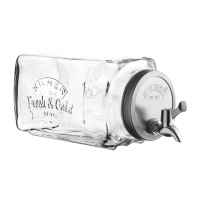
Kilner Fridge Glass Drinks Dispenser - 3L
₱1,675.00₱2,090.00
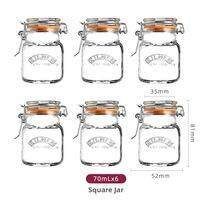
Kilner | Concentrate Storage Transparent Sealed Glass Bottle
₱2,041.47₱2,896.37
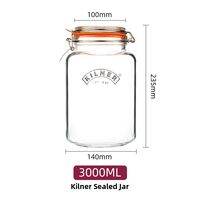
Kilner | Food-Grade Glass Seal Jar Food Storage Container
₱1,686.41₱3,014.43
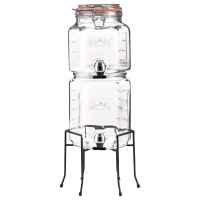
Kilner Stackable Jar Set With Taps & Stand
₱3,260.00
Buy on Lazada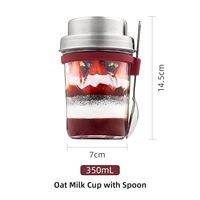
Kilner | Portable Overnight Oat Meal Glass Container
₱1,264.72₱1,475.52
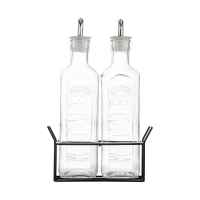
Kilner Set Of 2 Oil Bottles & Metal Rack 0.6 Litre
₱1,140.00
Buy on Lazada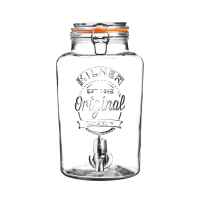
Kilner 5 Litre Drinks Dispenser
₱1,890.00
Buy on Lazada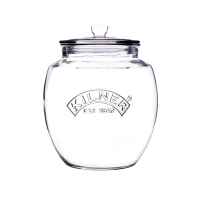
Kilner Universal Push Top Storage Jar 2 Litre
₱920.00
Buy on LazadaAbout Kilner
Kilner is a British heritage kitchenware and glassware brand best known for its distinctive preserving jars, particularly the iconic Kilner® Jar with its pressure- or vacuum-seal closure. Established in 1842 by John Kilner in England, the brand evolved from a glass manufacturer into an internationally recognised name associated with food preservation, pickling, storage, fermentation, beverages, and home food preparation. Today, Kilner operates as part of The Rayware Group, a British housewares company.12
Overview
| Category | Information |
|---|---|
| Brand | Kilner® |
| Origin | England, United Kingdom |
| Founded | 1842 |
| Founder | John Kilner |
| Original business | Glass bottles, jars and apothecary products |
| Best known for | Preserving and storage jars |
| Signature innovation | Pressure/vacuum-seal preserving jar |
| Current owner | The Rayware Group |
| Industry | Kitchenware, glassware and home food storage |
| Main product materials | Primarily glass, with metal, rubber/silicone and other components |
| Current positioning | Heritage glassware combined with modern food preparation, storage and entertaining products |
History
1842 — Foundation
The history of Kilner began in 1842 when John Kilner established the Kilner Glassworks in Thornhill Lees, England. The company initially manufactured bottles, jars, and apothecary items.2
Throughout the 19th century, the company built a strong reputation for glassmaking and received awards at international exhibitions. Historical records note recognition in Paris, Philadelphia, Sydney, and Melbourne.2
Late 19th century — Development of the preserving jar
A significant turning point for the brand was the development of the Kilner Jar, designed specifically for preserving food. The jar’s distinctive sealing system became the foundation of the brand’s identity.
Kilner states that the original jar was introduced around 1900, featuring a patented vacuum-seal system. This design allowed households to preserve fruits and vegetables for longer periods, making the jar particularly useful for home preserving and pickling.1
Early 20th century — International expansion
By the early 20th century, Kilner had expanded beyond the British market. The company exported its products internationally, helping establish the Kilner Jar as a recognisable household preserving product outside Britain.2
During this period, the brand utilised strong marketing language, describing its product as “the original and the best” and positioning competing products as mere substitutes.1
1937 — United Glass Bottle Company
In 1937, Kilner’s patents and trademarks were sold to the United Glass Bottle Company. During this era, the product range expanded, and the jar’s design continued to evolve.2
Mid-20th century — Design evolution
The Kilner Jar underwent further technological changes. Historical timelines record the introduction of a metal sealing disc and screw band in the mid-20th century, followed later by plastic screw bands.2
These developments highlight a key characteristic of Kilner: although the brand maintains a strong heritage design, it has repeatedly modified product construction to suit changing manufacturing methods and consumer needs.
2000/2001 — Rayware ownership
A major modern milestone occurred when The Rayware Group acquired the design and trademark for Kilner around 2000–2001. Rayware’s corporate timeline identifies Kilner as one of the brands acquired by the group in 2001.1
Kilner subsequently became part of Rayware’s portfolio of British heritage housewares brands, alongside names such as Mason Cash, Viners, Typhoon, Ravenhead, and Price & Kensington.
2013 — First UK television advertisement
In 2013, Kilner broadcast its first television advertisement across the UK. This reflected the brand’s transition from being primarily associated with traditional preserving jars towards a broader contemporary kitchen and lifestyle proposition.2
The Kilner Jar
The Kilner Jar is the product most closely associated with the brand. Its significance stems from three primary characteristics:
- Preservation — The jar was designed around a sealing system that aids in food preservation.
- Reusable glass construction — Unlike disposable packaging, the jar can be washed and reused.
- Distinctive appearance — The embossed Kilner branding and characteristic closure provide a recognisable visual identity.
Consequently, the traditional Kilner design has become more than a simple food container; it functions as a piece of recognisable British kitchenware.
Product range
While preserving jars remain central to the brand, modern Kilner has developed a much broader portfolio. Rayware currently categorises Kilner products into areas including Clip Top Jars, Screw Top Jars, Push Top Jars, Bottles, Create & Make, Drinking & Entertaining, Fresh Storage, Kids products, and Accessories.1
Preserving jars
This category includes:
- Clip Top Jars
- Preserve Jars
- Screw Top Jars
- Wide Mouth Preserve Jars
- Square and round jar formats
- Faceted jars
The traditional clip-top design remains one of Kilner’s signature products.
Food storage
Kilner has expanded into everyday food storage, offering containers intended for:
- Pantry storage
- Batch cooking
- Refrigerated food
- Leftovers
- Dry ingredients
- Fresh fruit and vegetables
The brand emphasises glass as a material because it does not readily absorb odours, flavours, or stains and can be reused.1
Fermentation and food preparation
Modern Kilner also retails products for making food at home, including equipment and sets associated with:
- Fermentation
- Sourdough
- Butter making
- Sauces
- Pickling
- Preserving
- Infused oils
- Homemade drinks
This aligns with the brand’s broader “Create & Make” positioning.1
Bottles and drinks
The product portfolio extends to reusable bottles and drinkware. Bottles can be used for cordials, infused oils, and other homemade drinks, while the entertaining range includes drinks dispensers and related accessories.
Drinking and entertaining
The brand has developed products such as:
- Drinking jars
- Glass bottles
- Drinks dispensers
- Serving products
- Entertaining accessories
This represents a significant evolution from Kilner’s original identity as solely a preserving-jar manufacturer.
Brand philosophy
Kilner’s contemporary identity can be described as “traditional preserving culture adapted to modern home life.” The brand combines British heritage, glass craftsmanship, food preservation, DIY food preparation, and reusable storage. This places Kilner between traditional kitchenware and modern lifestyle products.
Rather than presenting itself solely as a manufacturer of containers, the brand promotes activities such as making, preserving, fermenting, storing, and serving food and drinks at home.1
Glass and sustainability
Glass is a central element of Kilner’s contemporary brand story. The brand promotes the concept of “REUSE, REFILL, RECYCLE”, emphasising that glass can be reused and is suitable for long-term food and drink storage. The company also highlights that glass does not absorb odours, flavours, or stains in the way some other materials might.1
This creates a natural connection to modern consumer interests in:
- Reusable packaging
- Reducing single-use plastics
- Food waste reduction
- Home cooking
- Batch preparation
- Long-lasting household products
It is important to distinguish this from claims that every Kilner product or component is environmentally superior in all respects; the sustainability positioning is primarily centred on the reusability and durability of glass.
Design identity
Kilner possesses a particularly recognisable visual language. Traditional products commonly feature:
- Clear glass
- Embossed Kilner® branding
- Rounded or geometric jar shapes
- Metal closures
- Orange/red rubber sealing elements on classic clip-top designs
- A visibly functional, utilitarian aesthetic
This combination gives Kilner products a vintage-meets-modern appearance. Commercially, this design is significant because a Kilner jar can function not only as storage but also as an item consumers are comfortable displaying on a kitchen counter, dining table, or drinks station. Rayware describes Kilner as having developed from a kitchen essential into a style statement around the home.
Target customers
Historically, Kilner’s primary customers were individuals interested in home preserving and food storage. The modern customer base is considerably broader and includes:
- Home cooks
- Bakers
- Pickling and preserving enthusiasts
- Fermentation enthusiasts
- People interested in homemade food
- Consumers looking for reusable storage
- Entertainers and hosts
- Gift buyers
- Consumers attracted to heritage British design
The expansion of the range allows the brand to participate in several different areas of the home rather than relying solely on traditional preserving.
International presence
Although Kilner originated in England, it has developed into an internationally recognised brand. Kilner’s materials describe consumers using the products globally, while Rayware states its brands are supplied internationally through retailers, distributors, and other channels.1
The brand maintains dedicated consumer-facing operations and sites in markets including the United States, Australia, and Japan, demonstrating that its heritage positioning has been adapted for international consumers.1
Kilner and The Rayware Group
Today, Kilner is part of The Rayware Group, a British housewares business founded in 1975. Rayware describes itself as a leading global housewares supplier and owns or manages several established British brands, including:
- Kilner
- Mason Cash
- Typhoon
- Ravenhead
- Viners
- Price & Kensington
Rayware’s headquarters are in Liverpool, England, and the company designs and develops kitchenware, glassware, tableware, and cookware for UK and international markets.1
An important distinction exists between the two entities: Kilner is the consumer brand, while The Rayware Group is its current corporate owner and operator.
Brand evolution
The history of Kilner can be viewed in roughly four stages:
- 1842–late 19th century: A British glass manufacturer producing bottles, jars, and apothecary products.
- Around 1900–mid-20th century: The Kilner Jar becomes the defining innovation, establishing the brand’s reputation in food preservation.
- Mid-20th century–2000: The jar’s construction evolves while the brand continues its international presence.
- 2000–present: Under Rayware, Kilner expands from preserving jars into a broader lifestyle-oriented range covering food storage, preparation, fermentation, drinks, and entertaining.1
Distinctive characteristics
Kilner’s competitive identity derives less from inventing an entirely new category today and more from combining heritage, recognisable design, and practical functionality. Its strongest brand assets include:
- Over 180 years of heritage
- The iconic Kilner Jar
- Recognisable British identity
- Distinctive glass designs
- Association with homemade food
- Preserving and fermentation expertise
- Reusable storage positioning
- Expansion into contemporary kitchen lifestyles
Rayware currently describes Kilner as having over 180 years of heritage and as a trusted brand for food storage, preservation, and kitchen essentials.