Shop on Lazada
LangSha products
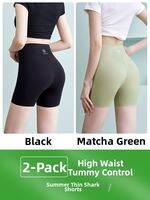
LangSha | Thin for Summer Anti-Exposure Outerwear tummy control butt lift Active Shorts for Cycling and Yoga
₱690.12₱1,129.98
LangSha | Antibacterial Cotton Women Socks Mid-calf Spring and Autumn
₱429.55₱594.05
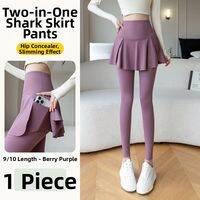
LangSha | High Waist Tummy Control Slim Yoga Leggings with Skirt
₱652.07₱1,081.25
LangSha | Anti-Odor Moisture-Wicking Ankle Socks 44-48
₱476.21₱680.03
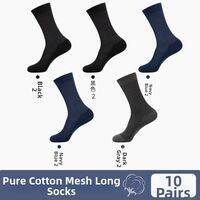
LangSha | Sweat-Absorbing Anti-Odor Breathable Mens Mid-Calf Socks
₱865.87₱972.42
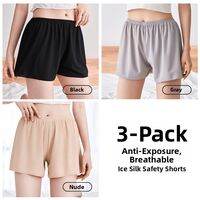
LangSha | Anti-Peep High-Waisted No-Trace Loose Anti-Roll Edge Shorts
₱452.69₱703.81
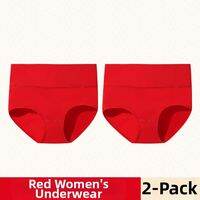
LangSha | Red Wedding & Lucky Year Low Waist Cotton Underwear
₱361.53₱432.86
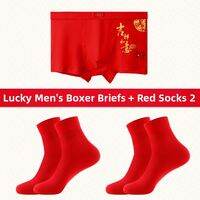
LangSha | Zodiac Year Red Cotton Boxer Shorts
₱352.28₱455.09
About LangSha
Overview
LangSha is a Chinese textile and knitwear brand that originated in Yiwu, Zhejiang Province. Initially focused on socks, stockings, and knitted goods, the brand has since expanded its portfolio to include underwear, men’s and children’s clothing, loungewear, swimwear, home textiles, and other apparel-related products. The LangSha corporate system was established in 1995 and has developed into one of the most recognized names in the Chinese hosiery market, supported by an integrated production, sales, and supply chain network operating domestically and internationally.1
It is important to distinguish between the LangSha brand or group and the A-share listed entity “LangSha Shares” (stock code: 600137). The core enterprise presented on the LangSha Holdings Group website is LangSha Holdings Group Co., Ltd., whereas Shanghai Stock Exchange records identify the listed company as Sichuan LangSha Holding Co., Ltd. While the two share historical and operational ties, they are distinct legal entities and should not be conflated when researching the brand.2
Corporate Profile
| Item | Details |
|---|---|
| Brand Name | LangSha |
| English Name | LangSha / Langsha |
| Chinese Pinyin | Làngshā |
| Founded | 1995 |
| Place of Origin | Yiwu, Zhejiang Province, China |
| Core Industries | Knitwear, Hosiery, Underwear, Textile Apparel |
| Key Products | Socks, Pantyhose, Underwear |
| Enterprise Type | Private Enterprise System |
| Primary Markets | China and Overseas |
| Main Production Base | Yiwu, Zhejiang |
| Market Positioning | Mass-market knitwear, hosiery, and lifestyle apparel |
| Group Website | LangSha Holdings Group Official Website |
According to official materials from LangSha Holdings Group, the company was founded on June 22, 1995, through joint investment by Weng Rongjin, Weng Guanrong, and Weng Rongdi, with its headquarters and primary operations based in Yiwu, Zhejiang.3
Brand History
Founding and Early Development
The history of LangSha is closely linked to Yiwu, Zhejiang, which hosts one of China’s largest hosiery industry clusters. Established in 1995 during a period of rapid growth in the Chinese textile sector, the company entered the market focusing on socks and knitted products. Unlike many contemporaries that operated solely as original equipment manufacturers (OEM), LangSha transitioned early toward building an proprietary brand.4
This strategic pivot was significant. While the Chinese hosiery sector was dominated by contract manufacturing, LangSha invested heavily in television and mass media advertising. Historical reports from CCTV and China Daily describe it as one of the first enterprises in the industry to pursue branded, large-scale development.4
Hosiery Heritage
For much of its history, LangSha has been synonymous with hosiery in the Chinese consumer market. The company previously adopted the goal of becoming the “World Sock King,” positioning sock manufacturing as its core competitive domain.
The product range encompasses men’s, women’s, and children’s socks, including ankle, crew, and knee-high styles, as well as pantyhose, thermal wear, medical and functional socks, athletic socks, and seamless varieties. By leveraging mass production, category expansion, and a nationwide distribution network, the company established a dominant market position. Media reports from around 2011 indicated that LangSha operated approximately 8,000 knitting machines with a daily output exceeding four million pairs, alongside established overseas sales channels.5
Advertising and Brand Awareness
LangSha distinguished itself from traditional textile mills through aggressive mass marketing. Its most enduring slogan, “LangSha, more than just attraction!” achieved high recognition among consumers and remains a defining element of the brand’s communication history. This tagline is specifically highlighted in the company’s official development timeline.6
This marketing strategy helped reposition socks from basic commodities to branded fashion items with specific appeal to female consumers, laying the groundwork for subsequent product line expansions.
Product Expansion
Over time, LangSha evolved from a specialized hosiery manufacturer into a broader knitwear and apparel brand. The current official product ecosystem includes socks, underwear, men’s and children’s clothing, loungewear, footwear, household goods, accessories, maternity and infant products, sportswear, yoga gear, swimwear, home textiles, and brassieres.7
Underwear has become a major business segment following this diversification. The official English-language website categorizes its primary offerings as pantyhose, socks, and underwear.8
Detailed Product Lines
- Hosiery: Men’s, women’s, and children’s socks; boat, ankle, crew, and knee-high socks; stockings; pantyhose; thermal socks; and athletic socks.
- Underwear: Men’s and women’s briefs; thermal underwear; bras; vests; seamless garments; shapewear; and lounge undergarments.11
- Apparel: T-shirts, men’s wear, children’s wear, loungewear, swimwear, footwear, and accessories.12
- Home Products: Bedding, pillows, mattresses, mats, home textiles, and daily household items.13
Consequently, LangSha is best characterized today as a comprehensive textile brand anchored by hosiery and knitwear, with significant presence in intimate apparel and lifestyle categories.
Manufacturing Capabilities
Large-scale manufacturing remains a defining characteristic of LangSha. Official sources state that the company operates nearly 8,000 advanced digital production units, including cotton sock machines, stocking and medical sock equipment, and seamless knitting machinery, with an average daily capacity exceeding four million pairs of socks.9
The group emphasizes vertical integration across design, research and development, and production. Beyond its proprietary brands, the English-language corporate site highlights extensive OEM and ODM services, indicating that LangSha functions as both a consumer brand and a supply chain partner for other labels.10
Sales and Distribution
Domestic Network
LangSha has historically maintained an extensive offline retail footprint. Group disclosures have cited over 2,000 specialty stores, 100,000 sales terminals, a marketing team of more than 5,000 personnel, and over 300 overseas clients, with product distribution spanning five continents. These figures reflect officially disclosed channel scale at specific points in time and may vary with market conditions.
International Business
International cooperation is a stated priority for the company, with products exported to multiple countries and regions alongside OEM/ODM partnerships.14 Historical media coverage has documented LangSha’s entry into European markets including France, Germany, Belgium, Italy, and Hungary.15
The business model therefore operates on two tracks: as a B2C brand selling LangSha products directly to consumers, and as a B2B manufacturer providing production services for third-party brands.
Technology and Research
Manufacturing technology is considered a key competitive advantage. The company maintains an enterprise technology center, a corporate research institute, and a postdoctoral research workstation, and holds high-tech enterprise status along with various intellectual property qualifications. Historical reports note a substantial portfolio of patents related to hosiery and intimate apparel, reflecting sustained R&D investment.
Corporate Culture
LangSha’s stated corporate culture reflects its origins in traditional manufacturing and family enterprise. Core objectives include becoming the “World Sock King” and consolidating domestic strength while expanding internationally. Quality principles emphasize rejecting defective inputs, preventing defects during production, and ensuring no substandard products leave the factory.
Official tenets also cite dedication, pragmatism, and innovation as guiding values, underscoring a manufacturing-centric philosophy prioritizing scale, quality control, channel depth, and cost efficiency.
Honors and Recognition
According to official materials, the brand and enterprise have received numerous distinctions, including designation as an iconic brand in China’s hosiery industry, Zhejiang Provincial Famous Brand Product, High-Tech Enterprise, and host of a National Industrial Tourism Demonstration Site. The company also lists its role as a supplier of socks for national day military parades among its corporate honors.
Social Responsibility
LangSha has engaged in various charitable and public welfare initiatives. Documented activities include donating medical cotton masks in 2003, establishing an education fund and agricultural college in 2006, providing disaster relief during the 2008 Wenchuan earthquake, funding school reconstruction in Qingchuan County, Sichuan, in 2009, contributing to the China Resources Charity Foundation in 2012, and supporting Zhejiang’s water treatment campaign in 2014.
Relationship with Listed Entity
Researching LangSha requires distinguishing between the brand and the publicly traded company. LangSha Holdings Group Co., Ltd., established in 1995, serves as the core enterprise of the brand system. Separately, Sichuan LangSha Holding Co., Ltd. is listed on the Shanghai Stock Exchange under the stock abbreviation “LangSha Shares” and code 600137.
Official group sources note that Zhejiang LangSha Underwear Co., Ltd. was established in 2006 and entered the Shanghai Stock Exchange in 2007 through restructuring, forming the listed “LangSha Shares” entity. Financial data and assets associated with the listed company should not be attributed directly to the broader LangSha brand or holdings group without verification.
Market Positioning
LangSha is positioned as a mass-market Chinese knitwear brand and large-scale hosiery manufacturer rather than a luxury or high-fashion label. Its traditional strengths derive from economies of scale, supply chain integration, broad product assortment, extensive distribution, sustained advertising, and high consumer awareness. These factors have cemented its long-standing identity as a leading sock brand in China.
Evolution of Brand Identity
The development of LangSha can be categorized into distinct phases:
- Sock Manufacturer (circa 1995): Focused primarily on hosiery and knitwear production.
- National Hosiery Brand: Achieved nationwide recognition through television advertising and offline distribution.
- Large-Scale Manufacturer: Expanded production capacity, product variety, and export/OEM capabilities.
- Knitwear Brand: Diversified into underwear, menswear, childrenswear, and loungewear.
- Lifestyle Apparel Brand: Extended coverage to swimwear, home textiles, household goods, and athletic products.
This trajectory illustrates a deliberate expansion from a specialized hosiery producer to a diversified textile and apparel conglomerate.
Key Characteristics
| Keyword | Significance |
|---|---|
| Hosiery | Core and most representative traditional business |
| Yiwu | Place of origin and primary industrial base |
| Scale Manufacturing | Large-volume production as a key competitive advantage |
| Mass Market | Products targeted at general consumers |
| Branding | Early transition from OEM to proprietary brand |
| Advertising | High-impact campaigns driving consumer recognition |
| Diversification | Expansion from socks to underwear, apparel, and home textiles |
| OEM/ODM | Concurrent manufacturing services for third-party brands |
| Internationalization | Export and client presence across multiple overseas markets |
Industry Significance
Within the context of China’s hosiery sector, LangSha represents a notable case study in industrial upgrading. Rather than competing primarily on fashion or premium positioning, it demonstrates how a traditional manufacturer leveraged cluster advantages, scaled production, built a proprietary brand, invested in marketing, developed nationwide distribution, entered international markets, and diversified its product portfolio. CCTV has previously cited LangSha as a typical example of brand-building within China’s OEM-dominated hosiery industry.4
References
- 发展历程 – 浪莎控股集团官方网站
- Company Profile – Langsha
- 浪莎简介 – 浪莎控股集团官方网站
- Langsha Group´s rise – From being big to being big and strong CCTV-International
- 产品展示 – 浪莎控股集团官方网站
- 内衣 – 浪莎控股集团官方网站
- Langsha
- Underwear – Langsha
- Underwear – Langsha
- 男装 – 浪莎控股集团官方网站
- 家纺 – 浪莎控股集团官方网站
- 企业荣誉 – 浪莎控股集团官方网站
- 浪莎控股集团官方网站
- 浪莎新闻 – 浪莎控股集团官方网站
- 浪莎LANSWE品牌介绍-浪莎丝袜_内衣_袜子_保暖内衣-买购APP