Shop on Lazada
Lelo products
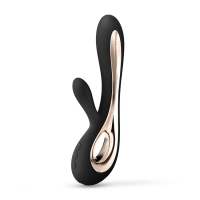
Lelo Soraya 2 Rabbit Vibrator
₱13,500.00
Buy on Lazada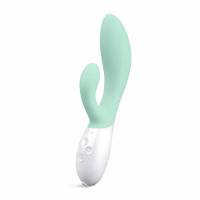
Lelo Ina 3 Rabbit Vibrator
₱10,600.00
Buy on Lazada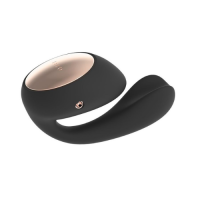
Lelo Ida Wave (Clit and G-Spot Vibrator)
₱16,440.00
Buy on Lazada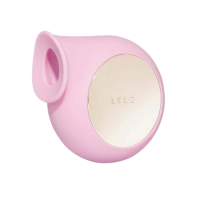
Lelo Sila Cruise (Clit Sucker)
₱14,280.00
Buy on Lazada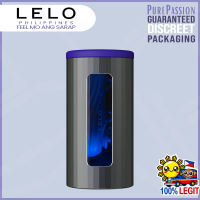
LELO F1S V2 Dual stimulation Sonic Massager App Controlled Blue
₱12,632.00₱13,158.75
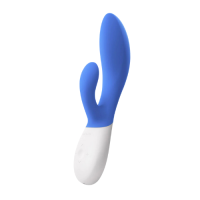
Lelo Ina Wave 2 (Rabbit Vibrator)
₱11,100.00
Buy on Lazada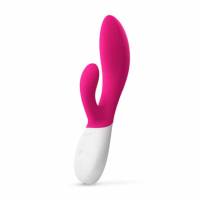
Lelo Ina Wave 2 Rabbit Vibrator
₱11,700.00
Buy on Lazada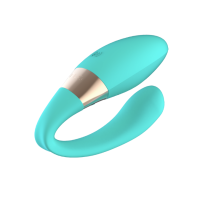
Lelo Tiani Harmony (G-Spot Vibrator)
₱11,040.00
Buy on LazadaAbout Lelo
Lelo (legally LELOi AB) is a Swedish premium intimate lifestyle and sexual wellness brand best known for its designer personal massagers and adult wellness products. Founded in Stockholm in 2003, the company distinguished itself from the traditional sex toy industry by positioning intimate products as consumer design objects that combine industrial design, technology, premium materials, discretion, and luxury branding.1
Basic information
| Field | Information |
|---|---|
| Brand | Lelo |
| Company | LELOi AB |
| Founded | 2003 |
| Origin | Stockholm, Sweden |
| Founder | Filip Sedic |
| Industry | Sexual wellness / intimate lifestyle / consumer products |
| Positioning | Premium / luxury sexual wellness brand |
| Main products | Personal massagers, couples’ products, intimate wellness devices |
| Related categories | FemTech, FemCare, condoms and accessories |
| Markets | 160+ countries |
| Employees | Around 300 |
| Products sold | 11 million+ according to Lelo |
| Intellectual property | 200+ patents and trademarks, according to Lelo |
| Brand philosophy | Design + technology + sexual wellbeing + self-care |
The figures above are based primarily on current corporate information provided by Lelo.2
Brand identity and concept
Lelo operates essentially as a luxury design brand within the sexual wellness sector. Rather than presenting vibrators or massagers as purely functional adult products, the founding concept questioned why intimate objects could not receive the same aesthetic attention as other premium consumer goods. The company traces its origins to three designers who came together in Stockholm in 2003 around this idea.3
This distinction is central to understanding the brand’s identity. Historically, sex toys were associated with novelty stores, utilitarian designs, inexpensive materials, overtly sexual aesthetics, and limited industrial design. Lelo sought to shift the category toward minimalist Scandinavian-inspired design, premium materials, sophisticated packaging, rechargeable electronics, quieter operation, ergonomic forms, technological differentiation, and luxury positioning. Consequently, Lelo helped reframe sexual wellness products as lifestyle and design objects rather than mere novelty items.
Founding and early history
Lelo was established in Stockholm in 2003. While current corporate history identifies Filip Sedic as the founder, broader origin stories describe three designers collaborating to develop the initial concept.4
The company’s first major product was LILY™, introduced in 2003. LILY embodied the philosophy that would become central to Lelo: an intimate device could be both technologically sophisticated and aesthetically attractive. According to the company, this launch helped create demand for more elegant intimate products and contributed to a wider transformation in sex toy design.5 This was significant because Lelo entered a market where design itself was still relatively unusual as a primary selling proposition.
Design philosophy
Design-led product development remains the strongest characteristic of Lelo. The brand deliberately incorporates principles familiar from premium consumer electronics and lifestyle sectors:
Minimalism
Many Lelo products feature smooth, sculptural silhouettes rather than conventional mechanical-looking forms.
Discretion
Products are generally designed to resemble sophisticated personal objects rather than explicit novelty items.
Material quality
The brand emphasises premium-feeling materials and finishes as part of its luxury positioning.
Technology
Electronic products incorporate rechargeable batteries, multiple stimulation patterns, digital controls, and proprietary technologies.
User experience
Lelo focuses heavily on ergonomics, controls, packaging, charging, and the overall ownership experience, extending beyond basic product function.
This combination is one reason Lelo is frequently described as a luxury or premium sexual wellness brand rather than simply a sex toy manufacturer.6
Major milestones
2003 — Foundation
Lelo begins operations in Stockholm and launches LILY, its first pleasure device.7
2009 — Couples’ products
The company expands beyond individual-use items with its first couples’ pleasure product.8
2012 — FemCare and FemTech expansion
Lelo launches LILY CUP, moving the business beyond sexual pleasure into women’s health and menstrual care.9
2014 — ORA and Cannes Lions
Lelo introduces ORA, an oral sex simulator. The company states it became the first pleasure product to win a Cannes Lions design award. The collapsible LILY CUP Compact is also introduced.10
2016 — HEX
The brand expands into sexual health and safety products with HEX condoms, featuring a distinctive hexagonal structure.11
2018 — SONA and Ziggy
New products include SONA, which combines sonic wave sensations with traditional vibration technology, and Ziggy Cup, a menstrual disc.12
2019 — F1S
Lelo launches F1S, a male pleasure device and console that received recognition from XBIZ for innovation.13
2020 — SILA
The company launches SILA, a sonic clitoral massager.14
2021 — ENIGMA
Lelo releases ENIGMA, a dual-stimulation device that became one of the brand’s most recognised technological products.
2022 — Luxury Brand recognition
According to company history, Lelo received Luxury Brand of the Year at the XBIZ Awards.15
2023 — 20th anniversary
Lelo marks 20 years since its founding and continues expanding beyond its original product category.16
2024–2025 — New design awards
Recent products such as ENIGMA Wave™ and ENIGMA Double Sonic™ receive design and industry recognition, including Red Dot-related awards.17
Product portfolio
The Lelo portfolio extends well beyond vibrators.
Personal massagers
This category remains the core of the brand. Representative product families include LILY, SONA, SILA, DOT, ENIGMA, ORA, and various other external and internal massagers. Different products utilise varying combinations of vibration, sonic wave stimulation, and proprietary mechanisms.
Couples’ products
Lelo has developed products specifically intended for partners, including devices designed to be worn or controlled during partnered intimacy. The first couples’ product was introduced in 2009.18
Men’s sexual wellness
The portfolio includes products such as F1S, expanding offerings beyond predominantly female-oriented devices.19
FemCare and FemTech
The wider Lelo group has expanded into women’s health products, including menstrual cups, menstrual discs, and pelvic floor-related products. These are particularly associated with the INTIMINA brand.20
Condoms
Lelo also owns and operates the HEX condom brand, positioning it as a premium alternative within sexual health products.21
Brand architecture
Lelo is now more than a single sex toy brand. Its broader portfolio includes:
- Lelo: Premium pleasure and intimate wellness devices
- INTIMINA: FemCare and FemTech, particularly menstrual and pelvic floor products
- HEX: Premium condoms
Corporate descriptions refer to the broader group as a “one-stop shop” for sexual wellness.22 This diversification allows the company to participate in several areas of the sexual health and intimate wellness market rather than relying exclusively on vibrators and massagers.
Technology and intellectual property
Technology serves as a major competitive differentiator for Lelo. The company states it holds more than 200 patents and trademarks, reflecting an emphasis on proprietary technology and product design.23
Products have incorporated technologies involving sonic stimulation, multiple vibration patterns, pressure-sensitive or responsive controls, rechargeable batteries, ergonomic control systems, waterproof construction, and proprietary stimulation mechanisms. Lelo does not market itself merely as a manufacturer of generic vibrating devices but attempts to create recognisable technological platforms and product experiences.
Design awards and reputation
Awards have played an unusually important role in Lelo’s branding. A notable milestone was the ORA receiving Cannes Lions design recognition in 2014, which Lelo describes as the first pleasure product to achieve such an honour.24
More recently, the brand has highlighted recognition including:
- DOT™: XBIZ Europa Sex Toy of the Year, 2023
- ENIGMA Wave™: Sex Toy of the Year and Red Dot-related recognition, 2024
- ENIGMA Double Sonic™: Red Dot product design recognition, 2025
These awards reinforce the positioning of sexual wellness as a legitimate field of industrial and product design.25
Global presence
Lelo has grown substantially beyond its Swedish origins. Current corporate information indicates that products are sold in more than 160 countries, with approximately 300 employees and international operations extending from San Jose to Shanghai. The company states that more than 11 million products have been sold.26 This establishes Lelo as an international consumer brand rather than a niche Scandinavian manufacturer.
Market positioning
Lelo occupies a position between several industries:
- Sexual wellness: The fundamental category for the company.
- Luxury goods: Pricing, packaging, materials, and visual identity are designed to convey premium quality.
- Consumer electronics: Rechargeable batteries, electronic controls, proprietary technologies, and engineering give products an electronics-like character.
- Beauty and self-care: Pleasure is increasingly framed as part of broader self-care and personal wellbeing.
- Design: Industrial and product design remain central to the company’s identity.
Lelo can be described as a Scandinavian-origin premium sexual wellness brand that applies luxury product design and consumer technology to intimate products.
Brand philosophy
Lelo uses “Come Together” as a central brand slogan, describing it as representing a broader mission around intimacy and connection rather than merely a marketing tagline.27
The brand emphasises sexual wellbeing without shame, body confidence, self-discovery, inclusivity, intimacy, personal pleasure, and quality of life. This reflects a wider industry shift from the concept of “sex toys” toward “sexual wellness” and “intimate lifestyle.” Lelo has explicitly described its philosophy as extending beyond gender, sexual orientation, race, and age.28
Industry influence
Lelo’s significance lies less in inventing the vibrator and more in changing how the category is designed and marketed. Before brands like Lelo gained prominence, intimate products were often treated as adult novelties or functional items purchased discreetly. Lelo promoted an alternative model centred on sexual wellness, self-care, premium design, technology, and lifestyle positioning.
This parallels developments in other categories where companies demonstrated that technology products could be sold partly through design and emotional appeal. Lelo applied similar principles to intimate products, making appearance, materials, packaging, and ownership experience part of the value proposition.
Business strategy
Lelo’s strategy can be understood through five pillars:
- Premiumisation: Making intimate products feel like luxury consumer goods.
- Design differentiation: Using recognisable industrial design instead of competing solely on mechanical functionality.
- Technology: Developing proprietary stimulation technologies and obtaining patents.
- Category expansion: Moving from personal massagers into couples’ products, men’s products, FemTech, FemCare, and condoms.
- Global distribution: Building an international brand rather than remaining focused solely on Sweden.
Current portfolio and corporate messaging demonstrate all five strategies.
Comparison with conventional brands
| Aspect | Traditional approach | Lelo approach |
|---|---|---|
| Positioning | Adult novelty | Sexual wellness / luxury |
| Design | Functional | Design-led |
| Aesthetics | Explicit or utilitarian | Minimalist / discreet |
| Technology | Basic functionality | Proprietary technology |
| Packaging | Functional | Premium |
| Brand image | Sex shop | Lifestyle/luxury brand |
| Innovation | Product features | Product + design + technology |
| Target perception | Sex-toy buyer | Wellness/lifestyle consumer |
| Portfolio | Mostly sex toys | Pleasure + FemTech + FemCare + condoms |
This positioning is arguably Lelo’s most significant strategic achievement.
Scandinavian design heritage
Lelo’s Swedish origins are relevant to its visual identity. While the company does not simply advertise itself as “Swedish” in the manner of furniture or fashion brands, its minimalist aesthetic fits within the broader Scandinavian design tradition of simplicity, functionalism, restrained forms, clean surfaces, usability, and understated luxury.
The result is a product that resembles a premium personal care or electronics object more than a conventional adult novelty item. This represented a significant departure when Lelo entered the market in 2003.
Limitations and considerations
Like other sexual wellness companies, Lelo operates in a category that has historically faced social stigma, regulatory differences, and advertising restrictions.
Practical considerations for consumers include:
- Relatively high prices
- Premium pricing does not guarantee every product suits every user
- Proprietary technology can increase costs
- Product preferences are highly subjective
- Availability and regulations differ between countries
Therefore, “luxury” should be understood primarily as Lelo’s market positioning rather than an objective guarantee that every product will outperform less expensive competitors.
Current status
As of 2026, Lelo describes itself as one of the world’s leading designer brands for intimate lifestyle products. Current corporate information states it operates in more than 160 countries, employs around 300 people, has sold approximately 11 million products, and holds more than 200 patents and trademarks.
The company has evolved through three broad stages:
- 2003–early 2010s: Reinventing the appearance and perception of sex toys.
- 2010s: Building technological credibility and expanding into FemCare, FemTech, and condoms.
- 2020s: Positioning itself as a comprehensive sexual wellness and intimate lifestyle company while continuing to emphasise design and technology.
References
- About LELO | LELO
- Company Information | LELO
- Acerca de LELO | LELO
- LELO Celebrates 20 Years of Orgasms
- Nutida och framtida lyx: svenska LELO syns i succéserien Emily in Paris | LELO
- LELO Toys Review – Are They Worth the Hype?
- LELO LIMITED persons with significant control – Find and update company information – GOV.UK
- Svenskgrundat varumärke utforskar ny mark: Tar klivet från sexleksaker till smink | LELO
- LELO firar 20 år – lanserar en ny version av den ikoniska sexleksaken som satte varumärket på kartan | LELO
- Hon blir ny marknads- och kommunikationschef för LELO | LELO
- The History of Lelo – LifestyleDistributing.com
- Om LELO | LELO
- Företagsinformation | LELO
- À propos de LELO | LELO
- Sobre a LELO | LELO
- LELO: Det ledande designmärket för intima livsstilsprodukter
- Информация о компании | LELO
- O marce LELO | LELO
- Informations sur la société | LELO
- 公司简介 | LELO
- Información sobre la empresa | LELO
- Informatie over het bedrijf | LELO
- 公司資訊 | LELO
- Informacje o firmie | LELO
- Heritage | LELO MAKEUP™
- LELO LTD filing history – Find and update company information – GOV.UK
- LELO GROUP LIMITED filing history – Find and update company information – GOV.UK
- LELO GROUP LIMITED persons with significant control – Find and update company information – GOV.UK