Shop on Lazada
LITTLE ONDINE products
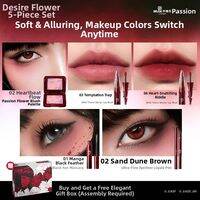
LITTLE ONDINE | Fujiko Collaboration Makeup Set
₱5,798.52₱7,349.14
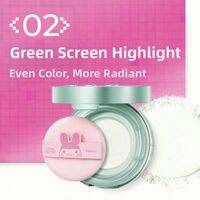
LITTLE ONDINE | Collab Multifunctional Makeup Powder Eyeshadow Blush Lipstick
₱1,320.59
Buy on Lazada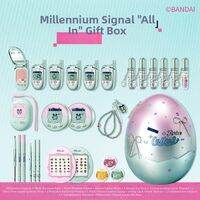
LITTLE ONDINE | Multifunctional Lipstick & Eyeshadow
₱15,372.97
Buy on Lazada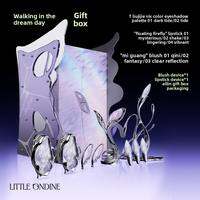
LITTLE ONDINE | Artistic Cosmetics Set Lipstick Blush Eyeshadow Gift
₱39,090.54₱40,342.86
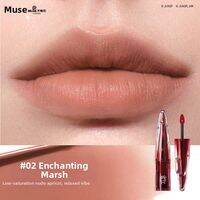
LITTLE ONDINE | Velvet Water Smooth Lip Clay
₱772.13₱980.70
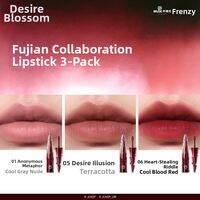
LITTLE ONDINE | 3D Contouring Blush Palette
₱1,958.54
Buy on Lazada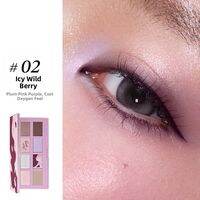
LITTLE ONDINE | Long-lasting Makeup Multifunctional Cosmetic Palette
₱1,317.99₱1,425.17
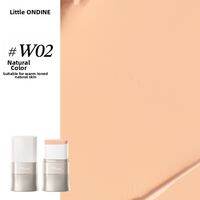
LITTLE ONDINE | Moisturizing Foundation Liquid Full Coverage Long-lasting
₱1,086.61₱2,428.59
About LITTLE ONDINE
LITTLE ONDINE (小奥汀, Xiǎo Ào Tīng) is a Chinese beauty and cosmetics brand established in Shanghai in 2013. Originally launched as a niche manufacturer of water-based nail polish, it has since developed into a trend-led colour cosmetics label.1 The brand is currently part of Yatsen Group, the parent company of Perfect Diary.1
LITTLE ONDINE is recognised for creative colour cosmetics, distinctive packaging, and youth-oriented aesthetics that emphasise self-expression. Its core demographic comprises younger consumers, particularly Generation Z.
Basic information
| Item | Details |
|---|---|
| Brand name | LITTLE ONDINE |
| Chinese name | 小奥汀 |
| Pronunciation | Xiǎo Ào Tīng |
| Founded | 2013 |
| Origin | Shanghai, China |
| Industry | Beauty & cosmetics |
| Original category | Water-based / peel-off nail polish |
| Current focus | Colour makeup and beauty |
| Parent group | Yatsen Group |
| Core audience | Young consumers, particularly Gen Z |
| Brand positioning | Trendy, artistic, expressive, youthful beauty |
Trademark records for 小奥汀 / LITTLE ONDINE cover a wide range of cosmetics, including lipstick, eye makeup, mascara, foundation, blush, nail polish, skincare-related cosmetics, and other beauty products.
Name origin and philosophy
The name “Ondine” refers to a water spirit or nymph in European folklore. Brand materials link this reference to water, reflecting the company’s initial focus on water-based cosmetics and nail products.
The word “Little” communicates the philosophy that small personal differences can have a significant impact, a concept the brand describes as “1% matters.” This creates a dual meaning: “Ondine” represents water, nature, and creativity, while “Little” signifies individuality, subtle differences, and personal expression. This naming convention became increasingly relevant as the company expanded from nail polish into expressive colour makeup.
Founding and early development
LITTLE ONDINE was founded in Shanghai in 2013 with a proposition distinct from conventional nail polish manufacturers. Rather than competing through traditional salon-style products, the brand focused on water-based, odourless, quick-drying, and peel-off nail polish designed to make nail colour more accessible and playful for everyday consumers.1
Early positioning emphasised several key characteristics:
- Water-based formulation
- Lower-odour experience
- Easy application
- Peel-off/removable format
- Fashion-oriented colours
- Creative and environmentally conscious positioning
This combination allowed LITTLE ONDINE to distinguish itself within the nail colour market. Overseas expansion began around 2015, with the water-based concept attracting attention from international beauty consumers and media.
Transition to colour cosmetics
A significant transformation occurred in the late 2010s. In 2019, LITTLE ONDINE was acquired by Yatsen Group, which also operates Perfect Diary.1 Following the acquisition, the brand moved beyond its original nail polish identity to develop a broader colour cosmetics portfolio.1
This repositioning shifted the brand’s focus:
- Previous identity: Water-based nail polish, natural/clean positioning, creative nail colour.
- New identity: Trend makeup, expressive colours, youth culture, individuality.
The company introduced products for the eyes, lips, and face, including eyeliner, mascara, eyebrow products, lipstick, blush, contour, and highlighter.1 This transition strategically evolved LITTLE ONDINE from a specialised nail brand into a comprehensive colour makeup label.
2020 market performance
The brand’s transformation became particularly visible in 2020. Industry analysis indicated that overall sales increased dramatically during this period, with the eye makeup category serving as the primary growth engine. Eye makeup accounted for approximately 71.4% of sales between July 2019 and July 2020.
Eyeliner emerged as a standout product. During China’s 2020 Double 11 shopping festival, LITTLE ONDINE ranked among the top 10 colour cosmetics brands by sales on Tmall, with its eyeliner line reportedly ranking number one in monthly sales throughout 2020.1 Research indicated that the first major Double 11 campaign following the makeup transformation generated approximately RMB 100 million in sales, demonstrating the brand’s rapid integration into the competitive colour cosmetics market.
Product portfolio
While originally known for nail polish, LITTLE ONDINE now offers a diverse range of beauty products.
Eye makeup
Eye makeup remains one of the brand’s strongest categories. Products include eyeliner, mascara, eyebrow pencils, brow products, and eyeshadow palettes. Eyeliner, in particular, played a pivotal role in the brand’s growth between 2019 and 2020.1
Face makeup
The face makeup range includes blush, highlighter, contour, foundation, face palettes, and multi-use products. International retail listings feature contour and highlight palettes, liquid highlighters, contour pens, and multi-use makeup sticks.2
Lip makeup
Lip offerings have expanded to include lipsticks, lip glosses, tinted lip products, and specialty collections. Current listings include the Blossom Mirror Lip Gloss range.2
Nail products
Although colour makeup is now central to the business, nail polish remains integral to LITTLE ONDINE’s historical identity. The original water-based concept was foundational to the brand’s establishment.
Brand positioning
LITTLE ONDINE’s positioning has evolved significantly. Initially defined by natural, water-based, convenient, and creative attributes, the post-2019 strategy shifted towards trendy, colourful, artistic, and individualistic values.
The brand now presents makeup as a medium for young consumers to express their personalities rather than merely functional cosmetics. International descriptions emphasise an avant-garde attitude, self-expression, and the creation of personal style.2 The core proposition is summarised as makeup being a form of personal expression.
Target consumer
Historically, LITTLE ONDINE targeted young female beauty consumers. Corporate filings describe loyal customers primarily as women aged 20–29 in China’s Tier 1 and Tier 2 cities who demonstrate a willingness to spend on premium beauty products.1
More recently, the brand identity has focused increasingly on Generation Z. Visual identity partners describe the repositioned brand as a trendy label designed around the scene-based experiences and diverse lifestyles of Gen Z consumers.3 This makes the brand relevant to consumers who utilise makeup for fashion, self-expression, social media content, personal identity, colour experimentation, and lifestyle aesthetics.
Visual identity
The visual identity has evolved alongside the business. Earlier systems were minimalist, utilising black, white, and orange. Following repositioning, a distinctive purple was introduced alongside the traditional orange.3
Key characteristics of the visual identity include:
- Strong graphic elements
- Playful typography
- Tilted and diagonal forms
- Bold colour combinations
- Youth-oriented packaging
- Fashion and editorial aesthetics
The tilted logo treatment is central to the brand’s image. A 2023 redesign retained this characteristic while using displacement and concealment to convey that trends and identities need not conform to fixed forms.3 The redesign also incorporated a smiling symbol representing the initials “L” and “O”.3 This new visual identity received a 2023 GDC Award Merit Award in the Brand and Visual Identity category.3
Marketing strategy
LITTLE ONDINE’s growth is closely linked to China’s social commerce and e-commerce ecosystem. Rather than relying solely on conventional advertising, the brand leverages platforms such as Tmall, Douyin, and Xiaohongshu, alongside influencer marketing, product-focused campaigns, limited editions, IP collaborations, and visually distinctive packaging.
The eyeliner category exemplifies this strategy; one marketing campaign on Douyin reportedly generated over 150 million views and 15 million likes. Yatsen has stated that LITTLE ONDINE gained popularity through eye-catching products and co-branding partnerships with intellectual properties that resonated with young customers.4
Relationship with Yatsen Group
The 2019 acquisition by Yatsen Group provided LITTLE ONDINE with access to extensive infrastructure, including e-commerce capabilities, marketing resources, consumer data, and product development support.1 Subsequent growth followed a model common to digitally native Chinese beauty brands: combining distinctive branding with rapid product development, social media marketing, and e-commerce integration.
Yatsen annual reports continue to identify LITTLE ONDINE as a key youth-oriented beauty brand within its portfolio.4
International presence
Although a Chinese brand, LITTLE ONDINE has maintained an international presence since the mid-2010s. Original nail products were marketed globally, and the brand has since appeared through international beauty retailers and e-commerce channels.
Retailers such as YesStyle currently carry a range of LITTLE ONDINE products, including eyeliner, eyebrow products, contour and highlight items, eyeshadow, mascara, lip products, and foundation.2 This represents an example of a Chinese beauty brand developing an international consumer-facing identity rather than simply exporting domestic products.
Brand evolution timeline
| Period | Brand identity | Main products | Key characteristic |
|---|---|---|---|
| 2013–2015 | Emerging nail brand | Water-based nail polish | Innovation and convenience |
| 2015–2018 | International niche beauty brand | Nail colour | Creative, eco-conscious positioning |
| 2019 | Yatsen-era repositioning | Makeup + nails | Expansion into colour cosmetics |
| 2020 | Fast-growing makeup brand | Especially eye makeup | E-commerce/social-media breakout |
| 2021–2022 | Broader colour cosmetics | Eyes, lips, face | More complete makeup portfolio |
| 2023 onward | Gen-Z trend makeup | Full colour cosmetics | Individuality, fashion and self-expression |
Distinctive characteristics
Four elements define the brand’s trajectory:
Differentiated product origin
The original water-based, peel-off nail polish concept provided a clear point of differentiation beyond standard nail colour offerings.
Successful category expansion
Unlike many brands tied to their original product, LITTLE ONDINE successfully transitioned from nail polish to eye makeup and finally to full colour cosmetics, significantly expanding its addressable market.
Understanding of visual culture
Colour, packaging, graphic identity, and social media presentation are central to the brand. This approach appeals to Gen Z consumers for whom products function as visual and lifestyle objects.
Integration of digital and international aesthetics
The brand demonstrates how Chinese beauty labels can utilise local digital ecosystems like Tmall and Douyin while building a visual identity that translates internationally.
References
- Little Ondine
- LITTLE ONDINE | YesStyle
- Little Ondine | Work | UDL Studios
- Little Ondine and Pink Bear gained popularity among young generation with their eye-catching makeup products as well. Both brands formed co-branding partnerships with popular intellectual properties that deeply resonated with young customers.