Shop on Lazada
Lodge products
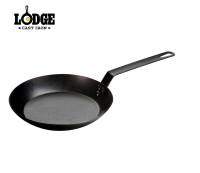
Lodge Carbon Steel Skillet 10 Inch
₱3,795.00
Buy on Lazada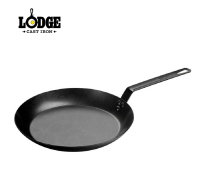
Lodge Carbon Steel Skillet 12 Inch
₱4,195.00
Buy on Lazada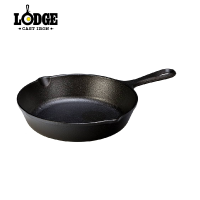
Lodge Cast Iron Skillet 8 Inch
₱1,995.00
Buy on Lazada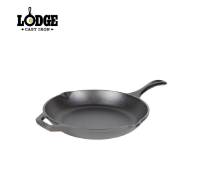
Lodge Chef Collection Skillet 10″
₱2,995.00
Buy on Lazada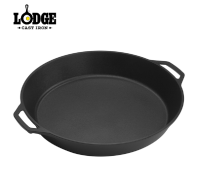
Lodge Cast Iron Dual Handle Pan 17″
₱5,750.50₱8,215.00
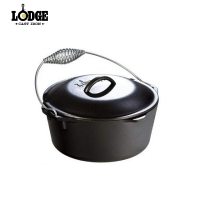
Lodge Cast Iron Dutch Oven With Bail 5 Quart
₱2,847.50₱5,695.00
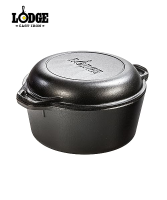
Lodge Cast Iron Double Dutch Oven 5 Quart
₱5,595.00
Buy on Lazada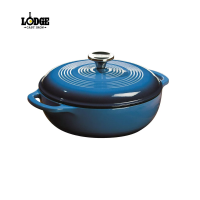
LODGE ENAMELED CAST IRON DUTCH OVEN - BLUE 3QT
₱4,896.50₱6,995.00
About Lodge
Overview
Lodge Cast Iron, officially Lodge Manufacturing Company, is an American cookware manufacturer best known for its cast-iron skillets, Dutch ovens, griddles, grill pans, and other heavy-duty cookware. Founded in 1896 by Joseph Lodge in South Pittsburg, Tennessee, Lodge is one of the oldest continuously operating cookware manufacturers in the United States and remains family-owned.1
Its products are strongly associated with American-made cast iron, durability, affordability, outdoor cooking, and traditional cooking techniques. Although cast iron remains the heart of the business, Lodge has expanded into enameled cast iron and seasoned carbon steel.2
The company describes itself as having made cookware and accessories since 1896 and currently operates two foundries in South Pittsburg, Tennessee.3
| Lodge Cast Iron | |
|---|---|
| Full company name | Lodge Manufacturing Company |
| Brand name | Lodge Cast Iron |
| Founded | 1896 |
| Founder | Joseph Lodge |
| Headquarters / home | South Pittsburg, Tennessee, U.S. |
| Industry | Cookware / housewares |
| Best known for | Cast-iron cookware |
| Ownership | Family-owned |
| Major materials | Cast iron, enameled cast iron, carbon steel |
| Manufacturing heritage | South Pittsburg, Tennessee |
| Website | lodgecastiron.com |
History
Joseph Lodge
The Lodge story begins before the company itself was founded.
Joseph Lodge was born in Pennsylvania and left home at a young age. He worked in machine shops and traveled extensively before eventually settling in Tennessee. In 1877, he and his wife, Anna, moved to South Pittsburg, a small industrial community on the Tennessee River.4
Joseph became involved in the area’s industrial economy, including blast furnaces and coal mining, before establishing a foundry. His experience with machinery, metalworking, and industrial production would ultimately lead to the creation of Lodge’s cookware business.
1896: Blacklock Foundry
In 1896, Joseph Lodge established the Blacklock Foundry in South Pittsburg. The name honored his friend and minister, Joseph Blacklock.5
The foundry manufactured a variety of cast-iron products, including:
- Sad irons
- Tea kettles
- Kitchen sinks
- Stoves
- Cast-iron cookware
Cookware eventually became an important part of the company’s business.6 This 1896 date is the foundation of the modern Lodge brand.
The 1910 fire
A major turning point came in May 1910, when a fire destroyed the Blacklock Foundry.
Rather than abandon the business, Joseph Lodge purchased land a few blocks away and rebuilt the operation. Remarkably, the new foundry began producing cast iron only three months later, in August 1910. The rebuilt company became Lodge Manufacturing Company, the name associated with the brand today.7
The company has continued operating in South Pittsburg ever since. This survival, resilience, family ownership, and manufacturing continuity form an important part of Lodge’s brand mythology.
Lodge during the Great Depression
The Great Depression presented another major challenge.
Rather than shutting down, Lodge diversified its production. The company made novelty cast-iron objects—including garden gnomes and animals—to keep workers employed when demand for conventional products was weak.8
This illustrates an important characteristic of Lodge’s history: the company repeatedly adapted its manufacturing capabilities rather than abandoning its foundry.
Modernization of the foundry
Lodge’s manufacturing process gradually evolved from traditional hand-pouring toward automated production.
During the 1950s, the company began converting its foundry to automated molding. In 1964, Lodge purchased the second Disamatic molding machine in the United States, becoming the first American company to use a Disamatic on U.S. soil in 1965.9
This was significant because cast iron is deceptively complex to manufacture. A modern skillet still begins with molten metal and a mold, but automation allows thousands of consistent pieces to be produced much more efficiently.
The famous Lodge logo
One of Lodge’s most recognizable branding elements appeared in 1973.
The logo features a black skillet containing a fried egg. The design became strongly associated with American-made cast iron and remains recognizable today, although the exact branding has been updated over time.10
The logo is particularly effective because it communicates the product category almost instantly: a pan + cooking + cast iron.
Environmental and manufacturing improvements
Lodge has also invested heavily in modernizing its foundries.
In the early 1990s, the company replaced coal-fired cupola furnaces with an electromagnetic induction melting system. This helped reduce environmental impact and earned Lodge the Tennessee Governor’s Award for Excellence in Hazardous Waste Reduction in 1994.11
The company’s current manufacturing process incorporates recycling and reuse of materials, including foundry sand and metal. Lodge also says it uses biodegradable paper and corrugated packaging for its cookware.12
Popularization of pre-seasoned cast iron
One of Lodge’s most important contributions to modern cast-iron cookware came in 2002.
Historically, cast-iron cookware was commonly sold unseasoned. Consumers had to remove the protective coating, apply oil and bake the cookware themselves before using it.
Lodge began seasoning cast-iron cookware at the factory, making the pans ready to use when purchased. The company says it was the first to do this at the foundry, and the practice subsequently became common across the industry.13
This was enormously important to Lodge’s consumer appeal. Instead of buying a pan, cleaning it, seasoning it, baking it, and finally cooking, the experience became closer to simply buying a pan and cooking. The seasoning also develops with continued use, giving the cookware a distinctive surface that Lodge markets as improving over time.
Expansion beyond traditional cast iron
Although Lodge is synonymous with traditional cast iron, the company has expanded its portfolio.
Seasoned cast iron
This remains Lodge’s core category and includes:
- Skillets
- Dutch ovens
- Griddles
- Grill pans
- Camp ovens
- Grills
- Bakeware
Enameled cast iron
In 2005, Lodge entered the enameled cast-iron market.
Enameled cast iron combines the heat-retention characteristics of cast iron with a porcelain enamel coating, eliminating the need to maintain traditional bare-iron seasoning on the cooking surface.14
Seasoned carbon steel
In 2013, Lodge introduced seasoned carbon-steel cookware.
Carbon steel is thinner and generally lighter than cast iron while retaining many of the characteristics associated with seasoned cookware. Lodge’s range includes skillets, griddles and grill baskets.15
The second foundry
As demand increased, Lodge expanded its manufacturing capacity.
In 2017, the company opened a new 127,000-square-foot facility, known as the 3rd Street Foundry, a few blocks from its original foundry. Lodge says the expansion increased potential manufacturing capacity by approximately 75%.16
The new facility contains induction furnaces, sand-processing equipment and automated molding machinery. Despite this modernization, the basic concept remains remarkably old-fashioned: melt metal → create sand mold → pour iron → remove mold → clean casting → season → inspect → package.
Manufacturing process
Lodge uses a traditional sand-molding process.
Step 1: Melting
Lodge melts a mixture containing:
- Pig iron
- Recycled steel
- Recycled castings
- Alloys
Its induction furnaces operate at temperatures above 2,000°F (about 1,093°C).
Step 2: Making the mold
A mixture of sand, water and clay is pressed against a pattern to create the shape of the cookware.
Step 3: Pouring
Molten iron is poured into the sand mold.
Step 4: Cooling
The iron cools and solidifies into the shape of the skillet, Dutch oven or other product.
Step 5: Shakeout
The casting is separated from its sand mold, with the sand subsequently recycled.
Step 6: Cleaning
The cookware is mechanically cleaned using processes involving iron and steel media.
Step 7: Seasoning
The cookware is coated with vegetable oil and heated at a high temperature. This creates the familiar black seasoned surface of Lodge cookware.
Brand identity and philosophy
Distinctive market position
Lodge occupies an unusual position in the cookware industry. Many cookware brands primarily compete through sophisticated designs, nonstick coatings, stainless steel, premium materials, celebrity chefs, or luxury positioning.
Lodge’s philosophy is almost the opposite. Its core proposition is essentially: simple + durable + affordable + American-made + repairable/maintainable + long-lasting. A Lodge skillet can theoretically last for decades or generations if properly maintained. That longevity is central to the brand’s identity.
The Lodge skillet
The Lodge cast-iron skillet is probably the company’s most recognizable product.
The classic skillet is:
- Thick and heavy
- Highly heat-retentive
- Oven-safe
- Suitable for stovetop cooking
- Suitable for grills and campfires
- Naturally seasoned
- Relatively inexpensive compared with premium cookware
It is used for everything from fried eggs, steak, cornbread, burgers, roasted vegetables, pizza, fried chicken, pancakes, to baking. The skillet’s versatility is one of the reasons Lodge has become particularly popular among home cooks, outdoor cooks and professional chefs.
Connection to outdoor cooking
Lodge has a particularly strong connection to camping and outdoor cooking.
Its Dutch ovens and camp ovens have traditionally been associated with:
- Campfires
- Cowboy cooking
- Camping
- Hunting camps
- Barbecue
- Backcountry cooking
- Dutch-oven competitions
This gives Lodge an identity that goes beyond ordinary kitchen cookware. It represents both home cooking and American outdoor culture.
Core branding themes
Lodge’s branding revolves around several recurring themes:
- Heritage: The company emphasizes more than a century of continuous manufacturing in South Pittsburg.
- Family: Lodge remains family-owned and presents its history as a multigenerational enterprise.
- American manufacturing: The fact that Lodge continues to manufacture much of its cast-iron cookware in Tennessee is central to its identity.
- Durability: Lodge cookware is designed around the idea that a pan should last for years rather than be replaced frequently.
- Accessibility: Unlike many heritage cookware companies, Lodge has historically positioned cast iron as relatively affordable and accessible.
Ownership and corporate structure
Lodge is notable because it has remained family-owned rather than becoming part of a large multinational cookware conglomerate.
The company describes itself as a fifth-generation family-owned company, with Joseph Lodge’s descendants continuing the business. This family ownership is an important component of the company’s marketing because it reinforces the idea that Lodge is not simply a cookware label but a long-running American manufacturing business.
Product portfolio
Lodge’s major product categories include:
Cast iron
- Skillets
- Dutch ovens
- Griddles
- Grill pans
- Bakeware
- Camp cookware
- Outdoor grills
Enameled cast iron
- Dutch ovens
- Skillets
- Grill pans
Carbon steel
- Skillets
- Griddles
- Grill baskets
Accessories
- Pan scrapers
- Handles
- Cooking utensils
- Cleaning and care products
- Outdoor cooking accessories
The company’s 2024 sustainability report identifies seasoned cast iron, enameled cast iron and seasoned carbon steel as its three core cookware lines.
Scale of operations
Despite its old-fashioned image, Lodge is a substantial modern manufacturer.
According to the company’s 2024 sustainability report, Lodge employed approximately 550 people, with most working in its South Pittsburg foundry, enameling facility and administrative operations. It also reported four retail locations in Tennessee and distribution through major retailers and outdoor, hardware and grocery stores.
Lodge says its facilities ship approximately one million pounds of iron products per week. So while Lodge presents itself as a traditional American foundry, its manufacturing operation is actually highly industrialized.
Lodge Museum of Cast Iron
Lodge’s heritage is sufficiently important to the company that it operates the Lodge Museum of Cast Iron in South Pittsburg.
The museum focuses on:
- Lodge’s history
- American cast-iron cooking
- Foundry technology
- The history of cookware
- Lodge’s manufacturing heritage
One of its attractions is an enormous cast-iron skillet measuring more than 18 feet from handle to handle and weighing 14,360 pounds. Lodge calls it the world’s largest cast-iron skillet.
Cultural significance
Lodge is more than a cookware manufacturer because cast iron occupies a distinctive place in American food culture.
Cast-iron cookware is associated with:
- Southern cooking
- Appalachian cooking
- Camping
- Barbecue
- Farmhouse kitchens
- Traditional baking
- Dutch-oven cooking
- Family recipes
Lodge has successfully connected its brand to that cultural history. The company’s marketing often treats cookware as something that can be passed from one generation to another, rather than simply as a disposable consumer product.
That idea—“heirloom cookware”—is perhaps the central emotional component of the Lodge brand.
Market positioning
If Lodge were placed on a cookware-brand spectrum, its positioning could roughly be described as:
- Traditional ← Lodge → Modern
- Mass-market ← Lodge → Luxury
- Industrial manufacturing ← Lodge → Artisan
Interestingly, Lodge sits somewhere in the middle. It combines industrial-scale manufacturing with the visual language and heritage of an old American foundry. That is one reason the brand has remained relevant despite the availability of lighter, more technologically sophisticated cookware.
Strengths and limitations
Main strengths
- Heritage: More than a century of continuous history gives Lodge considerable authenticity.
- Durability: Cast iron is extremely durable and can survive decades of heavy use.
- Price: Lodge’s traditional cast iron is generally much more accessible than many premium cookware brands.
- Versatility: A cast-iron skillet can be used on the stovetop, in the oven, on a grill and over a campfire.
- American manufacturing identity: South Pittsburg remains central to Lodge’s story and manufacturing.
- Huge product ecosystem: The company has expanded from basic skillets into Dutch ovens, enameled cookware, carbon steel and outdoor products.
Limitations
Lodge cast iron is not perfect for every cook.
- Weight: Cast iron is considerably heavier than aluminum or many stainless-steel pans.
- Heat response: It retains heat extremely well, but it doesn’t respond to temperature changes as quickly as thinner cookware.
- Maintenance: Traditional bare cast iron requires some care. Users need to avoid damaging the seasoning and should generally keep the surface dry.
- Rust: Bare cast iron can rust if it is repeatedly exposed to moisture and not properly maintained.
- Enameled cookware: Lodge’s enameled products avoid some seasoning-related maintenance but behave differently from traditional bare cast iron and generally require more care around the enamel surface.
Industry significance
Lodge’s importance isn’t simply that it makes cast-iron pans. Its larger significance is that it helped turn cast iron from an old-fashioned cooking technology into a mainstream modern cookware category.
The factory-seasoning approach was particularly influential. Consumers could buy a cast-iron pan and immediately begin using it, dramatically lowering the barrier to entry.
At the same time, Lodge preserved the idea that cookware could be: simple, repairable, durable and passed down. That philosophy contrasts strongly with the modern consumer cycle of replacing cookware when a coating wears out.
Timeline
| Year | Event |
|---|---|
| 1877 | Joseph Lodge moves to South Pittsburg, Tennessee |
| 1896 | Blacklock Foundry established |
| 1910 | Blacklock Foundry destroyed by fire; rebuilt as Lodge Manufacturing |
| 1930s | Lodge survives the Great Depression partly through novelty cast-iron products |
| 1950s | Automated molding begins |
| 1965 | Lodge becomes first U.S. company to use a Disamatic molding machine |
| 1973 | Famous skillet-and-egg logo introduced |
| 1994 | Lodge receives Tennessee Governor’s Award for hazardous-waste reduction |
| 2002 | Factory-seasoned cast iron introduced |
| 2005 | Enameled cast iron introduced |
| 2013 | Seasoned carbon steel introduced |
| 2017 | Second, 127,000-square-foot foundry begins production |
| 2020s | Lodge continues expanding its cookware, retail and heritage operations |
Summary
Lodge is a fifth-generation, family-owned American cookware manufacturer founded in 1896 by Joseph Lodge, best known for making affordable, durable cast-iron cookware in South Pittsburg, Tennessee, and for turning traditional cast iron into a mainstream modern kitchen and outdoor-cooking product.
The simplest way to understand Lodge is as “the Levi’s of cast iron cookware”: a long-established American brand whose identity is built around heritage, durability, recognizable design, mass accessibility and a strong connection to American culture. Its competitive advantage isn’t cutting-edge cookware technology. It’s the combination of history, manufacturing expertise, affordability and the emotional idea that a Lodge pan can outlive its owner and become part of a family’s cooking history.
References
- We embrace our legacy. – Lodge Cast Iron
- About Lodge – Lodge Cast Iron
- 1 | Lodge Cast Iron
- The Story of Our Founder Joseph Lodge | Lodge Cast Iron
- His return to America found him in the midst
- How It’s Made – Lodge Cast Iron
- About Lodge – Lodge Cast Iron
- Museum – Lodge Cast Iron
- The History of Lodge Cast Iron
- From Cast Iron to Classic: The Story of Lodge Cookware – ALCO (S) PTE. LTD.
- A Look Back at 125 Years | Lodge Cast Iron History
- Lodge Cookware | American-Made Cast Iron Since 1896
- 品牌故事 | 美國LODGE
- LODGEとは – LODGE(ロッジ)|公式ブランドサイト
- 創業120年の歴史 – LODGE(ロッジ)|公式ブランドサイト
- Lodge History – Lodge Cast Iron