Shop on Lazada
Lush products
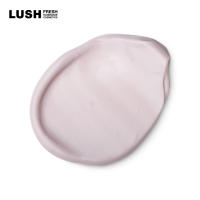
LUSH Sleepy Body Lotion (Soothing) (Calming)
₱2,995.00
Buy on Lazada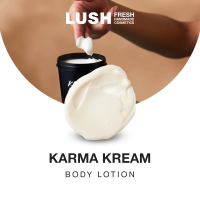
LUSH Karma Kream Body Lotion
₱995.00
Buy on Lazada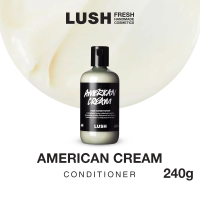
LUSH American Cream (Calming) (Relaxing)
₱1,295.00
Buy on Lazada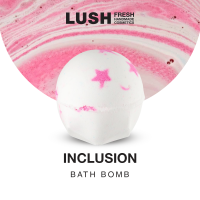
LUSH Inclusion
₱795.00
Buy on Lazada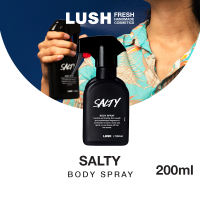
LUSH Salty Body Spray 200ml (Citrusy) (Floral) (Woody)
₱3,345.00
Buy on Lazada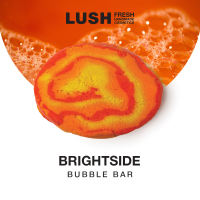
LUSH Brightside Bubble Bar (Citrus) (Energizing)
₱795.00
Buy on Lazada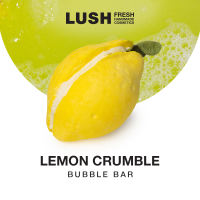
LUSH Lemon Crumble Bubbleroon
₱995.00
Buy on Lazada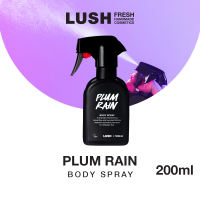
LUSH Plum Rain Body Spray 200ml for a Refreshing Fruity Fragrance
₱2,450.00
Buy on LazadaAbout Lush
Overview
Lush is a British cosmetics and personal-care retailer recognised for its handmade, highly fragranced products, colourful retail environments, “naked” (package-free) items, and vocal stance on ethical and social issues. The company defines itself not merely as a beauty retailer but as a campaigning cosmetics company, linking its commercial operations to animal welfare, environmental protection, ethical sourcing, and human rights.1
| Category | Information |
|---|---|
| Brand name | Lush |
| Industry | Cosmetics, beauty and personal care |
| Origin | United Kingdom |
| Founded | 1995 |
| Founding location | Poole, Dorset, England |
| Founders | Mark Constantine, Mo Constantine, Rowena Bird, Helen Ambrosen, Liz Bennett, Paul Greeves |
| Known for | Bath bombs, soaps, shampoo bars, shower products, skincare, body care and fragrances |
| Business philosophy | Handmade products, ethical sourcing, anti-animal-testing, reduced packaging and campaigning |
| Product base | Vegetarian; Lush states that approximately 95% of its range is vegan |
| Global presence | More than 950 stores in more than 50 countries, according to Lush’s current Thailand site |
| Brand mission | “Leave the world Lusher than we found it” |
As store openings and closures occur regularly, the global store count should be regarded as an approximate snapshot rather than a fixed corporate statistic.2
History
Origins before Lush
The origins of Lush predate the establishment of the brand itself. Several founders had backgrounds in the hair and beauty industry and shared an interest in developing environmentally conscious and unconventional cosmetic products. They initially established Constantine & Weir, followed by a mail-order business named Cosmetics To Go in 1987. This venture created early versions of products that would later define Lush, including bath bombs, shampoo bars, and massage bars.3
Despite product success, Cosmetics To Go faced operational challenges. The founders subsequently leveraged their experience to launch a new enterprise.
Founding of Lush
Lush was founded in 1995 in Poole, on England’s south coast. Its six founders were:
- Mark Constantine
- Mo Constantine
- Rowena Bird
- Helen Ambrosen
- Liz Bennett
- Paul Greeves
The new company integrated product invention, handmade manufacturing, fragrance expertise, and a strong ethical philosophy.4 Rather than adopting the conventional cosmetics model of standardised products with extensive packaging and traditional advertising, Lush pursued a distinctive approach centred on fresh ingredients, handmade production, unique product formats, and direct customer communication.
Brand Name and Identity
The word “lush” in English connotes abundance, richness, fertility, and luxury. As a brand name, it reflects the company’s focus on sensory experiences: potent fragrances, vibrant colours, rich textures, and indulgent bathing rituals. Consequently, the brand presents itself as playful and unconventional rather than as a traditional luxury house.
Its visual and verbal identity typically emphasises:
- Strong colours
- Unusual product names
- Humorous or provocative language
- Intense fragrances
- Handwritten-style labelling
- Visible ingredients
- Naked or package-free products
- An intentionally informal retail experience
Product Philosophy
A defining characteristic of Lush is that it invented or popularised product formats now strongly associated with the brand. The company cites bath bombs, solid shampoo bars, shower jellies, Toothy Tabs, fresh face masks, and lotions as key innovations in its history.5
Major Product Categories
Bath
- Bath bombs
- Bubble bars
- Bath oils
- Bath salts and other bathing products
Body Care
- Body lotions
- Body butters
- Massage bars
- Body scrubs
- Deodorants
Hair Care
- Shampoo bars
- Liquid shampoos
- Conditioners
- Hair treatments
- Styling products
Skincare
- Facial cleansers
- Toners
- Moisturisers
- Face masks
- Serums and treatments
Shower
- Shower gels
- Shower jellies
- Shower bombs
- Soaps
- Scrubs
Fragrance
- Perfumes
- Body sprays
- Solid fragrances
- Fragrance-focused collections
Oral Care
- Toothpaste and toothy products
- Mouthwash tablets and related items
Lush’s portfolio extends well beyond bath products to cover much of the personal-care market.6
The Bath Bomb
The bath bomb is arguably the product most closely identified with Lush. It is typically a compressed mixture that reacts in water to produce fizz, fragrance, colour, and other sensory effects. While Lush did not invent the chemical concept of effervescence, it is widely credited with transforming the bath bomb into a major lifestyle and retail phenomenon, describing itself as the pioneer of fizzing bath bombs.7
The product encapsulates several core brand attributes:
visual spectacle + fragrance + self-care + novelty + giftability
This combination has elevated an ordinary bath item into an experiential product.
Fresh Handmade Cosmetics
Lush is frequently described as a maker of “Fresh Handmade Cosmetics.” This designation distinguishes it from mass-market brands by highlighting:
- Small-batch or handmade production
- Fresh ingredients
- Visible ingredients
- Minimal unnecessary packaging
- Product-making dates
- Relatively short shelf lives for certain items
The company maintains that cosmetics can be formulated around fresh ingredients rather than designed solely for extended shelf stability. It also offers self-preserving products formulated to remain effective without added synthetic preservatives in specific cases.8
However, “natural” does not imply that every ingredient is naturally derived. Lush explicitly states that its formulations combine natural ingredients and safe synthetics.9
Ingredients
Lush is particularly associated with ingredients such as:
- Essential oils
- Fresh fruits and vegetables
- Plant extracts
- Herbs
- Butters
- Vegetable oils
- Clays
- Salts
- Natural fragrances
- Synthetic ingredients selected for safety and formulation efficacy
The company states that its buying teams seek to develop direct relationships with growers, farms, and manufacturers where possible, rather than relying exclusively on conventional commodity supply chains. Its ethical buying strategy also addresses recycled packaging, responsible sourcing, and the reduction or elimination of problematic materials.10
Importantly, Lush does not market itself as a brand using only natural ingredients. Its product information clearly distinguishes between “natural ingredients” and “safe synthetics.”11
Animal Testing Policy
Animal welfare is a central pillar of Lush’s identity. The company states that it:
- Does not test products on animals
- Avoids suppliers involved in animal testing per its sourcing policy
- Supports non-animal testing methods
- Conducts or funds research using human-relevant testing methods
Lush traces its anti-animal-testing policy back to June 1993, prior to the company’s founding in 1995.12 It has partnered with XCellR8, a laboratory specialising in animal-free testing, and reports that its toxicology team has compiled safety data on over 500 ingredients.13
Beyond marketing, opposition to animal testing remains one of the primary issues around which Lush actively campaigns.
Vegetarian and Vegan Positioning
Lush describes its entire product range as 100% vegetarian, while stating that approximately 95% of its range is vegan.14
This distinction is significant:
- Vegetarian products may contain certain animal-derived ingredients.
- Vegan products exclude all animal-derived ingredients.
The proportion of vegan products may shift as formulations change and new items are introduced. The company’s vegetarian philosophy aligns with its broader view that effective cosmetics need not rely on animal fats or animal testing.15
Packaging and Naked Products
Another defining feature of Lush is its “naked” cosmetics, which are sold without conventional packaging. Examples include:
- Solid shampoo bars
- Solid conditioner bars
- Bath products
- Massage bars
- Certain soaps
- Solid body-care products
This concept serves two purposes:
- Reducing packaging waste
- Altering the physical format of cosmetics
For instance, a solid shampoo bar performs the function of liquid shampoo without requiring a plastic bottle. Lush regards package-free cosmetics as integral to its environmental strategy and uses recycled packaging for products that require containers.16
Retail Experience
A Lush store is deliberately distinct from conventional pharmacies or department-store beauty counters. Typical characteristics include:
Strong Fragrance
The scent of products is often detectable before entering the store.
Open Product Displays
Many items are displayed without sealed packaging.
Demonstration
Staff frequently demonstrate products such as bath bombs, cleansers, and soaps.
Hands-on Testing
Customers are encouraged to smell and physically examine products.
Colourful Visual Merchandising
Products are often arranged by colour, shape, and category.
High Employee Interaction
Staff are generally expected to explain ingredients, usage, and fragrances rather than simply process transactions.
The result is a retail environment that functions partly as a product demonstration and sensory experience.
Visual Identity
Lush employs a distinctive visual language. Instead of the minimalist luxury aesthetic common among premium skincare brands, it often embraces:
- Black-and-white labels
- Bright product colours
- Hand-drawn or handmade aesthetics
- Playful typography
- Eccentric product names
- Unconventional shapes
- Visible ingredients
- Colourful bath-water effects
This creates a personality that is simultaneously artisanal, rebellious, playful, and activist-oriented. The contrast is intentional: products may appear handmade and informal, even as the underlying business operates internationally.
Fragrance
Fragrance is one of Lush’s strongest competitive attributes. Many products are deliberately highly scented, and the company has developed a substantial fragrance portfolio extending beyond bath and body care into perfumes and body sprays. Lush states that it creates fragrances in-house using essential oils and other materials selected by its own teams.
Certain scents appear across multiple categories, creating what could be termed a Lush fragrance universe, where customers can experience a particular scent through bath products, body care, perfume, or other formats.
Ethical Sourcing
Lush’s ethical positioning extends beyond animal testing. Its buying philosophy focuses on:
- Responsible sourcing
- Supplier relationships
- Direct sourcing where practical
- Supporting communities involved in ingredient production
- Environmental considerations
- Recycled materials
- Reducing problematic materials
Current sourcing information highlights relationships with growers and producers, alongside initiatives involving ingredients sourced from forest communities and biodiversity-conscious supply chains.17
This approach forms part of Lush’s broader principle of “People Care, Earth Care & Fair Share.”
Environmental Philosophy
While most visible in its packaging policy, Lush’s environmental strategy encompasses several themes:
Package Reduction
The company seeks to eliminate packaging wherever products can be safely sold without it.
Recycled Packaging
Where packaging is necessary, Lush incorporates recycled materials in various applications.18
Ingredient Sourcing
Lush aims to understand the origins of raw materials and their impact on communities and ecosystems.
Product Concentration
Solid products like shampoo bars reduce the need to transport water and packaging compared to some conventional liquid alternatives.
These efforts are summarised in the company’s mission:
“Leave the world Lusher than we found it.”19
Campaigning Company
Lush’s self-description as a campaigning company distinguishes it from conventional cosmetics firms. It has historically used stores, products, websites, and communications to support causes related to:
- Animal rights
- Environmental protection
- Human rights
- Equality
- Social justice
Activism is integrated into the brand identity rather than treated as separate from commercial operations.20 For example, Lush has launched products and campaigns supporting equality and LGBTQ+ causes. In Thailand, its “Our Giving” programme included products supporting transgender rights, including a 2025 campaign pledging 50% of sales (excluding tax) from a specific product to the Thai Transgender Alliance.21
Marketing Strategy
Lush’s marketing differs significantly from that of many large beauty brands due to its limited reliance on conventional mass advertising. Instead, it emphasises:
Product Experience
Products are designed to attract attention through their intrinsic qualities.
Word of Mouth
Distinctive fragrances, bath bombs, and unusual formats encourage organic discussion.
Retail Theatre
Stores serve as experiential marketing environments.
Packaging and Labels
Product presentation communicates brand personality.
Campaigning
Social and environmental initiatives generate public discourse.
Limited Editions
Seasonal and collaborative releases drive repeat visits and urgency.
Digital Communities
Online channels are used to share product stories and campaign messages.
In this model, the product, store, and ideology effectively function as advertising.
Business Model
Lush operates through a combination of:
- Physical retail stores
- E-commerce
- Direct customer relationships
- Product innovation
- Seasonal collections
- Fragrances and personal-care products
- Gifts
- Selected international operations and partnerships
Its retail footprint is international, with the company reporting more than 950 stores across over 50 countries on its current Thailand website.22
Although a global retailer, Lush deliberately retains the image and production philosophy of a smaller handmade business. This tension—global scale versus handmade individuality—is a defining aspect of its corporate identity.
Presence in Southeast Asia
Lush entered the Thai market in December 2016 with its first store in Bangkok, subsequently expanding to Phuket, Pattaya, and Chiang Mai, and establishing an official online presence. Local initiatives have included local Fresh Face Mask production and campaigns addressing social issues within Thai society.
Thailand represents a significant market for Lush due to the country’s established beauty, wellness, shopping-mall, and fragrance cultures, which provide a conducive environment for experiential cosmetics retail.
Differentiation
Lush’s differentiation can be summarised through several interconnected characteristics:
| Dimension | Lush’s Approach |
|---|---|
| Product | Unusual, sensory and highly fragranced |
| Manufacturing | Handmade/fresh-oriented |
| Packaging | Strong emphasis on package-free products |
| Animal testing | Strong anti-animal-testing position |
| Ingredients | Natural ingredients combined with safe synthetics |
| Ethics | Ethical sourcing and social/environmental campaigns |
| Retail | Highly experiential |
| Brand personality | Playful, rebellious, activist |
| Marketing | Product, community and campaigns rather than conventional advertising alone |
| Customer experience | Smell, touch, demonstration and storytelling |
| Product innovation | Strong emphasis on unusual formats |
Brand Personality
If personified, Lush’s personality would likely be described as:
Playful — It does not take conventional beauty culture too seriously.
Sensory — Fragrance, colour, texture, and bathing rituals are central.
Rebellious — It challenges standard cosmetics practices.
Ethical — Animal welfare, environmental issues, and social justice are core to its identity.
Creative — Product invention is integral to company culture.
Unconventional — It deliberately avoids the appearance of a traditional luxury beauty company.
Activist — It publicly associates the brand with social and political causes.
This combination constitutes one of Lush’s most significant intangible assets.
Comparison with Conventional Beauty Brands
Traditional beauty companies often prioritise efficacy, prestige, scientific technology, or luxury. Lush offers a broader proposition:
product + sensory experience + ethical identity + activism + retail experience
Customers may purchase a Lush bath bomb not merely for its functional use but also for:
- A particular fragrance
- An emotional experience
- A colourful ritual
- A gift
- An environmentally conscious alternative
- An expression of personal identity
- Participation in the brand’s ethical philosophy
Consequently, Lush functions as both a cosmetics company and a lifestyle brand.
Criticism and Limitations
Lush’s ethical positioning does not render it immune to criticism. Key tensions include:
Natural Versus Synthetic Ingredients
Lush uses both natural and synthetic ingredients and should not be categorised as a 100%-natural cosmetics company.23
Sustainability Complexity
While package-free products reduce waste, overall sustainability depends on ingredient sourcing, manufacturing, transportation, and consumer behaviour.
Strong Fragrances
Heavy fragrance use attracts many customers but may be unsuitable for those preferring fragrance-free options.
Scrutiny of Ethical Claims
As with any company making environmental or ethical claims, Lush’s policies must be evaluated against actual sourcing, manufacturing, and supply-chain practices rather than brand messaging alone.
Divisive Activism
Public positions on social and political issues foster strong loyalty among some customers while potentially alienating others.
Understanding these tensions is essential to a balanced assessment of the brand.
Cultural Significance
Lush’s significance extends beyond individual products. The company demonstrated that a cosmetics brand could build a substantial international business around concepts once considered unconventional in mainstream beauty:
- Package-free cosmetics
- Solid shampoo
- Highly experiential stores
- Transparent product-making
- Strong anti-animal-testing policies
- Ethical ingredient sourcing
- Activist corporate identity
- Cosmetics as experience rather than purely functional items
Its success has increased the visibility of these concepts within the broader beauty industry. In this sense, Lush sells not merely soap, shampoo, and bath bombs, but a specific philosophy of what cosmetics should be: fresh, handmade, enjoyable, environmentally conscious, cruelty-free, and socially engaged.
References
- About Us – We Believe | LUSH Thailand
- LUSH Thailand
- Our policy on animal testing | LUSH
- Lush Audited Accounts: Year ending June 2023 – We are Lush
- 프레쉬 핸드메이드 코스메틱 러쉬
- LUSH Thailand
- LUSH Thailand
- How We Test Our Skincare Ingredients | LUSH
- Our People Care, Earth Care & Fair Share Buying Goals | LUSH
- LUSH Thailand
- LUSH Thailand
- Our policy on animal testing | LUSH
- LUSH Thailand
- เกี่ยวกับเรา – เราเชื่อ | LUSH Thailand
- Lush is Switching Up Social – We are Lush
- Black Lives Matter – We Are Lush — UAE English
- LUSH Thailand
- LUSH Thailand
- LUSH Thailand
- LUSH Thailand
- How LUSH tests its skincare ingredients | LUSH
- LUSH Thailand
- Our Values – We Are Lush — UAE English