Shop on Lazada
Michael Kors products
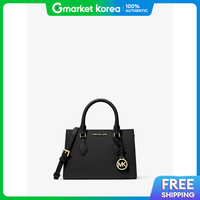
Michael Kors | Retail 000 Won Online Exclusive Sheila Small Saffiano Leather Satchel 35S3G6Hs5L1
₱6,411.34₱10,373.87
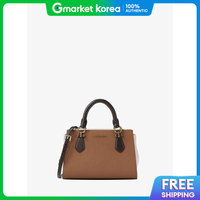
Michael Kors | Retail 000 Won Marilyn Small Leather Crossbody 35F5G6Am1T2894
₱8,240.79₱13,064.67
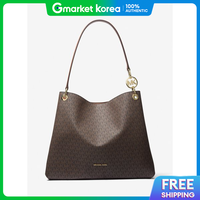
Michael Kors | Retail 050000 Won Christina Large Logo Canvas Triple Gusset Shoulder Tote 35T5G8We6B200
₱18,704.94₱30,000.98
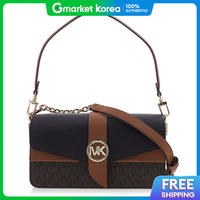
Michael Kors | Michael Kors Womens Greenwich Medium Shoulder Bag 30H1Ggrl8V 252 /1
₱12,485.47₱19,272.40
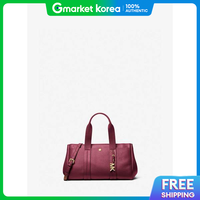
Michael Kors | Retail 000 Won Romi Small Leather Crossbody 30T5G1Zs1L2192
₱6,415.24₱10,337.93
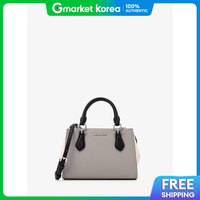
Michael Kors | Retail 000 Won Marilyn Small Saffiano Leather Crossbody 35F5S6Am1T2633
₱8,269.43₱17,037.00
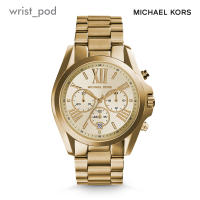
Michael Kors Bradshaw Gold Stainless Steel Watch
₱16,550.00
Buy on Lazada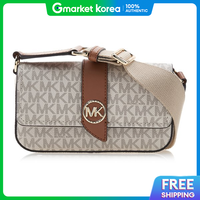
Michael Kors | Michael Kors Womens Satchel Shoulder Bag 32S3Ggrc0B 149 /1
₱7,611.63₱11,838.87
About Michael Kors
Michael Kors is an American luxury fashion house established by designer Michael Kors in New York City in 1981. The brand is widely recognised for blending American sportswear with modern glamour, polished practicality, and a jet-set lifestyle aesthetic. Its product portfolio encompasses handbags, accessories, footwear, watches, jewellery, ready-to-wear apparel, eyewear, fragrances, and menswear.1
Currently operating as one of two flagship brands under Capri Holdings alongside Jimmy Choo, Michael Kors has evolved from its origins as an American sportswear label into a global luxury business with distribution across more than 100 countries.
Basic information
| Category | Information |
|---|---|
| Brand | Michael Kors |
| Founder / Designer | Michael Kors |
| Founded | 1981 |
| Origin | New York City, United States |
| Industry | Fashion / luxury goods |
| Parent company | Capri Holdings |
| Core identity | American luxury, sportswear, modern glamour |
| Signature aesthetic | Jet-set, polished, sophisticated, sporty |
| Major categories | Handbags, accessories, footwear, watches, jewellery, apparel, eyewear, fragrance |
| Main collections | Michael Kors Collection, MICHAEL Michael Kors, Michael Kors Mens |
| Global reach | More than 100 countries |
The company describes Michael Kors as a world-renowned American luxury lifestyle house founded in New York in 1981, noted for defining modern glamour through American sportswear and the joy of travel.2
The founder: Michael Kors
Michael Kors, the designer behind the eponymous brand, remains one of the most recognisable figures in American fashion. Raised in Merrick, Long Island, he demonstrated an early interest in style; according to the brand’s official biography, he was advising his mother on fashion choices by the age of five. He later pursued formal training at the Fashion Institute of Technology (FIT) in New York.3
Before launching his own label, Kors worked at Lothar’s, a fashionable New York boutique. His talent caught the attention of Dawn Mello, then an executive at Bergdorf Goodman, who encouraged him to develop his own collection. He officially launched his line in 1981 and presented his first runway show in 1984.4
Kors distinguished himself by rejecting the notion that luxury must be overly formal or uncomfortable. Instead, he championed a vision of luxury rooted in ease, confidence, travel, sportswear, and glamour—a philosophy that became the foundation of the global brand.
Brand identity and aesthetic
At its core, Michael Kors represents a distinct interpretation of American luxury. The brand’s aesthetic is frequently summarised as effortless glamour paired with a sporty American attitude. Key design elements include polished tailoring, leather goods, metallic hardware, neutral colour palettes, recognisable logos, sophisticated silhouettes, practical everyday designs, glamorous evening wear, and travel-inspired styling.
This positioning differentiates Michael Kors from traditional European luxury houses. Rather than emphasising centuries-old craftsmanship or aristocratic heritage, the brand draws inspiration from New York, American sportswear, celebrity culture, travel, and contemporary lifestyle.
The jet-set concept
Central to understanding Michael Kors is the concept of the jet-set lifestyle. The brand consistently evokes imagery of travel between glamorous international destinations such as New York, Paris, Milan, London, Mediterranean resorts, and other cosmopolitan hubs. This theme directly influences product design, catering to an ideal customer who is sophisticated, socially active, fashion-conscious, and seeking versatile pieces suitable for multiple contexts. Corporate descriptions specifically associate the brand with the joy of travel and modern glamour.5
Product categories
Michael Kors operates a diverse product portfolio extending well beyond handbags.
Handbags and leather goods
Handbags are arguably the most recognisable element of the business. The range includes shoulder bags, totes, crossbody bags, satchels, top-handle styles, bucket bags, clutches, backpacks, and small leather goods. These items have been instrumental in establishing the brand’s international recognition.
Footwear
The brand produces women’s and men’s footwear ranging from casual styles to sophisticated fashion pieces, including sneakers, sandals, loafers, boots, pumps, heels, slides, and men’s dress shoes. This category extends the lifestyle concept beyond accessories.
Ready-to-wear
Ready-to-wear remains central to the brand’s original identity. Women’s collections feature dresses, coats, jackets, trousers, skirts, knitwear, tops, tailored pieces, and evening wear. The original collection was particularly associated with luxurious American sportswear designed to be glamorous without excessive formality.6
Watches and jewellery
Michael Kors is notably successful in the fashion watch segment, characterised by oversized cases, metallic finishes, gold and silver tones, recognisable branding, and chronograph-inspired styling. The jewellery category complements this aesthetic with polished metals, logo details, statement pieces, and wearable everyday designs.
Eyewear and fragrance
The brand offers sunglasses and optical frames incorporating its signature glamorous styling. Fragrance serves as another key extension, translating the broader identity of luxury, glamour, and sophistication into an accessible product category.7
Principal collections
Michael Kors currently operates across three main lines:
Michael Kors Collection
This line represents the highest-fashion expression of the brand and is most closely associated with the designer’s runway identity. It emphasises sophisticated ready-to-wear, luxury materials, refined tailoring, evening wear, premium handbags, and high-fashion accessories. Distributed selectively through luxury retailers and high-end department stores, it establishes the aesthetic authority for the entire brand.
MICHAEL Michael Kors
As the more broadly distributed line, MICHAEL Michael Kors focuses on handbags, accessories, footwear, apparel, and contemporary fashion. It combines trends, colours, prints, and silhouettes with a sporty, urban attitude, serving as the commercially oriented counterpart to the luxury collection.
Michael Kors Mens
The men’s division translates the brand’s design philosophy into menswear, described as cool, sporty, sophisticated, and modern American. Products include clothing, tailoring, outerwear, knitwear, footwear, bags, accessories, and watches. This segment has become an increasingly significant component of the overall business.
Visual identity and materials
The Michael Kors name and MK monogram function as primary brand identifiers. The visual language deliberately incorporates repeating patterns, metallic logo hardware, gold-tone accents, leather textures, and neutral palettes. Unlike understated luxury brands, Michael Kors has historically embraced visible branding, particularly in handbags, watches, and accessories.
Signature materials include leather, suede, canvas, denim, wool, cashmere, technical fabrics, and metallic hardware. While seasonal collections may introduce vibrant colours, the classic image relies heavily on black, white, beige, camel, navy, gold, and silver.
Celebrity culture and American fashion
Celebrity visibility has been integral to the brand’s cultural identity. Michael Kors cultivated an A-list clientele and gained significant international recognition as the label developed.8 The designer himself became a prominent public figure, notably through his long tenure as a judge on Project Runway, helping transform the label into a recognisable personality-driven lifestyle brand.
Historically, American fashion was defined by sportswear, practicality, and casual dressing. Michael Kors redefined this by adding luxury, glamour, celebrity appeal, and travel, creating a style best described as luxurious everyday American fashion.
Corporate history and structure
It is important to distinguish between Michael Kors as a brand and Capri Holdings as its parent company. The original Michael Kors company was founded in 1981. The corporate entity now known as Capri Holdings was incorporated as Michael Kors Holdings Limited in 2002 before renaming itself in 2018 to reflect expansion beyond the single brand.9
Following corporate changes involving Versace, Capri’s current portfolio is centred on Michael Kors and Jimmy Choo.10 As of 2026, Capri Holdings describes itself as a global fashion luxury group consisting of these two principal brands,12 with Michael Kors operating globally across accessories, apparel, and footwear.13
Global presence
Michael Kors maintains an extensive international distribution network spanning more than 100 countries through company-operated stores, e-commerce platforms, department stores, specialty retailers, and licensing partners. Key markets include New York, Los Angeles, London, Milan, Paris, Munich, Dubai, Seoul, Tokyo, Hong Kong, Shanghai, and Rio de Janeiro. This global footprint aligns with the brand’s travel-centric identity.
Market position and challenges
Michael Kors occupies a unique space in the luxury market. It is marketed as a fashion luxury brand but maintains broader distribution than exclusive European houses. This tiered architecture—comprising the premium Michael Kors Collection, the widely available MICHAEL Michael Kors line, and licensed lifestyle categories—has driven global growth.
However, the brand faces strategic tension between luxury exclusivity and mass accessibility. In a 2024 filing related to the proposed Tapestry acquisition, Capri acknowledged substantial challenges, including declining handbag sales compared to 2015 levels and increased competition.11 Maintaining commercial success while preserving luxury prestige remains a central strategic question.
Comparative positioning
| Brand | General identity |
|---|---|
| Michael Kors | American glamour + sportswear + jet-set lifestyle |
| Coach | American leather goods + contemporary fashion |
| Tory Burch | American preppy/elegant lifestyle |
| Ralph Lauren | American heritage + preppy luxury |
| Kate Spade | Playful, colourful American fashion |
| Gucci | Italian luxury + fashion-forward maximalism |
| Prada | Intellectual, minimalist Italian luxury |
| Louis Vuitton | French luxury + travel heritage |
| Chanel | French heritage + couture + timeless elegance |
| Hermès | Ultra-luxury craftsmanship + exclusivity |
Michael Kors is distinctively positioned as more glamorous and logo-oriented than traditional American sportswear brands, yet more accessible and lifestyle-focused than ultra-luxury houses like Hermès.
Summary
Michael Kors is an American fashion luxury house founded by designer Michael Kors in New York City in 1981. Originally established as a luxury American sportswear label, it developed into a global lifestyle brand encompassing ready-to-wear, handbags, leather goods, footwear, watches, jewellery, eyewear, and fragrance. Its defining aesthetic combines American sportswear with modern glamour and a jet-set lifestyle, emphasising sophistication without sacrificing practicality. Today, the brand operates through three principal lines—Michael Kors Collection, MICHAEL Michael Kors, and Michael Kors Mens—and is part of Capri Holdings, with a global distribution network spanning more than 100 countries.14
References
- Our Story | Michael Kors [US]
- cpri-20260328
- Michael Kors: Designer Handbags, Clothing, Watches, Shoes, And More | Michael Kors [PH]
- cpri-20251227
- Capri Holdings Ltd – Annual Report 2026 | FinancialFilings
- sec.gov
- cpri-20250628
- Michael Kors
- Capri Holdings Limited – Investor Relations
- Capri Holdings Limited – Investor Relations
- Capri Holdings Limited – Investor Relations
- Capri Holdings Limited – Investor Relations
- Our Culture | Michael Kors Canada [CA]
- Michael Kors: Designer Handbags, Clothing, Watches, Shoes, And More. | Michael Kors [IE]