Shop on Lazada
Mino Yaki products
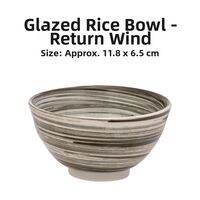
Mino Yaki | Rustic Zen Style Rice Bowl
₱773.28₱1,150.37
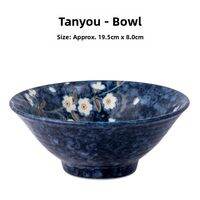
Mino Yaki | High-End Ceramic Microwave Safe Noodle Bowl
₱1,135.02₱2,251.25
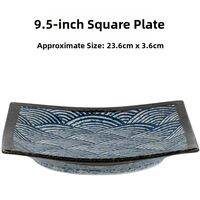
Mino Yaki | Vintage Glazed Rice/Large Ramen Bowl
₱1,687.47₱3,930.82
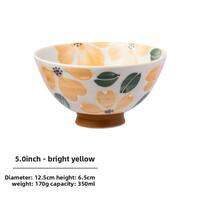
Mino Yaki | Microwave-safe Bowl for Womens Aesthetic and Low-capacity Diet-friendly Rice Bowl
₱534.63₱1,131.32

Mino Yaki | Stainless Steel Peeler for Kitchen
₱348.00₱619.00
About Mino Yaki
When encountering the term Mino Yaki, it is important to distinguish between a specific commercial label and the broader historical tradition. Mino Yaki (美濃焼) is not originally a single company or modern brand; rather, it is a comprehensive regional designation for ceramics produced in the Mino and Tōnō areas of Gifu Prefecture, Japan. While individual manufacturers and retailers may use “Mino Yaki” to describe their products, the term fundamentally refers to a ceramic heritage spanning approximately 1,300 years 2.
Overview
Mino Yaki (Japanese: 美濃焼, Mino-yaki; literally “Mino ware”) is a traditional style and regional category of Japanese ceramics originating in the historical Mino region. This area principally encompasses the cities of Toki, Tajimi, Mizunami, and Kani in present-day Gifu Prefecture. Over its long history, Mino Yaki has evolved into one of Japan’s most significant ceramic-producing traditions 2.
Unlike ceramic styles defined by a singular visual identity, Mino Yaki covers a vast spectrum of pottery and porcelain forms, glazes, and techniques. Its most renowned historical variations include Shino, Oribe, Kizeto (Ki-Seto), and Setoguro, all of which are intrinsically linked to the development of Japanese tea culture during the Momoyama period 1.
In contemporary contexts, Mino Yaki serves dual purposes as both traditional craft art and everyday tableware. Production ranges from handmade artisanal pieces to lightweight, mass-produced items designed for modern households and professional food service environments 2.
History
Origins
The roots of Mino Yaki extend back roughly 1,300 years. Early ceramic production in the region was significantly influenced by techniques introduced from the Korean Peninsula. A key early form was Sueki, a high-fired, unglazed ceramic known for its relative hardness.
During the Heian period, local production advanced with the introduction of ash glazes. The geography of the Mino region further facilitated this industry; deposits of fine-grained clay, topography suitable for kiln construction, and abundant forest fuel established the area as a lasting center for pottery manufacturing.
Development during the tea-ceremony era
A pivotal transformation occurred during the 16th and early 17th centuries as Japanese tea culture gained prominence. The aesthetics of the tea ceremony drove potters to experiment with unconventional forms, textures, colors, and deliberately irregular surfaces. This era birthed several iconic styles associated with Mino Yaki today:
- Shino-yaki: Characterized by soft white or creamy feldspathic glazes and painted decoration.
- Oribe-yaki: Distinguished by deep green glazes, contrasting colors, and bold, often asymmetrical designs.
- Kizeto / Ki-Seto: Defined by yellow or yellowish glazes.
- Setoguro: Noted for its distinctive black glaze.
These styles remain closely connected to the aesthetic principles of the Japanese tea ceremony 3.
Edo period and modernization
Following the Momoyama period, the Mino ceramic industry expanded beyond tea utensils to produce vessels for ordinary daily use. Throughout the Edo period, production methods and product types continued to diversify.
The Meiji period (1868–1912) marked the introduction of industrialized production, enabling Mino ceramics to be manufactured on a much larger scale. This shift transformed Mino from a regional craft hub into one of Japan’s major ceramic manufacturing centers 4.
Characteristics
The defining characteristic of Mino Yaki is its diversity. Rather than adhering to a single visual standard, the tradition encompasses numerous appearances that have evolved in response to changing social conditions and market demands over centuries.
Common attributes found across various Mino Yaki products include:
- Natural glazes: Styles range from earthy and muted finishes to glossy, matte, translucent, or highly colored surfaces.
- Textural variation: Traditional pieces often retain deliberate irregularities, brush marks, and glaze variations that reflect the firing process.
- Diverse forms: Production includes tea bowls, plates, rice bowls, mugs, serving dishes, ramen bowls, vases, and decorative ceramics.
- Balance of craftsmanship and practicality: Modern Mino Yaki combines traditional aesthetics with functional utility. Contemporary manufacturers produce thin, lightweight pieces alongside durable wares intended for restaurants and daily household use 5.
Mino Yaki and Japanese tableware
Mino Yaki holds a prominent position in the realm of Japanese tableware. Commercial products originating from the Mino region cover an extensive array of categories:
- Dinner plates and side plates
- Rice bowls and donburi bowls
- Ramen and soup bowls
- Teacups, mugs, and sake vessels
- Serving platters
- Children’s tableware
- Restaurant and catering ware
Depending on the manufacturer and specific product line, contemporary production includes both pottery and porcelain. Many modern Mino products are engineered to be microwave- and dishwasher-safe, demonstrating how this traditional regional industry has adapted to modern lifestyles 6.
Traditional craft status
In 1978, Mino Yaki was officially designated as a Traditional Craft in Japan. This designation recognizes multiple distinct varieties rather than requiring all Mino ceramics to conform to a single design. Approximately 15 types of Mino Yaki are acknowledged as official traditional craft varieties.
It is crucial to note that “Mino Yaki” functions as a regional ceramic category rather than a unified brand with a single founder, logo, or corporate owner.
The Mino production region
The primary Mino ceramic area is located in the Tōnō region of Gifu Prefecture, specifically around Toki, Tajimi, Mizunami, and Kani. The development of this pottery center was driven by natural resources, including fine clay deposits, terrain suitable for kilns, and historically abundant wood fuel 7.
Toki, in particular, stands out as a major center for Japanese ceramic production. Modern Mino ceramics are sold domestically within Japan and exported internationally, comprising both traditional craftwork and large-scale commercial tableware.
Mino Yaki today
In the current market, products labeled Mino Yaki can vary drastically in appearance. A traditional Shino tea bowl, a minimalist porcelain plate, a colorful children’s bowl, and a commercial ramen bowl may all legitimately bear the name if they originate from the relevant production region and tradition.
Modern examples illustrate the breadth of this category. Manufacturers continue to produce traditional forms while also creating lightweight plates, porcelain tableware, restaurant-grade ramen bowls, mugs, and themed collections. Consequently, the modern identity of Mino Yaki relies less on a singular visual style and more on a combination of regional origin, ceramic expertise, historical continuity, and stylistic variety.
Cultural significance
Mino Yaki occupies a vital place in Japanese ceramic history because it demonstrates how pottery can simultaneously function as fine art, tea-ceremony ware, craft, and everyday household equipment 8.
Its historical importance is deeply tied to the evolution of Japanese tea aesthetics. Simultaneously, its modern relevance stems from the Mino region’s capacity to translate centuries of ceramic knowledge into the large-scale production of practical tableware. The result is a living tradition that spans from unique artistic masterpieces to affordable dishes used in daily life.
Summary of key aspects
| Aspect | Mino Yaki |
|---|---|
| Japanese name | 美濃焼 (Mino-yaki) |
| English | Mino Ware / Mino Ceramics |
| Origin | Mino/Tōnō region, Gifu Prefecture, Japan |
| Major centers | Toki, Tajimi, Mizunami, Kani |
| History | Approximately 1,300 years |
| Type | Regional ceramic tradition |
| Famous styles | Shino, Oribe, Kizeto, Setoguro |
| Major uses | Tableware, tea ware, decorative ceramics |
| Traditional Craft designation | 1978 |
| Modern products | Plates, bowls, mugs, cups, ramen bowls, serving ware, etc. |
| Key characteristic | Exceptional variety of forms, glazes, and styles |
Note on naming
Readers researching Mino Yaki as a specific commercial entity should be aware that the term generally refers to the regional ceramic tradition rather than a single brand. Various companies and retailers utilize “Mino Yaki” in their product branding, but no single corporation owns the designation 9.
References
- Mino Yaki | Traditional Crafts of Tokyo | Bureau of Industrial and Labor Affairs Tokyo Metropolitan Government
- Mino Ware(Mino Yaki)- KOGEI JAPAN
- Mino ware
- Mino Yaki – Hana Tableware
- NIMI PROJECTS | BRAND | MINO-YAKI – NiMi Projects
- What is Mino Ware? A Deep Dive into Its History, Characteristics, and Appeal – Dropin+
- Mino Yaki Collection | Authentic Japanese Pottery & Ceramic Tableware – TDS
- CERAMIC TABLEWARE “NEKO CHIGURA” (Mino Ware) | Imoto Sangyo Ltd. | Japanese tableware and kitchenware trading company
- CERAMIC TABLEWARE “WHALE TOM” (Mino ware) | Imoto Sangyo Ltd. | Japanese tableware and kitchenware trading company