Shop on Lazada
Mountainhiker products
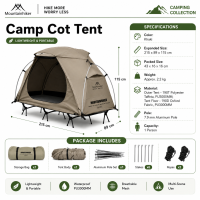
Mountainhiker Elevated Camp Cot Tent 215x89x115cm 4-Way Rotating Poles No Pegs Required PU3000 Waterproof Ultra Light 2.2kg B3 Mesh Double Doors Outdoor Camping Tent Khaki Black
₱3,710.28₱6,999.00
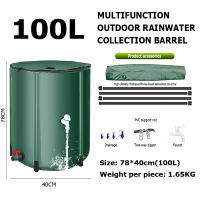
Portable Rain Barrel Rainwater Collection Rain Foldable Water Storage Tank Rainwater Collector
₱1,628.92₱4,888.00
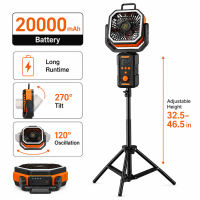
20000mAh(2*10000mAh) 10 Inch Cordless Oscillating Rechargeable Fan w/Remote for Camping
₱2,711.65₱6,188.00
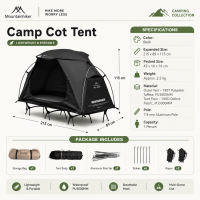
Mountainhiker Floating Island Cot Mosquito Net Single Person Camping Tent 190T Polyester PU3000mm Waterproof Lightweight Portable Camp Bed
₱3,709.30₱6,900.00
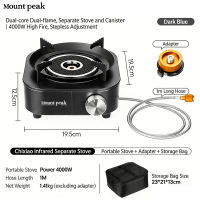
Mount Peak Butane Stove Outdoor Windproof Portable Cassette Folding Infrared Camping Stove Home Cooking Stove Multipurpose Picnic Stove
₱1,556.24₱3,299.00
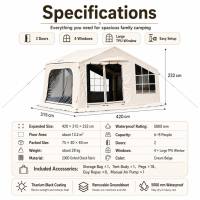
8-10 Person Inflatable Glamping Tent 13.2㎡ Large Family Tent with 2 Doors 4 Windows TPU View Window Chimney Hole & AC Vent 200D Oxford Fabric PU5000 Waterproof
₱29,049.60₱37,000.00
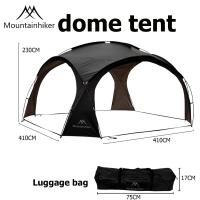
MOUNTAINHIKER Dome Canopy | 4M size | 230cm Height | Water-resistant | Silver-Coated | with Wall Fabric | with Mesh Walls
₱4,692.48₱8,000.00
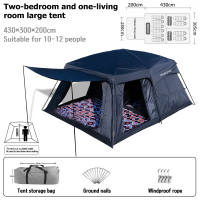
Mount Peak Large Camping Tent Waterproof Family Tent Affordable Outdoor Kemah Tent 2 Rooms Double Layer Large Tent for 4/5/8/12 Persons
₱5,556.48₱10,888.00
About Mountainhiker
Overview
Mountainhiker (山之客) is an outdoor equipment brand specializing in products for camping, trekking, hiking, and general outdoor lifestyles. Established around 2021, it is considered a relatively new entrant in the market compared to legacy outdoor manufacturers 1. The brand focuses on providing practical, portable, and lightweight equipment designed primarily for recreational camping and outdoor travel rather than technical alpine expeditions.
Readers should note that the name “Mountainhiker” is used by multiple outdoor-related businesses across different regions. This profile specifically addresses the Mountainhiker / 山之客 brand originating from China, which has gained visibility in Asian and international camping markets, distinct from similarly named entities in Taiwan or Korea.
| Field | Information |
|---|---|
| Brand Name | Mountainhiker |
| Chinese Name | 山之客 |
| Industry | Outdoor equipment / Camping |
| Founded | Circa 2021 |
| Origin | China |
| Key Categories | Tents, camping furniture, sleeping systems, cookware, lighting, storage |
| Target Audience | Recreational campers, car campers, hikers, outdoor enthusiasts |
| Market Positioning | Practical, lightweight, and portable outdoor gear |
| Primary Markets | China, Asia, and international territories |
| Design Ethos | Functional equipment emphasizing portability and camping aesthetics |
Industry listings have identified Zhejiang Yucheng Outdoor Products Co., Ltd. (浙江煜丞户外用品有限公司) as the company associated with the 山之客 / Mountainhiker brand, although corporate ownership documentation varies across independent sources 2.
History
Mountainhiker emerged during a period of significant expansion in both the Chinese domestic and global recreational camping sectors. Unlike heritage brands such as Coleman, Snow Peak, or The North Face, Mountainhiker has a comparatively short public history, with most sources dating its founding to approximately 2021 3.
The brand’s rise coincided with growing trends in recreational camping, car camping, glamping, and social-media-driven outdoor culture. By 2023, industry reports such as those published by JETRO had already listed Mountainhiker 山之客 as a notable brand within China’s camping ecosystem 4. Rather than focusing on a single niche, the brand rapidly developed a comprehensive catalogue covering shelter, furniture, cooking, and accessories.
Brand Philosophy
Mountainhiker operates on a product philosophy centered on creating outdoor equipment that is practical, portable, reasonably lightweight, and suitable for everyday recreational camping. This approach distinguishes it from expedition-oriented mountaineering brands that prioritize extreme alpine performance.
Instead, Mountainhiker aligns itself with the camping lifestyle segment. Its product range is designed to cover the entire campsite experience—from shelter and sleep systems to dining furniture and lighting—positioning the brand as a provider of a complete camping equipment ecosystem rather than a specialist climbing manufacturer.
Product Categories
Mountainhiker offers an extensive range of products tailored to modern camping needs.
Tents and Shelters
Tents are among the most recognizable items in the Mountainhiker catalogue. The lineup includes dome tents, tarp systems, awnings, canopies, air tents, beach shelters, and various tent accessories. Trademark filings indicate that tents, awnings, and groundsheets are core components of the brand’s intellectual property portfolio 5.
Camping Tables
Tables represent a major category for the brand, emphasizing lightweight construction and compact storage. Available models include folding aluminum tables, roll-top or “egg-roll” tables, modular IGT-style tables, and small portable side tables. International catalogues highlight these products for their folding mechanisms and outdoor usability 6.
Camping Chairs
The brand retails a wide selection of portable seating options, including moon chairs, high-back chairs, canvas chairs, and compact folding chairs. Retail listings in Asian markets frequently feature lightweight moon chairs and high-back camping chairs under the Mountainhiker name 7.
Sleeping Equipment
Sleeping gear offerings encompass sleeping mats, inflatable mattresses, sleeping bags, camping cots, and related accessories. Both trademark records and current product catalogues confirm the inclusion of sleeping pads and inflatable mattresses in this category 8.
Cooking and Fire Equipment
Reflecting the modern view of campsites as outdoor living spaces, Mountainhiker produces camping stoves, fire pits, BBQ equipment, burners, cookware sets, fire tongs, and outdoor heating devices.
Lighting
The lighting range features camping lanterns, LED lights, headlamps, multifunction lights, and rechargeable outdoor illumination solutions.
Storage and Organization
To support contemporary car-camping culture, the brand manufactures storage bags, tool organizers, coolers, camping boxes, shelves, and hanging accessories, addressing the need for organized campsite setups.
Design Language
Mountainhiker is characterized by a practical, camping-oriented design language that prioritizes portability, modularity, and ease of assembly. Products are generally engineered to be packed into vehicles and set up quickly at a campsite, following a logic of Portability → Folding → Storage → Modularity → Practicality.
This design ethos makes the brand particularly relevant to weekend campers, families, beginners, and enthusiasts who value aesthetically organized campsites over technical expedition specifications. Official international materials consistently emphasize lightweight construction and durable, compact designs 9.
Manufacturing and Development
Mountainhiker functions primarily as an equipment and product brand rather than a heritage manufacturer with decades of documented technical development. Its business model involves the design, manufacturing, and distribution of a broad collection of outdoor goods.
Distributor descriptions indicate a focus on research and development alongside manufacturing and sales of lightweight outdoor products for trekking and camping 10. However, like many contemporary outdoor brands, production likely involves multiple suppliers and manufacturing arrangements rather than a single factory.
International Presence
While rooted in the Chinese market, Mountainhiker has established a significant international footprint.
- Japan: Distributors describe Mountainhiker as an internationally distributed brand, offering products such as tents and wooden camping furniture 1112.
- Taiwan: Retailers stock a wide array of Mountainhiker / 山之客 gear, including tents, chairs, tables, coolers, and sleeping equipment 1314.
- Korea: A dedicated B2B site operates for the Korean market, identifying itself as the official importer and seller 1516.
- United States: Trademark filings cover camping furniture, tables, chairs, sleeping pads, tents, and other outdoor products 17.
- Philippines: Products such as trekking tents and camping chairs are available through local retail channels and e-commerce platforms 18.
Some distributors claim the brand is sold in over 20 countries, though this figure represents distributor assertions rather than independently audited global sales data.
Market Position
Mountainhiker occupies the value-to-mid-range recreational camping equipment segment. It does not compete directly with ultra-premium technical brands like Hilleberg, Arc’teryx, Norrøna, or high-end Snow Peak lines. Instead, it targets consumers in the expanding Asian camping market who seek reliable functionality without the price premium associated with expedition-grade gear.
The brand exemplifies a new generation of Chinese outdoor companies that have transitioned from traditional OEM manufacturing to building their own consumer brands.
Comparison with Naturehike
Mountainhiker is often discussed alongside Naturehike, another Chinese outdoor brand that gained international prominence during the camping boom. While they share similar origins, they are distinct entities with different specializations.
| Feature | Mountainhiker | Naturehike |
|---|---|---|
| Core Identity | Camping and outdoor lifestyle | Lightweight outdoor equipment |
| Key Products | Furniture, tents, tables, site accessories | Tents, sleeping bags, backpacks, trekking gear |
| Design Focus | Campsite convenience and living | Weight reduction and compactness |
| Primary Market | Camping-oriented | Broader outdoor and trekking |
| Brand Maturity | Relatively young (est. ~2021) | More established |
A key distinction is Mountainhiker’s strong presence in camp furniture and site accessories, whereas Naturehike is more closely associated with lightweight backpacking and trekking equipment.
Trademark and Brand Identity
The name Mountainhiker appears in various trademark registrations for outdoor goods. In December 2021, a U.S. trademark application was filed by Li Hongliang covering camping furniture, tents, awnings, and related products.
However, the existence of multiple trademark records suggests that the name may not be controlled by a single globally unified corporate entity in every jurisdiction. Consequently, claims regarding global ownership should be verified against specific regional corporate or trademark records.
Etymology
The name combines Mountain, representing the natural environment, and Hiker, denoting outdoor exploration. This conveys a straightforward identity: a person engaging with nature. The Chinese name 山之客 translates roughly to “guest of the mountains,” reinforcing the brand’s lifestyle-oriented positioning.
Typical Customer Profile
Mountainhiker caters primarily to recreational users rather than professional mountaineers. The typical customer engages in weekend camping, car camping, family trips, picnics, fishing, and casual hiking. The brand’s comprehensive ecosystem allows users to source a complete setup—including tent, table, chair, mattress, lighting, cookware, and storage—from a single label.
Strengths
- Comprehensive Catalogue: Offers most equipment required for a modern campsite beyond just tents 19.
- Camping-Centric Focus: Prioritizes the overall camping experience and site comfort over technical hiking specs.
- Portability: Emphasizes folding furniture and compact accessories throughout the lineup.
- Accessibility: Targets a more affordable price point compared to premium Western and Japanese brands.
- Global Reach: Distribution across China, Korea, Japan, Taiwan, the Philippines, and other markets demonstrates international viability 20.
Limitations
- Corporate Transparency: Limited independently documented information exists regarding revenue, employee count, or global corporate structure compared to major international corporations.
- Brand Youth: Lacks the multi-decade track record of heritage brands like Coleman or MSR.
- Quality Variance: Due to the breadth of the catalogue, construction quality may vary between product categories; evaluation should be done on a per-item basis.
- Naming Ambiguity: Variations such as “Mountain Hiker,” “山之客,” and “MOUNTHIKE” appear in different markets. Buyers should verify sellers and exact model numbers to ensure authenticity.
Assessment
Mountainhiker is a young, China-origin outdoor brand focused on providing practical, portable, and accessible equipment for modern recreational camping. Its identity is defined by outdoor living rather than extreme mountaineering, encapsulated by the philosophy of making camping gear practical for ordinary users.
Its strongest categories include camping furniture, tents, tables, chairs, sleeping systems, and site accessories. The breadth of its offerings allows users to build a cohesive camping setup under one brand 21. However, as a relatively new entity, its corporate history and global business structure remain less transparent than those of established outdoor industry leaders.
In summary, Mountainhiker (山之客) is a post-2021 Chinese outdoor brand specializing in practical, portable camping equipment—from tents and sleep systems to furniture and cookware—with an emphasis on accessible outdoor living rather than technical alpinism.
References
- 하운틴하이커 Mountainhiker | 아웃도어 브랜드 구입할 땐?
- MOUNTAINHIKER – Li Hongliang Trademark Registration
- TEAS Plus New Application for Mountainhiker
- MOUNTAINHIKER • Official Website
- 全部商品 | 特克曼數位生活館
- FAQ MOUNTAINHIKER • Official
- Brand Story
- 取扱商品 | クローバー株式会社
- 마운틴하이커 공식 도매몰 캠핑용품 브랜드 mountainhiker.co.kr
- 마운틴하이커 공식 도매몰 캠핑용품 브랜드 mountainhiker.co.kr
- M Mountainhiker – シェルターテント の評価 | SHOPSTAFF
- [2026 GW Smile Sale Final Day] Save your post-GW summer camping! 6 recommended hybrid structure cooler boxes|むささび
- 솔로를 위하여, MOUNTAINHIKER Starry Sky 에어텐트
- 品牌介紹 │ MOUNTAIN HIKER 戶外勢力 – Campingfacehk 香港露營文化
- 10 อุปกรณ์แคมปิ้ง ยี่ห้อไหนดี 2024 อุปกรณ์ตั้งแคมป์ มือใหม่ใช้ได้
- 〖どこの国?〗謎アウトドアブランドの評判をまとめてみました② | アバウトドア
- MOUNTAINHIKER – Li Hongliang Trademark Registration
- Outrange戶外裝備 – 紅龍柱、告示牌、雨衣、防水包、拒馬::線上購物::山之客Mountainhiker 戶外防潑水休閒野餐墊
- 〖山之客〗山之客商城_Mountainhiker是什么牌子
- LiteShop
- MOUNTAINHIKER:品牌歷史,產品及服務,品牌文化,_中文百科全書