Shop on Lazada
Munchkin products
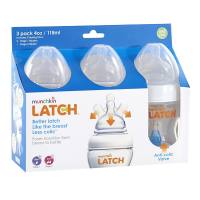
Munchkin Latch 3-Pack BPA-Free 4oz Anti-Colic Baby Bottles for 0-6 Months
₱390.00₱1,700.00
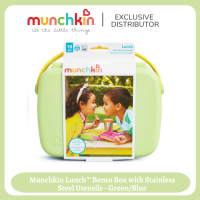
Munchkin Lunch™ Bento Box with Stainless Steel Utensils - Green/Blue - Boy
₱1,040.00₱1,600.00
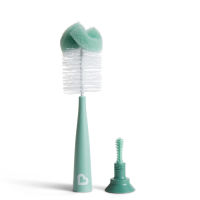
Munchkin Sponge Bottle Brush
₱182.00₱280.00
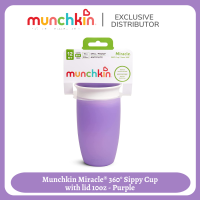
Munchkin Miracle® 360° Sippy Cup with lid 10oz - Purple
₱390.00₱650.00
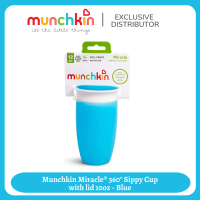
Munchkin Miracle® 360° Sippy Cup with lid 10oz - Blue
₱423.00₱650.00
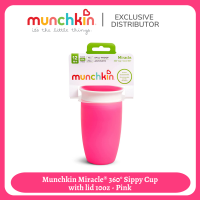
Munchkin Miracle® 360° Sippy Cup with lid 10oz - Pink
₱423.00₱650.00
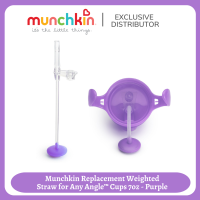
Munchkin Replacement Weighted Straw for Any Angle™ Cups 7oz - Purple
₱154.00₱280.00
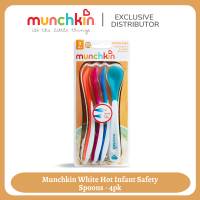
Munchkin White Hot Infant Safety Spoons - 4pk
₱350.00₱500.00
About Munchkin
Munchkin, Inc. is an American privately held company specializing in products for babies, toddlers, and parents. Headquartered in Van Nuys, Los Angeles, California, the firm develops and markets items designed to simplify daily parenting through practical design, innovation, safety, and convenience. Its extensive portfolio covers infant feeding, cups and mealtime, bath and diapering, health and safety, sleep, travel, nursery equipment, and other essentials.1 In the Philippines, Munchkin products are widely available through major retail chains and e-commerce platforms.2126 The company is best known for transforming ordinary childcare items—such as bottles, sippy cups, and diapering accessories—into products with distinctive functional features, guided by a philosophy of solving the “little things” that make modern parenting difficult.2
Company profile
| Field | Information |
|---|---|
| Company name | Munchkin, Inc. |
| Brand | Munchkin |
| Industry | Baby, toddler & parenting products |
| Founded | 1990/1991* |
| Founder | Steven B. Dunn |
| Headquarters | Van Nuys, Los Angeles, California, United States |
| Ownership | Privately held |
| Geographic reach | International |
| Main customers | Parents, caregivers, babies and toddlers |
| Core proposition | Innovative, practical products that simplify parenting |
| Current CEO | Steven B. Dunn |
| Official website | Munchkin.com |
*There is a minor discrepancy in published histories regarding the founding date. Current corporate materials state 1990, while some contemporary reporting and business references cite 1991.3
History
Founding
Munchkin was established in Los Angeles by entrepreneur Steven B. Dunn, whose experience as a father directly influenced the company’s origins. According to a 1995 Los Angeles Times profile, Dunn observed his young daughter taking an interest in his soft-drink bottle. He experimented by adapting a bottle with a baby nipple and filling it with formula. Although the initial prototype was imperfect, this experiment led him to recognize an opportunity to redesign everyday baby products based on how parents and children actually used them.4
Dunn subsequently founded Munchkin with approximately $2.5 million in capital from himself and partners. Early products included baby bottles featuring distinctive soft-drink-inspired styling, including licensed designs for Pepsi, Seven-Up, and Dr Pepper. By the mid-1990s, Munchkin products were distributed internationally and sold through major American retailers.4 This early period established a lasting pattern for the brand: observing an everyday parenting problem, rethinking a familiar product, and turning the solution into something simpler or more enjoyable.
Evolution of the brand
Munchkin gradually expanded beyond decorative and novelty bottles into a comprehensive baby-products portfolio. By the early 2000s, the company described its core business as designing, manufacturing, and distributing children’s products with innovation intended to make parenting safer, more convenient, and more fun.5 The development philosophy shifted increasingly toward functional innovation rather than merely adding decoration to existing items.
A notable example of this approach is the White Hot Safety Spoon. Founder Steven Dunn explained that the idea stemmed from the common parental practice of testing microwaved baby food by touching it to one’s face or tasting it. Munchkin incorporated temperature-sensitive color-changing technology into the spoon to provide a visual indication when food was too hot.6 This method of designing products specifically around minor parenting inconveniences became central to the brand’s identity.
Acquisitions and expansion
Munchkin has grown partly through strategic acquisitions, enabling entry into adjacent categories and international markets.
Lindam
In 2010, Munchkin acquired Lindam, a British baby-safety brand known for safety gates and childproofing equipment. This acquisition strengthened Munchkin’s presence in the baby-safety category and the European market.7
Brica
In 2014, the company acquired Brica, a firm specializing in travel and mobility accessories for babies and toddlers. Brica products complemented Munchkin’s existing portfolio in areas such as car travel, stroller accessories, and on-the-go parenting.8
Milkmakers
In 2016, Munchkin acquired Milkmakers, a brand focused on products for breastfeeding mothers, including lactation-support cookies. This move expanded the portfolio beyond items primarily used by infants to include products aimed at parents themselves.9
Collectively, these acquisitions helped Munchkin evolve from a baby-product manufacturer into a broader baby lifestyle company.
Product categories
Munchkin’s current portfolio addresses a significant portion of the everyday parenting journey.
Infant feeding
The company produces a wide range of feeding products for newborns and infants, including baby bottles, warmers, sterilization equipment, nipples, breastfeeding accessories, and infant formula.25 Current offerings include the Precision Bottle Warmer & Sterilizer and various feeding accessories.8
In 2026, Munchkin entered the infant-formula market with its Nurture 10 Blend line. The company states it spent over a decade developing the formula, which contains 10 ingredients shared with breastmilk, though it explicitly notes that the structures and levels differ from those found in breastmilk.923
Cups and toddler drinkware
Cups represent one of Munchkin’s most recognizable categories. The portfolio includes sippy cups, trainer cups, straw cups, weighted-straw cups, open training cups, stainless-steel cups, water bottles, and spoutless cups.11 The best-known product family is the Miracle 360° Cup, which utilizes a drinking rim rather than a conventional spout.
In July 2026, the company announced a major refresh of its cup portfolio, featuring redesigned versions of established products and new items addressing different developmental stages of children’s drinking. Munchkin describes cups as one of its strongest categories.10
Mealtime
The mealtime range encompasses plates, bowls, suction bowls, bibs, snack containers, toddler utensils, lunch boxes, and high chairs. These items, along with cups, are grouped under the “Cups & Mealtime” category in the company’s catalog.11
Bath and diapering
Munchkin offers products for bathing and diaper-changing routines, including bath toys, accessories, rinsing products, diaper pails, refill bags, and changing accessories.24 Historically, the company has sought to make these items more functional and visually engaging than conventional childcare equipment.
Health, safety, and sleep
This category includes safety gates, childproofing products, night lights, sleep accessories, health-related baby accessories, and potty-training products. The acquisition of Lindam significantly strengthened the company’s position in this segment.13
Travel and nursery
Products for life outside the home include stroller accessories, car accessories, travel products, portable feeding items, nursery equipment, bouncers, and other baby gear. This category was bolstered by the 2014 acquisition of Brica.13
Brand philosophy
Munchkin defines itself through three primary characteristics:
- Innovative: Innovation is central to the company’s identity. Its goal is not merely to manufacture conventional baby products but to rethink how those products function.14
- Modern: Designs are simple and approachable, intended to fit contemporary family life rather than treating baby products as purely utilitarian objects.15
- Credible: The brand emphasizes functionality, safety, and trustworthiness, consistently connecting product design to the solution of genuine parenting problems.16
The phrase “It’s the Little Things” is closely associated with Munchkin’s identity, reflecting the belief that small inconveniences—such as spilled food, difficult cups, or messy diaper changes—can have a disproportionately large impact on daily parenting.
Innovation and patents
Innovation serves as a key competitive differentiator for Munchkin. The company maintains a dedicated patents and innovations program and reports having been awarded more than 350 patents, receiving on average more than one patent per month.5 Patented concepts span temperature-sensitive feeding utensils, bottle and feeding systems, weighted straw technology, cup designs, diaper-pail systems, potty-training products, and baby equipment. This extensive intellectual property portfolio distinguishes Munchkin from generic manufacturers by making product engineering a central component of its business model.
Sustainability and social responsibility
Munchkin has integrated environmental and social responsibility into its brand strategy, stating a mission to create a “greener future” for children through conservation initiatives and charitable partnerships.12
- The Seedling Project: Munchkin has partnered with Trees for the Future on tree-planting and environmental initiatives.17
- WildLove: The brand collaborates with the International Fund for Animal Welfare (IFAW) on wildlife-related initiatives under this program.12
These efforts aim to connect the company’s baby-focused mission with broader environmental stewardship.
International presence
Although originating in Los Angeles, Munchkin operates as an international company with offices outside the United States and global distribution networks.13 Products are sold through both physical retailers and online commerce channels across numerous countries, including the Philippines where the brand is stocked by major department stores and specialty baby retailers.2126 Key international categories include feeding, baby safety, cups, bath products, travel gear, and nursery items.
Business model
Munchkin operates primarily as a consumer-products brand. Its business model follows a trajectory from identifying parenting problems to product innovation, proprietary design, and global distribution via mass retail and e-commerce. Rather than competing solely on price, the company differentiates itself through product innovation, functional design, brand recognition, safety, distinctive aesthetics, patented technologies, and a broad assortment.22 This positioning places Munchkin between traditional childcare manufacturers and design-oriented modern parenting brands.
Brand identity
Munchkin’s branding is notably more playful than that of many traditional baby-equipment manufacturers. Products frequently feature bright colors, friendly animal characters, rounded shapes, simple interfaces, playful names, humor, and parent-oriented messaging. This visual language is designed to appeal simultaneously to parents making purchasing decisions and children interacting with the products, particularly evident in animal-themed cups, bath toys, and toddler tableware.22
Notable products
Key product families include:
- Miracle 360° Cup: A spoutless toddler cup designed around a 360-degree drinking rim.
- White Hot Safety Spoons: Temperature-sensitive spoons that indicate when food is too hot.
- Any Angle™ Weighted Straw Cups: Cups featuring a weighted straw allowing drinking from various angles.
- Bottle warmers and sterilizers: Equipment for infant feeding preparation.
- Diaper pails and refill systems: Products designed to contain diaper odors.
- Stay Put™ bowls: Suction-based toddler feeding products.
- High chairs: Including foldable and easy-clean designs.
- Bath toys and accessories: A long-running category for the brand.
Munchkin continues to introduce and redesign products rather than relying solely on legacy items, as demonstrated by the July 2026 cup-platform refresh.18
Competitive positioning
Munchkin competes in a fragmented baby-products market against traditional mass-market brands, specialist companies, feeding experts, and direct-to-consumer labels. Its differentiation lies in everyday problem-solving products that address specific parenting frustrations through mechanical, material, or ergonomic innovation. For instance, addressing a toddler’s tendency to spill drinks by redesigning the cup around actual drinking behavior exemplifies the “small problem to clever product” philosophy that defines the brand.
Leadership
Steven B. Dunn is the founder and long-standing chief executive of Munchkin, having established the company in the early 1990s. He remains closely associated with its product-development philosophy.19 Senior leadership also includes executives responsible for operations, finance, brand, and creative direction, all of whom contribute to the company’s innovation-driven culture.17
Current direction
As of 2026, Munchkin positions itself as a comprehensive baby lifestyle brand rather than solely a manufacturer of accessories. Three developments illustrate this shift:
- Expansion into infant nutrition: The introduction of Munchkin Infant Formula marks a significant entry into nutrition, developed over a decade with the Nurture 10 Blend.23
- Continued cup innovation: The July 2026 cup redesign demonstrates sustained investment in established categories, with products tailored to developmental drinking stages.10
- Broader sustainability positioning: Environmental responsibility is increasingly presented as part of the long-term corporate identity rather than merely a marketing feature.12
Overall significance
Munchkin’s importance in the baby-products industry stems from its innovation-led approach to everyday parenting essentials. The company built a recognizable brand around the concept that baby and toddler products could be smarter, easier, safer, and more enjoyable. Its trajectory spans from innovative bottles and mass retail entry in the 1990s, to portfolio expansion in the 2000s, international growth and acquisitions in the 2010s, and positioning as a global lifestyle brand with expanded nutrition offerings in the 2020s.20 Ultimately, Munchkin is defined by the principle that solving small parenting problems creates meaningful improvements in everyday family life, supported by product innovation, playful design, intellectual property, and broad distribution.
References
- About Us | At Munchkin It’s the Little Things® | Munchkin
- MUNCHKIN, INC. Company Profile | Van Nuys, California | Competitors, Financials & Contacts – Dun & Bradstreet
- Who
- Never Grow Old : Munchkin Relies on Innovation to Expand Line of Baby Products – Los Angeles Times
- Patents & Innovations
- Munchkin (company)
- Product Instruction Manuals | Munchkin
- Munchkin Infant Formula | 10 Shared Ingredients with Breastmilk
- Munchkin Infant Formula with Original Milk | Munchkin
- Munchkin Reimagines Cups for Every Milestone | Munchkin
- Baby & Toddler Cups, Mealtime & High Chairs | Munchkin
- Social Responsibility | Munchkin
- Munchkin, Inc
- Munchkin Lawsuit: Retaliation, Patents, and Trade Dress – LegalClarity
- Steven Dunn – President for Munchkin, Inc.
- Munchkin, Inc. in North Hills CA – Company Profile
- Munchkin, Inc. Announces Appointment of Kristina Cashman and Alan Wizemann to Board of Directors
- Munchkin, Inc. – LEI: 254900HFUPLCO91GFG09
- weekend free-for-all – March 9-10, 2019 – Ask a Manager
- sec.gov
- Munchkin in the Philippines | Rustan’s
- Baby Products & Accessories | Munchkin
- Munchkin Infant Formula
- Baby Bath, Diapering & Potty Training Products | Munchkin
- Infant Feeding: Bottles, Cups, Formula & More | Munchkin
- Munchkin Collection | Innovative Essentials | Kido Bebe