Shop on Lazada
niko and products
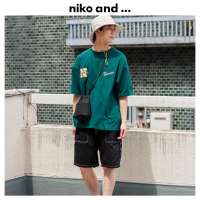
niko and Painter Shorts
₱2,990.00
Buy on Lazada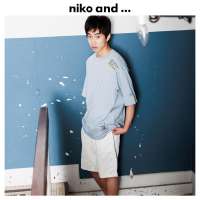
niko and Painter Shorts
₱2,990.00
Buy on Lazada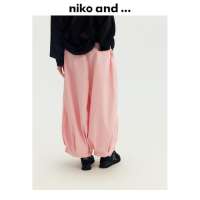
niko and Womens Ankle-Length Pants Pink
₱2,690.00
Buy on Lazada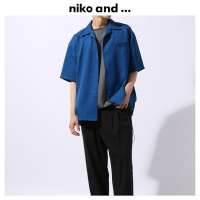
niko and Blanket Stitch Shirt
₱2,990.00
Buy on Lazada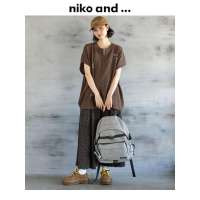
niko and Original Pouch Water-Repellent Daypack
₱2,990.00
Buy on Lazada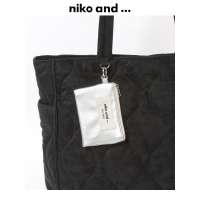
niko and Quilted tote bag with original pouch (Large)
₱2,690.00
Buy on Lazada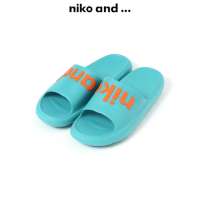
niko and Logo Shower Sandals
₱1,390.00
Buy on Lazada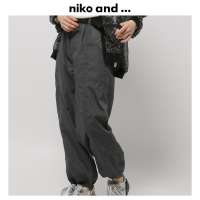
niko and DRY Chill Easy Belt Pants
₱2,690.00
Buy on LazadaAbout niko and
niko and… (Japanese: ニコアンド; pronounced Niko Ando) is a Japanese lifestyle and fashion brand operated by Adastria Co., Ltd. Established in 2007, it has evolved from a casual fashion label into a comprehensive “style editorial brand” that encompasses apparel, accessories, home goods, furniture, food, cafés, and various lifestyle experiences.1
The brand’s central philosophy focuses on adding “style” to people and their daily lives, encouraging individuals to discover and express their unique identities. Its core Japanese concept, “であう、にあう” (deau, niau), translates roughly to “encounter, then fit.” This idea suggests that unexpected discoveries can eventually become elements that naturally belong within one’s personal lifestyle.1
Brand Overview
| Category | Information |
|---|---|
| Brand name | niko and… |
| Japanese name | ニコアンド |
| Origin | Japan |
| Founded | 2007 |
| Parent company | Adastria Co., Ltd. |
| Industry | Fashion, lifestyle, retail |
| Core customers | Men and women, particularly people in their 20s–30s |
| Main categories | Clothing, accessories, home goods, furniture, food & cafés |
| Brand type | Style editorial / lifestyle brand |
| Core concept | Adding style to people and their lives |
| Japanese tagline/concept | であう、にあう |
| Lifestyle concept | “uni9ue senses” |
| Official website | nikoand.jp |
History
Foundation and Early Growth
Adastria launched niko and… in Japan in 2007. Contemporary accounts identify the first store as having opened in Fukuoka, featuring an early concept that blended fashion, lifestyle goods, and a distinctive store environment.2 From its inception, the brand aimed to be more than a conventional clothing retailer; rather than simply selling seasonal apparel, it sought to “edit” a lifestyle by combining clothing with objects, interiors, and other elements of everyday life.
During its initial expansion across Japan, stores became known for individually developed interiors and displays rather than standardized retail formats. This approach helped establish the brand’s magazine-like, curated merchandising strategy.3 The concept was later extended internationally to markets including China, Hong Kong, Taiwan, Thailand, and the Philippines, with Adastria designating niko and… as one of its key global brands.1
Expansion in the Philippines
niko and… officially entered the Philippine market in December 2024, opening its first local store at SM Mall of Asia in Pasay City on December 13. Spanning approximately 600 square meters, the location combines men’s and women’s fashion, lifestyle goods, locally planned products, and a niko and… COFFEE café area.4
This launch was significant as the store was designed to introduce the brand’s broader lifestyle concept to Filipino consumers rather than functioning solely as a fashion retailer. The expansion was executed through ADASTRIA PHILIPPINES with local partner involvement.5
Store Count and Current Status
By the end of December 2024, Adastria reported 145 domestic stores and 39 overseas stores for niko and…, including its web store.4 As of June 2026, the brand reported 149 stores in Japan, alongside its continuing overseas operations.4
Brand Philosophy
A defining tenet of niko and… is that individuals are not complete products with predetermined identities; instead, individuality is developed through the things people encounter and incorporate into their lives. Adastria describes this philosophy as adding “style” to people and their lives to create the happiness of self-expression.1
This perspective explains why the brand extends beyond clothing. Within the same brand universe, a customer might encounter a jacket, a chair, a kitchen object, stationery, a coffee drink, music, or a decorative item. Consequently, niko and… operates less like a traditional fashion label and more like a curated lifestyle magazine translated into a physical retail experience.
The “uni9ue senses” Concept
Central to the brand’s lifestyle strategy is “uni9ue senses,” a framework organizing its worldview around nine specific areas:
- 衣 — Fashion / clothing
- 食 — Food
- 住 — Home / living
- 遊 — Play
- 知 — Knowledge
- 健 — Health
- 旅 — Travel
- 音 — Music
- LOCAL — Local culture
The spelling “uni9ue” incorporates the number 9 to emphasize these categories. Rather than treating fashion in isolation, niko and… uses these fields to create connections between products, experiences, and communities. Recent collaborations have extended beyond clothing into food, household goods, and other lifestyle products.4
Products and Categories
Fashion
Fashion remains the most recognizable category for niko and…. The brand produces casual clothing for both men and women, emphasizing wearable silhouettes, relaxed styling, functional details, and distinctive graphic or material choices. The aesthetic generally bridges Japanese casualwear, contemporary lifestyle fashion, workwear, vintage references, and playful design. Rather than chasing extreme trends, the brand often reinterprets familiar everyday clothing through color, fabric, proportions, graphics, or functional details.
Accessories
The brand offers a wide range of accessories, including bags, shoes, hats, jewelry, and socks. These items are integral to the niko and… aesthetic, allowing customers to personalize relatively simple outfits with playful or unusual elements.
Home and Interior
Home goods are fundamental to the brand’s identity and distinguish it from conventional apparel-only retailers.5 niko and… sells interior decorations, kitchen goods, furniture, storage items, stationery, and other household objects. The objective is to extend the concept of personal style from what one wears to how one lives.
Food and Cafés
Food forms another pillar of the brand’s lifestyle ecosystem. niko and… has developed food-related businesses and café concepts, notably niko and… COFFEE. Its Philippine flagship at SM Mall of Asia, for example, integrates a café directly into the retail environment, positioning the store as a place to spend time rather than merely a point of purchase.4
Store Design and Aesthetic
Store design is among the most distinctive characteristics of niko and…. Instead of standardized department-store presentations, each location is treated as an edited environment where merchandise, furniture, graphics, architecture, and decorative objects combine to create a specific atmosphere. This philosophy mirrors editing a magazine, where disparate objects and ideas are arranged to tell a story or evoke a mood.3
The niko and… aesthetic is broadly characterized as Japanese casual, relaxed, contemporary, and lifestyle-oriented. It is minimal yet playful, vintage-inspired, workwear-influenced, gender-inclusive, functional, occasionally nostalgic, and strongly focused on individuality. A key design strategy involves combining contrasting elements—old and new, functional and decorative, masculine and feminine, simple and humorous—to create a recognizable personality.
Collaborations
Collaboration is a major component of the brand strategy. niko and… frequently partners with entertainment properties, artists, designers, food brands, and lifestyle companies. Notable examples include collaborations tied to Warner Bros. horror films, Tom and Jerry, Ultraman, and the Japanese snack brand Yaokin.6
These partnerships demonstrate the brand’s ability to transform familiar cultural objects into fashion, home goods, food-related products, or novelty items. The results are often intentionally humorous or nostalgic rather than strictly luxury-oriented.
Relationship with Adastria
niko and… is part of Adastria, one of Japan’s major multi-brand fashion and lifestyle groups. As one of the group’s primary style-oriented brands, niko and… benefits from the infrastructure of a large Japanese retail organization while maintaining its distinct identity.1 Adastria operates numerous brands across fashion and lifestyle categories and has progressively expanded its international footprint.
Target Audience and Positioning
Adastria identifies men and women aged approximately 25–35 as the core target demographic.1 In practice, the appeal extends beyond this age range to individuals who enjoy Japanese or Asian casual fashion, value individuality over strict trend-following, appreciate unusual or humorous details, and are interested in lifestyle and culture alongside fashion.
niko and… occupies a unique market position. It is not a fast-fashion retailer, as its identity relies heavily on curation and lifestyle storytelling. Nor is it a traditional luxury brand, given its accessible pricing and retail positioning. While fashion remains central, it is also not purely a home-goods store. Its positioning is best described as Japanese accessible lifestyle fashion with an editorial, playful, and design-conscious approach.
Presence in the Philippines
The Philippine market is notable because the first local store was designed around the complete lifestyle philosophy. The SM Mall of Asia location contains men’s and women’s clothing, lifestyle merchandise, local products, and a café, serving as a space that expresses the nine “uni9ue senses.”4
For Filipino consumers, niko and… is positioned as more than an imported Japanese clothing label; it functions as a Japanese lifestyle destination. The store allows local shoppers to engage with the brand’s holistic vision of personal style extending across fashion, interiors, food, and daily objects.
Name and Identity
Secondary sources commonly explain the name “niko and…” as being associated with the phrase “Nobody I Know Own Style,” expressing the idea that personal style belongs to oneself. However, as this expansion is not clearly stated on Adastria’s current official English brand page, it is best treated as a widely reported interpretation rather than an official definition.7 The “and…” portion reflects the brand’s philosophy that possibilities do not stop with clothing; there is always another object, experience, or interest to discover and combine with one’s own style.
Today, niko and… describes itself as a “style editorial brand.” Its product universe covers apparel, miscellaneous goods, furniture, and food, while brand communications emphasize discovery, individuality, and unexpected connections.4 As of June 2026, the brand had reached 149 stores in Japan, reflecting its development from a single fashion concept into a sizeable lifestyle-retail network with a growing international presence across Asian markets.4
References
- ニコアンド | ブランド紹介 | 株式会社アダストリア
- niko and …(ニコアンド) | 日本・2007年創業・アパレル・洋服ブランド | szu
- “死贵”的日杂神店niko and…让谁高攀不起?_门店
- ニコアンドがフィリピン初出店! 2024年12月13日にマニラのファッションの中心エリアに「niko and … SM Mall of Asia」をオープン | 株式会社アンドエスティHDのプレスリリース
- niko and … opens its first store in the Philippines: Where personal style is celebrated and spotlighted
- HORROR | [公式] ニコアンド(niko and …)
- 菅田将晖×小松菜奈双代言,niko and …究竟是什么神仙品牌? – 红星_成都红星庆典活动策划公司