Shop on Lazada
Oxbow products

OXBOW NATURAL SCIENCE SUPPORT SUPPLEMENT Rabbit Guinea Pig Chinchilla Hamster 120g
₱625.00
Buy on Lazada
Oxbow Natural Science Multi-VItamin Supplements 120 grams
₱657.00
Buy on Lazada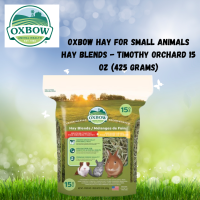
Oxbow Hay for Small Animals Hay Blends - Timothy Orchard 15 oz (425 grams)
₱825.00
Buy on Lazada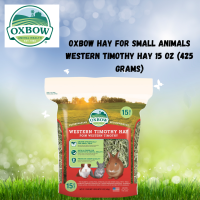
Oxbow Hay for Small Animals Western Timothy Hay 15 oz (425 grams)
₱804.00
Buy on Lazada
Oxbow Guinea Pig Food Essentials Young Guinea Pig 5 lb (2.25kg)
₱940.00
Buy on Lazada
Oxbow Rabbit Food Garden Select Young Rabbit 4 lb (1.8 kg)
₱919.00
Buy on Lazada
Oxbow Rabbit Food Essentials Senior Rabbit 4 lb (1.8 kg)
₱893.00
Buy on Lazada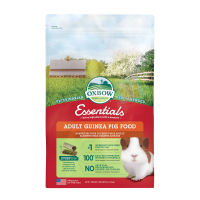
Oxbow Guinea Pig Food Essentials Adult Guinea Pig 5 lb (2.25 kg)
₱899.00
Buy on LazadaAbout Oxbow
Oxbow is a French surfwear and outdoor action-sports brand established in Normandy, France, in 1985 by Fabrice Valéri and Isabelle Cachot. The label built its identity around surfing, board sports, travel and outdoor living, becoming widely recognised for its colourful boardshorts, graphic knitwear and distinctive 1980s–1990s surf aesthetic. Today, Oxbow operates as an independent French company focused on the ocean, mountains and action-sports lifestyle.1
Basic information
| Item | Information |
|---|---|
| Brand | Oxbow |
| Origin | France |
| Founded | 1985 |
| Founders | Fabrice Valéri, Isabelle Cachot |
| Birthplace | Normandy, France |
| Headquarters / historical base | Bordeaux area, Gironde, France |
| Industry | Apparel, surfwear, outdoor & action sports |
| Core fields | Surfing, snowboarding, skiing, outdoor lifestyle |
| Current ownership | Independent French company |
| Current leadership | Emmanuel Debruères and Jean-Christophe Chetail |
| Official site | oxbowshop.com |
In the late 1980s, the company relocated its headquarters from Normandy to the Bordeaux region. This move positioned Oxbow closer to the Atlantic Ocean, the Lacanau surf zone and the Pyrenees, making Bordeaux a central element of the brand’s identity.1
Origin of the name
The term “oxbow” denotes a curved bend in a river, typically one that is isolated or horseshoe-shaped. According to the company’s history, founders Fabrice Valéri and Isabelle Cachot encountered the word on an antique map of the United States. They were drawn to its phonetics, two-syllable structure and visual character, adopting it as the brand name.1
Maps subsequently became integral to the brand’s creative mythology. The founders frequently consulted old cartography for inspiration when naming collections, reinforcing Oxbow’s association with travel, exploration and adventure.1
Founding story
Oxbow emerged during a period when surf culture was gaining significant visibility in France. The founders possessed complementary backgrounds: Fabrice Valéri was deeply embedded in surfing, while Isabelle Cachot brought expertise in fashion and design. This fusion of action-sports culture and fashion sensibility allowed Oxbow to distinguish itself from purely technical sports brands.2
The company’s initial major inspiration was a checkered pair of swim shorts brought back from a surf trip to Sri Lanka. Constructed from individually sewn squares, these shorts inspired Oxbow to develop its own distinctive boardshort aesthetic.1
This approach defined early Oxbow products through a combination of surf functionality, colourful fashion, craftsmanship and travel culture. Rather than treating surfwear solely as sports equipment, the brand helped establish it as a broader lifestyle and fashion statement.
Establishing the Oxbow look in the 1980s
The 1980s were foundational to the brand’s development.
Boardshorts
Colourful, patterned boardshorts became one of Oxbow’s signature products. The brand utilised bold colours, unusual graphics and distinctive patterns at a time when surfwear was becoming increasingly influential in mainstream fashion.1
The POHONO sweater
In 1986, Oxbow introduced the POHONO sweater. Key features included:
- Thick jacquard construction
- Loose proportions
- Colourful patterns
- Hand-drawn ethnic-inspired motifs
- Manufacturing in the Tarn region of France
Originally associated with skiing and snowboarding, the sweater also crossed over into everyday streetwear, helping to establish Oxbow as more than just a surf company.1
Logo placement
Also in 1986, Oxbow introduced its recognisable logo placement above the left shoulder, which became an important visual signature for the brand.1
Relocation to Bordeaux
In 1988, Oxbow moved its operational base to the Bordeaux area. This relocation was strategically significant, placing the company in proximity to:
- The Atlantic coast
- Lacanau
- The French Basque Country
- The Pyrenees
- Major French surfing and mountain communities
The move enabled Oxbow to position itself between two core environments: the ocean and the mountains.1 This geography continues to influence the brand’s identity, which describes its world as existing between the Atlantic and the Alps, with surfing and snowboarding at the centre of its action-sports culture.1
Engagement with surf culture
Beyond clothing, Oxbow has actively invested in surf culture, athletes and events.
Oxbow Lacanau Pro
One of the most significant early projects was the Oxbow Lacanau Pro, which helped establish the brand within European professional surfing. In 1988, the event featured Australian surfing legend Tom Carroll, exposing Oxbow to a wider French and European audience.1
Longboarding
During the early 1990s, Oxbow played a pivotal role in promoting longboarding. In 1991, the brand helped develop the Longboard Tour in Biarritz, including an event that gathered legendary surfers from the 1960s. A subsequent event in 1992 connected older generations of longboarders with younger surfers.1
These initiatives demonstrated that Oxbow was not merely marketing surfing as a fashion trend but was actively participating in the development and promotion of surf culture.
Laird Hamilton and big-wave surfing
Laird Hamilton remains one of the most prominent athletes associated with Oxbow. In 1993, Hamilton became linked with pioneering developments in tow-in surfing at Jaws, Maui. Oxbow’s history highlights spectacular imagery captured by photographer Sylvain Cazenave, which documented a critical moment in the evolution of big-wave surfing.1
Hamilton’s association represented an important aspect of Oxbow’s historical positioning: a commitment not just to beach lifestyle, but to the serious exploration of surfing’s limits. This lent the brand credibility among dedicated surfers while retaining its fashion and lifestyle identity.
Visual aesthetic
The classic Oxbow aesthetic encompasses several distinct elements:
- Surf: Ocean, waves, boardshorts, surf trips and coastal culture.
- Mountain: Skiing, snowboarding, alpine environments and winter sports.
- Adventure: Maps, travel, exploration and discovery.
- Colour: Bright hues and graphic patterns were central to the classic identity.
- Craftsmanship: Evident particularly in historic knitwear and distinctive garments.
- Relaxed silhouettes: Loose sweaters, T-shirts, shirts, shorts and casual outdoor clothing.
- French identity: Despite global surf influences, Oxbow has always emphasised its French origins.
Unlike the minimalist aesthetic associated with some modern outdoor brands, classic Oxbow is expressive, colourful, relaxed and slightly nostalgic.
Expansion beyond surfwear
While surfing remains the foundation, Oxbow historically expanded into other action sports. Its clothing became associated with surfing, longboarding, skiing, snowboarding, skateboarding, outdoor activities, travel and casual everyday wear.
This crossover capability was a key strength. A classic Oxbow sweater, for example, could be worn on a ski slope or in an urban setting, allowing the company to occupy a unique space between technical sportswear and lifestyle fashion.1
Ownership history
Oxbow has undergone several ownership changes throughout its history. Historical sources indicate the brand was acquired by Lafuma in 2005. Lafuma subsequently became part of the Swiss Calida Group, meaning Oxbow spent portions of the 2000s and 2010s within a larger corporate structure.3
A significant turning point occurred in 2020 when Oxbow was sold to Emmanuel Debruères and Jean-Christophe Chetail, returning it to independent French ownership.1 The new owners brought experience from the action-sports industry, including backgrounds associated with brands such as Dakine and Billabong.4
Their stated strategy focused on a return to Oxbow’s roots: surfing, mountain sports, outdoor culture and passionate practitioners. The company has stated that remaining independent allows it to prioritise decisions regarding riders and products over shareholder interests.1
Revival in the 2020s
The post-2020 era represents an effort to reconnect Oxbow with its historical DNA. In 2021, the brand returned to surfboard production, collaborating with six shapers in southwestern France to produce handmade boards. Some of these boards incorporated recovered Oxbow textile materials into their construction, linking new products to the company’s heritage.1
This strategy extends beyond reproducing vintage clothing, aiming instead to reconnect heritage, surfing, craftsmanship, local production and modern outdoor lifestyle.
Manufacturing and production
Although Oxbow is a French brand, not all products are manufactured in France. The company manufactures a wide range of products abroad through long-term partners. Simultaneously, it has worked to reshore some production to Europe and France, including rebuilding relationships with manufacturers in France and Portugal.1
Consequently, Oxbow is best described as a French-origin brand with a growing local manufacturing component, rather than a wholly “Made in France” label. This distinction is relevant when evaluating the brand from sustainability or manufacturing perspectives.
Current product range
Oxbow’s current product universe is significantly broader than its original boardshort-focused identity. The official store includes the following categories:
Men’s
- T-shirts
- Shirts
- Shorts
- Swimwear
- Trousers
- Jackets
- Sweatshirts
- Technical/outdoor clothing
Women’s
- Tops
- T-shirts
- Shorts
- Dresses
- Swimwear
- Outdoor/casual pieces
Surf
- Boardshorts
- Surfwear
- Wetsuits
- Surf accessories
Accessories
- Caps
- Bags
- Water bottles
- Surf ponchos
- Flip-flops
- Wallets and other lifestyle accessories
The company positions these products for the ocean, mountains and city, rather than limiting them exclusively to surfing.1
Sustainability and environmental philosophy
Oxbow’s environmental philosophy is closely tied to its outdoor identity. Current messaging emphasises protecting ocean and mountain environments, product longevity, local know-how, European and French production, reducing the distance between production and market, and material recovery in selected projects.
The company frames sustainability primarily around durability and long-term use, rather than treating it solely as a marketing category.1 Oxbow also highlights B Corp and related environmental initiatives on its website.1
Brand philosophy
Oxbow’s contemporary positioning rests on three core concepts:
- Ride: Surfing and snowboarding remain at the heart of the brand.
- Explore: Travel, adventure and outdoor discovery are central to the lifestyle surrounding the products.
- Make it last: The company emphasises durable products, relationships and experiences.1
This approach distinguishes Oxbow from purely fashion-oriented surf brands, as it seeks to be perceived primarily as a community and action-sports brand, and secondarily as a clothing company.
Notable athletes and ambassadors
Throughout its history, Oxbow has collaborated with numerous prominent riders. Historical and current names associated with the brand include:
- Laird Hamilton (big-wave surfing)
- Tom Carroll (professional surfing)
- Nat Young (longboarding/surfing)
- Joel Tudor (longboarding)
- Kepa Acero
- Mathieu Crépel
- Maud Le Car
- Natxo Gonzalez
- Laura Coviella
- Miguel Blanco
The brand currently presents its ambassadors as active practitioners rather than conventional celebrity endorsers.1
Cultural significance
Oxbow’s importance extends beyond commercial sales. During the late 1980s and 1990s, the brand helped establish a distinctly European and French interpretation of surf culture. Instead of mimicking American and Australian surf brands entering the French market, Oxbow developed its own visual language combining French identity, Atlantic influence, colour, adventure, artistry and outdoor culture.
Its sweaters, boardshorts, catalogues, events and athlete sponsorships made the brand recognisable even to those outside the core surfing community. Consequently, vintage Oxbow items from the late 1980s and 1990s have garnered interest among enthusiasts of retro surfwear, vintage sportswear and 1990s fashion.
Comparison with other surf brands
| Brand | Origin | Traditional identity |
|---|---|---|
| Oxbow | France | Surf + mountain + colourful French outdoor lifestyle |
| Quiksilver | Australia | Surf + youth/action sports |
| Billabong | Australia | Surf + beach lifestyle |
| Rip Curl | Australia | Surf + technical performance |
| O’Neill | USA | Surf + wetsuits + action sports |
| Patagonia | USA | Outdoor + environmentalism |
| Picture Organic | France | Snow/outdoor + sustainability |
Historically, Oxbow’s distinctive niche has been the combination of surf culture, mountain sports and French lifestyle design.
Visual identity through the decades
- 1985–1989 (Birth): Experimental surfwear featuring bright colours, boardshorts, unusual patterns and the emerging Oxbow logo.
- 1990s (Peak cultural visibility): Colourful action-sports lifestyle encompassing surf, snowboarding, longboarding, oversized sweaters, graphic T-shirts and strong catalogues.
- 2000s (Expansion): Evolution into a broader outdoor and action-sports brand, becoming increasingly established as a commercial sportswear and lifestyle label.
- 2010s (Corporate period): Operation as an established heritage brand within larger corporate ownership while retaining its surfwear identity.
- 2020s (Return to roots): Re-emergence as an independent French surf and outdoor brand emphasising independence, surfing, mountains, local know-how, durability and heritage.1
Contemporary status
As of 2026, Oxbow presents itself as an independent French action-sports and outdoor brand with approximately four decades of history. Its modern identity combines French surf heritage, ocean and mountain environments, outdoor adventure and durable lifestyle clothing.
The brand’s current website describes surfing and snowboarding as central to its DNA while expanding the concept into everyday adventure and outdoor living.1 Current collections sit at the intersection of surfwear, outdoor clothing, sportswear, casual fashion and heritage branding.