Shop on Lazada
Physiogel products
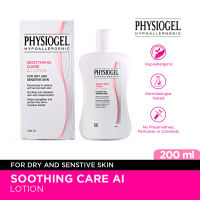
Physiogel Hypoallergenic SOOTHING CARE AI Lotion - 200ml
₱1,688.00
Buy on Lazada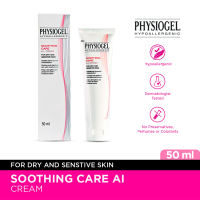
Physiogel Hypoallergenic SOOTHING CARE AI Cream - 50ml
₱878.00
Buy on Lazada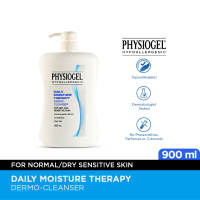
Physiogel Hypoallergenic Daily Moisture Therapy Dermo-Cleanser for Dry and Sensitive Skin - 900ml
₱1,688.00
Buy on Lazada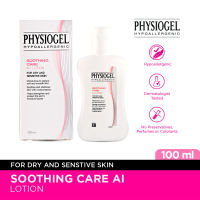
Physiogel Hypoallergenic SOOTHING CARE AI Lotion for Dry Irritated and Sensitive Skin - 100ml
₱948.00
Buy on Lazada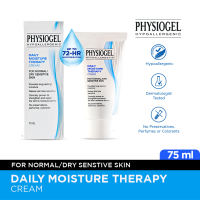
Physiogel Hypoallergenic Daily Moisture Therapy Cream - 75ml
₱878.00
Buy on Lazada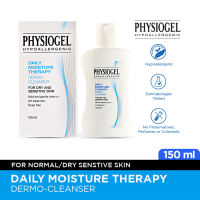
Physiogel Hypoallergenic Daily Moisture Therapy Dermo-Cleanser for Dry and Sensitive Skin - 150ml
₱348.00
Buy on Lazada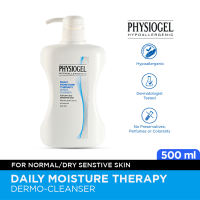
Physiogel Hypoallergenic Daily Moisture Therapy Dermo-Cleanser for Dry Sensitive Skin - 500ml
₱1,068.00
Buy on Lazada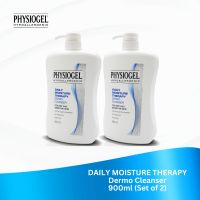
Physiogel Daily Moisture Therapy Cleanser 900ml for Dry Sensitive Skin - Set of 2
₱3,375.00₱3,376.00
About Physiogel
Overview
Physiogel is a dermatological skincare brand primarily known for products designed to care for dry, sensitive, and easily irritated skin. The brand’s central philosophy focuses on supporting the skin’s natural moisture barrier rather than relying on cosmetic fragrances, colors, or aggressive active ingredients. Physiogel originated from Stiefel, a German dermatology company. In 2020, the business rights for Asia and North America were acquired by LG Household & Health Care (LG H&H).
The brand occupies a niche between traditional cosmetics and medical dermatology, often described as “derma skincare.” Its identity revolves around gentle moisturization, skin-lipid science, and barrier repair.
Basic Information
| Attribute | Details |
|---|---|
| Brand Type | Dermatological / Derma Skincare |
| Origin | Germany |
| Original Developer | Stiefel Laboratories |
| Current Major Operator | LG Household & Health Care (Asia and North America) |
| Core Audience | Individuals with dry, sensitive, or easily irritated skin |
| Main Philosophy | Restore and support the skin’s moisture barrier |
| Signature Technology | BioMimic Technology™ |
| Major Product Concept | Moisturization combined with barrier support |
| Known For | Minimalist, fragrance-free moisturizing formulations |
| Major Ranges | Daily Moisture Therapy, AI (Anti-Irritation), ScientiCeuticals |
Physiogel cites over 175 years of dermatological heritage through its connection to Stiefel, positioning its current portfolio specifically for sensitive and dry skin conditions.
Origins at Stiefel
Physiogel’s history is rooted in Stiefel, a German company founded in 1847. Stiefel initially gained recognition for dermatological and skin-related products before evolving into a specialist pharmaceutical and dermatology company. This background explains why Physiogel has historically emphasized barrier function, tolerability, and clinical positioning rather than purely aesthetic appeal.
Expansion in the 2000s
During the 2000s, Physiogel developed as a skincare line specifically targeting dry and sensitive skin. Its moisturizers became frequently associated with dermatology clinics and pharmacies. By 2020, the brand reported that its products were available in more than 80 countries.1
Acquisition by GSK (2009)
In 2009, GlaxoSmithKline (GSK) completed the acquisition of Stiefel for approximately US$2.9 billion in cash plus assumed net debt. Stiefel became GSK’s specialist dermatology business, meaning Physiogel operated within the broader GSK/Stiefel corporate structure.
Acquisition by LG H&H (2020)
In February 2020, LG Household & Health Care announced an agreement to acquire the Physiogel business rights in Asia and North America from GSK. The transaction was finalized on May 29, 2020, for £125 million.
It is important to note that Physiogel did not become a “Korean brand” in terms of origin; it retained its German/Stiefel heritage. However, LG H&H became the operator of significant regional rights, aiming to develop Physiogel into a global leading derma-cosmetics brand.2
Scientific Approach: The Skin Barrier
The core concept behind Physiogel is the maintenance of the skin barrier. The stratum corneum, the outermost layer of the skin, prevents excessive water loss and protects against environmental factors. When this barrier is compromised, users may experience dryness, roughness, tightness, flaking, increased sensitivity, and irritation.
Physiogel’s product philosophy is built on helping the skin retain moisture and reinforce this barrier. The brand utilizes BioMimic Technology™, which involves using lipid components designed to resemble elements naturally found in the skin’s protective barrier.3
BioMimic Technology™
“BioMimic” refers to biomimetic structures—materials that imitate biological systems. Unlike brands centered on retinol, vitamin C, or exfoliating acids, Physiogel’s fundamental technology focuses on barrier architecture and moisturization. The goals include:
- Replenishing skin lipids.
- Reducing moisture loss.
- Improving hydration.
- Supporting the skin barrier.
- Enhancing comfort for dry and sensitive skin.
Key Ingredients
Many Physiogel formulations, such as the Daily Moisture Therapy Cream, feature relatively simple ingredient lists compared to multi-active modern skincare products. Common ingredients include:
- Ceramide NP: A naturally occurring lipid in the skin barrier used to strengthen and protect moisture retention.5
- Squalane: An emollient that softens and moisturizes, contributing to the brand’s rich but simple approach.
- Hydrogenated Lecithin: A lipid-related ingredient that supports skin conditioning and barrier integrity.
- Glycerin: A classic humectant that attracts and retains water in the skin.
Other common components include caprylic/capric triglyceride, coconut oil, shea butter, and various texture/stabilizing agents.4
Daily Moisture Therapy (DMT)
This is considered Physiogel’s signature range, designed for daily moisturization of dry, very dry, and sensitive skin. Products include facial creams, body lotions, facial lotions, cleansers, and region-specific moisturizers. The DMT facial lotion is described as fragrance-free, paraben-free, and colorant-free, with clinical testing supporting long-lasting hydration and barrier care.6
Anti-Irritation (AI)
The AI range is positioned for sensitive, irritated, and highly reactive skin. It provides soothing care, intensive moisturization, and support for the skin’s lipid barrier with high tolerability.7 While DMT focuses on general dryness and everyday barrier care, AI targets specific sensitivity and irritation issues.
ScientiCeuticals
To expand beyond basic moisturization, Physiogel introduced the ScientiCeuticals range. This line addresses concerns such as brightening, antioxidant protection, signs of aging, and further barrier strengthening, reflecting a strategy to position the brand as a comprehensive derma-skincare platform.8
Brand Positioning and Philosophy
Physiogel differentiates itself from luxury or active-focused brands by prioritizing skin health over cosmetic appearance. Its strength lies in minimalist formulations that avoid unnecessary sensory ingredients like fragrances and colorants. Many classic products are marketed as hypoallergenic and non-comedogenic.9
However, formulation philosophies can vary by product and market. Newer items, such as sunscreens or treatment products, may have more complex ingredient lists. Therefore, the claim that “Physiogel is fragrance-free” applies to specific classic lines rather than every product carrying the name.
Target Audience
Physiogel is designed for individuals with:
- Dry Skin: Experiencing tightness, flaking, or rough texture.
- Sensitive Skin: Reacting to weather, over-cleansing, strong actives, or environmental stress.
- Compromised Barriers: Those who have over-exfoliated or disrupted their skin barrier.
- Families: Some products are explicitly positioned for family use, though age recommendations are product-specific.
Medical Context and Eczema
Physiogel is best described as a derma-cosmetic brand, not a prescription pharmaceutical one. While its history is connected to dermatology through Stiefel, and products are often dermatologist-tested, they are sold as skincare rather than medication. Being “dermatologist tested” does not imply a product treats a medical skin disease.
Regarding eczema, people with eczema-prone skin often seek barrier-repair moisturizers because impaired barrier function is a key feature of the condition. Consequently, Physiogel is commonly associated with eczema care. However, a Physiogel moisturizer is not an eczema medication. It supports hydration and barrier function but should not be viewed as a standalone treatment for diagnosed conditions like dermatitis or infection. Specific certifications or endorsements may exist in certain markets, but these are product- and market-specific claims.10
Global Presence and LG Partnership
Today, Physiogel represents a combination of German dermatological heritage, GSK/Stiefel history, and LG H&H commercial development. LG H&H, a major South Korean beauty and consumer-health company, leverages its R&D, manufacturing capabilities, and global network to expand the brand.
Markets
Physiogel has strong recognition in several Asian markets, including South Korea, Hong Kong, Thailand, Malaysia, Singapore, and various European countries. The brand states it is sold in more than 80 countries. In Southeast Asia, including regions relevant to Philippine consumers, Physiogel is typically encountered through pharmacies, beauty retailers, and e-commerce channels.
Why Physiogel Became Popular
Several factors contribute to the brand’s popularity:
- Simple Positioning: The focus on “dry and sensitive skin” is easily understood by consumers.
- Barrier-Care Trend: The skincare industry has increasingly shifted toward skin-barrier health, a concept Physiogel championed early on.
- Minimalist Formulations: Classic products avoid overcrowding bottles with numerous fashionable actives.
- Dermatological Heritage: The Stiefel background provides credibility in the derma-skincare category.
- Utility for Irritated Skin: For those reacting badly to aggressive skincare routines, a bland, effective moisturizer is often more useful than additional active serums.
Corporate Timeline
| Year | Event |
|---|---|
| 1847 | Stiefel founded in Germany |
| 20th Century | Stiefel develops into a specialist dermatology company |
| 2000s | Physiogel expands internationally as a dry/sensitive-skin brand |
| 2009 | GSK completes acquisition of Stiefel |
| Feb 2020 | LG H&H agrees to acquire Physiogel business rights in Asia and North America |
| May 2020 | LG H&H transaction completed |
| 2020s | Physiogel expands product portfolio and global derma positioning |
Ownership milestones in 2009 and 2020 are documented by GSK and LG H&H respectively.11
Conclusion
Physiogel is a German-origin, dermatology-rooted skincare brand specializing in dry, sensitive, and barrier-compromised skin. Its defining technology, BioMimic Technology™, uses lipid structures that work in harmony with the skin’s natural barrier. The brand’s classic Daily Moisture Therapy products combine humectants, emollients, and barrier-associated lipids such as glycerin, squalane, lecithin, and ceramide NP, emphasizing fragrance-free and colorant-free formulations suitable for sensitive skin.
In the broader skincare landscape, Physiogel sits alongside other barrier-focused brands but distinguishes itself through its specific biomimetic lipid approach and historical ties to the Stiefel dermatology legacy.
References
- PHYSIOGEL
- ABOUT | Physiogelhk
- Daily Moisture Therapy Facial Lotion – Physiogel
- KEM CHỐNG NẮNG DƯỠNG ẨM PHYSIOGEL DAILY MOISTURE THERAPY 30ML – PHYSIOGEL
- SỮA CHỐNG NẮNG DƯỠNG ẨM PHYSIOGEL DAILY MOISTURE THERAPY 100ML – PHYSIOGEL
- Chi Siamo – Physiogel
- Scienza per la tua pelle – Physiogel
- Term and Conditions | Physiogelhk
- PHYSIOGEL Trademark of LG HOUSEHOLD & HEALTH CARE LTD. – Registration Number 6201437 – Serial Number 88472231 :: Justia…
- LG Household & Health Care Completes Acquisition of Physiogel Asia and North America Business Rights – The Asia…
- LG Household to buy Physiogel’s biz right for U.S., Asia markets