Shop on Lazada
Pik-Nik products
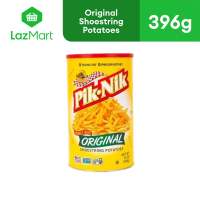
Pik-Nik Shoestring Original 14oz (396g)
₱242.25₱255.00
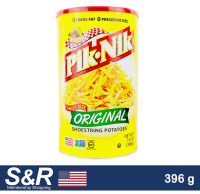
Pik Nik Family Size Original Shoestring Potatoes 396 g
₱305.00
Buy on Lazada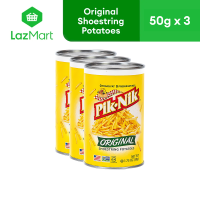
Pik-Nik Shoestring Original 1.75oz - Pack of 3
₱135.65₱141.30
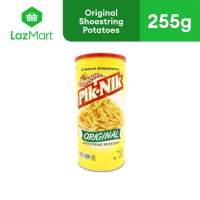
Pik-Nik Original 9oz (255g)
₱183.35₱193.00
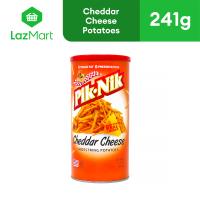
Pik Nik Cheddar Cheese 8.50oz
₱181.21₱190.75
Pik-Nik 50% Less Salt 9oz
₱183.35₱193.00
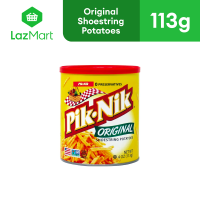
Pik-Nik Shoestring Original 4oz
₱98.74₱102.85
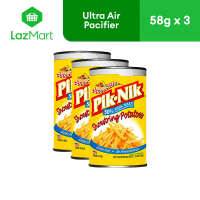
Pik-Nik 50% Less Salt 1.75oz - Pack of 3
₱135.65₱141.30
About Pik-Nik
Pik-Nik is an American snack food brand best known for its shoestring potatoes, a thin, crispy fried potato snack. Established in 1939 in San Jose, California, the brand has evolved from a specialist potato processor into an international business with products sold in the United States and numerous overseas markets, including the Philippines.1 While Pik-Nik maintains its American origin and manufacturing base in Madera, California, it is currently operated by Pik-Nik Foods USA (Great American Foods, Inc.) and forms part of the portfolio of the Philippine conglomerate Alliance Global Group, Inc. (AGI).6 This unique corporate structure makes Pik-Nik a prominent example of a heritage American snack brand under Filipino ownership, contributing to its significant recognition among consumers in the Philippines.
Brand information
| Field | Information |
|---|---|
| Brand name | Pik-Nik |
| Industry | Snack foods / packaged foods |
| Founded | 1939 |
| Place founded | San Jose, California, United States |
| Best known for | Shoestring potatoes / potato sticks |
| Current operator | Pik-Nik Foods USA / Great American Foods, Inc. |
| Corporate group | Alliance Global Group, Inc. |
| Manufacturing | United States; current facility in Madera, California |
| Main markets | United States and international markets |
| Notable international market | Philippines |
| Major products | Shoestring Potatoes, cheese snacks, French Fried Onions, potato snacks |
History
Founding and early years
Pik-Nik traces its origins to 1939, when the company was established in San Jose, California.21 Its original specialty was the production of potato shoestrings using fresh potatoes to create thin, crisp fried snacks. The company describes itself as having been in the snack business for more than 80 years.2 Early operations were closely tied to agriculture; historical records indicate that Pik-Nik purchased smaller U.S. No. 1 B-size potatoes, particularly Russet Burbanks, which had limited outlets in the fresh-potato market. By processing these into shoestring snacks, the company created a new market for growers while providing an affordable snack for consumers.2
Regulatory challenges in the 1960s
The brand’s close ties to the agricultural supply chain led to operational challenges during regulatory shifts. In 1968, changes to a USDA potato marketing order affected the company’s ability to obtain specific size-B potatoes from the Klamath Basin. Congressional testimony from the period records that Pik-Nik’s San Jose plant was ultimately closed after these regulatory changes caused significant operational difficulties.3
Corporate transition and diversification
For much of its history, Pik-Nik was primarily associated with its signature shoestring potato product. A major corporate transition occurred around 2000 when its then-parent company, Tri Valley Growers, entered bankruptcy. A new management team subsequently took over, with Alma Dacanay joining as operations manager before becoming chief executive officer.17 Under Dacanay’s leadership, the company pursued a strategy of rebuilding and expanding beyond its traditional offering.4 This era saw the introduction of new product lines, transforming Pik-Nik from a single-product specialist into a broader snack food brand.5
Acquisition by Alliance Global Group
Pik-Nik subsequently became part of the business interests of Alliance Global Group, Inc. (AGI), a major Philippine conglomerate. AGI corporate filings describe Pik-Nik as an all-American fresh-fried potato snack line manufactured and distributed internationally from the United States by a wholly owned subsidiary.6 AGI’s corporate structure includes entities such as McKester Pik-Nik International Limited and Great American Foods, Inc., both listed as wholly owned subsidiaries in 2024 filings.
Products
Although Pik-Nik now offers several categories, its defining product remains Shoestring Potatoes.
Shoestring Potatoes
Pik-Nik’s shoestring potatoes differ from extremely thin conventional potato sticks. According to the company, the potatoes are sliced slightly thicker and longer than ordinary sticks and are quickly fried in vegetable oil.7 Current varieties include:
- Original
- 50% Less Salt
- Cheddar
- HOT!
- Sea Salt & Vinegar
- Ketchup Fries
- Fabulous Fries
- Organic Potato Sticks
The exact assortment varies by market and availability.8
Cheese snacks and other products
The brand expanded into cheese-based snacks, including Cheese Balls and Cheese Curls, described as cheese-flavored puffed corn snacks with cheddar seasoning. Another major category is French Fried Onions, introduced around 2010 as part of the diversification strategy; these can be eaten as a snack or used as a cooking ingredient.9
Packaging
A distinctive feature of Pik-Nik is its resealable canister. Rather than relying solely on flexible bags, the brand traditionally packages many potato products in rigid, resealable containers designed to preserve flavor and crunch.7 This packaging protects fragile potato sticks, maintains crispness, provides shelf distinction, and offers convenience for travel and sharing. Historical materials also describe the containers as foil-lined to enhance shelf stability.
Manufacturing and ingredients
Pik-Nik states that its products are made in the USA, with manufacturing located in Madera, California.14 For traditional potato sticks, the ingredient profile centers on fresh potatoes, vegetable oil, and salt or seasoning, emphasizing quality over recipe shortcuts. The company also identifies attributes such as non-GMO verification, gluten-free, kosher, and halal options on its website, though certifications vary by product.10
Brand identity
The name and visual identity of Pik-Nik are strongly associated with American picnics and casual outdoor gatherings. Historically, branding has featured a picnic basket and checkered pattern to reinforce this concept.11 Consequently, the brand positions its products as convenient foods suitable for road trips, family gatherings, movie watching, lunchboxes, and parties. Marketing materials emphasize snacking as a hobby and highlight sharing with friends and family.
Pik-Nik in the Philippines
The Philippines holds particular importance in Pik-Nik’s international presence. AGI filings repeatedly identify the country as a key distribution market for the brand, which continues to be manufactured in the United States and exported.13 This creates a unique dynamic: although Pik-Nik is an American-origin snack, its ownership resides within a Philippine-based corporate group. As a result, the brand has developed substantial recognition among Filipino consumers, particularly for its distinctive canned shoestring potatoes, which have been noted as strong-selling items in the local market.12
International presence
Pik-Nik describes itself as an international snack brand, shipping products from California to customers worldwide. Historically, AGI filings have identified sales in the United States and overseas markets across Asia, Latin America, and the Middle East, with the Philippines serving as one of its most established international markets.13 This gives Pik-Nik a distinct position in the industry: American in origin and production, yet with significant international ownership and distribution reach.
Corporate structure
The modern Pik-Nik business operates under Great American Foods, Inc., doing business as Pik-Nik Foods USA. The company is headquartered in Burlingame, California, with manufacturing in Madera.14 At the broader level, it belongs to the food and beverage division of Alliance Global Group, Inc., a Philippine conglomerate with interests spanning real estate, tourism, gaming, restaurants, and infrastructure.15 AGI filings confirm Pik-Nik’s U.S. operation as part of its wholly owned corporate structure.16
Management
Alma Dacanay is a central figure in Pik-Nik’s modern history. Originally from a teaching background, she moved into business and export operations before joining Pik-Nik as operations manager in 2000. She later became CEO, leading efforts to expand distribution, strengthen the core shoestring potato business, and diversify the product line.17
Market position
Pik-Nik is associated specifically with the shoestring potato segment rather than the broader potato chip market. AGI describes the brand as the market leader in shoestring potato snacks in the United States.18 Its competitive identity relies on specialization: fresh potatoes processed into a distinctive shoestring cut, fried for crisp texture, and packaged in resealable canisters. This focus differentiates Pik-Nik from mainstream potato chip manufacturers.
Brand characteristics
Several factors distinguish Pik-Nik in the snack sector:
- Signature product: Identity built on potato sticks rather than conventional chips.
- Fresh-potato positioning: Emphasis on production from fresh potatoes.19
- Distinctive packaging: Resealable canister is a primary physical identifier.
- Longevity: Operating since 1939, spanning over eight decades.20
- Ownership structure: American origin with Philippine corporate ownership.
- International reach: Established distribution beyond the U.S., notably in the Philippines.
Timeline
- 1939: Pik-Nik founded in San Jose, California.21
- 1940s onward: Development of potato-stick business using B-size Russet Burbank potatoes.
- 1968–1969: USDA potato marketing regulations cause sourcing and operational difficulties.
- 2000: Tri Valley Growers enters bankruptcy; Pik-Nik undergoes corporate transition; Alma Dacanay joins.
- 2003: Dacanay becomes CEO, initiating distribution expansion and product diversification.
- 2010: Introduction of French Fried Onions.
- 2011: Introduction of Cheese Balls and Cheese Curls.
- 2010s: Continued expansion of flavored potato products and international distribution.
- 2019–2025: AGI filings continue to list Pik-Nik as a U.S.-manufactured brand sold domestically and internationally.
- 2026: Pik-Nik continues marketing shoestring potatoes and expanded snack lines from U.S. operations.22
Consumer perception
Pik-Nik’s strongest consumer association is its distinctive cylindrical canister filled with thin potato sticks. For many consumers, especially in markets where the product has been imported for decades, the packaging and unique shape are nearly as recognizable as the brand name. In the Philippines, this has helped Pik-Nik occupy a specific niche: an American product that has become familiar to local consumers while retaining its original U.S. identity.
References
- Classic All-American Snack | Pik-Nik Foods USA | PIK-NIK FOODS USA
- Classic All-American Snack | Pik-Nik Foods USA | PIK-NIK FOODS USA
- Pik-Nik Foods USA | LinkedIn
- Creating a Global Brand on a Shoestring – Profile
- 2
- Pik-Nik Foods | Pik-Nik Foods USA
- To Our Trade Partners | PIK-NIK FOODS USA
- PIK-NIK Trademark of Great American Foods, Inc. – Registration Number 5005689 – Serial Number 86063031 :: Justia Trademarks
- Great American Foods, Inc. dba Pik-Nik Foods, USA – CCOF.org
- PIK-NIK Trademark | Trademarkia
- Electronic Gazette
- Pik-Nik Hot! Shoestring Potatoes
- Great American Foods Company Profile -Sales, Contacts, Competitors – Buzzfile
- Contact Pik-Nik Foods USA | Pik-Nik Foods USA | PIK-NIK FOODS USA
- Pik-Nik Foods USA | LinkedIn
- Pik-Nik Foods USA | LinkedIn
- Pik-Nik Foods USA | LinkedIn
- Pik-Nik Foods USA | LinkedIn
- Pik-Nik Foods USA | LinkedIn
- Agora pik nik presentation | PPTX
- Pagrindinis | Pik-Nik | Žemaitijos pienas
- Pik-Nik Original Shoestring Potatoes