Shop on Lazada
Poco products
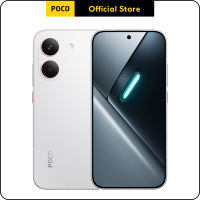
POCO X8 Pro|8GB+256GB|8GB+512GB|12GB+512GB Flagship Dimensity 8500-Ultra 6500mAh (typ) battery with 100W HyperCharge 1.5K 120Hz ultra-bright AMOLED display 50MP Sony IMX882 with OIS IP68 dust and water resistance
₱34,999.00₱45,999.00
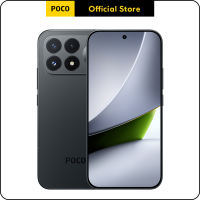
New POCO F9 Pro Smartphone | 12GB+256GB/12GB+512GB | Snapdragon® 8 Elite Gen 5 V Series | 6.59″ 185Hz ultra-bright AMOLED display | 100W wired and 50W wireless HyperCharge | 200MP ultra-clear main camera with OIS | Sound by Bose
₱47,999.00₱54,999.00
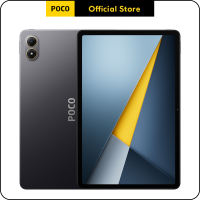
POCO Pad M1 | 8+256GB 12.1° 120Hz 2.5K display Massive 12000mAh (typ) battery Snapdragon® 7s Gen 4 Supports 27W reverse charging tablet
₱18,999.00₱24,999.00
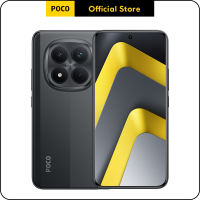
POCO M8 Pro 5G Smartphone |8GB+256GB/12GB+512GB Massive 6500mAh (typ)battery6.83″CrystalRes 1.5K AMOLED displaySnapdragon® 7s Gen 450MP Light Fusion 800 with OIS
₱21,999.00₱29,999.00
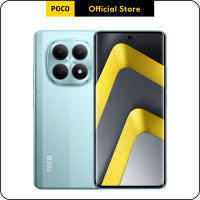
POCO M8 5G Smartphone |8GB+256GB/8GB+512GB 7.35mm sleek 3D-curved design6.77″120Hz Flow AMOLED display50MP AI dual camera systemSupports 45W turbo charging
₱17,999.00₱24,999.00
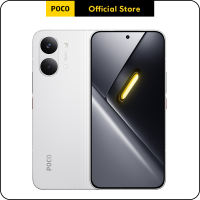
POCO X8 Pro Max|12GB+256GB|12GB+512GB Flagship Dimensity 9500s 8500mAh (typ) battery with 100W HyperCharge 6.83″ 1.5K 120Hz ultra-bright AMOLED display 50MP Light Fusion 600 with OIS IP68 dust and water resistance
₱42,999.00₱52,999.00
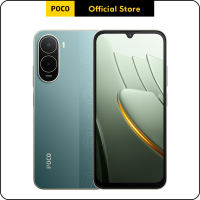
POCO C81 Pro | 4GB+64GB/4GB+128GB/4GB+256GB | Immersive 6.9″ display Massive 6000mAh battery Powerful octa-core processor 13MP AI dual camera
₱10,999.00₱16,999.00
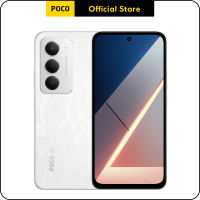
POCO M8s 5G | 6GB+128GB/8GB+256GB | Massive 7000mAh (typ) battery Snapdragon® 6s Gen 3 Immersive 6.9″ FHD+ display IP64 dust and water resistance Powered by 33W fast charging 50MP AI dual camera system
₱17,999.00₱22,999.00
About Poco
Overview
| Attribute | Details |
|---|---|
| Brand Name | POCO |
| Former Name | Pocophone |
| Founded | August 2018 |
| Parent Company | Xiaomi |
| Headquarters | Beijing, China |
| Industry | Consumer Electronics |
| Products | Smartphones, tablets, wearables, AIoT accessories |
| Operating System | Android with Xiaomi HyperOS |
| Slogan | “Everything you need, nothing you don’t.” |
| Markets | 35+ countries and regions |
History
Foundation (2018)
POCO was launched in August 2018 by Xiaomi to target technology enthusiasts who wanted flagship-grade hardware at affordable prices. The brand debuted with the POCO F1, known internationally as the Pocophone F1. [2]
The F1 became one of the most influential smartphones of its generation because it combined:
-
Qualcomm Snapdragon 845 flagship processor
-
Liquid cooling system
-
Large battery
-
Competitive price
Its value-for-money proposition quickly earned it the nickname “Flagship Killer.” [2]
Becoming an Independent Brand (2020)
In January 2020, Xiaomi announced that POCO India would become an independent brand. Later that year, the global business also adopted an independent structure. [3]
Although POCO now has its own:
-
Product planning
-
Marketing
-
Sales teams
it still shares many resources with Xiaomi, including:
-
Manufacturing
-
Supply chain
-
Software development
-
Quality assurance
-
Customer support
This allows POCO to maintain lower production costs while focusing on performance-oriented devices. [3]
Brand Philosophy
POCO’s philosophy is summarized by its slogan:
“Everything you need, nothing you don’t.”
The company emphasizes:
-
Powerful processors
-
Smooth gaming performance
-
Long battery life
-
Fast charging
-
Affordable pricing
Rather than prioritizing luxury materials or premium camera systems, POCO focuses on features that matter most to performance-conscious users. [4]
Product Lineup
POCO F Series
The premium performance lineup.
Characteristics:
-
Flagship processors
-
High-refresh-rate AMOLED displays
-
Fast charging
-
Gaming-focused performance
Popular models include:
-
POCO F1
-
POCO F2 Pro
-
POCO F3
-
POCO F4
-
POCO F5
-
POCO F6
-
POCO F7 series
POCO X Series
Mid-range smartphones designed to balance gaming, cameras, battery life, and everyday performance.
Well-known models include:
-
POCO X3 NFC
-
POCO X3 Pro
-
POCO X4 Pro
-
POCO X5 Pro
-
POCO X6 Pro
-
POCO X7 series
The X Series is among POCO’s most successful product families.
POCO M Series
Budget-friendly smartphones aimed at:
-
Students
-
Casual users
-
Everyday productivity
Features typically include:
-
Large batteries
-
Large displays
-
Affordable pricing
POCO C Series
Entry-level smartphones intended for first-time smartphone users or those seeking essential features at the lowest price points.
Tablets
POCO has expanded beyond smartphones with products such as the POCO Pad, offering larger displays for productivity and entertainment. [5]
Software
POCO devices originally shipped with MIUI for POCO, a customized version of Xiaomi’s Android interface. [6]
Today, newer devices run Xiaomi HyperOS, which provides:
-
Improved animations
-
Better performance optimization
-
Enhanced AI features
-
Cross-device integration within Xiaomi’s ecosystem
Software support varies by device, with flagship models generally receiving longer update commitments than entry-level models. [6]
Design Philosophy
POCO devices typically emphasize:
-
Bold visual styling
-
Large camera modules
-
Bright color options
-
Gaming-inspired aesthetics
-
Functional ergonomics
Many POCO smartphones are engineered for strong performance while keeping costs lower than traditional flagship devices.
Market Position
POCO primarily competes in the:
-
Budget
-
Mid-range
-
Affordable flagship
segments.
Its major competitors include:
-
realme
-
Samsung Electronics (Galaxy A Series)
-
Motorola
-
HONOR
-
OnePlus
Relationship with Xiaomi
Target Audience
POCO primarily targets:
-
Mobile gamers
-
Tech enthusiasts
-
Students
-
Budget-conscious consumers
-
Power users seeking high performance
The brand has built a strong reputation for maximizing performance per dollar, often using flagship-class chipsets in devices priced below many competitors.
Legacy
Since the launch of the original POCO F1, the brand has become one of the most recognizable names in the affordable performance smartphone market. Its strategy of prioritizing processing power, battery life, and value has influenced competitors and helped popularize the “flagship killer” category. POCO now sells devices in dozens of markets worldwide while remaining an important part of Xiaomi’s broader product ecosystem. [8]