Shop on Lazada
Polo Ralph Lauren products
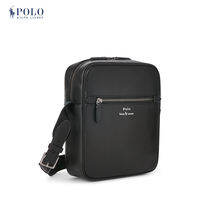
Polo Ralph Lauren Mens Leather Crossbody Bag
₱17,500.00
Buy on Lazada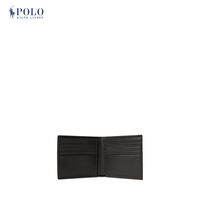
Polo Ralph Lauren Mens Wimbledon Leather Billfold Wallet
₱13,500.00
Buy on Lazada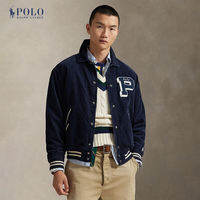
Polo Ralph Lauren Mens Corduroy Letter Jacket
₱34,000.00
Buy on Lazada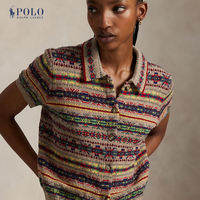
Polo Ralph Lauren Womens Fair Isle Short-Sleeve Cardigan
₱23,500.00
Buy on Lazada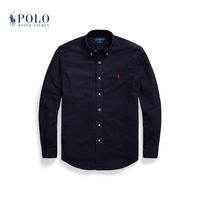
Polo Ralph Lauren Mens Custom Fit Oxford Shirt
₱11,500.00
Buy on Lazada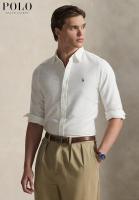
Polo Ralph Lauren Mens Slim Fit Oxford Shirt
₱13,000.00
Buy on Lazada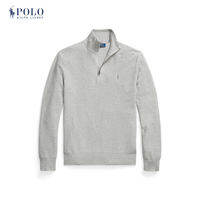
Polo Ralph Lauren Mens Mesh-Knit Cotton Quarter-Zip Sweater
₱13,500.00
Buy on Lazada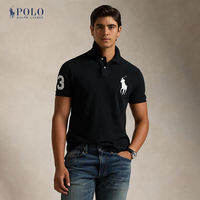
Polo Ralph Lauren Mens Custom Slim Fit Big Pony Mesh Polo Shirt
₱10,000.00
Buy on LazadaAbout Polo Ralph Lauren
Polo Ralph Lauren is an American premium lifestyle and fashion brand established by designer Ralph Lauren. The label traces its origins to 1967, when Lauren launched a line of men’s neckties under the name Polo, eventually growing into one of the most recognised fashion houses in the United States 3. Today, Polo Ralph Lauren operates as a key brand within the Ralph Lauren Corporation, which oversees a diverse portfolio of labels and product categories across apparel, accessories, home goods, and hospitality 12.
The brand is synonymous with the Polo Pony logo, the iconic Polo shirt, classic American sportswear, preppy aesthetics, and equestrian imagery. Rather than focusing solely on seasonal runway trends, Polo Ralph Lauren has historically positioned its offerings as components of a broader aspirational lifestyle that encompasses clothing, fragrances, children’s wear, and accessories 2.
Basic Information
| Category | Information |
|---|---|
| Brand name | Polo Ralph Lauren |
| Founder | Ralph Lauren |
| Origin | United States |
| Founded | 1967 |
| Parent company | Ralph Lauren Corporation |
| Original product | Men’s neckties |
| Best-known product | Polo shirt |
| Icon | Embroidered Polo Pony |
| Core aesthetic | American sportswear, preppy, classic, equestrian, collegiate |
| Product categories | Men’s, women’s and children’s apparel, accessories, footwear, fragrances and related lifestyle products |
| Corporate headquarters | New York City, United States |
| Global presence | International |
Ralph Lauren Corporation describes itself as a global leader in the design, marketing, and distribution of premium and luxury lifestyle products. Its operations span apparel, accessories, home furnishings, fragrances, and hospitality, with Polo Ralph Lauren serving as one of the company’s principal brands 1.
History
1967: The Beginning
The history of Polo Ralph Lauren began with Ralph Lauren, who was then working in the neckwear industry. In 1967, he introduced his own collection of wide men’s ties under the Polo label 3. These ties were intentionally distinct from the narrower styles prevalent at the time, drawing inspiration from classic menswear, Old Hollywood glamour, and a romanticised vision of elegance. Early business operations were conducted from a drawer in the Empire State Building, where Lauren personally developed and sold his products 7.
The name Polo was selected because the sport embodied qualities Lauren wished to associate with the brand: elegance, tradition, athleticism, wealth, and a sophisticated leisure lifestyle.
1968: Expansion into Menswear
In 1968, Lauren expanded beyond neckties to launch a complete men’s collection, marking the emergence of Polo as a full fashion label 3. Instead of producing conventional business attire, he blended traditional tailoring with sportswear elements such as flannel suits, sport shirts, and knitwear. This fusion of formal and casual wear became a defining characteristic of the Ralph Lauren aesthetic, evoking the image of an idealised American gentleman.
1970–1971: Retail Expansion
A dedicated Polo by Ralph Lauren boutique opened within Bloomingdale’s in New York in 1970, described as the first store-within-a-store devoted exclusively to a single designer at the retailer. The following year, Lauren opened his first freestanding store on Rodeo Drive in Beverly Hills, California, before expanding to other major American cities 6. These retail environments were significant because they were designed not merely to display clothing but to immerse customers in a complete lifestyle through carefully curated interiors, furniture, architecture, and merchandising.
1971: The Polo Pony
The renowned Polo Pony emblem debuted in 1971 on a line of women’s tailored shirts. This embroidered depiction of a polo player on horseback evolved into one of fashion’s most recognisable symbols, transforming simple garments into items carrying a distinct brand identity 4.
1972: The Polo Shirt
Ralph Lauren introduced the Polo shirt in 1972, arguably the single most important product in the brand’s history. The classic iteration featured soft knitted fabric, short sleeves, a collar, buttoned placket, and the embroidered Polo Pony. Initially offered in 24 colours, it helped establish the shirt as a staple of colourful American sportswear rather than strictly formal menswear 4. The Polo shirt subsequently became an enduring fashion essential and one of the most widely recognised products globally.
The Polo Shirt
The Polo shirt remains central to the identity of Polo Ralph Lauren. Its significance lies partly in its versatility; it bridges the gap between casual wear and traditional menswear, pairing equally well with jeans and sneakers or tailored trousers and loafers. Over the decades, the brand has produced numerous variations featuring different fits, fabrics, patterns, and seasonal designs. Crucially, the shirt helped establish the concept that a logo could represent an entire lifestyle rather than simply identifying a manufacturer.
The Polo Pony Logo
The Polo Pony depicts a mounted polo player holding a mallet and serves multiple communicative functions simultaneously. Visually, it conveys:
- Equestrian heritage
- Sport and athleticism
- Wealth and leisure
- Tradition
- British and American country-club influences
- Refined casualwear
It is important to note that the logo does not represent the entire Ralph Lauren Corporation; it is specifically associated with the Polo identity and appears in various forms across Polo Ralph Lauren products.
Meaning of “Polo”
The word Polo refers to the sport of polo rather than a geographical location or surname. Ralph Lauren utilised the sport as inspiration because it represented an idealised world of aristocratic competition, elegance, and leisure. The brand later expanded this imagery into a broader American lifestyle narrative. The Polo Pony logo became essential because it visually expressed the specific world the brand sought to create.
Design Philosophy
Polo Ralph Lauren’s design philosophy is broadly defined as timeless American sportswear. Its aesthetic synthesises several distinct traditions:
American Preppy Style
Polo is strongly linked to American prep-school and Ivy League vocabulary, including Oxford shirts, chinos, rugby shirts, blazers, loafers, and varsity-inspired clothing. However, Ralph Lauren’s interpretation of preppy fashion is typically more polished and theatrical than everyday collegiate wear.
Equestrian Style
Horse riding and polo have served as recurring visual references throughout the brand’s history. Equestrian imagery frequently appears in logos, advertising campaigns, knitwear, and jackets.
Ivy League Influence
The brand consistently draws upon traditional American collegiate clothing and the archetype of the well-dressed American student or gentleman.
Country-Club Culture
References to golf, tennis, sailing, and polo are pervasive, communicating a lifestyle centred on leisure, tradition, and social sophistication.
Western America
Although closely associated with East Coast preppy culture, Ralph Lauren has also integrated the American West into its design universe. This includes denim, Western shirts, boots, leather goods, Native American-inspired motifs, and ranch imagery. This broader interest in American history is further reflected in other labels such as Double RL (RRL).
Concept of an American Lifestyle
Polo Ralph Lauren was never intended to be merely a clothing brand. Ralph Lauren pioneered the concept of selling an imagined lifestyle. Advertisements might depict a family at a country estate, a couple at a polo match, a university student, or a gentleman in tailored attire. In this context, clothing becomes part of a larger narrative. Ralph Lauren Corporation describes this approach as a distinctive American perspective, emphasising the development of an aspirational lifestyle brand over a conventional apparel company 7.
Expansion into Women’s Fashion
Despite its origins in menswear, Ralph Lauren expanded into women’s fashion early in its history. The first women’s designs, including tailored shirts featuring the Polo Pony, appeared in 1971, followed by a full women’s collection in 1972 5. This expansion was instrumental in establishing Ralph Lauren as a comprehensive lifestyle designer rather than exclusively a menswear specialist.
Hollywood and Popular Culture
Ralph Lauren’s clothing became deeply intertwined with American cinema and popular culture. A notable example is the 1974 film The Great Gatsby, for which Lauren created a pink suit specifically for Robert Redford’s character, Jay Gatsby, while the film’s period wardrobe also utilised Ralph Lauren clothing 7. The brand was similarly associated with the aesthetic of films such as Annie Hall, reinforcing its cultural image during the 1970s. This relationship with Hollywood underscored a key strategic element: presenting a specific vision of successful, sophisticated, and romantic American life.
Product Categories
Polo Ralph Lauren has evolved significantly beyond its original polo shirt. The current product universe includes:
Men’s Clothing
- Polo shirts
- T-shirts
- Oxford shirts
- Rugby shirts
- Sweaters and sweatshirts
- Jackets and coats
- Chinos and jeans
- Tailored-inspired clothing
- Swimwear and activewear
Women’s Clothing
- Polo shirts
- Knitwear and shirts
- Dresses and skirts
- Jackets and denim
- Sportswear and accessories
Children’s Clothing
The brand maintains extensive collections for babies, children, and teenagers.
Accessories
Depending on the market and collection, offerings include bags, belts, wallets, hats, scarves, watches, sunglasses, small leather goods, and footwear.
Fragrances
Ralph Lauren entered the fragrance market in 1978. The portfolio has included scents such as Polo, Polo Sport, Ralph’s Club, Romance, and Safari 5.
Relationship with Ralph Lauren Corporation
A common misconception is that Polo Ralph Lauren and Ralph Lauren are separate entities. In reality, Ralph Lauren Corporation is the publicly traded parent company that operates a portfolio of brands, of which Polo Ralph Lauren is one 1. The current portfolio includes:
- Ralph Lauren
- Ralph Lauren Collection
- Ralph Lauren Purple Label
- Polo Ralph Lauren
- Lauren Ralph Lauren
- Double RL
- RLX
- Polo Sport
- Ralph Lauren Children
The company’s annual filings specifically identify Polo Ralph Lauren as a core apparel brand 1. Ralph Lauren himself continues to serve as the company’s Executive Chairman and Chief Creative Officer 1.
Distinction from Other Ralph Lauren Brands
Understanding the distinction between labels is essential, as Ralph Lauren operates at multiple market levels:
| Brand | General Positioning |
|---|---|
| Polo Ralph Lauren | Classic American sportswear and lifestyle |
| Ralph Lauren Collection | High-end luxury fashion |
| Ralph Lauren Purple Label | Luxury men’s tailoring and premium menswear |
| Double RL / RRL | Heritage Americana, Western and vintage-inspired clothing |
| Lauren Ralph Lauren | More accessible lifestyle fashion |
| RLX | Performance and technical sportswear |
| Polo Sport | Sport and athletic-inspired fashion |
Consequently, the presence of the Ralph Lauren name does not guarantee identical price points or quality tiers across all products.
Position in the Fashion Market
Polo Ralph Lauren generally occupies the premium/lifestyle segment rather than competing exclusively with ultra-luxury fashion houses. Its strategy allows for relatively accessible products like T-shirts and caps to coexist with a highly aspirational image cultivated through flagship stores, advertising, and premium collections. This creates a broad brand pyramid ranging from accessible entry points to high-end lifestyle experiences. This breadth remains one of Ralph Lauren’s primary competitive advantages.
Retail Experience
Ralph Lauren places considerable emphasis on the physical retail environment. Stores are designed as extensions of the lifestyle concept rather than mere points of sale 6. Typical environments incorporate dark wood, leather, traditional furniture, books, equestrian references, American antiques, and classic architectural details. The objective is to immerse customers in the world represented by the clothing.
Global Reach
Although fundamentally an American brand, Polo Ralph Lauren has achieved global appeal. The company operates internationally across North America, Europe, Asia, and other markets, stating that its brands have become among the world’s most widely recognised consumer labels 16. This international success is notable given that the brand’s identity is so deeply rooted in a specific American cultural fantasy. Effectively, Polo Ralph Lauren exports a vision of American life alongside its products.
Brand Image
The Polo Ralph Lauren image is defined by several recurring themes:
- Classic: Designs avoid dependence on short-lived trends.
- Preppy: Ivy League, country-club, and collegiate references are central.
- Sporting: Visual language incorporates polo, tennis, golf, rugby, and sailing.
- Aspirational: Advertising depicts an affluent, idealised lifestyle.
- American: Heavy reliance on American history and culture.
- Traditional: Frequent revisiting of heritage fabrics, silhouettes, and motifs.
- Timeless: Promotion of style that transcends changing fashion cycles.
Industry Influence
Polo Ralph Lauren’s importance extends beyond the popularity of individual products. Ralph Lauren helped popularise a business model that transforms a designer’s aesthetic into an entire lifestyle universe. Instead of merely selling garments, the brand offered a comprehensive world comprising clothing, architecture, interiors, advertising, sports, and American history. This approach proved immensely influential, with the company noting that Ralph Lauren’s work has significantly shaped how people dress and how fashion is marketed globally 7.
Cultural Significance
The Polo Pony has transcended its role as a corporate logo to become a cultural symbol. For some, it represents traditional American preppy style; for others, wealth and luxury. It has also been adopted within streetwear and youth fashion, where vintage pieces are styled differently from their presentation in traditional advertising. This flexibility allows Polo Ralph Lauren to navigate different fashion communities while maintaining a coherent identity.
Counterfeiting and Brand Protection
The immense recognition of the Polo Pony has made Ralph Lauren products a frequent target for counterfeiters. Ralph Lauren Corporation maintains a dedicated anti-counterfeiting programme and regards authenticity as central to its brand identity. The company notes that its operation in over 50 countries has attracted counterfeit activity due to the brands’ popularity 1. This underscores the significant commercial value of the Polo Pony independent of the garment itself.
Sustainability and Modern Direction
Ralph Lauren Corporation has increasingly integrated sustainability and corporate responsibility into its strategy. The 2025 Global Citizenship & Sustainability Report indicated that 98% of units produced in fiscal 2025 met at least one of the company’s sustainable-material criteria. This work is framed within the broader Timeless by Design strategy, which links product longevity and design with environmental and social considerations.
Defining Characteristics
Understanding Polo Ralph Lauren requires separating product from identity. While a Polo shirt is a relatively simple garment, the brand sells the meaning attached to it: the polo field, the country club, the university, the American family, the gentleman, the ranch, Hollywood, and classic Americana. This interconnected imagery constitutes the brand’s true strength.
Legacy
More than half a century after its founding, Polo Ralph Lauren remains a defining name in American fashion. From its 1967 debut with men’s neckties to the introduction of the Polo Pony in 1971 and the Polo shirt in 1972, early decisions established a visual and cultural vocabulary that persists today 34. The brand’s legacy lies not merely in the invention of a popular shirt, but in establishing a model where fashion, lifestyle, storytelling, and branding are inseparable.
Polo Ralph Lauren is a globally recognized American lifestyle brand founded by Ralph Lauren in 1967, best known for its Polo Pony logo and Polo shirt and for transforming classic American sportswear, preppy fashion, equestrian culture and aspirational lifestyle imagery into a lasting global fashion identity.