Shop on Lazada
Redmi products

Refurbished Phone Xiaomi Redmi 12C Smartphone HyperOS 1.0 6.71” display MTK Helio G85 4G 128G 50M 5MP Camera original no charger used phone
₱6,053.12₱8,400.00
Re-furbished Phone Xiaomi Redmi Note 12 Pro Speed Edition/POCO X5 pro 5G HyperOS 1.0 Unlocked Used Phone 98% New 6.67 Inch Screen CPU Snapdragon 778G Android Used Phone
₱9,394.45₱14,000.00
Re-furbished Phone Redmi Turbo 3 Snapdragon 8s Gen 3 Octe-core 4nm 1.5K Screen 5000mAh 90W Fast Charge 50MP/ Main Camera NFC 6.67 Inch
₱17,800.00₱35,500.00
Redmi turbo 4 pro/turbo4/Snapdragon 8s Gen 4 (4 nm)/6.83 inches/AMOLED 68B colors 120Hz/Si/C Li-Ion 7550 mAh/Android 15 HyperOS 2
₱30,990.00₱31,999.00
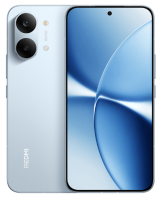
Redmi Turbo 5 Max/Redmi Turbo 5/6.83 inches/Mediatek Dimensity 9500s (3 nm)/Si/C Li-Ion 9000 mAh/Android 16 HyperOS 3
₱40,990.00₱42,990.00
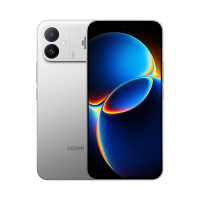
Xiaomi REDMI K90 Max 5G Smartphone 6.83 inches AMOLED Dimensity 9500 Bluetooth 5.4 NFC 8550mAh(typ) Support 100W FlashCharge
₱33,957.00₱46,620.00
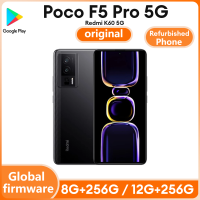
Refurbished Phone Original Xiaomi Redmi K60 5G Smartphone12G+512G Used Phone 98% new Snapdragon 8+ Gen1 6.67″ 2K Screen 120Hz 64MP Triple Camera 5500mAh 67W Charger used phone / Poco F5 Pro
₱13,627.50₱25,800.00
![[in stock]Redmi Turbo 3 Snapdragon 8s Gen 3 Octe-core 4nm 1.5K Screen 5000mAh 90W Fast Charge 50MP/ Main Camera NFC 6.67 Inch](https://ph-live.slatic.net/p/030b4163a95a8893e6804ab1055e7ab3.png_200x200q80.jpg)
[in stock]Redmi Turbo 3 Snapdragon 8s Gen 3 Octe-core 4nm 1.5K Screen 5000mAh 90W Fast Charge 50MP/ Main Camera NFC 6.67 Inch
₱20,990.00₱25,990.00
About Redmi
Overview
| Attribute | Details |
|---|---|
| Brand Name | Redmi |
| Parent Company | Xiaomi Corporation |
| Founded | July 2013 (as a smartphone series); January 2019 (as an independent sub-brand) |
| Headquarters | Beijing, China |
| Industry | Consumer Electronics |
| Products | Smartphones, Tablets, Smart TVs, Wearables, Audio Devices, Laptops, Smart Home Products |
| Operating System | Android with HyperOS (formerly MIUI) |
| Market Position | Budget and Mid-range Technology |
History
2013 – Birth of Redmi
Redmi was introduced by Xiaomi in July 2013 as an affordable smartphone series designed to make smartphones accessible to more consumers. The first Redmi phone emphasized a balance of good hardware, attractive pricing, and user-friendly software. [1]
2014–2018 – Rapid Growth
The Redmi lineup quickly became one of Xiaomi’s most successful product families.
Popular models included:
-
Redmi 1
-
Redmi 2
-
Redmi Note
-
Redmi Note 3
-
Redmi 4
-
Redmi Note 4
-
Redmi Note 5
These devices became especially popular in:
-
India
-
China
-
Indonesia
-
Philippines
-
Europe
-
Latin America
Redmi helped establish Xiaomi as one of the world’s leading smartphone brands by focusing on value for money. [2]
2019 – Redmi Becomes an Independent Brand
In January 2019, Xiaomi officially separated Redmi into its own sub-brand.
The decision allowed Xiaomi to divide its smartphone portfolio:
-
Xiaomi → Premium and flagship smartphones
-
Redmi → Budget and mid-range smartphones with strong price-to-performance
-
POCO → Performance-oriented devices for enthusiasts
This multi-brand strategy enabled Xiaomi to better target different market segments. [3]
Brand Philosophy
Redmi focuses on three main principles:
-
Affordable pricing
-
Reliable performance
-
Practical innovation
Rather than pursuing luxury positioning, Redmi emphasizes delivering the best specifications possible within each price category.
Product Categories
Smartphones
This is Redmi’s flagship product category.
Redmi Number Series
Entry-level smartphones designed for everyday users.
Examples:
-
Redmi 13
-
Redmi 14
-
Redmi A Series
Features:
-
Large battery
-
HD/FHD display
-
Budget-friendly pricing
-
Essential camera features
Redmi Note Series
The Redmi Note lineup is Redmi’s most popular product family.
It typically offers:
-
AMOLED displays
-
Fast charging
-
High-resolution cameras
-
5G connectivity
-
Large batteries
-
Balanced gaming performance
Examples:
-
Redmi Note 10
-
Redmi Note 11
-
Redmi Note 12
-
Redmi Note 13
-
Redmi Note 14
-
Redmi Note 15
The Note series is widely recognized for offering strong value in the mid-range smartphone market. [1]
Redmi K Series
Available primarily in China.
Characteristics:
-
Flagship processors
-
High refresh rate displays
-
Advanced cooling systems
-
Premium cameras
Many Redmi K devices are later released internationally under the POCO brand.
Tablets
Redmi also manufactures Android tablets.
Examples:
-
Redmi Pad
-
Redmi Pad SE
Common features include:
-
Large displays
-
Long battery life
-
Multimedia focus
-
Affordable pricing
Smart TVs
Redmi Smart TVs are designed to offer:
-
4K displays
-
Google TV or Android TV
-
Dolby Audio
-
Voice assistant support
Audio Products
Redmi’s audio lineup includes:
-
Redmi Buds
-
Wireless neckbands
-
Bluetooth speakers
-
Wired earphones
These products target budget-conscious users while supporting modern features such as active noise cancellation (ANC) on select models.
Smart Wearables
Products include:
-
Redmi Watch
-
Redmi Smart Band
Typical features:
-
Heart-rate monitoring
-
Blood oxygen (SpO₂) tracking
-
Sleep monitoring
-
Fitness tracking
-
Long battery life
Laptops
In selected markets, Redmi offers:
-
RedmiBook series
Features often include:
-
Intel or AMD processors
-
Thin and lightweight designs
-
Fast SSD storage
Software
Redmi smartphones run Android with Xiaomi’s custom interface.
Previously:
-
MIUI
Current:
-
HyperOS
HyperOS aims to provide:
-
Improved performance
-
Better battery optimization
-
Cross-device connectivity
-
Integration with Xiaomi’s broader ecosystem. [2]
Design Philosophy
Redmi devices generally emphasize:
-
Modern aesthetics
-
Slim profiles
-
Large displays
-
Durable construction
-
User-friendly design
Premium materials are often reserved for higher-end Redmi Note and K series models.
Target Audience
Redmi primarily serves:
-
Students
-
First-time smartphone buyers
-
Budget-conscious consumers
-
Casual mobile gamers
-
Families
-
Professionals seeking value
Competitive Advantages
Redmi has built its reputation on:
-
Excellent price-to-performance ratio
-
Large batteries
-
Fast charging
-
Frequent product updates
-
Wide product availability
-
Extensive after-sales service in many markets
Global Presence
Redmi products are sold across numerous regions, including:
-
China
-
India
-
Philippines
-
Indonesia
-
Vietnam
-
Malaysia
-
Thailand
-
Europe
-
Middle East
-
Latin America
-
Africa
As Xiaomi has expanded globally, Redmi has become one of its most recognized brands. [2]
Brand Identity
Redmi is commonly associated with:
-
Value
-
Practical innovation
-
Accessibility
-
Performance
-
Reliability
Its slogan and messaging emphasize making advanced technology available to a broad audience without premium pricing.
Relationship with Xiaomi
Although Redmi operates as a distinct brand, it remains fully owned by Xiaomi and shares:
-
Research and development
-
Manufacturing resources
-
Software platforms
-
Supply chain
-
Ecosystem integration
This allows Redmi to leverage Xiaomi’s scale while maintaining its own product identity.
Redmi Ecosystem
In addition to smartphones, Redmi products integrate with Xiaomi’s ecosystem, which includes:
-
Smart home devices
-
Wearables
-
Tablets
-
TVs
-
Audio accessories
-
AIoT products
Users can manage many compatible devices through Xiaomi’s ecosystem apps and services. [2]
Legacy and Impact
Since its launch in 2013, Redmi has become one of the world’s most successful smartphone brands in the budget and mid-range segments. Its focus on combining competitive hardware with accessible pricing has made it especially popular in emerging markets and among consumers seeking high value without flagship costs. As part of Xiaomi’s broader strategy, Redmi continues to play a central role in expanding access to modern consumer technology worldwide. [1]
References
CORPORATION(A company controlled through](https://cnbj1.fds.api.xiaomi.com/company/results/en-us/2018%20AR.pdf)