Shop on Lazada
Reebok products
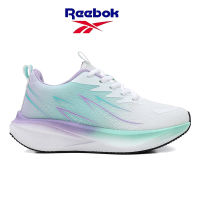
Reebok Womens Walking Shoes Cushioning Non-Slip Breathable Running Sneakers Tennis Comfortable Athletic Gym Workout Casual Shoes Lightweight Sports Cross Training Fashion Sneakers Large size womens shoes
₱1,344.11₱8,995.00
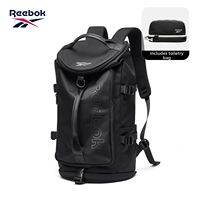
Reebok | Multi-functional Large Capacity Backpack for Men Fitness Basketball Training Travel Durable Laptop Backpack Anti Theft Design
₱5,160.75₱5,449.07
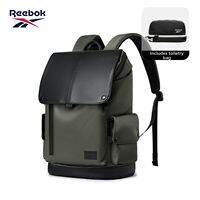
Reebok | Lightweight Large Capacity Backpack for Men Women Hiking Travel Commuting Laptop Bag Durable Anti Theft Design Comfortable Straps
₱3,871.52₱4,133.37
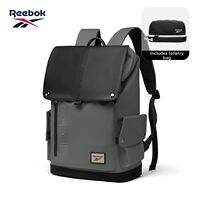
Reebok | Unisex Student Commute Travel Large Capacity Backpack
₱4,104.81₱4,537.29
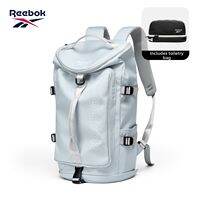
Reebok | Waterproof and Separated Large Capacity Backpack For Both Men And Women
₱5,169.81₱5,458.13
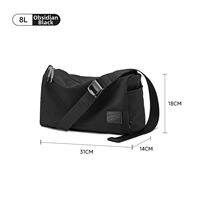
Reebok | Large Capacity Sports Crossbody Bag
₱2,235.65₱2,936.21
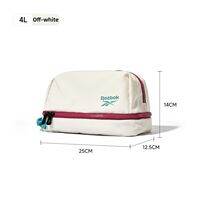
Reebok | Water Resistant Practical Travel Toiletry Bag
₱1,659.51₱1,921.36
Reebok Womens Air Running Shoes Non Slip Workout Casual Sport Walking Shoes Basketball Sneakers Fashion Tennis Fitness Trainers
₱1,420.98₱8,440.00
About Reebok
Overview
-
Brand Name: Reebok
-
Founded: 1958
-
Founders: Joe Foster and Jeff Foster
-
Headquarters: Boston, Massachusetts, United States
-
Industry: Sportswear, Footwear, Apparel, Accessories
-
Parent Company: Authentic Brands Group (since 2021) [1]
-
Products: Athletic shoes, sportswear, fitness apparel, casual footwear, accessories
-
Market Presence: Global (North America, Europe, Asia-Pacific, Middle East, Latin America) [2]
History
Reebok’s origins trace back to J.W. Foster and Sons, a company established in 1895 by Joseph William Foster, one of the pioneers of spiked running shoes. Foster supplied footwear to many competitive athletes during the early Olympic era.
In 1958, Foster’s grandsons, Joe Foster and Jeff Foster, created a new company called Reebok. The name was inspired by the rhebok, a fast-running African antelope, symbolizing speed and athleticism. [3]
Growth in the 1970s and 1980s
Reebok expanded internationally in the late 1970s after American entrepreneur Paul Fireman obtained rights to distribute the brand in North America.
The company’s breakthrough came in 1982 with the launch of the Freestyle, the first athletic shoe designed specifically for women. As aerobics became a worldwide fitness trend, the Freestyle became a cultural phenomenon and helped establish Reebok as a leading sportswear company. [4]
During the late 1980s, Reebok became one of the world’s largest athletic footwear brands, competing directly with Nike and Adidas.
Innovation
Reebok has introduced several influential technologies and products:
-
Freestyle (1982): The pioneering women’s fitness shoe.
-
The Pump (1989): An inflatable cushioning system allowing wearers to customize shoe fit.
-
Hexalite Cushioning: Lightweight hexagonal cushioning technology.
-
DMX Technology: Air-transfer cushioning system for enhanced comfort.
-
Floatride Foam: Modern lightweight cushioning for running shoes.
-
Nano Series: Cross-training shoes widely used in functional fitness and CrossFit communities. [5]
Major Product Categories
Reebok manufactures products across several segments:
Footwear
-
Running shoes
-
Training shoes
-
Basketball shoes
-
Tennis shoes
-
Walking shoes
-
Lifestyle sneakers
-
Classic heritage footwear
Apparel
-
T-shirts
-
Hoodies
-
Leggings
-
Shorts
-
Jackets
-
Sports bras
-
Compression wear
Accessories
-
Bags
-
Caps
-
Socks
-
Water bottles
-
Fitness equipment
-
Gloves [6]
Iconic Shoe Collections
Some of Reebok’s most recognizable models include:
-
Freestyle
-
Classic Leather
-
Club C
-
Workout Plus
-
Nano
-
Instapump Fury
-
Pump Omni Zone
-
Question Mid
-
Shaqnosis
-
Zig Series
-
Floatride Running Collection [7]
Brand Philosophy
Reebok positions itself as a fitness-focused brand that promotes movement as a way to improve physical, mental, and social well-being. Its messaging emphasizes inclusivity and encourages people of all backgrounds and fitness levels to live active lifestyles. [8]
Logo Evolution
Reebok has used several notable logos throughout its history:
-
Union Jack Logo (1960s–1980s): Reflected the brand’s British heritage.
-
Starcrest Logo (1979–1990s): Symbolized achievement and excellence.
-
Vector Logo (1993–present): Streamlined, modern branding.
-
Delta Logo (2014): Represented physical, mental, and social transformation during the brand’s fitness-focused era. [9]
Ownership History
1958–1985: Independent company
1985–2005: Publicly traded company
2005: Acquired by Adidas for approximately US$3.8 billion, expanding Adidas’s presence in North America. [10]
2021: Sold to Authentic Brands Group, marking a new chapter focused on revitalizing the brand through sport, lifestyle, and fashion partnerships. [11]
Athlete and Celebrity Partnerships
Over the decades, Reebok has collaborated with many influential athletes and entertainers, including:
-
Shaquille O’Neal
-
Allen Iverson
-
Venus Williams
-
Yao Ming
-
Conor McGregor
-
Angel Reese
The brand has also partnered with musicians, designers, and fashion labels to strengthen its presence in streetwear and popular culture. [12]
Market Position
Reebok competes with major global sportswear companies, including:
-
Nike
-
Adidas
-
Puma
-
New Balance
-
Under Armour
-
ASICS
-
Skechers
Its strengths lie in fitness heritage, classic sneaker designs, and the combination of athletic performance with everyday lifestyle appeal. [13]
Sustainability
Like many sportswear companies, Reebok has introduced initiatives to reduce its environmental impact through the use of recycled materials, more sustainable manufacturing practices, and product innovation aimed at lowering waste and improving resource efficiency. [14]
Current Focus
Today, Reebok continues to balance its legacy with modern innovation. The brand emphasizes:
-
Performance training and running
-
Classic lifestyle sneakers
-
Fashion collaborations
-
Basketball revival
-
Women’s fitness
-
Digital commerce and global retail expansion
Its strategy leverages iconic products such as the Classic Leather, Club C, Nano, and Instapump Fury while building new partnerships to remain culturally relevant. [15]
Brand Identity
Mission: Inspire people to move, express themselves, and pursue healthier, more active lives through innovative sportswear and fitness products. [16]
Core Values:
-
Innovation
-
Performance
-
Fitness
-
Authenticity
-
Inclusivity
-
Self-expression
-
Heritage
Legacy
With more than 130 years of heritage tracing back to J.W. Foster and Sons, Reebok has played a significant role in the evolution of athletic footwear. It helped popularize fitness culture in the 1980s, introduced influential shoe technologies like The Pump, and remains known for timeless models that bridge sport, fashion, and everyday wear. [17]