Shop on Lazada
Rubbermaid products
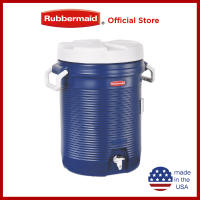
Rubbermaid 5 Gallon Water Cooler Insulated Jug Blue
₱3,600.00₱3,999.00
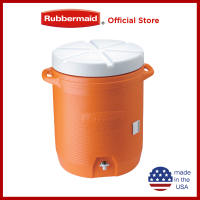
Rubbermaid 10 Gal Insulated Water Cooler Jug
₱6,300.00₱6,999.75
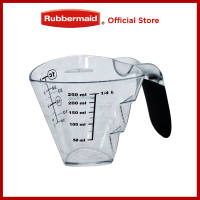
Rubbermaid Astda 2pcs 250ml Measuring Cup
₱199.00₱319.50
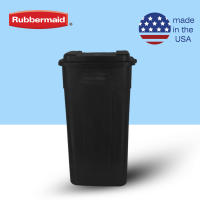
Rubbermaid 50 Gallon Roughneck Waste Bin Garbage Trash Can Outdoor Refuse
₱4,999.00₱5,999.00
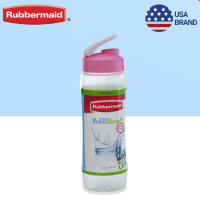
Rubbermaid 3161-AP Chug Bottle 600 ML / 20 oz Hydration Tumbler Water Bottle
₱160.00₱199.00
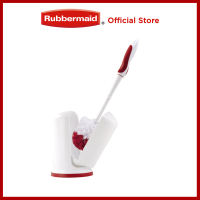
Rubbermaid Red Under the Rim Covered Bowl Brush Set Toilet Cleaner with Holder Cleaning Tools
₱379.75
Buy on Lazada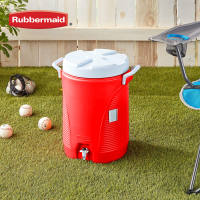
Rubbermaid 5 Gallon Insulated Cooler Jug Red with Cup Dispenser Set URMI193 Water Cooler
₱3,999.00₱4,800.00
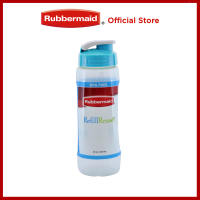
Rubbermaid Blue 3163 950 ml 32 oz Chug Hydration Water Bottle Big Tumbler Plastic Drink
₱280.00₱369.75
About Rubbermaid
Overview
Rubbermaid is an American brand specialising in household and commercial goods, widely recognised for its storage containers, organisation systems, cleaning tools, food-storage solutions, and general utility products. The brand currently operates under Newell Brands, a global consumer goods corporation that also owns Sharpie, Graco, Coleman, Paper Mate, and FoodSaver.
The Rubbermaid name is synonymous with practical household items, particularly plastic storage bins, food containers, shelving units, laundry accessories, waste receptacles, and cleaning equipment. Newell Brands positions Rubbermaid as a leader in developing high-quality solutions designed to maintain organised and functional living spaces.
Key Facts
| Category | Information |
|---|---|
| Brand | Rubbermaid |
| Origin | Wooster, Ohio, United States |
| Original Company | Wooster Rubber Company |
| Founded | 1920 |
| Brand Introduced | 1930s |
| Original Industry | Rubber products and household goods |
| Best Known For | Storage, organisation, cleaning, and food-storage products |
| Current Parent Company | Newell Brands |
| Main Market | Consumer household products |
| Related Commercial Brand | Rubbermaid Commercial Products (RCP) |
| Major Markets | United States and international markets |
History
Origins: 1920–1933
The enterprise that evolved into Rubbermaid was established as the Wooster Rubber Company in Wooster, Ohio, in 1920. Founded by nine local businessmen, the company initially manufactured toy balloons 1.
During the Great Depression, the company faced significant financial challenges. A pivotal shift occurred when James R. Caldwell and his wife, Madeleine, began experimenting with moulded rubber household goods. One of Caldwell’s earliest significant inventions was a rubber dustpan. Distinguished by its colourful moulded rubber construction and specific design for domestic use, Caldwell initially sold these dustpans door-to-door before securing a manufacturing partner for mass production 1. This product ultimately laid the foundation for the Rubbermaid line.
Launch of the Rubbermaid Brand: 1934
In 1934, Caldwell partnered with the owners of Wooster Rubber Company and relocated to Wooster. He assumed the presidency, and the factory transitioned from balloon manufacturing to Caldwell’s household products. This new line was branded “Rubbermaid” 1, marking the official birth of the brand.
The initial product range expanded beyond dustpans to include dish racks, rubber gloves, sink mats, dish scrubbers, and various other cleaning and utility items. This period established a business model centred on practical household products made from moulded rubber 1.
World War II
The Second World War significantly disrupted Rubbermaid’s development. In 1942, the US government restricted domestic rubber use to support the war effort, forcing Wooster Rubber Company to halt most household production. At one stage, the workforce dwindled to just 16 employees 1.
The company subsequently secured a military contract to manufacture rubber components for aircraft, including bombers. This wartime production substantially enhanced manufacturing capabilities; by 1944, the factory employed approximately 500 people 1. This expansion positioned the company for significant postwar growth.
Postwar Expansion and Transition to Plastic
Following the war, Rubbermaid experienced rapid growth as American households adopted modern consumer goods. The company became particularly successful in the kitchen and home organisation market.
A critical technological milestone occurred in 1955 when the company began manufacturing moulded plastic products alongside rubber goods 1. This transition was vital for the brand’s future. Plastic offered distinct advantages for household items, including lightweight construction, durability, ease of cleaning, lower manufacturing costs, design versatility, and resistance to water and chemicals. Consequently, Rubbermaid evolved from a rubber manufacturer into a comprehensive household plastics and consumer products company.
Adoption of the Corporate Name
The brand’s recognition eventually led to a corporate identity change. In 1957, Wooster Rubber Company officially adopted the name Rubbermaid 1. Notably, Rubbermaid began as a product brand before becoming the company’s legal name.
Growth: 1960s–1980s
Throughout the latter half of the 20th century, Rubbermaid products became integral to daily household life, particularly in kitchens, garages, laundry rooms, closets, and bathrooms. The company also served as a major employer in Wooster, Ohio, with its local workforce growing from approximately 731 employees in 1955 to over 1,000 by 1960 2.
Expansion eventually extended to national and international markets. Under CEO Stanley Gault, who took the helm in 1981, the company achieved significant corporate growth, becoming a Fortune 500 corporation and a globally recognised brand 1.
Product Categories
The consumer Rubbermaid brand encompasses a wide array of products focused on home organisation, storage, cleaning, and functionality. These solutions serve spaces such as kitchens, closets, garages, and outdoor areas.
Food Storage
Food storage remains one of Rubbermaid’s most identifiable categories. Products include food-storage containers, meal-preparation vessels, refrigerator organisers, pantry solutions, and related accessories designed to make food storage more organised, reusable, and convenient.
Home Organisation
Rubbermaid produces numerous products intended to organise household spaces, including solutions for closets, garages, kitchens, basements, laundry areas, utility rooms, and outdoor spaces. The brand aims to transform disorganised areas into functional storage systems.
Cleaning
Cleaning is central to Rubbermaid’s heritage; its first commercial success was the rubber dustpan 1. Modern offerings continue this tradition through various household cleaning and utility products.
Waste Management
The brand also supplies household waste management products, including trash cans and related organisation items. This category overlaps with the company’s commercial operations, where Rubbermaid maintains a substantial presence.
Rubbermaid Commercial Products
It is important to distinguish the consumer brand from Rubbermaid Commercial Products (RCP). RCP focuses primarily on businesses, institutions, and commercial facilities rather than individual consumers.
Tracing its history to 1968, RCP provides products for commercial cleaning, waste management, material handling, washrooms, safety, foodservice, storage, and facility management. Its products are utilised in environments such as hospitals, hotels, stadiums, offices, restaurants, and airports. The portfolio includes well-known commercial items such as BRUTE containers, Slim Jim containers, and WaveBrake mop buckets 3.
While RCP and the consumer brand share the Rubbermaid heritage, they address distinctly different customer needs.
Ownership by Newell Brands
A significant corporate restructuring occurred in the late 1990s. Newell Brands states that Rubbermaid joined its portfolio in 1999 as part of a larger transaction that helped shape the modern Newell consumer products lineup.
Today, Rubbermaid is a major brand within Newell Brands’ Home & Commercial segment, alongside other brands serving kitchen, home, and commercial markets. Newell Brands describes Rubbermaid as a consumer brand dedicated to helping people keep their homes organised, functional, and orderly.
Brand Identity
Rubbermaid’s identity has historically been defined by several core characteristics:
- Practicality: Rather than positioning itself as a luxury or decorative label, Rubbermaid emphasises usefulness and problem-solving. Products are designed to address everyday challenges regarding storage, organisation, cleaning, and space functionality.
- Durability: Durability has been central since the brand’s origins in moulded rubber. The transition to plastic allowed for lightweight products designed for repeated household use.
- Organisation: Organisation is perhaps the strongest modern association with the brand. Products are engineered to create order in difficult-to-manage spaces like kitchens, closets, and garages.
- Innovation: Innovation is a recurring theme. The original rubber dustpan exemplified this approach; rather than reproducing conventional tools, James Caldwell developed a new type of moulded-rubber product and successfully commercialised it 1.
Manufacturing and Materials
Rubbermaid’s history mirrors the broader evolution of American consumer product manufacturing. The company began with natural and moulded rubber, later incorporating moulded plastics in the 1950s 1.
The adoption of plastics was transformative, enabling high-volume manufacturing and complex designs that were economically unfeasible with traditional materials. Over time, the portfolio expanded from simple rubber tools into sophisticated systems of containers, storage products, and organisation equipment.
Cultural Significance
In the United States, the name “Rubbermaid” became strongly associated with household storage and organisation. The brand’s products became commonplace in kitchens, garages, closets, and cleaning areas. Its history is closely linked to the development of postwar American consumer culture, particularly the rapid adoption of moulded-plastic household goods.
The company’s relationship with Wooster, Ohio, is also significant. Rubbermaid became one of the city’s major employers and played a pivotal role in its economic development throughout the 20th century 1.
Corporate Timeline
- 1920: Wooster Rubber Company is founded in Wooster, Ohio, initially producing toy balloons 1.
- 1926: The company is acquired by Horatio Ebert and Errett Grable.
- 1930s: James and Madeleine Caldwell develop household products made from moulded rubber.
- 1933: Caldwell’s rubber dustpan is patented 1.
- 1934: The Rubbermaid household-products line is introduced.
- 1942–1945: Production shifts toward military rubber components during World War II 1.
- 1955: Moulded plastic products are added to the manufacturing portfolio 1.
- 1957: Wooster Rubber Company officially adopts the Rubbermaid name 1.
- 1968: Rubbermaid Commercial Products begins operations as a commercial-products business.
- 1980s: Rubbermaid becomes a major American consumer-products company and Fortune 500 corporation 1.
- 1999: Newell acquires Rubbermaid, integrating the brand into the modern Newell portfolio.
- Present: Rubbermaid operates as a major Newell Brands consumer brand, while Rubbermaid Commercial Products serves commercial and institutional customers.
Current Status
As of 2026, Rubbermaid remains an established consumer brand within Newell Brands, focusing principally on household storage, organisation, cleaning, and food and beverage storage solutions. The wider Rubbermaid family also maintains a significant commercial presence through Rubbermaid Commercial Products, whose items are used in professional cleaning, waste management, foodservice, healthcare, hospitality, and other institutional environments.