Shop on Lazada
SEALUP products
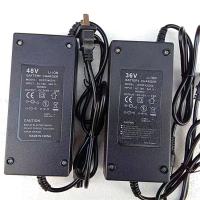
SEALUP-electric scooter charger Electric scooter Ebike Charger 36V 48V Smart Intelligent Charger Battery 48volts 2ah output Applicable for lithium battery monsprin xiaomi Ninebot Power Adapter Charger Power Supply Converter Adapter
₱805.00₱880.00

Only Pay the Price Difference between the Shipping Fee and the Product electric scooter
₱1,500.00
Buy on Lazada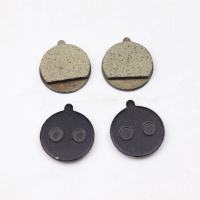
SEALUP General-Purpose Disc Brake Pads Front and Rear Brake Pads Compatible with Models Q5–Q23.
₱135.00₱500.00
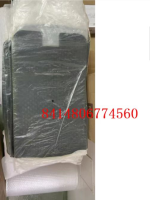
SEALUP-Non-slip waterproof electric scooter foot pads universal thickened bicycle foot pads can be cut at will e-scooter E Scooter Foldable E-Scooter hover board scooter Electric Bike for adult
₱355.00₱500.00
About SEALUP
SEALUP is an Italian luxury fashion house specialising in high-end outerwear, rainwear, and maritime-inspired garments. Founded in Milan in 1935, the company remains closely associated with Italian craftsmanship, understated Milanese elegance, and technically sophisticated weather protection. Its signature categories include raincoats, trench coats, peacoats, and other refined outerwear.1
The brand describes itself as fully Made in Italy, combining traditional tailoring and craftsmanship with modern production technology. Its philosophy is built around the themes of “Rain & Sea”, heritage, high quality, and Milanese identity.1
Overview
| Category | Details |
|---|---|
| Brand | SEALUP |
| Founded | 1935 |
| Place of origin | Milan, Italy |
| Founders | Piero and Germana Chiesa |
| Industry | Luxury fashion / apparel |
| Specialty | Luxury outerwear, rainwear, peacoats |
| Positioning | Italian luxury / understated elegance |
| Production | Fully Made in Italy |
| Core concept | “Rain & Sea” |
| Main markets | International luxury fashion |
| Flagship store | Via Brera 3, Milan |
| Current family leadership | Filippo Chiesa and Cristina Chiesa |
The company continues to operate as a family business, with the Chiesa family maintaining its involvement across generations.1
History
Foundation (1935)
SEALUP was established in Milan in 1935 by Piero and Germana Chiesa. The couple began by producing raincoats during a period when Italy’s modern apparel industry was developing. The founders emphasised quality and functional protection against the elements. The name SEALUP was created to express this original identity, combining the English word “sea” with “lup”, a Milanese-dialect term for wolf. This nomenclature was intended to connect the maritime world with the company’s waterproof garments, a link that eventually became one of the brand’s defining characteristics.1
Industrial development (1950s)
During the 1950s, SEALUP expanded its production capabilities. In 1959, the company moved to a new facility on Via Gallarate in Milan, designed by architect Renato Bazzoni. The factory was notably advanced for its period, incorporating extensive natural lighting, employee facilities, and early computer-related technology. The company regarded its manufacturing environment and production technology as integral components of product quality.1
International recognition (1960s–1990s)
SEALUP subsequently expanded internationally, attracting prominent clients and public figures; the company specifically cites Jackie Kennedy among its notable wearers. The brand also developed collaborations with designers including Walter Albini and Karl Lagerfeld, representing an early example of the designer-collaboration and capsule approach that later became common in the fashion industry. During this period, SEALUP developed a reputation beyond functional rainwear, positioning its garments as sophisticated luxury outerwear.1
Reintegrating manufacturing (2000s)
In 2013, SEALUP took a strategic step towards greater control of production by opening a factory in Calusco d’Adda, Bergamo. The rationale was to internalise more of the manufacturing process and leverage the region’s skilled workforce. The company describes this integrated structure as allowing processes ranging from pattern making through production and delivery to remain entirely within the company.1
Milan flagship (2016)
In 2016, SEALUP opened its flagship store at Via Brera 3 in Milan, located in the Brera district near La Scala and the Pinacoteca. The company subsequently expanded its manufacturing infrastructure, including facilities in Costa di Mezzate and Fontanella in the Bergamo area.1
Brand identity
SEALUP’s identity is defined by four core concepts:
Rain & Sea
“Rain & Sea” is the central conceptual theme of SEALUP. Originating from the company’s historical specialisation in rainwear and maritime inspiration, this concept treats rain protection not merely as technical clothing but as a combination of weather protection, tailoring, elegance, and luxury. Raincoats and peacoats are considered the core products from which wider collections develop.1
Milanese elegance
SEALUP identifies strongly with Milan. Its aesthetic is deliberately restrained rather than overtly flashy, characterised by essential elegance, clean lines, balanced proportions, and refined details. This places the brand within a specific tradition of Milanese luxury: sophisticated clothing intended to communicate quality through materials, construction, and silhouette rather than prominent branding.1
Italian craftsmanship
A major component of SEALUP’s positioning is its Made in Italy status. The company states that its production is entirely Italian and presents its manufacturing philosophy as a balance between traditional craftsmanship and industrial production; creativity and technical rigour; heritage and technological innovation; and classic design and contemporary functionality.1
Heritage and continuity
SEALUP maintains an archive containing more than 2,500 garments dating back to 1935. This archive functions as a reference source for contemporary collections, allowing historical designs and techniques to be reconsidered in modern forms. The brand positions heritage not simply as nostalgia, but as an active design resource.1
Products
Although SEALUP has expanded beyond its original raincoats, outerwear remains the centre of the brand.
Raincoats
Raincoats are arguably SEALUP’s defining product category. The company describes its raincoats as synonymous with high-end quality since its founding in 1935. The modern collection includes both traditional raincoats and trench-coat-inspired designs, combining historical references with contemporary construction.1
Peacoats
The peacoat is another major SEALUP icon. Its design draws directly from maritime clothing, emphasising features such as broad lapels and a double-breasted front while adapting the traditional naval silhouette into a modern luxury garment.1
Other outerwear
The brand’s current product range includes models such as:
- Quebec
- Amalfi
- Amalfi Double
- Amalfi Corsaro
- Maestrale
- Ulisse1
The collection extends into men’s and women’s ready-to-wear, though outerwear remains the visual and historical focus of the brand.
Design philosophy
SEALUP’s design language is summarised as functional luxury with restrained Italian styling. Rather than relying heavily on logos or seasonal trends, the brand emphasises clean silhouettes, sophisticated proportions, practical weather protection, high-quality fabrics and accessories, precise construction, discreet detailing, versatility, and longevity. SEALUP describes this aesthetic as “essential elegance”, prioritising minimalism and refinement over conspicuous branding or rapidly changing trends.1
Manufacturing
A key distinguishing characteristic of SEALUP is its emphasis on vertical manufacturing and Italian production. The company’s internal know-how covers design, pattern making, and production, with manufacturing facilities located in northern Italy. Its broader industrial division also specialises in contract outerwear manufacturing for luxury brands.1 This dual role makes SEALUP simultaneously a consumer-facing luxury fashion brand and part of a manufacturing organisation with substantial outerwear expertise. The manufacturing philosophy is based on preserving traditional Italian garment-making skills while incorporating modern technology and industrial processes.1
Sealup Industrial
Sealup Industrial is the group’s manufacturing division, specialising in Made-in-Italy contract manufacturing for luxury fashion brands, particularly in outerwear. It operates as part of the SEALUP Group, an independent family company established in Milan in 1935.2 This manufacturing background underpins the brand’s strong emphasis on technical outerwear construction.
Sustainability
SEALUP promotes sustainability as part of its long-term philosophy. The company’s approach encompasses long-term relationships, responsible innovation, manufacturing practices, and product longevity, rather than merely marketing individual garments as sustainable.1 Its 2023 sustainability report highlights the company’s historical emphasis on luxury, innovation, Made-in-Italy production, and durable rainwear and peacoats. Product longevity is particularly relevant to the brand’s positioning, with garments intended to remain relevant beyond individual fashion seasons.1
Retail presence
SEALUP operates its flagship store in Milan’s Brera district at Via Brera 3. The location is strategically significant due to Brera’s association with Milanese art, design, and luxury, as well as its proximity to La Scala and the Pinacoteca di Brera, reinforcing the brand’s connection to Milan’s cultural identity.1 The brand is also distributed through selected luxury retailers internationally.
Position in the luxury fashion market
SEALUP occupies a specialised position within Italian luxury fashion. It is not primarily a logo-driven label and does not compete directly with major global luxury conglomerates on brand visibility. Instead, its reputation is concentrated around premium Italian outerwear. Its competitive identity combines Milanese luxury, Italian manufacturing, technical rainwear, maritime heritage, and understated elegance, placing it conceptually closer to refined specialist outerwear than to mass-market fashion.
Distinctive characteristics
Several factors distinguish SEALUP within the luxury sector:
- Long history: With origins in 1935, SEALUP has more than nine decades of history in rainwear and outerwear.1
- Specialised expertise: Unlike general fashion labels, the brand’s heritage is concentrated specifically around raincoats and outerwear.
- Made in Italy: The brand places significant emphasis on keeping production entirely within Italy.1
- Maritime heritage: The sea, rain, and naval world are fundamental to the company’s identity rather than merely seasonal inspirations.
- Quiet luxury: The aesthetic favours discretion, construction, and material quality over conspicuous branding.
- Historical archive: An archive of more than 2,500 garments provides a substantial historical reference for contemporary design.1
- Family ownership: The company has retained a family-business character across multiple generations of the Chiesa family.1