Shop on Lazada
Sonos products

Sonos Arc Ultra Soundbar 9.1.4 with Spatial Audio and Dolby Atmos
₱69,990.00
Buy on Lazada![[New] Sonos Era 300 Wireless Smart Speaker with Dolby Atmos and Spatial Audio](https://ph-live.slatic.net/p/e2ab55dad36745d9b3ab19a6697b48b0.png_200x200q80.jpg)
[New] Sonos Era 300 Wireless Smart Speaker with Dolby Atmos and Spatial Audio
₱31,990.00
Buy on Lazada
Sonos Beam (Gen 2) Soundbar With Dolby Atmos For Your Smart TV
₱33,990.00
Buy on Lazada![[NEW] Sonos SUB gen 4 (Matte Finish)](https://ph-live.slatic.net/p/391930a7e06445d7cf0f71e7b83b5ab2.jpg_200x200q80.jpg)
[NEW] Sonos SUB gen 4 (Matte Finish)
₱54,990.00
Buy on Lazada![[NEW] Sonos Move 2 Smart Portable Speaker with Wifi & Bluetooth and Stereo Sound](https://ph-live.slatic.net/p/c1ac9c14caf46af4b422e505533f5f78.jpg_200x200q80.jpg)
[NEW] Sonos Move 2 Smart Portable Speaker with Wifi & Bluetooth and Stereo Sound
₱30,990.00
Buy on Lazada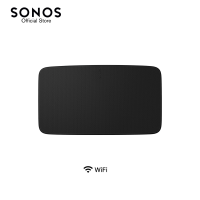
Sonos Five Multi-Room Wireless Smart Home Speaker
₱37,990.00
Buy on Lazada
Sonos Arc
₱49,990.00₱61,990.00
![[New] Sonos Era 100 Wireless Smart Speaker with Bluetooth and Voice Control](https://ph-live.slatic.net/p/8d06a55201f0cae2aaf1063ffffd91ee.jpg_200x200q80.jpg)
[New] Sonos Era 100 Wireless Smart Speaker with Bluetooth and Voice Control
₱16,990.00
Buy on LazadaAbout Sonos
Overview
Sonos, Inc. is an American consumer electronics company specialising in premium wireless audio products, including smart speakers, soundbars, home theatre systems, headphones, and whole-home audio solutions. The company is widely recognised for pioneering the modern wireless multi-room speaker category, which enables users to stream and synchronise music throughout their homes using connected speakers controlled via a dedicated app.1
Founded in 2002 and headquartered in Santa Barbara, California, Sonos has built its reputation on three core principles: high-quality sound, elegant industrial design, and simple connected experiences. The brand played a significant role in the transition from traditional stereo systems and physical music collections to streaming-based home audio.21
Company Profile
| Category | Details |
|---|---|
| Company name | Sonos, Inc. |
| Founded | 2002 |
| Founders | John MacFarlane, Craig Shelburne, Tom Cullen, Trung Mai |
| Headquarters | Santa Barbara, California, United States |
| Industry | Consumer electronics, audio technology |
| Products | Wireless speakers, soundbars, headphones, home theatre systems, audio software |
| Main market | Premium home audio |
| Famous for | Wireless multi-room audio systems |
| Public listing | NASDAQ: SONO |
| Website | sonos.com |
History
Founding (2002–2005)
Sonos was established in 2002 by four technology entrepreneurs: John MacFarlane, Craig Shelburne, Tom Cullen, and Trung Mai. The founders, who had previously worked in internet technology, believed that the future of music consumption would shift away from physical media towards digital distribution and connected devices.2
At the time, listening to music throughout a home typically required complicated wiring, traditional receivers, CDs, and manually configured speaker systems. Sonos aimed to address this by creating a system allowing users to play any song in any room without extensive cabling.2
Originally incorporated as Rincon Audio, Inc., the company changed its name to Sonos, Inc. in 2004. It introduced its first products in 2005, including the Sonos Digital Music System, which comprised wireless players and a dedicated controller.3
Wireless Multi-Room Audio Innovation
The defining innovation of Sonos was the creation of a reliable wireless network for synchronised music playback across multiple rooms. Prior to this development, multi-room audio systems were typically expensive custom installations dependent on complex wiring and difficult for average consumers to configure.
Sonos introduced a simplified approach that allowed users to place speakers anywhere in the home, connect them wirelessly, control music from a smartphone or tablet, and group multiple speakers for synchronised playback. This helped establish the category of premium wireless multi-room audio and associated the brand with connected home sound.1
Product Evolution
Early Products
ZonePlayer Series (2005)
The initial Sonos products were designed to integrate internet-based music into traditional home audio systems. These early ZonePlayers enabled users to stream digital music and control playback throughout the home.3
Smart Speakers
Sonos subsequently expanded into all-in-one wireless speakers. Major product families include:
- Sonos One: A compact smart speaker designed for music streaming, voice control, and multi-room setups.
- Sonos Era: A newer generation of smart speakers featuring improved acoustics, modern connectivity, and support for spatial audio experiences.4
- Sonos Move: A portable speaker designed for both indoor and outdoor listening.
- Sonos Roam: A smaller portable speaker combining Wi-Fi and Bluetooth connectivity.
Home Theatre Products
Sonos expanded beyond music into television and cinema audio. Major home theatre offerings include soundbars, subwoofers, surround sound systems, and wireless rear speakers. Notable products include:
- Sonos Arc: A premium soundbar designed for immersive TV audio.
- Sonos Beam: A smaller soundbar aimed at apartments and smaller rooms.
- Sonos Sub: A dedicated bass speaker.4
Software Ecosystem
A central component of the Sonos strategy is its dual focus on hardware manufacturing and software platform development.
Sonos App
The Sonos app allows users to control speakers, group rooms, manage music services, adjust settings, and tune speakers.
Streaming Integration
Sonos supports numerous streaming platforms, promoting an open ecosystem rather than locking users into a single provider. Supported services include Spotify, Apple Music, Amazon Music, Deezer, and various internet radio services.4
Audio Technology
Trueplay Tuning
Trueplay is a proprietary speaker tuning system that uses microphones to analyse room acoustics and adjust speaker performance accordingly. The system compensates for variables such as room size, furniture placement, wall reflections, and speaker location. This technology reflects the company’s philosophy that sound quality depends on the listening environment as well as the hardware.3
Design Philosophy
Sonos products are recognised for combining minimalist aesthetics with functional simplicity.
Minimalist Design
Speakers typically feature simple shapes, neutral colours, clean interfaces, and home-friendly aesthetics. The company positions its products as furniture-compatible technology rather than traditional electronic equipment.
Ease of Use
A key brand principle is reducing technical complexity. Systems are designed so consumers can create multi-room audio setups without specialist installation.
Brand Identity and Market Position
Sonos is positioned as a premium lifestyle audio brand rather than a traditional speaker manufacturer. Competitors include Bose Corporation, Apple Inc. (HomePod), Amazon (Echo), Google (Nest), and traditional hi-fi brands such as Bowers & Wilkins and Bang & Olufsen.
The brand differentiates itself through audio quality, multi-room synchronisation, a cohesive product ecosystem, industrial design, and software experience.
Expansion into Headphones
In 2024, Sonos entered the personal audio market with its first headphones, Sonos Ace, expanding beyond home audio into individual listening experiences.4 This move represented a strategic expansion of the ecosystem, allowing the company to compete in a segment dominated by products such as Apple AirPods Max, Sony WH-1000X series, and Bose QuietComfort series.
Business Model
Sonos operates through several revenue streams:
- Hardware Sales: Primary revenue is derived from speakers, soundbars, subwoofers, headphones, and accessories.
- Software Ecosystem: The company also focuses on subscription services, software updates, audio platforms, and commercial audio solutions.
- Premium Positioning: Unlike mass-market smart speakers, Sonos targets customers seeking higher sound quality and design through higher-priced products.
Strengths
- Category Leadership: Sonos helped define the consumer wireless multi-room audio category.
- Strong Ecosystem: Products are designed to work together, encouraging customers to add additional devices over time.
- Brand Reputation: The company is widely recognised for premium sound, attractive design, and a reliable user experience.
- Software Advantage: Regular updates allow older products to gain new features and remain functional.
Challenges and Criticism
- Competition: Sonos faces increasing competition from large technology companies integrating audio products with broader smart-home ecosystems.
- Product Compatibility Changes: Some customers have criticised hardware lifecycle decisions and software transitions, particularly when older products receive reduced support.
- Premium Pricing: Products are generally more expensive than mainstream smart speakers, which may limit accessibility for some consumers.
Cultural Impact
Sonos played a significant role in changing domestic music consumption. Before the advent of such systems, music was often tied to physical media and fixed stereo systems. Following the introduction of wireless multi-room audio, music became a flexible, room-to-room digital experience. The company contributed to broader shifts toward streaming music, smart homes, connected consumer electronics, and wireless lifestyle technology.