Shop on Lazada
St.Ives products
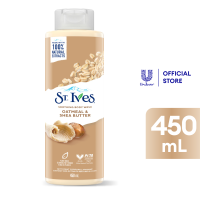
ST. IVES Oatmeal & Shea Butter Soothing Body Wash Made with 100% Natural Exfoliants & Extracts 450ML
₱411.00₱547.00
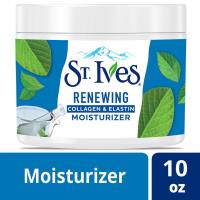
St. Ives Facial Moisturizer Timeless Skin Collagen Elastin 283g (10oz)
₱406.00₱579.00
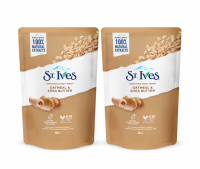
St. Ives Soothing Bodywash Oatmeal & Shea Butter 600ml Twin Pack (600ml x 2)
₱539.00
Buy on Lazada![[Buy 1 Get 2nd at 50% Off] St. Ives Refreshing Bodywash Pink Lemon & Mandarin Orange 450ml](https://ph-live.slatic.net/p/5eac6e4df5680eaa8f3b1a3595c3266f.png_200x200q80.jpg)
[Buy 1 Get 2nd at 50% Off] St. Ives Refreshing Bodywash Pink Lemon & Mandarin Orange 450ml
₱620.00₱1,092.00
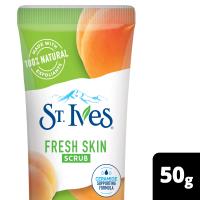
St. Ives Fresh Skin Apricot Face Scrub Made With 100% Natural Exfoliants And Extracts 50G
₱133.00₱177.00
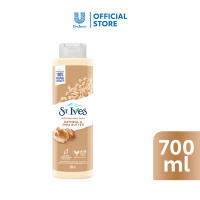
ST. IVES Oatmeal & Shea Butter Soothing Body Wash Made with 100% Natural Exfoliants 700ML
₱543.00₱723.00
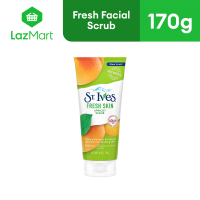
St. Ives Fresh Skin Facial Scrub 170g
₱310.09₱329.00
![[BUNDLE OF 2] ST. IVES Oatmeal & Shea Butter Soothing Body Wash 16OZ](https://ph-live.slatic.net/p/f97e7d54b66d14d3ef73179af8285601.jpg_200x200q80.jpg)
[BUNDLE OF 2] ST. IVES Oatmeal & Shea Butter Soothing Body Wash 16OZ
₱766.00₱1,092.00
About St.Ives
St.Ives is an American-origin skincare and personal-care brand best known for its apricot facial scrub, affordable body-care products, and ingredient-focused, nature-inspired positioning. The brand has evolved from a traditional mass-market skincare company into a broader portfolio spanning facial exfoliants, lip scrubs, body washes, and hand & body lotions. 1
As of 2026, St.Ives is part of Evermark, LLC, the personal-care company formed through the merger of Suave Brands Company and Elida Beauty. Evermark’s portfolio also includes brands such as Suave, Q-tips, ChapStick, Caress, Pond’s, TIGI, Noxzema, Lever 2000, and V05. 2
Overview
St.Ives is a mass-market skincare brand whose identity has historically centered on combining conventional personal-care formulations with recognizable botanical and food-derived ingredients.
Rather than positioning itself primarily as a luxury, clinical, or prestige skincare brand, St.Ives has traditionally competed on:
- Affordability
- Wide retail availability
- Recognizable ingredients
- Sensory appeal
- Simple skincare routines
- Exfoliation and cleansing
- Accessible packaging and branding
Its most famous product is the St.Ives Apricot Scrub, which became one of the best-known facial exfoliating products in American drugstores and supermarkets. The scrub’s combination of apricot imagery and physical exfoliation became so strongly associated with the brand that “St.Ives” and “apricot scrub” have effectively become synonymous in popular beauty culture. 4
Today, however, St.Ives is broader than the Apricot Scrub. Its U.S. range includes facial scrubs, lip scrubs, body washes, and hand/body lotions. 5
Infobox
| Category | Information |
|---|---|
| Brand name | St.Ives |
| Industry | Skincare & personal care |
| Founded | 1955 |
| Origin | United States |
| Original company | St. Ives Laboratories, Inc. |
| Current parent/company | Evermark, LLC |
| Major market | United States; internationally distributed |
| Known for | Apricot Scrub |
| Product categories | Face care, exfoliants, body wash, body lotion, lip care |
| Positioning | Affordable, nature-inspired, accessible skincare |
| Official website | St.Ives |
Historical founding information is reported by contemporary brand histories; the current U.S. St.Ives site identifies Evermark, LLC as the company behind the U.S. brand. 3
History
1955: Foundation
St. Ives Laboratories, Inc. was established in 1955 in Chatsworth, California. Historical accounts describe the early brand as promoting a “Swiss formula” and products featuring herbs and plant extracts. 6
This early emphasis is important because many of the themes associated with the modern St.Ives brand—plants, natural ingredients, botanical extracts and relatively accessible skincare—were already present in its early identity. The brand was therefore not originally built exclusively around the apricot scrub; the scrub became its defining product much later.
1970s–1980s: Expansion
During the later 20th century, St.Ives developed into a recognizable mass-market skincare name. The brand’s products increasingly emphasized inexpensive, easy-to-use skincare based around familiar ingredients and straightforward benefits. This helped St.Ives occupy a different space from expensive department-store skincare brands.
During the 1980s, another brand, Aapri, was reportedly a major competitor in the facial-scrub category. St.Ives subsequently became increasingly dominant in the apricot-scrub market. 7
The Apricot Scrub
The Apricot Scrub is the product that made St.Ives famous. The product uses physical exfoliating particles to remove dead surface skin cells. The classic formulation became particularly recognizable for its use of ground walnut shell together with apricot-derived ingredients. 8
The product’s appeal was straightforward: apricot, scrub, inexpensive skincare, and visibly smoother skin. This was extremely effective from a mass-market branding perspective. The orange/apricot visual identity made the product instantly recognizable on store shelves, while the word “scrub” communicated its function without requiring consumers to understand sophisticated skincare terminology.
By the late 1980s and early 1990s, St.Ives had become particularly prominent in the facial-scrub category, with its apricot product widely associated with drugstores and mass retail. 9
Factors in Cultural Success
Several factors contributed to the cultural success of the Apricot Scrub:
- Strong sensory experience: Physical scrubs provide an immediately noticeable sensation. Consumers can literally feel the particles moving across the skin and often perceive their skin as smoother immediately afterward.
- Affordable pricing: St.Ives operated in the mass market rather than the luxury market. This made the product accessible to teenagers, students, and consumers who were experimenting with skincare.
- Simple proposition: The product required little explanation: apply, scrub, rinse, and achieve smoother-feeling skin.
- Distinctive ingredient story: “Apricot” was much more memorable to consumers than a technical cosmetic-ingredient name.
- Massive brand recognition: The product became sufficiently recognizable that it functioned as an entry point into skincare for generations of consumers.
Controversy Around the Apricot Scrub
The same product that built the reputation of St.Ives also became the center of considerable criticism. Beginning particularly in the 2000s, beauty communities and skincare commentators increasingly questioned whether the physical exfoliating particles in the classic Apricot Scrub were excessively abrasive for facial skin. Contemporary online discussions included criticism of the product’s texture and perceived potential to cause irritation. 10
The Criticism
Critics generally argued that aggressive physical exfoliation could irritate sensitive skin, aggravate existing inflammation, cause excessive dryness, damage the skin barrier when overused, or be inappropriate for some skin conditions. This criticism became part of the broader shift in skincare culture away from “scrub until smooth” toward gentler chemical exfoliation and barrier-focused skincare.
Response and Evolution
Rather than abandoning exfoliation, the brand continued to develop different exfoliating products and skin-type variants. Its current U.S. Apricot Face Exfoliant is marketed toward balanced-to-oily skin and recommends use 2–3 times per week, rather than daily use. The brand describes its current exfoliants as using naturally derived exfoliating ingredients and states that the product is dermatologist tested and non-comedogenic. 11
The modern St.Ives strategy is better understood as maintaining the heritage of exfoliation while modernizing the formulation, messaging, and product range.
Product Portfolio
Although the Apricot Scrub remains the signature product, modern St.Ives has several major categories.
Facial Care
The brand’s facial range includes multiple scrubs designed around different skin needs. Examples include:
- Apricot Face Scrub
- Rose & Aloe Face Scrub
- Avocado & Honey Face Scrub
- Acne-focused exfoliating products
- Other facial exfoliation products
The current Apricot Scrub uses walnut shell powder, corn-derived particles and apricot extract, among other ingredients. 12 St.Ives also has acne-treatment scrub products containing 2% salicylic acid. U.S. drug labeling identifies salicylic acid as the active acne-treatment ingredient in these products. 13
Body Wash
Body wash has become an important part of the contemporary St.Ives portfolio. Current examples include:
- Sea Salt & Pacific Kelp
- Pink Lemon & Mandarin Orange 10
- Lavender & Chamomile
- Dark Cherry & Argan Oil
- Citrus & Cherry Blossom
- Oatmeal & Shea Butter
- Rose Water & Aloe Vera
- Coconut Water & Orchid
This category allows St.Ives to use its established “nature-inspired” identity beyond facial exfoliation. For example, the current Sea Salt & Pacific Kelp body wash combines walnut shell, sea salt and kelp extracts and is marketed as both cleansing and exfoliating. The brand states that this product uses an 83% biodegradable formula and packaging made from 100% recycled plastic. 7
Body Lotions
St.Ives also sells hand and body moisturizers. One example is its Sweet Almond Oil Hand & Body Lotion, while other formulations use ingredients such as shea butter and coconut-derived ingredients. 14 These lotions extend the brand’s proposition from “exfoliation” into everyday moisturizing.
Lip Care
The brand has also expanded into lip exfoliation, including products such as Juicy Watermelon Lip Scrub. 15
Ingredient Philosophy
Ingredient storytelling is central to the branding of St.Ives. The company’s current website highlights ingredients such as apricots, walnuts, green tea, and coconuts. 16 This creates a recognizable formula for product development: familiar natural ingredient combined with attractive fragrance or sensory experience and a straightforward skincare benefit.
Importantly, “natural” in St.Ives marketing should not be interpreted as meaning that the products consist exclusively of unprocessed natural substances. Like virtually all modern mass-market cosmetics, the formulas contain combinations of botanical extracts, surfactants, emollients, preservatives, stabilizers, fragrances, and other cosmetic ingredients. For example, the current Apricot Scrub ingredient list includes walnut shell powder, glycerin, fatty alcohols, surfactants, apricot extract, fragrance, and other formulation components. 17
Brand Positioning
St.Ives can broadly be positioned as accessible, nature-inspired, sensory skincare for everyday consumers. Its positioning sits between several categories:
| Segment | St.Ives Position |
|---|---|
| Luxury skincare | Not its core territory |
| Dermatological/clinical skincare | Some acne products, but not core identity |
| Mass-market skincare | Core |
| Natural-inspired skincare | Strong |
| Body care | Strong |
| Facial exfoliation | Signature category |
| Teen/young adult skincare | Historically important |
| Premium beauty | Not primary positioning |
Its greatest competitive advantage is therefore brand familiarity combined with affordability and recognizable ingredients.
Brand Identity
St.Ives traditionally communicates a relatively cheerful and uncomplicated view of skincare. Its branding tends to emphasize nature, freshness, smoothness, sensory pleasure, and accessible beauty. This differs significantly from brands whose identities revolve around dermatologists, laboratory research, luxury ingredients, or highly technical active ingredients. The brand’s current website uses playful language and colorful ingredient/product imagery, reinforcing this accessible personality. 18
“Natural” and Nature-Inspired Positioning
Nature is one of the most important brand assets for St.Ives. The company says that it tracks ingredients and their growing seasons and highlights ingredients sourced from different regions. Its website specifically discusses apricots and other botanical ingredients as part of its ingredient philosophy. 19
However, St.Ives is better described as nature-inspired than as a purely natural cosmetics company. This distinction matters because the products are formulated cosmetic products rather than simply crushed fruits, plants, and oils.
Cruelty-Free and Vegan Positioning
St.Ives currently states that it is PETA-approved globally and describes its products as vegan and friendly to animals. 20 The brand’s current product communications also emphasize cruelty-free positioning and, for some products, the absence of animal-derived ingredients. 21 These claims are part of the brand’s modernization, helping connect its traditional nature-oriented identity with contemporary consumer expectations around ethical beauty.
Sustainability
Sustainability has become another component of newer product positioning for St.Ives. For example, the current Sea Salt & Pacific Kelp body wash is marketed with 100% recycled plastic packaging, an 83% biodegradable formula, nature-inspired ingredients, cruelty-free positioning, and no animal-derived ingredients. 22 This indicates a gradual expansion of the brand message from simply “natural ingredients” toward broader environmental and ethical considerations.
Corporate Ownership
The corporate history of St.Ives is somewhat complicated because the brand has existed for many decades and has passed through different corporate structures. Historically, St.Ives became associated with Unilever. U.S. regulatory records, for example, identify Conopco Inc. d/b/a Unilever as the labeler for St.Ives acne-treatment products. 23
A major change occurred in the 2020s. Elida Beauty and Suave Brands Company were combined to create Evermark, LLC. The resulting company portfolio includes St.Ives alongside brands such as Suave, Q-tips, ChapStick, Caress, Pond’s, Noxzema, TIGI, Lever 2000, and V05. 24
As of 2026, the official St.Ives U.S. website carries an Evermark, LLC copyright, and contest terms explicitly describe Evermark as the parent company of St.Ives. 25 A simplified corporate timeline is therefore: St. Ives Laboratories → Unilever/Elida Beauty era → Evermark, LLC.
Distinction from Unilever
It is worth distinguishing the historical association with Unilever from the brand’s current corporate identity. Older references may describe St.Ives as a Unilever brand because products were marketed through Unilever-related corporate entities. Current U.S. materials, however, identify Evermark, LLC as the company behind the brand. 26 This explains why different online sources can appear to give different answers regarding ownership.
Marketing Strategy
The marketing of St.Ives can be summarized through five major ideas:
- Ingredient recognition: Consumers immediately understand ingredients such as apricot, coconut, almond, oatmeal, or aloe.
- Sensory marketing: Fragrance, texture, color, and the physical sensation of exfoliation are important parts of the consumer experience.
- Accessibility: The brand is designed to be approachable rather than intimidating or highly technical.
- Product variety: The same brand identity can be applied to facial care, body wash, lotions, and lip products.
- Heritage: The Apricot Scrub provides St.Ives with a recognizable “heritage product” that differentiates it from newer skincare brands.
Target Consumers
Historically, St.Ives has had particularly strong appeal among teenagers, young adults, first-time skincare users, budget-conscious consumers, those interested in ingredient-based beauty, consumers looking for basic body care, and shoppers who prefer mass-market retail. Its accessible price and uncomplicated product concepts make it particularly suitable for consumers who do not want a complicated multi-step skincare regimen.
Competitive Landscape
St.Ives operates in a highly competitive section of the beauty industry. Its competitors vary by product category:
- Facial exfoliation: Competes with other mass-market exfoliating and facial-care brands.
- Body wash: Competitors include brands such as Dove, Olay, Nivea, and other mass-market body-care companies.
- Acne care: Products containing salicylic acid place St.Ives closer to brands focused on acne and blemish management.
- “Natural” beauty: Overlaps with brands that emphasize botanical ingredients, plant extracts, and environmentally conscious positioning.
Its distinctive advantage remains the combination of very high consumer recognition, low-to-mid mass-market positioning, and exfoliation heritage.
Criticism and Reputation
St.Ives has an unusual position in beauty culture because its most famous product is simultaneously one of its greatest marketing assets and one of its most debated products. The Apricot Scrub has been criticized by skincare enthusiasts and professionals for being too abrasive for some facial skin types, while other consumers continue to report enjoying its exfoliating effect.
Physical exfoliation is not inherently bad, but the suitability of a particular scrub depends on particle characteristics, pressure, frequency of use, and the user’s skin condition. St.Ives itself currently gives usage guidance of 2–3 times per week for its Apricot Face Exfoliant. 27 Therefore, the modern discussion is less accurately summarized as “St.Ives is bad” and more accurately as: St.Ives represents an older, highly physical approach to exfoliation that has become controversial as skincare culture has shifted toward gentler and more barrier-conscious routines.
Evolution of the Brand
The evolution of St.Ives can be divided into roughly four eras:
Era I — Botanical Skincare (1955 onward)
The brand establishes itself around plant extracts and accessible skincare.
Era II — Apricot Scrub Dominance (1980s–1990s)
The Apricot Scrub becomes the company’s defining product and a mass-market beauty icon. 28
Era III — Internet Skincare Debate (2000s–2010s)
Online beauty communities increasingly question the aggressiveness of physical facial exfoliation.
Era IV — Modernized Nature-Inspired Brand (2020s–present)
St.Ives expands beyond facial scrubs into body wash, lotions, and lip care while emphasizing vegan/cruelty-free positioning, natural-derived ingredients, and sustainability initiatives. 29
Current Product Philosophy
The contemporary St.Ives portfolio suggests that the company no longer wants consumers to think of it only as “the Apricot Scrub brand.” Instead, the brand is attempting to become a broader everyday body-and-face-care brand. Its current categories essentially form a complete basic routine: Exfoliate → cleanse → moisturize → care for lips. This makes St.Ives more resilient as consumer preferences change.
Cultural Significance
The significance of St.Ives extends beyond its sales of skincare products. The Apricot Scrub became a kind of generational skincare product. Many consumers encountered it during adolescence or early adulthood, making the distinctive orange packaging and apricot imagery highly nostalgic.
It also became a frequent reference point in online skincare discussions because it sits at the intersection of two different beauty philosophies: traditional physical exfoliation versus modern gentle/barrier-focused skincare. That tension helped keep St.Ives relevant in beauty conversations even when the brand itself was no longer considered cutting-edge.
Brand Strengths and Weaknesses
Strengths
- Strong brand recognition: “St.Ives Apricot Scrub” is considerably more memorable than many generic mass-market skincare products.
- Affordable: The brand’s mass-market positioning makes it accessible to a broad consumer base.
- Distinctive ingredient identity: Apricot, walnut, coconut, oatmeal, aloe, and other recognizable ingredients provide strong marketing hooks.
- Broad portfolio: St.Ives is no longer dependent entirely on one facial scrub.
- Heritage: Seven decades of history gives the brand credibility and nostalgia that newer skincare startups cannot easily reproduce.
Weaknesses
- Legacy formulation perception: The Apricot Scrub’s reputation for being aggressive remains difficult to completely separate from the St.Ives name.
- Competition from modern skincare: Consumers increasingly look for ingredients such as retinoids, niacinamide, ceramides, AHAs/BHAs, and peptides rather than traditional physical scrubs.
- “Natural” ambiguity: Modern consumers are increasingly sophisticated about the difference between “natural,” “naturally derived,” and scientifically formulated ingredients.
- Mass-market positioning: Being affordable and widely available is an advantage, but it can make the brand seem less technologically advanced than premium or dermatologist-led competitors.
Overall Brand Personality
If St.Ives were reduced to a few characteristics, its personality would be:
- 🌿 Nature-inspired
- 🍑 Ingredient-led
- ✨ Sensory
- 💰 Affordable
- 🧴 Everyday
- ☀️ Cheerful
- 🧼 Accessible
- 🏷️ Mass-market
- 📜 Heritage-driven
Its biggest symbolic product remains the Apricot Scrub, but the modern brand is much broader.
Summary
St.Ives is a long-established American mass-market skincare brand founded in 1955, famous worldwide for its Apricot Scrub and physical exfoliation heritage, and now positioned under Evermark as an affordable, nature-inspired personal-care brand spanning facial exfoliants, body washes, lotions and lip care. 30
References
- St Ives Face Scrubs, Body Wash, Lotions | St Ives – St. Ives US
- Contest Terms & Conditions – St. Ives US
- Yellow Wood Partners Portfolio Companies Suave Brands and Elida Beauty Complete Merger to Create Evermark, A Leading Global Platform of Personal Care Brands | Evermark
- St. Ives Apricot Scrub: A Brief History of Hate
- Apricot Exfoliating Face Scrub for Oily Skin | St Ives – St. Ives US
- DailyMed – ST. IVES- acne control apricot scrub lotion
- Sea Salt & Pacific Kelp Exfoliating Body Wash | St Ives – St. Ives US
- LinkedIn | Elida Beauty
- Apricot Exfoliating Face Scrub for Oily Skin | St Ives – St. Ives US
- Pink Lemon & Mandarin Orange Exfoliating Wash | St Ives – St. Ives US
- St. Ives Acne Control Apricot Scrub
- 100% 天然萃取物和去角質成分的St. Ives 沐浴露 – St. Ives
- St. Ives, Acne Control Apricot Scrub – SmartLabel™
- St. Ives, Apricot Scrub, Fresh Skin – SmartLabel™
- St. Ives® Launches Social Media Contest and New Solutions Product Line to Help Reduce College Students’ Financial and Skin Stress
- Making Waves – St Ives Ceramics Gallery
- THE NEW CRAFTSMAN, ST IVES — Crafts Study Centre
- St. Ives® Announces #NatureReset To Encourage Young Women To Get A Boost of Happy By Spending Time With Nature
- Who Were the St Ives School Artists? | Modern British & Irish Art | Sotheby’s
- The St. Ives® Mixing Bar Opens For Six Weeks Only This Summer in NYC
- The art of St Ives is no sideshow | Painting | The Guardian
- DailyMed – ST. IVES BLEMISH AND BLACKHEAD CONTROL APRICOT SCRUB- salicylic acid emulsion
- St. Ives Blemish and Blackhead Control Apricot Scrub
- St. Ives® NATURALLY CLEARAPRICOT SCRUB
- Search for Corporations, Limited Liability Companies, Limited Partnerships, and Trademarks by Name
- Search for Corporations, Limited Liability Companies, Limited Partnerships, and Trademarks by Name
- Apricot Exfoliating Face Scrub for Oily Skin | St Ives – St. Ives US
- Frequently Asked Questions and Answers | St Ives – St. Ives US
- Products – St. Ives US
- News – St. Ives US