Shop on Lazada
Starbucks Coffee At Home products
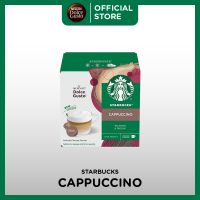
Starbucks by Nescafé Dolce Gusto Cappuccino Coffee Pods 120g SBNDG02
₱529.00
Buy on Lazada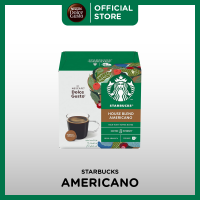
Starbucks by Nescafé Dolce Gusto Americano Coffee Pods 102g SBNDG01
₱459.00
Buy on Lazada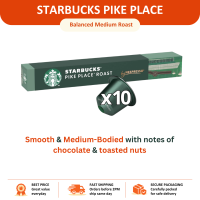
Starbucks Nespresso Compatible Coffee Capsules
₱425.00₱519.00
Starbucks by Nescafé Dolce Gusto Americano Coffee Pods 102g SBNDG01
₱459.00
Buy on LazadaStarbucks by Nescafé Dolce Gusto Cappuccino Coffee Pods 120g SBNDG02
₱529.00
Buy on Lazada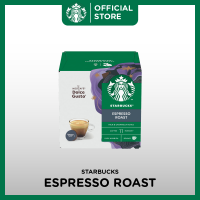
Starbucks by Nescafé Dolce Gusto Dark Espresso Roast Coffee Pods 66g SBNDG06
₱459.00
Buy on Lazada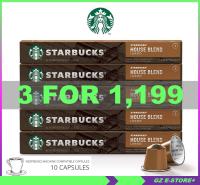
GZestore Starbucks HOUSE BLEND Lungo Capsule for Nespresso Machine - 3 Boxes
₱1,199.00₱1,800.00
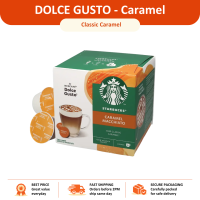
Starbucks Dolce Gusto Compatible Capsules
₱579.00₱599.00
About Starbucks Coffee At Home
Starbucks Coffee At Home is the home-consumption business and product ecosystem built around the Starbucks brand. It enables consumers to recreate Starbucks-style coffee experiences outside of physical coffeehouses through products such as whole-bean coffee, roast-and-ground coffee, premium instant coffee, coffee capsules, machine-compatible beverages, and ready-to-drink products in selected markets.1 The business operates in close association with Nestlé, which has served as Starbucks’ global licensed partner for packaged consumer coffee and foodservice products outside Starbucks stores since the formation of their Global Coffee Alliance in 2018.2
Overview
| Category | Information |
|---|---|
| Brand | Starbucks Coffee At Home / Starbucks at Home |
| Parent brand | Starbucks |
| Major global licensed partner | Nestlé |
| Industry | Coffee and packaged beverages |
| Primary market | At-home and out-of-home packaged coffee consumption |
| Core proposition | Bringing the Starbucks coffee experience into the home |
| Coffee beans | 100% Arabica |
| Major formats | Whole bean, ground, instant, capsules, machine-based coffee, ready-to-drink |
| Roast categories | Blonde Roast, Medium Roast, Dark Roast |
| Global partnership | Starbucks–Nestlé Global Coffee Alliance, established 2018 |
| Ethical sourcing | Starbucks C.A.F.E. Practices |
| Geographic presence | Multiple markets worldwide, with product ranges varying by country |
Concept and positioning
Starbucks Coffee At Home functions as a consumer packaged-goods extension of the Starbucks coffeehouse brand rather than a single standalone product. Its core objective is to make coffees and café-inspired beverages associated with Starbucks stores available in formats that consumers can prepare or consume elsewhere. The official positioning is essentially “Starbucks coffee, made yours at home,” with product availability ranging from traditional whole beans and ground coffee to instant coffee, capsules, and ready-to-drink beverages depending on the market.1
This extension allows the brand to be present in consumption occasions beyond the traditional café visit, including morning routines, work or study sessions, weekend rituals, entertaining guests, and the preparation of homemade lattes, cappuccinos, iced coffee, and espresso-based drinks. By facilitating these moments, Starbucks Coffee At Home extends the brand experience from the café into consumers’ kitchens and daily lives.
Relationship with Starbucks
The Starbucks Coffee At Home business originates from the broader Starbucks brand, which began in Seattle in 1971. The first store opened at Pike Place Market with a focus on freshly roasted whole-bean coffee before evolving into a global coffeehouse company associated with both coffee and the wider café experience.2 Starbucks describes its mission as inspiring and nurturing the human spirit “one person, one cup and one neighborhood at a time.”2 The At Home business translates this philosophy into a domestic environment, allowing consumers to prepare or enjoy Starbucks-branded coffee independently without visiting a physical store.
The Starbucks–Nestlé partnership
A defining characteristic of Starbucks Coffee At Home is the distinct division of roles between Starbucks and Nestlé. In 2018, the two companies entered a global coffee alliance granting Nestlé extensive rights to market Starbucks consumer packaged-goods and foodservice coffee and tea products globally, excluding Starbucks coffeehouses and certain ready-to-drink products.1
This arrangement combines specific strengths from each partner:
- Starbucks contributes: Brand equity, coffee expertise, roasting heritage, product concepts, recipes, beverage inspiration, and consumer recognition.
- Nestlé contributes: Global distribution, packaged-food and beverage expertise, retail relationships, manufacturing capabilities, and established platforms such as Nescafé Dolce Gusto and Nespresso.1
Nestlé identifies Starbucks as one of its three major global coffee brands alongside Nescafé and Nespresso.1 This partnership enables Starbucks to expand its international packaged coffee presence using Nestlé’s existing infrastructure for manufacturing, packaging, distribution, retail placement, e-commerce, and supply chains, rather than relying exclusively on its own coffeehouse network.
Product portfolio
The Starbucks Coffee At Home portfolio is broad, though specific product availability varies by country.
Whole bean coffee
Whole-bean coffee remains one of the most traditional formats within the At Home range. Consumers purchase roasted beans and grind them prior to brewing, often selecting signature blends or espresso-oriented coffees. This format targets consumers seeking greater control over freshness and the brewing process.
Roast & Ground coffee
Ground coffee is designed for conventional brewing methods such as drip coffee makers, coffee presses, pour-over, and Moka pots. It eliminates the need for home grinding and serves as a primary method for enjoying Starbucks coffee through standard home brewing equipment.1
Premium instant coffee
Starbucks sells premium instant (soluble) coffee made from 100% Arabica beans.2 This category significantly lowers the barrier to entry by removing the need for grinders or brewers. Products in this line include Starbucks Premium Instant Medium Roast, Dark Roast, House Blend, and flavoured café-style beverages such as Caramel Latte, Caffè Mocha, and Cappuccino in selected markets.2
Starbucks by NESCAFÉ Dolce Gusto
This product line is designed specifically for Nescafé Dolce Gusto machines. Consumers insert a capsule into a compatible machine to prepare beverages such as Cappuccino, Caramel Macchiato, Latte Macchiato, and House Blend. Nestlé describes this range as being inspired by beverages familiar to customers from Starbucks coffeehouses.1
Starbucks by Nespresso
The Starbucks by Nespresso range integrates Starbucks coffee into the Nespresso capsule ecosystem. Depending on the market and machine platform, offerings include various roasts, espresso products, and flavoured coffees. This category allows Starbucks to participate in the premium home espresso and portion-coffee market and is identified as a major product category within Nestlé’s portfolio.1
Ready-to-Drink coffee
The ecosystem also includes Ready-to-Drink (RTD) products such as Starbucks Frappuccino, Doubleshot, and other chilled espresso-based bottled or canned beverages. While part of the wider consumer offering, it is important to note that the 2018 Starbucks–Nestlé agreement excluded certain RTD products from Nestlé’s rights, meaning not all packaged Starbucks products are operated identically worldwide.1
Roast spectrum
Starbucks Coffee At Home organises its coffees into three broad categories known as the Roast Spectrum:2
- Blonde Roast: Positioned as the lightest profile, emphasising a lighter, more approachable character.
- Medium Roast: Positioned around a balanced flavour profile in the middle of the spectrum.
- Dark Roast: A more intense profile associated with fuller body and stronger roasted flavours.
This system allows consumers to select coffee based on taste preference rather than technical roasting terminology or bean origin knowledge.2
Sourcing and quality
Arabica coffee
A central quality claim for Starbucks Coffee At Home is the use of 100% Arabica coffee. Arabica is widely associated with specialty and premium coffee, and both Starbucks and Nestlé describe the At Home products as being made from high-quality Arabica beans.1 This supports the brand’s premium positioning.
Origins and flavour
Starbucks sources coffee from major growing regions including Central America and Southeast Asia.1 Different geographic origins produce distinct flavour characteristics; for example, Latin American coffees may feature notes of nuts, cocoa, and soft spice. The product philosophy combines origin, roast, blend, and brewing method to create varied experiences.2
Ethical sourcing and C.A.F.E. Practices
In 2004, Starbucks developed Coffee and Farmer Equity (C.A.F.E.) Practices in collaboration with Conservation International. This program evaluates coffee production across quality, economic accountability, transparency, social responsibility, and environmental leadership.1 C.A.F.E. Practices serve as a cornerstone of the brand’s ethical sourcing strategy, ensuring that Starbucks Coffee At Home is positioned not merely as a convenience product but one backed by verified sourcing standards.1
Consumer experience and education
The “coffeehouse at home” concept
The brand’s marketing focuses on converting the Starbucks coffeehouse experience into a home ritual. Consumers are encouraged to personalise their coffee through their choice of vessel, milk, preparation method, flavour, temperature, and brewing technique.2 The proposition is framed as bringing the Starbucks experience into the consumer’s own space rather than simply selling beans.
Recipes and education
Starbucks Coffee At Home functions as an education and recipe platform, providing instructions for brewing methods including pour-over, coffee press, Moka pot, Chemex, cold brew, and machine brewing, as well as recipes for macchiatos, lattes, and cappuccinos.2 This educational component helps position the brand around coffee-making occasions rather than just product sales.
Market positioning and competition
Starbucks Coffee At Home occupies a position between mass-market and specialty coffee. Its competitive advantages include global brand recognition, strong association with professionally prepared café beverages, premium imagery derived from Arabica beans and roasting expertise, convenience through instant and capsule formats, and variety across roast intensities and brewing systems. This combination allows the brand to address both coffee enthusiasts and convenience-oriented consumers.
Target customers include existing Starbucks patrons, regular home brewers, users of instant or capsule systems, consumers of café-style beverages like lattes and Frappuccinos, and enthusiasts interested in roast levels and manual brewing.
Unlike Starbucks coffeehouses, At Home products are distributed primarily through retail channels such as supermarkets, grocery stores, convenience stores, online retailers, and e-commerce platforms. Assortments vary considerably by market; for instance, some countries may emphasise Nespresso products while others focus on Nescafé Dolce Gusto or instant coffee. Consequently, Starbucks Coffee At Home is best understood as a global brand platform with localised portfolios rather than a standardised global product line.
In terms of competition, the brand faces different rivals depending on the format: traditional packaged coffee brands like Nescafé, Dunkin’, Lavazza, and Illy; capsule systems like Nespresso and Keurig; and major beverage companies in the ready-to-drink segment. Unusually, Starbucks competes across multiple coffee formats simultaneously rather than specialising in only one.
Strategic importance and challenges
From a business perspective, Coffee At Home allows Starbucks to monetise its brand outside physical stores, reaching households, offices, hotels, and online shoppers through Nestlé’s large-scale distribution infrastructure.2 However, the brand faces challenges in maintaining consistency between home-prepared and barista-made coffee, navigating intense competition, managing premium price perception against supermarket alternatives, adapting to diverse local taste preferences, and addressing long-term sustainability concerns in coffee production.1
At its core, the brand identity combines four elements: coffee quality (100% Arabica and roasting heritage), home convenience, café inspiration through familiar recipes, and responsible sourcing via C.A.F.E. Practices. Together, these form the proposition of a Starbucks coffee experience that fits into the consumer’s own routine and space.
Presence in the Philippines
In the Philippines, Starbucks Coffee At Home maintains a localised website and product assortment tailored to the market. The Philippine range includes products such as Starbucks Premium Instant Caramel Latte, Caffè Mocha, Cappuccino, Medium Roast, Dark Roast, and Starbucks House Blend, alongside Starbucks by NESCAFÉ Dolce Gusto products.2 The local platform also provides coffee education and lifestyle content covering roasting, brewing techniques, roast profiles, and coffee occasions.2
History
- 1971: The first Starbucks store opens in Seattle’s Pike Place Market, selling fresh-roasted whole-bean coffee.2
- 1980s: Howard Schultz develops the concept of the coffeehouse as a social “third place.”2
- 2004: Starbucks establishes C.A.F.E. Practices with Conservation International as part of its ethical sourcing strategy.2
- 2018: Starbucks and Nestlé form the Global Coffee Alliance to expand packaged coffee and foodservice products worldwide outside Starbucks stores.1
- 2019 onward: Nestlé begins rolling out Starbucks products across numerous markets, including beans, ground coffee, and capsule-compatible products.1
- Today: Starbucks Coffee At Home operates as a broad ecosystem spanning conventional, instant, portioned, and ready-to-drink products, with portfolios differing by market.1
Comparison with Starbucks coffeehouses
| Starbucks Coffee At Home | Starbucks Coffeehouses |
|---|---|
| Primarily packaged products | Prepared beverages and food |
| Consumer prepares much of the drink | Barista prepares the drink |
| Grocery/retail/e-commerce distribution | Starbucks store network |
| Designed for home and personal consumption | Designed around café experience |
| Includes beans, ground, instant and capsules | Includes brewed coffee, espresso beverages, food, etc. |
| Strong Nestlé role in packaged coffee | Starbucks-operated retail business |
| Product assortment varies by country | Store menu also varies by market |
Rather than competing directly, these two channels are complementary; a customer may visit a store for one occasion and purchase packaged products for another.